Private car and flight
A trek through the Everest foothills gets called a shortcut now and then - yet it pulls travelers straight into Himalayan life. Rugged peaks climb fast from shadowed gullies. Colored ribbons flutter on threads strung between stones. With each footfall, the air thins while the roof of the planet looms nearer.
Up high, snowcapped summits fill the sky. With little time to spare, this route cuts through distractions. Instead of winding paths, it leads directly forward. Roaring water rushes under narrow hanging bridges. Quiet settlements rest below massive cliffs made of stone and frozen rivers. People drawn to big mountains find their way here. The trail moves fast, yet leaves space to absorb the silence. Towering walls rise without warning behind village rooftops.
Up ahead, trekkers stop now and then - less about breathing, more about taking in how huge the peaks are. Not far off, this shorter path toward Everest packs a strong experience into little time, filled with mountain views that tower above and moments with local people that stick.
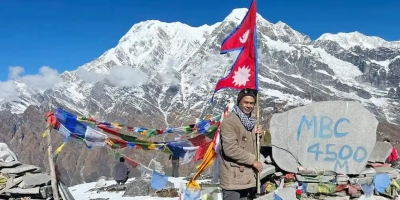
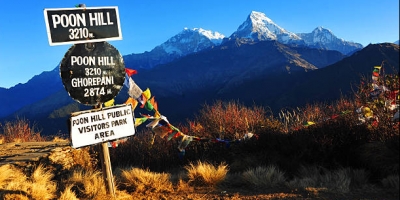
High mountains rise beneath endless blue above. People move along paths near old houses made of rock. Flags strung on lines dance in the wind as they pass.
Not a long trek, this path zeroes in on the famous part: starting at Lukla, pushing through Namche Bazaar, then heading toward spots where Everest comes into view. Tough? Yes. But within reach if you’re fit and willing to keep going. Climbing experience isn’t required - what matters is balance and awareness when the air gets thin.
Finding excitement on Everest without spending weeks? This route mixes bold exploration with sensible timing. A journey like this fits real lives, yet still delivers big moments.
Most treks to Everest's base area last between five and seven days, shaped by how fast climbers adjust to thinning air. A plane ride over rugged peaks drops travelers into Lukla, where the runway clings to rocky slopes like something out of a dare. Winding upward along the Dudh Koshi River, the path leads through pine-scented trails before reaching Namche Bazaar - a bustling hub built by Sherpas at 3,440 meters high.
Floating above the treeline, the Everest View Hotel hits about 3,880 meters, close to where thin air meets sky. From there, peaks like Everest, Lhotse, and Ama Dablam stand sharp against open light. Nearby ridges give much the same sight - vast, still, unblocked by trees or distance.
Starting out, the trail feels steady but never flat. Though there are no towering mountain crossings, thin air shows up early. Hills rise sharply here and then ease without warning. Getting ready matters because rhythm keeps you moving when slopes tighten underfoot.
A sudden burst of movement - wheels lift from Kathmandu tarmac under a pale morning sky. Hills roll beneath the window, stitched with mist, their peaks dusted white as the plane tilts sideways near Lukla. Touchdown comes mid-slope, abrupt yet steady on angled concrete. After stepping out, boots meet stone paths that drift downhill, slowly winding through pine air toward Phakding.
Beyond a bridge strung with colored cloth, stone carvings appear near homes tucked into the hillside. Each morning begins under pine canopies, beside water rushing fast below, mountains standing far off in silence.
Folks from everywhere begin moving toward Everest, each step adding spark to the air. Not just one path but many unfold under bright morning light. Energy hums where boots meet stone. Journeys launch without fanfare - quiet at first, then louder. Around every corner, someone new appears, packed and ready. The mood lifts simply because people show up. What begins small grows through motion. Faces change, yet purpose stays fixed.
Up ahead, the path to Namche begins its true challenge. Once past the well-known Hillary Suspension Bridge, the route climbs without pause through trees and shaded ground. Near the end, if the sky is open, you might spot Everest far off, just barely visible.
Namche Bazaar isn’t merely a rest point. It pulses as the heart of Khumbu life, where trade and tradition meet. Curved rows of stone buildings cling to the slope, shaped by the land itself. Instead of modern malls, you find bakeries beside climbing stores, mixed into clusters of old Sherpa dwellings. Even museums fit quietly among them, tucked like personal memories.
Finding a rhythm at this elevation means moving up, then down again by nightfall. Hikers might walk toward spots such as the Everest View Hotel during these hours - gaining height slowly while letting their systems adapt. Rest comes at lower camps, where breathing feels easier. The pattern teaches the lungs new rules without forcing them too fast.
Folks heading beyond the basic route will find their way to Tengboche - this village holds the area’s key religious site, known as Tengboche Monastery.
Down below, the trail drops toward the river before rising again into thick rhododendron woods. Nearing Tengboche, Ama Dablam fills the skyline - crisp angles, graceful lines, a peak that looks too perfect to be real.
High above the valley, the monastery rests beneath Everest, then drops into silence before Lhotse and Nuptse break the skyline. When dusk comes early, just past midday shadows, voices rise - monks begin their chants, one after another, low at first, until sound moves through the thin cold air.
Up high near Namche, a sweeping view unfolds - no need to climb too far. Ridges there frame the peaks clearly, making distance feel small. Over by Tengboche, the silence adds to what the eyes take in. Mountains rise sharply, visible in full shape when weather stays clear. What stands out most is how near they seem, even from moderate heights
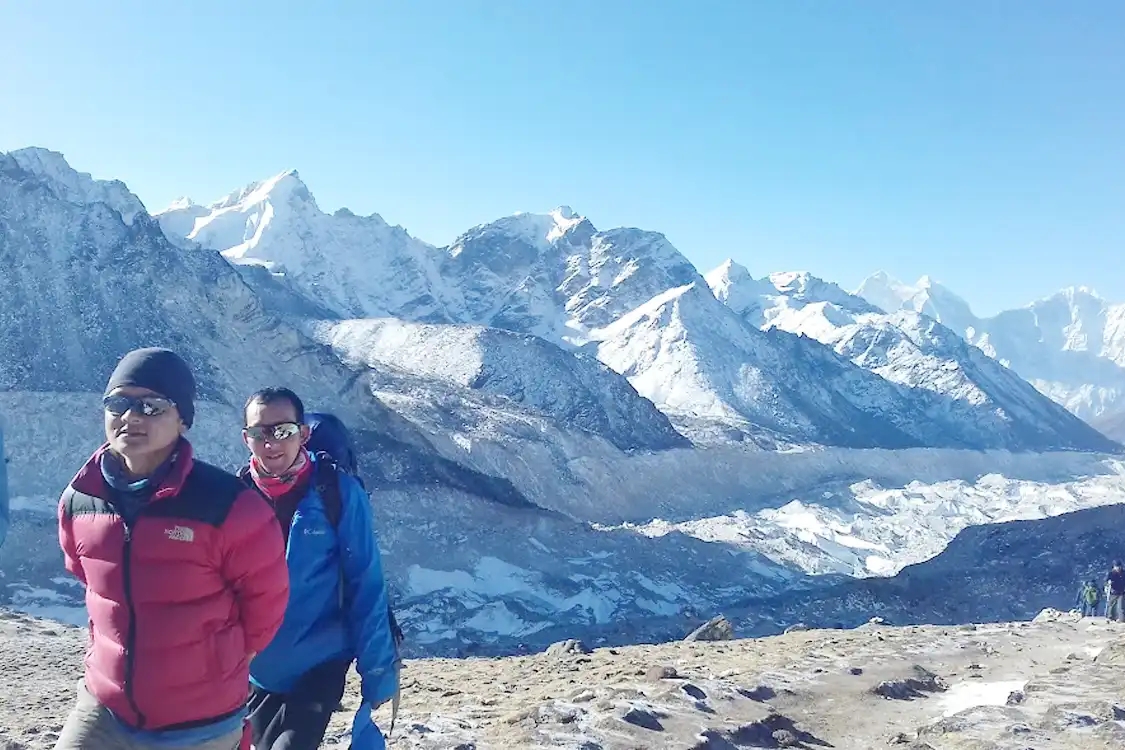
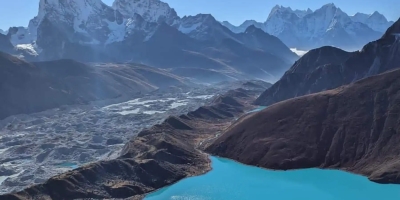
Up high, sharp summits tower over ice rivers and lowlands, forming a view many recognize right away. From below, snow-covered tops pierce the sky while frozen flows carve through deep cuts in the land.
Spinning prayer wheels line the path through the Everest area, where life ties closely to Sherpa traditions and Buddhist ways. Chortens painted bright stand at village gates. Mani walls stretch far, their carved stones speaking quiet guidance to those who pass by.
Folks live close to the mountains, their days shaped by visitors, climbing routes, trail customs. Over stony trails, yaks trudge forward under heavy loads. Inside low wooden shelters, meals come slow - lentils, wheat strips, broth laced with garlic - enough to warm a tired body high up where air thins. Wilderness meets tradition here, turning each step into something deeper than sightseeing. A journey where peaks and people shape the path together.
Back down from the top spot, the path unwinds just like it came - through Namche, then Phakding, all the way to Lukla. Going downhill moves quick, light on the feet, thoughts drifting slow behind each step.
Down lower, trees take on a deeper shade of green, while the breeze carries more life. As elevation drops off, rest comes easier, bodies feel stronger again. That last evening in Lukla tends to hum with quiet joy, travelers quietly recalling what it took to get here.
High above the ground, the journey toward Kathmandu unfolds beneath a sweeping skyline of mountain tops. Nowhere else do ridges extend so far, vanishing only where sky meets land. From the window, the sight lingers long after departure.
Beginning at Lukla, this journey climbs through rhododendron forests and stone-walled villages into thinning air where prayer flags flutter above trails. Reaching Namche Bazaar introduces travelers to bustling market rhythms nestled between steep slopes. From there, paths rise toward Tengboche Monastery, its courtyard echoing with chants each morning. Though shorter than full Everest routes, altitude plays a role - pace matters more here than distance suggests. Trekkers meet yak caravans on narrow ledges, pass chortens lined with mantras, and sleep in lodges warmed by wood stoves.
Culture surfaces in butter tea offered after cold descents, in children waving along switchbacks. Weather shifts fast; skies clear suddenly then cloud in without warning. Each step builds respect - not just for height, but for communities thriving in harsh terrain. Preparation includes sturdy boots, layered clothing, and patience when storms delay flights back to Kathmandu.
Moderate in difficulty, this journey fits those who have solid stamina and a bit of trail time behind them. Walking four to seven hours each day across bumpy ground with steady climbs marks the daily routine. Though steep drops or ropes are not part of the route, high elevation makes effort rise over time. Because air grows thinner up there, bodies need slow adjustment throughout the trip. Keeping a pace that allows recovery helps avoid health issues linked to height. For a detailed guide on the difficulty of trekking to Everest Base Camp.
At around 3,780 meters - or roughly 12,401 feet - trekkers reach one of the highest spots near Everest Viewpoint; meanwhile, Tengboche lies slightly higher at 3,800 meters (12,467 feet).
Though neither elevation matches that of Everest Base Camp, breathing becomes harder here because less oxygen fills each breath. People often notice trouble catching their breath, dull head pain, or a heavy sense of tiredness. Staying well-hydrated, eating enough, and allowing time to recover matter greatly under these conditions. When mild symptoms appear, most find relief simply by slowing down and listening closely to advice from seasoned guides familiar with mountain rhythms.
Beginning deep inside Sagarmatha National Park - a place honored by UNESCO - this journey moves slowly across protected terrain. Anyone walking here needs both a TIMS card and park entry pass, documents typically handled by travel agencies on behalf of hikers. Enforcement is constant, not just for order but because delicate ecosystems demand care. Safety, too, depends on these rules being followed without exception.
Clear skies and mild weather mark March through May, offering strong visibility of high peaks before summer rain arrives. September to November follows with stable air after monsoon clouds pass, ideal for long-distance sightlines across ridges. December into February shifts colder, where frozen paths appear alongside shorter daylight hours. Snow buildup sometimes blocks higher routes during these months. June until August delivers persistent downpours, raising risks on steep slopes due to shifting earth under wet soil. Leeches emerge more frequently in shaded woodland zones once rainfall begins. Trails here become harder to navigate safely when drainage weakens beneath constant moisture.
Most paths rely on small guesthouses offering shelter, food, and blankets. Though comforts shift from village to village, travelers often find modest sleeping spaces, restrooms used by many, scarce heated water, occasionally just icy spray - especially up high. These stops open doors to real exchanges - with Sherpa families, fellow walkers passing through. A bed here means more than rest; it brings closeness to mountain life.
Most meals during the trek come provided, often featuring regional options like Dal Bhat - lentils served with rice - as well as soups, noodles, or pasta. Though eating poses little risk, drinking straight from taps isn’t wise; instead, opt for boiled or treated water. A refillable container paired with purification tablets makes staying hydrated both safer and more sustainable.
Respect shapes daily life in the Khumbu area, where Buddhism guides most routines. Visitors often find that avoiding contact with prayer wheels, sacred buildings, or ritual items shows awareness.
Modest clothing tends to blend better with community norms. Locals usually notice when travelers ask first before taking photos. A quiet “Namaste,” offered with sincerity, goes far.
While the trek is generally safe, trekkers should:
A small medical pack should be part of your gear, filled with remedies for nausea or dizziness caused by elevation changes. Pain relievers can handle sudden head discomfort during long hikes. Digestive troubles might arise - pack something mild to settle the stomach when needed.
Facing chilly evenings means expecting shifts in conditions when climbing upward. While elevation rises, so does the chance of surprise drops in temperature.
Move at the pace your guide suggests, letting body adjustments happen step by step. Hydration stays key throughout each stage of ascent. Acclimatization follows naturally when timing aligns with rest stops built into the climb.
At higher elevations, skipping alcoholic drinks helps reduce the chance of becoming dehydrated. Risks tied to elevation rise when alcohol is consumed.
On the trail, mobile signals are often weak. Though certain teahouses provide internet access, connections tend to lag or drop unexpectedly. A regional SIM might help - alternatively, a satellite device works during urgent situations.
Starting early means packing light - just water, snacks, a thermal layer, sunscreen, and a camera in your daypack. Porters handle bulk items, so personal bags stay lean. Footwear must support rough trails; proper boots are non-negotiable. Cold demands preparation: gloves, insulated clothes, a hat, and UV-protected eyewear come along every time. Adjusting warmth happens through layers, added or removed as sunlight shifts. Ending at dusk often reveals how much temperatures drop after noon. Emergency Procedures
Should an accident happen during a trek, those leading or supporting the group know how to help. Help might mean arranging transport by air or road when needed. Insurance that includes emergency medical transport makes sense here. Without it, reaching care could become complicated.
Sagarmatha National Park and surrounding areas are fragile ecosystems. Trekkers should:
Start by removing every bit of garbage. Instead of disposable containers, choose reusable options whenever possible.
Following marked paths helps reduce damage to ground layers. Trails already exist for a reason - use them to limit disruption. Walking only where others have walked keeps surrounding areas intact. This simple choice slows down land breakdown over time.
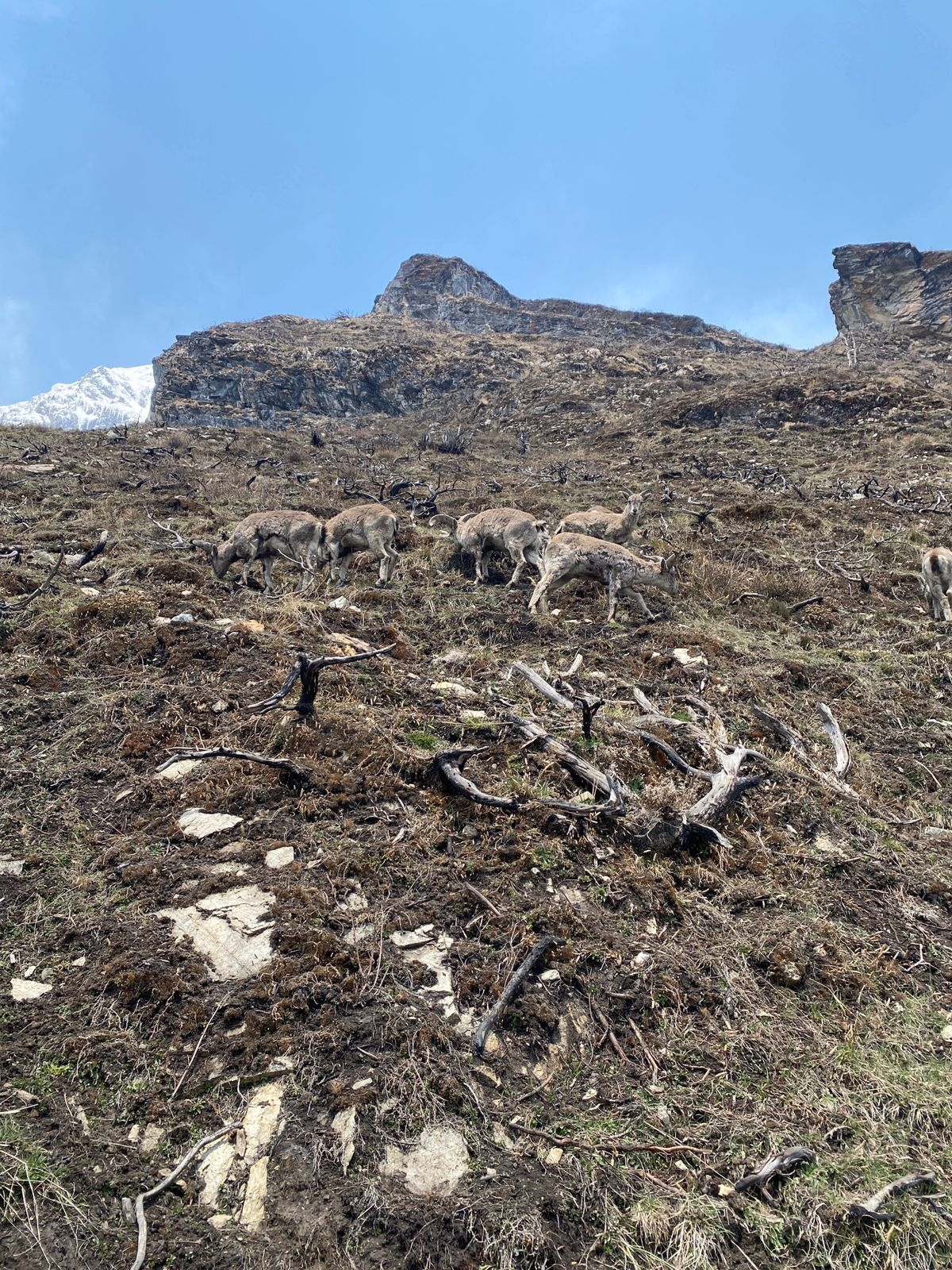
Leave animals undisturbed while moving through natural areas. Respect plant life by staying clear of native growth.
Upon arrival in Kathmandu, you will be welcomed at the airport and transferred to your hotel. The rest of the day is free to rest or explore the lively streets of Thamel. In the evening, there will be a short trek briefing and final preparation for the Lukla flight.


An early morning scenic flight takes you to Lukla, offering stunning Himalayan views. After meeting your trekking crew, the trail descends gradually through Sherpa villages and pine forests. You cross suspension bridges over the Dudh Koshi River before reaching Phakding. The walk is relatively easy and helps you adjust to the altitude.
Today you enter Sagarmatha National Park and follow the river valley, crossing several suspension bridges including the famous Hillary Bridge. After lunch, a steady uphill climb through forest leads to Namche Bazaar. On clear days, you may catch your first glimpse of Mount Everest. Namche is the vibrant Sherpa capital with shops, cafes, and mountain views.
This is an acclimatization day. A short but steep hike brings you to the Everest viewpoint near Everest View Hotel, where you enjoy panoramic views of Everest, Lhotse, and Ama Dablam. After returning to Namche, you can visit the Sherpa Museum or relax at a café while adapting to the altitude.
The trail follows a scenic ridge with incredible mountain views before descending to the river at Phunki Tenga. From there, a gradual uphill climb through rhododendron forest leads to Tengboche. Visit the famous Tengboche Monastery, the spiritual center of the Khumbu region, set against a dramatic Himalayan backdrop.
After enjoying a morning mountain view, descend through forests and cross the river before climbing gently back to Namche. The return walk feels easier as your body is acclimatized. Spend the evening relaxing in Namche.
Follow the Dudh Koshi River through Monjo and Phakding, retracing your route. The trail is mostly downhill with a final gradual climb to Lukla. This is your last trekking day and often a celebratory evening with your team.
Early morning flight back to Kathmandu with final aerial views of the Himalayas. Transfer to your hotel and free time for shopping or relaxation.
Transfer to the international airport according to your flight schedule. Your Everest Short Trek concludes with unforgettable Himalayan memories.
A journey through the Everest Short Trek blends rugged exploration with village traditions and sweeping mountain views - perfect for those stepping into high-altitude travel for the first time. Because shorter routes still deliver deep encounters, many choose this path when drawn to the Himalayas but held back by time or physical limits. When travelers follow local customs and trail safety practices, their impact stays low and moments stay meaningful. Through careful pacing and awareness, each step unfolds among rhododendron forests, stone-walled monasteries, and peaks dusted with snow.


Airport Pickup and Drop-off in Kathmandu
30-minute Scenic Flights: Kathmandu ↔ Lukla
Accommodation
All Meals on Trek
Experienced English-Speaking Guide and Porters
Trekking Map and Water Purification Tablets
Farewell Dinner in Kathmandu
Insurance for Guides and Porters
Support from a Professional Trekking Agency
International Flights to/from Nepal
Nepal Visa
Personal Expenses
Optional Activities in Kathmandu
Extra Accommodation
Gear Rental Not Included
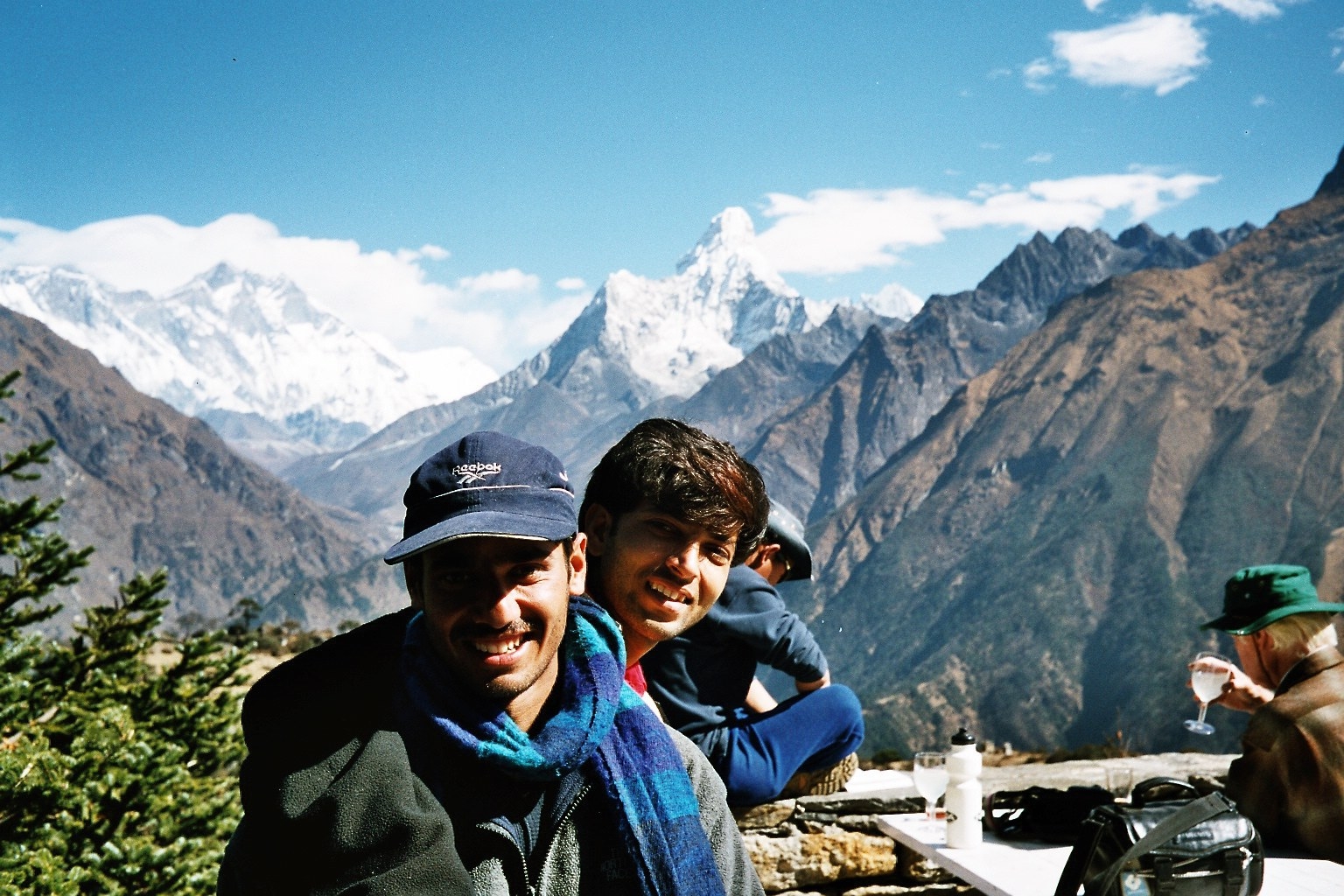
Dhruba Bhatta guided me from Kathmandu to Lukla, Namche and Everest View in 2003. He carried my backpack and was really nice. I included a picture of Dhruba.
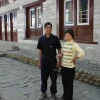
Our Everest Short Trek with Adventure A One Treks was an unforgettable journey filled with stunning mountain views, beautiful Sherpa villages, and incredible Himalayan scenery. Even in a short time, we were able to experience the beauty and culture of the Everest region while enjoying peaceful trails and breathtaking landscapes. Special thanks to Hari Tamang for his excellent guidance, friendly support, and professional service throughout the trek. Everything was well organized, making the trip smooth, comfortable, and truly memorable.
We had a fantastic experience on the Everest Short Trek with Adventure A One Treks. The trek offered spectacular views of the Himalayas, charming mountain villages, and a great introduction to the Everest region in a shorter itinerary. Every day was filled with beautiful scenery and memorable moments. A big thank you to Hari Tamang for his kindness, support, and excellent management throughout the journey. Highly recommended for anyone looking for a short yet rewarding trekking experience in Nepal!
The Everest Short Trek with Adventure A One Treks was an incredible journey filled with breathtaking Himalayan views, beautiful Sherpa villages, and unforgettable mountain scenery. Even in a short time, we were able to experience the beauty and culture of the Everest region while enjoying peaceful trails and stunning landscapes. The entire trip was perfectly organized, making the trek smooth, comfortable, and enjoyable from start to finish. The staff was professional, friendly, and always supportive throughout the journey. Seeing the magnificent views of Everest and surrounding peaks was truly a memorable experience. I highly recommend this trek to anyone looking for a short but rewarding Himalayan adventure in Nepal.
My Everest Short Trek with Adventure A One Treks exceeded all expectations. The trek offered amazing mountain views, charming local villages, and a wonderful introduction to the Everest region. Every day brought beautiful scenery and a peaceful trekking experience surrounded by the Himalayas. Everything during the trip was very well managed, including accommodation, meals, transportation, and trekking arrangements. The team was experienced, caring, and always ready to help, making the journey safe and enjoyable. This trek was the perfect choice for experiencing the magic of Everest in a shorter time, and I would happily recommend Adventure A One Treks to anyone visiting Nepal.
Base Layers Moisture wicking T shirts Thermal Tops Bottoms
Mid Layers: Fleece jacket or pullover
Trekking Shorts / Pants: Lightweight, quick-dry
Quick-dry towel Hand sanitizer
Accommodation during the trek is provided in lodges and tea houses. Rooms are basic and generally provide two beds and a shared toilet.
Not really, but you have to make a permit for Sagarmatha National park and the village development committee. You will need to have a good level of fitness and be prepared for cold temperatures at higher altitudes. You will also need to bring appropriate clothing and supplies for the trek.
A journey of roughly eight to nine days unfolds once you land in Kathmandu - this span covers air travel to Lukla, time spent walking through mountain trails, then heading back to the city. How long it feels depends on pace, weather, even how altitude plays out for each person. Days blend slowly when paths rise steep; rest stops matter more than clocks. Even so, most follow a rhythm that fits within this window.
Cool months from March to May bring sharp visibility, gentle weather, low humidity - ideal for long-distance sightlines across peaks. September through November share similar advantages: crisp air, unbroken sunlight, firm ground underfoot. Cold settles in during winter, limiting access and comfort at higher elevations. Rain arrives forcefully between June and August, soaking paths, encouraging mudslides, obscuring ridgelines.
| No of people | Price per person |
|---|---|
| 1 - 1 | $1,350 |
| 2 - 4 | $1,219 |
| 5 - 9 | $1,124 |
| 10 - 20 | $1,099 |

| No of people | Price per person |
|---|---|
| 1 - 1 | $2,175 |
| 2 - 5 | $1,890 |
| 5 - 10 | $1,799 |
| 11 - 20 | $11,729 |