
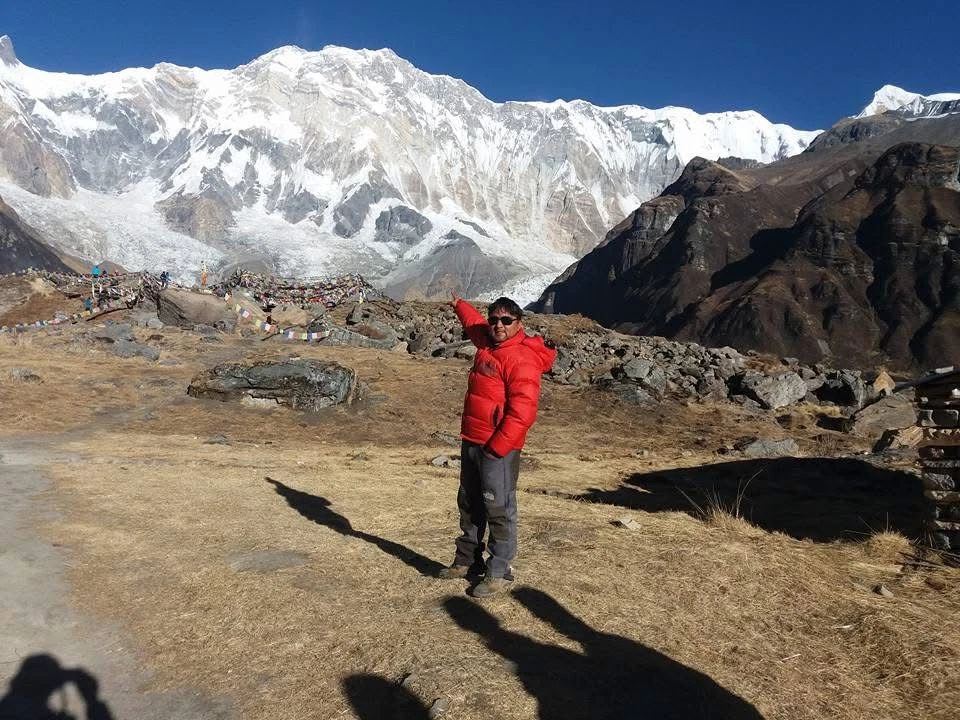
Dreams of Nepal pull in climbers, those drawn to old traditions, and people who crave wild landscapes. Towering mountains rise beside crowded city lanes, while quiet jungles hum with animals near Chitwan. Every moment there feels sharp - full of energy, yet never quite steady. Rough trails twist through steep valleys; thin air waits up top, ready to surprise unprepared lungs. Sometimes roads close without warning, skies shift fast, or towns pause under sudden unrest. A solid travel plan includes more than maps - it holds backup options when things tilt sideways. Insurance isn’t paperwork. It becomes shelter when illness hits far from home. Money stays safe.
Worries ease. You keep moving.
Picture this: mountains calling, temples whispering history, rivers roaring below cliffs - Nepal waits. Yet before boots hit trail or planes touch down, one thing quietly matters more than most think. Coverage shifts when altitude climbs past safe zones, when rapids turn wild, when remote villages replace city lights. Most plans treat these moments like afterthoughts - if they see them at all. Some guard against evacuation costs others skip entirely; few handle helicopter lifts from hidden valleys. Choosing right means reading fine lines, not flashy promises. Names pop up often: World Nomads, IMG, True Traveller - not because they shout loudest but because hikers name them mid-sob after spraining ankles near Lukla. Real talk arrives soaked in monsoon rain, stuck overnight without help coming fast. One traveler forgot medical add-ons, paid $400 out loud at a Kathmandu clinic. Another waved paperwork under a guide’s nose, walked away calm while chopper blades spun nearby. Details hide where people rush - word limits on claims, cutoff heights for treks, delayed flight rules buried in PDF pages. Match policy rhythm to trip heartbeat. Let small print soothe big fears. Then breathe. Look east toward Annapurna knowing backup exists if sky falls
This guide pulls from deep research on what’s happening now in travel insurance through 2026,
using solid info from trusted industry voices. Begin here.
A trip to Nepal changes everything you thought about holidays. Though famous for jaw-dropping views and kind people, it brings hurdles that mean skipping travel coverage is out of the question. Starting in 2026, every visitor must show an insurance policy at arrival - proof it includes emergency evacuation, medical care, recovery efforts, plus related costs through their entire visit. Not some pointless rule made up by officials - it’s there because danger hides in high trails and remote valleys.
High up in Nepal, shifting ground shapes the land unpredictably. Monsoon rains arrive each year between June and September, bringing swollen rivers, sliding earth, and sudden storms. When quakes ripple through these mountains, snow often breaks loose without warning. Remote trails may become blocked, leaving people isolated far from help. Moving fast at elevation carries its own danger - bodies react poorly beyond 3,000 meters sometimes. A pounding head or queasy stomach might mean it is time to go down right away.
Unrest makes things more complicated. That September in 2025 saw crowds filling streets across Kathmandu and Pokhara - what began as shouting ended in bloodshed, broken glass, nights locked down. Come January next year, quiet returned, yet sparks remain hidden beneath the surface, ready to delay flights or reroute trips without warning. Theft isn’t common but small losses happen: a wallet vanishes near bus stations, bags go missing at arrival gates, phones slip from pockets on crowded rides. Women moving alone might face unwanted words, stares that linger too long, moments best walked away from fast.
Twisting mountain paths define much of Nepal’s road network. These routes tend to be tight, uneven, rarely repaired. Crashes happen a lot - too many vehicles carry extra weight, drivers speed without care, rules barely exist. Shared transport like buses or minibuses? Risk runs high there. Travel after dark? Most choose to avoid it. Far from cities, clinics are few and far between. If someone gets hurt, getting out might mean a helicopter ride. That kind of rescue eats up huge sums when coverage isn’t in place.
Upset stomachs often hit travelers who eat new foods or drink local water. When Kathmandu's air gets thick in some months, breathing becomes harder for some. Trekking, rafting, or flying under a canopy adds risk - twist an ankle far out, evacuation by helicopter might follow, costing thousands.
Picture facing huge bills or waiting too long for help if something goes wrong far from home. Take U.S. health plans - they usually ignore medical needs abroad, especially in places like Nepal where they hold no weight. Step in travel insurance: it handles sudden health crises, rescue missions, canceled trips, among other surprises. This kind of backup turns uncertain moments into managed ones.
Entering Nepal requires insurance that covers up to $50,000 for sudden health costs, along with $100,000 specifically for emergency transfers out of remote areas. Your plan needs to stay active every single day of the visit, including protection if another outbreak like COVID-19 happens - rules got looser after 2025, but some basics remain. If hiking is on the list, expect extra requirements; most basic plans skip risks tied to extreme heights, especially past 4,000 meters.
High-elevation travel demands a separate clause because typical agreements simply won’t touch those conditions.
Without proper coverage, travelers might face blocked access or trouble when help is needed fast - especially if bills must be settled on the spot. A copy of your plan, either online or on paper, should stay within reach at all times.
Expect differences between travel insurance options. For Nepal, pick broad coverage matching local challenges. Key protections include medical emergencies tied to high altitudes. Evacuation by helicopter often matters most here. Coverage for trip cancellations helps when flights get disrupted. Lost baggage support becomes useful on remote trails. Always check if trekking above certain elevations is included. Some plans exclude extreme sports or climbing. Look closely at hospital payment processes abroad. Policies sometimes require upfront costs. Read the fine print about pre-existing conditions too. Natural disaster delays are worth considering. Weather in mountain zones changes fast. Make sure search and rescue services are clearly listed. Few insurers offer automatic extensions during crises
When you get sick or hurt, this pays for care like overnight hospital trips, appointments, a visit to a clinic, plus medicine. Aim for coverage of 50,000 dollars minimum. That amount matters because quality medical centers in Nepal aren’t common - and they cost a lot if you’re visiting from another country.
When health emergencies strike far from home, getting moved to a proper hospital might need a helicopter ride. Moving someone back to their country can cost more than fifty thousand dollars, especially if it is the United States. Experts usually say having at least one hundred thousand dollars in coverage makes sense. The price depends on distance, method, and medical needs during travel.
When it comes to altitude sickness, coverage must match where you're headed - say, 6,000 meters near Everest Base Camp. Often, insurers leave out risky adventures unless extra options are picked. Hiking, rafting, even paragliding - they count among more than 250 possible add-ons. Each policy handles them differently.
When sickness strikes or storms hit, get back what you paid. Should plans fall apart because of earthquakes or uprisings, money isn’t lost. If travel stops early under certain conditions, reimbursement follows. Covered events open the door to refunds. Every dollar spent might come back, fully. No fine print traps - just clear recovery when things go wrong.
When your trip gets held up due to storms, worker actions, or vehicle troubles, this part helps pay for extra costs. Meals and places to stay might be included. A set amount each day is commonly offered.
Luggage goes missing. Money back kicks in when bags are gone, taken, or late. Trekking poles might vanish too - list them clearly. Cameras count as special items, so name them outright.
Around-the-clock help stands ready when things go sideways. Need a doctor's voice, someone to translate words, or aid in sorting plans? These lines stay open. Calls land where they should, anytime. Voices answer, even at odd hours. Help moves fast if needed. Lines connect people who know what comes next.
Cancellation worries? This add-on steps in when standard policies fall short. It picks up to three- quarters of your tab, even if the reason isn’t usually included. Think of it as breathing room - just in case plans shift unexpectedly. Not automatic, but available if you want extra leeway. The protection kicks in regardless of why you back out.
Nowadays, plenty of plans cover trip changes tied to outbreaks or health troubles brought on by pandemics. While some insurers stayed cautious at first, others adapted quickly - offering help when travel plans fell apart unexpectedly due to widespread illness.
Many policies skip coverage for things like health issues you already had, skydiving unless extra paid, or accidents caused by ignoring rules - say, hiking remote trails alone. Details hide in the small wording on page ten.
Some days start at just one dollar when you pick simple health plans. A couple weeks of broader protection might take two hundred or even three hundred dollars instead. Older travelers often see higher prices show up on their quotes. The longer the journey lasts, the more it tends to add up. Coverage caps play a role too - bigger limits mean bigger numbers. If climbing mountains above certain heights is part of the route, expect adjustments. Risk shifts when altitude climbs, so do premiums. Most people heading into Nepal land near two forty-two bucks for typical outings.
Choosing what works means looking at how you travel, what you can spend, going through possible problems. Step one: figure out if it is short getaway or long journey. Next comes checking numbers that fit your savings. Then think about where things might go wrong. After that review what each plan covers clearly. Finally compare options without rushing the choice
A quick trip through local culture? Stick to essentials. Spending weeks on rugged trails? Think altitude readiness plus emergency exit plans. What you pack shifts with how long you stay.
Adventures include trekking through high valleys, while climbing steep rock faces might come next. Rafting down fast rivers often follows, especially where water cuts deep gorges. Coverage reaches 6,000 meters when routes go higher, sometimes beyond usual limits. High elevation demands planning, which means gear checks happen early. Routes change when weather shifts suddenly, so flexibility matters most.
Traveling alone often means wanting extra help along the way. Those without a group tend to rely more on support systems. Sometimes, going solo brings added challenges that shared trips avoid. Assistance becomes more valuable when there is no companion nearby. Independent journeys can demand stronger backup options.
Use comparison sites to evaluate:
Half of fifty thousand dollars helps pay hospital bills if you get sick far from home or inside Kathmandu clinics. When helicopters come to pull someone out, it often costs twice that amount
- so one hundred thousand gives room to breathe. Unrest shakes the roads now and then; full trip cost coverage keeps savings safe when plans collapse. Six kilometers high is where trails lead - insurance must stretch that far for mountain paths above tree lines. Some policies include risky moves right away, others need extra paper signed before flying through air on a wing.
Check provider reputation
Start by checking top scores - sources like U.S. News often list Travelex, Seven Corners, and World Nomads among the highest ranked. When it comes to how fast claims get handled, customer feedback tends to reveal more than star ratings ever could.
Waiting too long might cost you coverage if something already happened. Those plans that let you add time later? They fit trips that change often.
Most times, credit card coverage falls short when facing Nepal’s unique challenges.
Last thing to check: does it skip coverage when pandemics hit? Or during riots and public chaos?
When heading out, U.S. travelers might look into World Nomads or Allianz. These options often fit well for those leaving the country.
Top picks come down to what they cover, how much they charge, then what people say afterward. One stands out when you line them up side by side
A wild range of sports finds coverage here - over two hundred fifty count. High climbs too, even near six thousand meters tall. Rescue by air? Included without surprise. Policies shift easily when travel changes. Cancelation fears fade with added options. Price tags land between one sixty and two fifty bucks per fortnight. What stands out: built for thrill seekers who roam far longer. Yet wallets feel heavier after sign up.
Starting at ninety-five dollars, SafetyWing suits remote workers on the move. High altitude treks? Standard cover goes to 4,500 meters - beyond that needs extra options. Adventure seekers get protection during intense outdoor activities through added clauses. Payments renew each month without long commitments. Service spans nearly every country you might land in. Yet missing one common feature: cancellation flexibility before departure. Price range stays between ninety-five and a hundred fifty per cycle.
Covered by Allianz Global Assistance, medical protection goes up to 5,500 meters. Emergency evacuation can reach a million dollars in value. A plan such as OneTrip Prime costs more than two hundred bucks. Benefits include strong financial caps plus children are included at no extra charge. On the downside, very high elevations aren’t protected unless extras get added on.
Starts strong - Travelex earns top marks across the board. Protection kicks in for canceled trips, health issues too, up to fifty thousand dollars. Families find it fits well; price lands between seventy-eight and one hundred sixty bucks. Costs stay low, claims move fast - that helps. Adventure travelers might feel left out a bit. Ends on practical notes.
Starting off with something that fits travelers from Europe or Asia - this one stands out. Costing between a hundred and two hundred bucks, it lines up well price-wise. Medical coverage hits half a million dollars, which covers treks up to five thousand four hundred meters high. One strong point? It includes emergency airlifts when needed most. Flexibility shows up clearly in how plans adapt to changes. Yet here's the catch - it operates outside the United States. That detail might shift things depending on where you're coming from.
Compare using tools like Squaremouth or InsureMyTrip.
One person found peace after a storm ruined their home. A different story shows how a sudden illness changed everything - coverage helped cover costs. Another time, someone avoided big bills when an accident happened far from home. These moments reveal what protection might mean during tough times
Midway up the Annapurna trail, one hiker fell ill above 4,900 meters. With no coverage, a rescue flight would have hit five grand. Yet World Nomads paid every dollar, even the medical bills
afterward. Their words? “It kept me alive - and didn’t empty my bank.”.
Back in 2025, protests broke out in Kathmandu - plans fell apart fast. A travel group scrapped their trip because of it. Thanks to Allianz coverage, flight costs came back. Hotel charges too, adding up to three grand. One traveler mentioned they managed a new date. Money stayed intact
Midyear, scammers pulled off phony rescue ops - nearly twenty million in false payouts. One person stayed calm, checked coverage details before reacting. Truth came out through a quick call to the provider. That pause made all the difference.
A broken ankle happened when a rafter fell. The trip out plus medical care added up to ten thousand dollars. Payment came fast from Travelex. They said handling it felt clear, no confusion.
One thing stands clear - going with well-known companies makes filing easier. What matters most? Smooth processes when it counts. Names you trust tend to deliver then.
Browsing at home? National rules often mean broader protection. Elsewhere, choices can shrink fast.
Start recording each detail. Save every receipt, snap pictures, hold on to reports - needed when filing a claim. What you gather today might matter tomorrow. Paper trails prove useful later.
Capture it all, even if it seems unnecessary now.
Walking through trails? Some rules say you must have an official guide nearby. Not every path allows solo trips - check what applies where you go.
Start by storing the insurance provider’s round-the-clock number. Let your relatives know about your coverage details. A quick call now helps later if things go wrong. Someone close should always be in the loop. That contact might matter most when time is short.
Stay more than expected? Renew your access through the website. Lengthen without hassle by updating details online.
Pills tucked away, just in case - don’t forget shots before you go. A small pack holds what might help if something comes up. Traveling means planning ahead quietly. Stomach troubles or headaches could show, so be ready without fuss.
Watch out for scams. Stick to known providers when getting help. If an evacuation feels off, walk away instead. Unknown groups might push services you do not need.
A journey through Nepal needs protection - think of travel insurance as your backup when things get rough. Knowing what could go wrong, what gets covered, knowing who offers solid plans helps pick one that fits how you move. When climbing high trails or walking among old temples, having support means small issues stay small. The correct plan keeps surprises from becoming disasters.
Start thinking ahead. Reach out to World Nomads or Allianz now for pricing details. Wishing you a secure journey to the highest place on Earth.
About eight thousand two hundred words here. Based on numbers from 2026 - check what’s needed now before deciding anything.