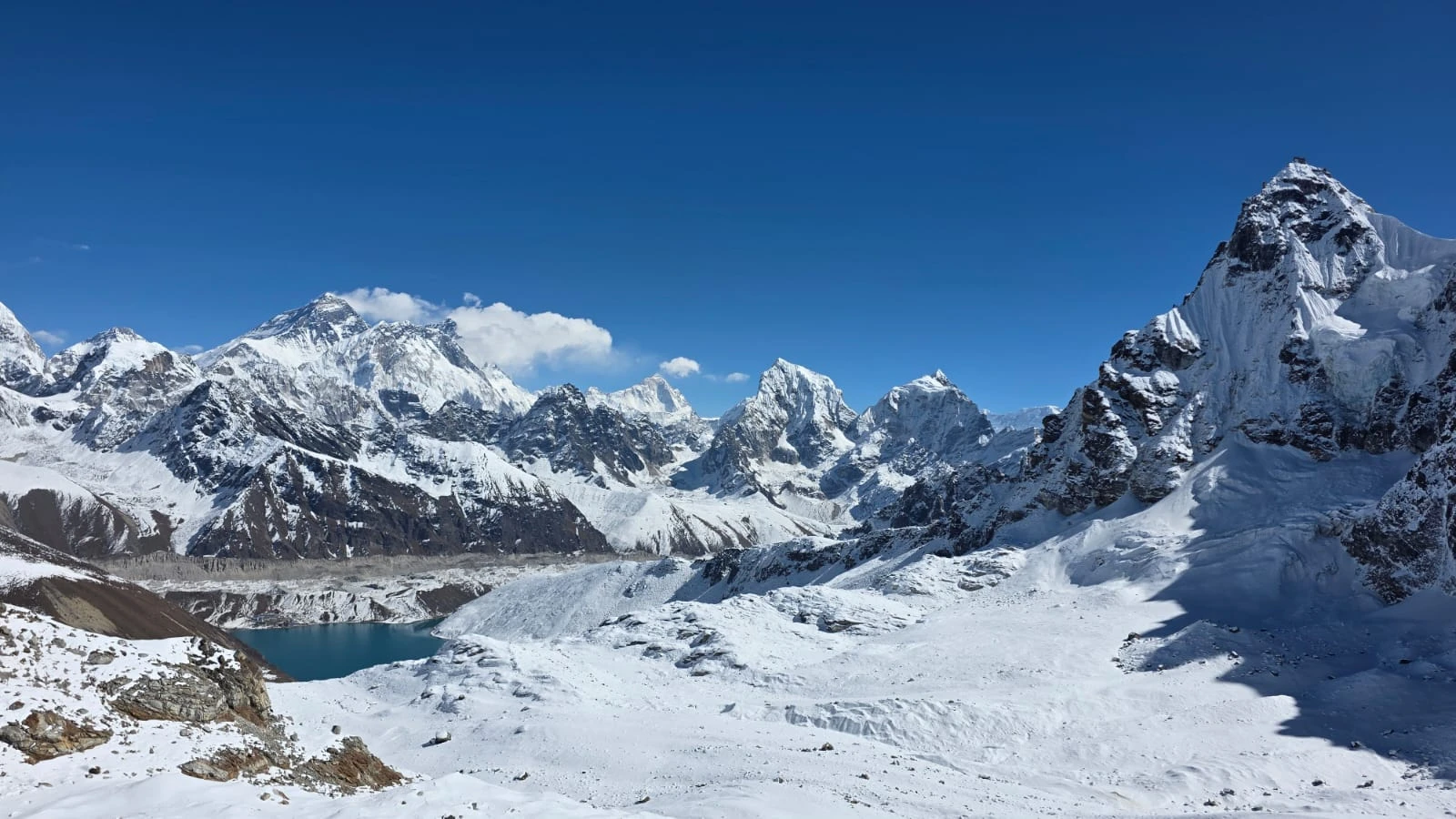
The Everest Base Camp Trek isn’t just famous in Nepal—it’s basically the trek everyone dreams about when they picture the Himalayas. It’s way more than just a long walk. You drop right into the heart of the Khumbu, where massive peaks loom all around, Sherpa culture feels alive in every village, and mountaineering legends echo in the thin air. You walk right in the shadow of Everest, or Sagarmatha as locals call it—the tallest mountain anywhere. But honestly, the trek’s about more than jaw-dropping views. It’s about feeling like you’re part of something bigger, both in nature and in culture.
People stop all the time along the trail, just to soak in the views—Everest, Lhotse, Nuptse, Ama Dablam, and a whole lineup of other giants. No surprise it’s one of Nepal’s most beautiful hikes. The trip kicks off with a wild flight into Lukla, then you’re off, winding through forests of pine and rhododendron, past rivers and wild suspension bridges covered in prayer flags. Bit by bit, the green fades away and you’re out in the open, in a world of rock and ice.
Once you start gaining altitude, you pass through Sherpa villages like Namche Bazaar, Tengboche, Dingboche, and Lobuche. Life here revolves around ancient monasteries, trading goods, and—of course—the endless pull of the mountains. Unlike some lonely wilderness treks, this region is buzzing with stories. You see climbers swapping tales in teahouses, yaks trudging by with supplies, prayer wheels spinning, monks chanting in old gompas. You really feel the Tibetan Buddhist roots—mani walls, chortens, and the warmest hospitality from the Sherpa people.
The higher you climb, the wilder it gets—snowy peaks everywhere, sky so blue it barely looks real, and valleys carved by glaciers ages ago. It’s tough, no question, and the altitude makes it even more of a challenge. But it’s the kind of challenge that gets under your skin. When you finally stand at Everest Base Camp, or climb up Kala Patthar to catch the sunrise over Everest, it hits you—it’s not just about strong legs. You need patience, respect for the altitude, and a willingness to unplug from the rest of the world and just move to the rhythm of the mountains.
If you’re after a real Himalayan adventure—one with high passes, epic views, and deep culture—the Everest Base Camp Trek is still the classic. It’s the tea-house trek that everyone talks about, and for good reason.
Lukla (2,800m) – The Gateway to the Everest Region
Lukla is where it all kicks off. The Tenzing–Hillary Airport has a reputation—that runway clings to the mountainside and gets your heart going before you even start trekking. Lukla itself buzzes with energy: stone lodges line the narrow lanes, bakers sell warm bread, prayer flags flap in the wind, and trekking shops have last-minute gear. Porters and guides get their loads sorted while yaks plod by, and trekkers mill around, equal parts nervous and excited. Even with its modern shops and lodges, Lukla keeps its Sherpa roots strong—you feel the mountain culture everywhere.
Phakding (2,610m) – Gentle Introduction to the Khumbu
Phakding is quiet and sits right by the Dudh Koshi River—a good place to ease into the trek. The trail wanders through pine forests, over suspension bridges loaded with bright prayer flags, past mani stones and little Buddhist shrines. It’s calm here. The sound of the river and the smell of pine set the mood, and your body gets a gentle start on adjusting to the altitude. The landscape already feels unmistakably Himalayan.
Namche Bazaar (3,440m) – Cultural and Commercial Heart of Khumbu
Namche is the real hub of the Everest region. Tucked into a natural amphitheater, the town looks out toward snowy peaks and feels like the crossroads of tradition and modern life. Trekkers sip coffee in bakeries, pick up supplies in gear shops, and browse local markets. Prayer wheels spin, and monasteries sit right next to mountain hardware stores. Namche isn’t just a stopover—it’s where you soak up mountain culture, get your first big views of Everest, Lhotse, and Ama Dablam, and let your body catch up to the altitude. The town’s museums share stories about legendary climbers and early Everest expeditions, reminding you you’re walking in the footsteps of history.
Everest Viewpoint / Everest View Hotel (3,780m) – First Glimpse of the Giant
This is the first real payoff. Hiking up to the Everest Viewpoint, you finally see Everest itself, with Lhotse, Nuptse, and Ama Dablam standing guard. The air’s thin, prayer flags flutter, and all around you, the mountains stretch on forever. It’s a stunning sight. For most trekkers, this moment sticks with them—the first time Everest appears, massive and remote. Plus, this hike is a key part of getting your body used to the higher altitude.
Tengboche (3,800m) – Spiritual Sanctuary of the Himalayas
Tengboche feels sacred. The monastery sits above the trees, looking out over Ama Dablam and Everest. When the monks chant in the evenings and incense drifts through the cold air, the place goes quiet and thoughtful. You feel the connection between the Sherpa people, the mountains, and their Buddhist faith. Tengboche is a good place to pause and reflect, surrounded by dramatic peaks and ancient traditions.
Dingboche (4,410m) – Wind-Swept High-Altitude Settlement
Dingboche sits in a wide, open valley above the treeline. Here, the land feels tough and exposed—stone walls protect tiny fields from the wind, and the views of Island Peak, Lhotse, and Ama Dablam are unreal. The air gets thinner, and life slows down. People here live at the mercy of the mountains, and trekkers get a taste of real high-altitude living. Dingboche is a key spot for acclimatization, so you linger a little longer and let the place sink in.
Nagarjun Hill (5,000m) – Acclimatization and Panoramic Views
The hike up Nagarjun Hill isn’t easy. It’s steep, and you’ll feel the altitude, but the reward is huge. At the top, you see Makalu, Lhotse, Cholatse, and Ama Dablam all spread out in front of you. The sense of scale is overwhelming—the mountains seem endless. This climb helps your body prepare for what’s coming and reminds you just how wild and massive the Himalayas really are.
Lobuche (4,910m) – Edge of the Glaciers
Lobuche sits right by the Khumbu Glacier, in a landscape shaped by cold and wind. On the way in, you pass memorials to climbers who didn’t make it home—a sobering and powerful reminder of Everest’s dangers. The settlement’s small, with basic lodges and big views of Nuptse and other peaks. At this height, even short walks feel tough, and everything feels raw and real.
Gorakshep (5,140m) – Last Settlement Before Base Camp
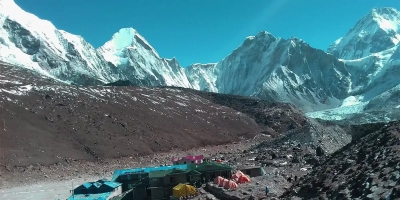
Gorakshep is as high as you’ll sleep on the trek. It’s just a handful of lodges set on a sandy, frozen basin—comforts are few, and the air is razor-thin. Still, everyone’s buzzing with anticipation. This is the last stop before Everest Base Camp itself, and the starting point for the climb to Kala Patthar. The excitement is real, even as the mountains close in and the temperature drops.
Everest Base Camp (5,364m) – At the Foot of the World’s Highest Peak
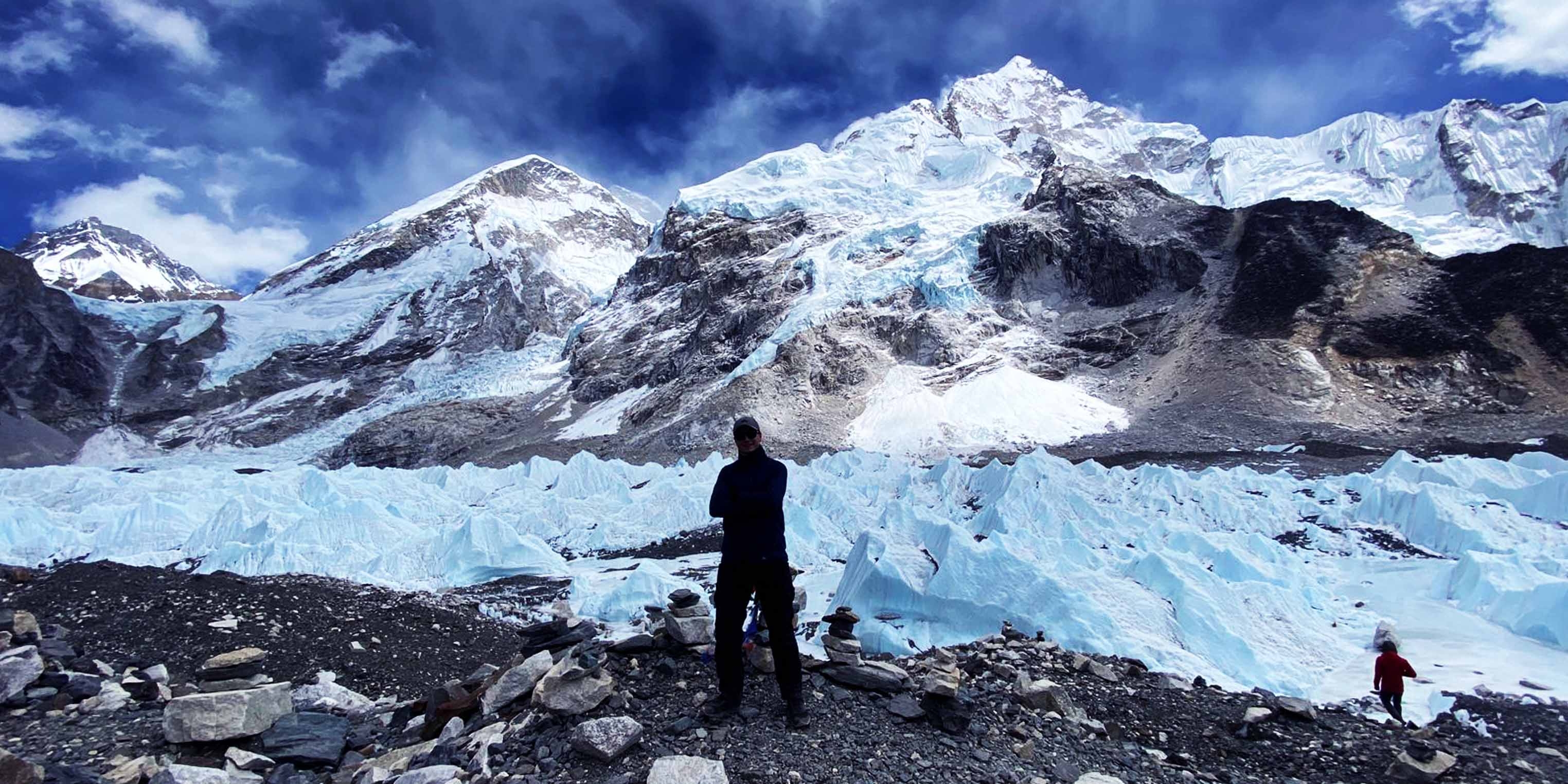
Everest Base Camp isn’t just a stop—it’s the grand finale of the trek. Perched on the Khumbu Glacier, you’re right in the middle of a wild landscape: huge ice towers, massive peaks looming all around. Sure, you can’t actually see Everest’s summit from here, but you feel the mountain’s presence everywhere. In climbing season, the place comes alive with bright expedition tents and the buzz of people who’ve come from all over, chasing big dreams. Base Camp feels heavy with history and achievement. Getting here isn’t just about reaching a spot on the map—it’s about proving you can, standing where legends have stood, and feeling that intense connection to the highest place on earth.
Kala Patthar (5,545m) – The Best View of Mount Everest
Kala Patthar sits higher than Base Camp and, honestly, the view here is what people come for. Climbing up is tough—the path is steep, the air is thin, and your legs are tired. But when you reach that rocky summit, everything shifts. Sunrise or sunset on Kala Patthar paints Everest, Nuptse, and the Khumbu Icefall in gold and pink, and you get that perfect, postcard shot of Everest you’ve seen a hundred times. It’s raw, it’s powerful, and it sticks with you. This is the moment everyone talks about—the real finish line of the journey.
You don’t need a Restricted Area Permit for Everest Base Camp, unlike treks to places like Manaslu or Upper Mustang. But you still have to get two permits before you can head into the Khumbu (Everest) region. These aren’t just paperwork—they actually help fund conservation, keep up the trails, and support the local communities.
Sagarmatha National Park Entry Permit
If you want to step foot inside Sagarmatha National Park—the UNESCO World Heritage Site that protects Everest and the fragile Himalayan ecosystem—you need this permit.
Cost: NPR 3,000 per person (about USD 25)
SAARC nationals: NPR 1,500
Kids under 10: Free
Where to get it:
The money goes toward trail repairs, managing waste, and keeping the park’s wildlife, forests, and glaciers safe.
Khumbu Pasang Lhamu Rural Municipality Permit
This is the local permit, brought in to support the Everest region’s development and to replace the old TIMS card.
Cost: NPR 2,000 per person (about USD 15–20)
Where to get it:
The fee helps pay for things like schools, clinics, trails, and other community projects in Sherpa villages.
It’s not hard to sort out. Most trekking agencies handle all the permits for you, so you don’t have to stress. If you’re trekking independently, you can still get them yourself, but going with a guide is smart—especially once you get to higher altitudes where things can get tricky.
Picking the right time of year makes a huge difference. It’s not just about comfort, but safety too.
Autumn (Late September to November) – The Best Time
This is the classic trekking season. The weather’s stable, rain is rare, and the skies are unbelievably clear. You get the best mountain views and perfect conditions for photos. Plus, the air is fresh after the monsoon, and you might catch major Nepali festivals like Dashain and Tihar in Sherpa villages.
Spring (March to May) – A Close Second
Spring is fantastic too. It’s a bit warmer than autumn, especially at lower elevations, and the rhododendron forests burst into color. Everest Base Camp is buzzing with climbers preparing for their summit push, so there’s a real sense of excitement. You might get some afternoon clouds, but mornings are usually clear.
Winter (December to February)
You can trek in winter, but it’s tough. It gets bitterly cold, especially above 4,000 meters, and heavy snow can block the trails. If you’re well-prepared and have experience trekking in extreme conditions, you’ll find the trails much quieter.
Monsoon (June to August)
Most people skip the monsoon. There’s a lot of rain, clouds hide the views, flights to Lukla get delayed, and the trails turn slippery (watch out for leeches in the forests). Not the best time unless you really love solitude and don’t mind wet boots.
For more information on Best Seasons Trek to Everest Base Camp, check out our detailed article.
Everest Base Camp isn’t just another trek—it’s a legendary journey. You get to walk the same trails as mountaineering pioneers and see how the Sherpa people live high in the Himalayas. This trek brings together jaw-dropping mountain views, Tibetan Buddhist culture, historic routes, and cozy tea houses where you can catch your breath. It’s challenging, but you don’t need to be a technical climber. If you’re up for an adventure and want a real taste of high-altitude life, Everest Base Camp is hard to beat.
If you’re heading to Everest Base Camp, you need solid travel insurance. It’s not just a good idea—it’s required. The trail’s high, remote, and things can go sideways fast. Your policy has to cover trekking up to at least 5,600 meters, emergency helicopter rescue, treatment for altitude sickness, and any accidents or trip interruptions that might pop up.
Up there, medical care is pretty basic. If something serious happens, helicopters are often the only way out. Good insurance means you can get help quickly, and you won’t have to stress about what-ifs.
Everest Base Camp isn’t a walk in the park. Most people call it moderate to tough. You’re looking at long days—think 4 to 7 hours of hiking, every day. The air gets thin as you climb higher, which means less oxygen and more effort for every step. It’s cold, the weather changes in a blink, and you’re always going up, even if it doesn’t feel steep.
You don’t need to be a mountaineer or know how to use ropes, but you should be in good shape. Mental grit helps a lot, and if you’ve done some hiking before, that’s a plus. Taking time to acclimatize isn’t optional—it’s the best way to avoid trouble with the altitude.
Days start early—sunrise or close to it—with breakfast at your teahouse. Then you hit the trail, hiking for anywhere from four to seven hours, depending on the day’s climb. Around midday, you stop at another teahouse for lunch; it’s a chance to fuel up and soak in the views.
Afternoons are usually slower. Maybe you wander around the village or just rest and let your body adjust to the altitude. Evenings are simple but cozy. Everyone gathers in the dining room for a hot meal, some laughs, and maybe a few stories before turning in early. Sleep matters up here. You settle into the rhythm of walking, eating, and resting. It’s a good way to really experience the mountains and the heart of Sherpa culture.
| Day | Activity / Route | Elevation (Meters / Feet) | Duration |
|---|---|---|---|
| Day 1 | Arrival in Kathmandu and transfer to the hotel | 1,350 m / 4,429 ft | — |
| Day 2 | Drive to Ramechhap + Fly to Lukla + Trek to Phakding | 2,610 m / 8,560 ft | 4–5 hrs |
| Day 3 | Trek from Phakding to Namche Bazaar | 3,440 m / 11,286 ft | 5–6 hrs |
| Day 4 | Acclimatization hike to Everest Viewpoint & Namche exploration | 3,780 m / 12,401 ft | 2–3 hrs |
| Day 5 | Trek from Namche Bazaar to Tengboche | 3,800 m / 12,467 ft | 4–5 hrs |
| Day 6 | Trek from Tengboche to Dingboche | 4,410 m / 14,468 ft | 4–5 hrs |
| Day 7 | Acclimatization hike to Nagarjun Hill | 5,000 m / 16,404 ft | 2–3 hrs |
| Day 8 | Trek from Dingboche to Lobuche | 4,910 m / 16,108 ft | 4–5 hrs |
| Day 9 | Trek to Everest Base Camp via Gorakshep & return to Gorakshep | 5,364 m / 17,598 ft | 7–8 hrs |
| Day 10 | Hike to Kala Patthar + Trek to Pheriche | 5,545 m / 18,192 ft | 5–6 hrs |
| Day 11 | Trek from Pheriche to Namche Bazaar | 3,440 m / 11,286 ft | 5–6 hrs |
| Day 12 | Trek from Namche Bazaar to Lukla | 2,800 m / 9,186 ft | 5–6 hrs |
| Day 13 | Fly from Lukla to Ramechhap + Drive to Kathmandu | 1,350 m / 4,429 ft | 6–7 hrs |
| Day 14 | Final departure / Airport transfer | — | — |
Everest Base Camp Trek – What You Need to Know
If you want to trek to Everest Base Camp, book your trip 2 or 3 months ahead—especially if you’re going in Autumn (September to November) or Spring (March to May). Those are the busiest times, and flights and beds fill up fast. Most people go through a registered trekking agency. It just makes life easier—permits, guides, all those details get handled for you. Still, check the company’s reputation, read some real reviews, and find out exactly what’s included in the price. Locking in your spot early is smart, since flights to Lukla and places to sleep can disappear fast in peak season. Agencies usually send you a contract with rules, safety info, and what happens if you need to cancel. Read it—don’t just click “agree.”
Trekking up high in the Himalayas is risky. There’s altitude sickness, injuries, weather that can change in minutes. You need solid travel insurance that covers trekking up to 5,600 meters, emergency helicopter rescue, medical care, and cancellations. Some trekking companies won’t even let you start without seeing your insurance. Double-check that your policy covers high-altitude trekking—regular travel insurance usually won’t. Keep digital and paper copies of your insurance with you the whole trek.
You can’t hike to Everest Base Camp without two permits: the Sagarmatha National Park Entry Permit and the Khumbu Pasang Lhamu Rural Municipality Permit. Your agency typically sorts these out, but it’s good to know. These permits help protect the mountains and support local communities. Always carry photocopies plus your passport, since checkpoints at Monjo or Namche Bazaar will ask for them. Lose your permit or bring an expired one, and you’ll get stuck or fined. Make sure everything’s sorted before you leave.
The flight into Lukla is famous—for the views and the adrenaline rush of landing. It’s also notorious for delays or cancellations because of fog, wind, or sudden storms, especially in the mornings. Build a buffer day into your plans just in case. Keep an eye on the weather, pack a snack, water, and an extra layer, and let your guide help if you need to rebook.
Getting used to the altitude is the biggest challenge. If you go up too fast, you risk altitude sickness—headaches, nausea, dizziness, fatigue. Take it slow. Plan for rest days in places like Namche Bazaar and Dingboche. Drink lots of water, skip the alcohol, and pay attention to your body. Your guide will keep an eye on you and adjust the plan if needed. Patience is your best friend—don’t rush.
You don’t need climbing skills for this trek, but you do need to be in decent shape. Start training before your trip—cardio, long walks, stair climbing, whatever builds your endurance and leg strength. On the trail, you’ll walk 4–8 hours a day, sometimes in the cold, wind, or rain. It’s tough. Mental strength matters just as much—you’ll be far from home, sometimes uncomfortable, and dealing with altitude. Prepare for that, too.
Most nights you’ll stay in tea houses—simple lodges run by local families. Rooms are basic: beds, blankets, shared bathrooms. Hot showers usually cost extra, and electricity comes from solar panels or generators, so don’t expect to charge your phone 24/7. Facilities are simple, but the food is hot and the hosts are friendly. Usually, you don’t need to book in advance unless you’re in a big group during peak season.
Tea houses serve three meals a day—think dal bhat, noodles, soups, momos. Bring snacks or chocolate for quick energy between meals. Always treat your water: use purification tablets, filters, or boil it. Dehydration sneaks up on you at high altitude, so drink often. Never drink straight from streams or rivers, and keep a refillable bottle or hydration bladder with you.
Weather up here is wild. Autumn is best for clear skies and views, spring brings flowers and warmer days, but winter can be brutally cold and snowy. Monsoon season? Expect rain, landslides, and slippery trails. Up at Kala Patthar, it can hit -15°C even in the day. Pack layers, waterproofs, and thermal gear. Don’t try to out-tough the weather—come prepared.
Having the right gear makes all the difference when you’re trekking. You need good boots, a warm jacket, thermal layers, gloves, sunglasses, sunblock, a sleeping bag, walking poles, and rain gear. Those are the basics. If you want to make things easier or more fun, pack a power bank, GPS, or binoculars. Tea houses have beds, but trust me, you’ll want your own sleeping bag for warmth and hygiene. Pack smart—stick to essentials, go light, and you’ll thank yourself every step of the way.
Trekking at high altitude means you have to look out for your health. Always bring a first aid kit with meds for headaches, stomach problems, blisters, and altitude sickness. Pay attention to your guide, don’t push yourself too hard, and speak up right away if you feel off. Vaccines aren’t required, but getting hepatitis A, typhoid, and tetanus shots is a good idea. Be careful around glaciers, suspension bridges, and steep drops—better safe than sorry.
You’ll find mobile networks in most villages along the trail, but once you get higher—places like Gorakshep or Kala Patthar—reception is hit-or-miss. Internet exists, but it’s slow, and usually there’s a small fee for Wi-Fi at tea houses. If there’s an emergency, guides use satellite phones. Before you head out, tell your family your plans and check in when you can.
The Khumbu region is Sherpa country, and Tibetan Buddhism shapes daily life here. Respect goes a long way—take off your shoes in monasteries, don’t touch the prayer wheels, and keep your clothing modest. Learning a few Nepali greetings or Buddhist phrases is a nice touch. You’ll get more out of your trek if you approach locals, monks, and fellow travelers with genuine respect—it’s what really makes the experience memorable.
Tipping isn’t a rule, but it’s how you show gratitude to your guides, porters, and drivers. For a 14-day trek, most people give guides $100–150 USD, and porters $50–70 USD. Think about the effort, care, and service you received. That’s what your tip should reflect.
If there’s a real emergency in the Everest region, helicopters handle evacuations. Make sure your insurance covers this—it matters at high altitude. Guides know how to deal with altitude sickness, injuries, or sudden illness. Always keep your emergency contacts, insurance info, and a charged phone or satellite device handy. Don’t go off on your own above 3,500 meters. Stick with your group and look out for each other.
Your journey begins the moment your plane touches down at Tribhuvan International Airport in Kathmandu. As you step out into the vibrant city, the air carries the scent of incense, street food, and distant mountain breezes. Your Adventure A One guide will be waiting to take you to your hotel in Thamel, the heart of Kathmandu’s tourist area, where the streets buzz with trekkers, gear shops, and cafes. After check-in, you can relax and recover from your flight, or explore.
Thamel’s lively streets, buy last-minute trekking gear, SIM cards, and perhaps sample local dishes such as momo dumplings or dal bhat. In the evening, you will meet your trekking team for an orientation session, during which your guide will explain the itinerary, distribute trekking permits, and provide advice on packing, acclimatization, and high-altitude safety. This day is all about preparation and absorbing the unique cultural charm of Kathmandu before heading into the mountains.


The adventure officially begins today. You’ll start with an early breakfast before boarding a vehicle for the scenic drive to Ramechhap Airport, passing through rolling hills, terraced rice fields, and small villages where daily life has remained largely unchanged for decades. From Ramechhap, you will take a short 25–35 minute flight to Lukla, one of the most dramatic airports in the world, perched at the edge of a steep cliff with breathtaking Himalayan views visible from your window. After landing in Lukla, your trekking guide will help you organize your gear, and you will take your first steps on the iconic Everest Base Camp trail. The initial trek follows the Dudh Khosi River, which roars with glacial waters, crossing suspension bridges that sway gently in the wind. You pass small Sherpa settlements and forests of pine and rhododendron, which gradually give way to alpine vegetation. After 4–5 hours of trekking, you will arrive at Phakding, a charming village perched along the river, where you will enjoy your first Himalayan tea house experience, complete with a hearty meal of dal bhat and a chance to rest while taking in the serene mountain air.
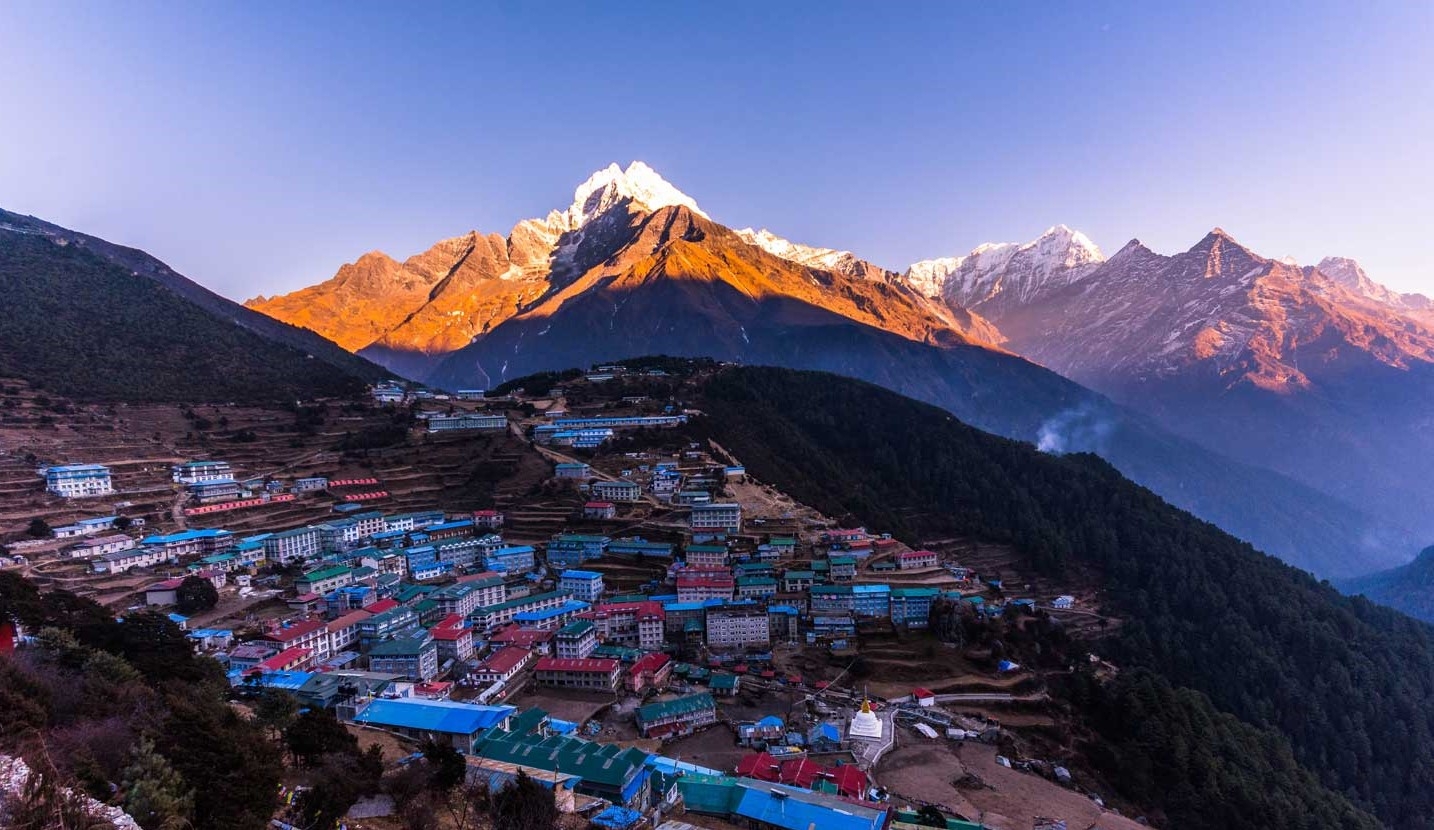
Today, the trail begins its steady ascent toward Namche Bazaar, the Sherpa capital. The trek winds through lush rhododendron and pine forests, crossing suspension bridges with panoramic views of the Dudh Khosi River far below. Along the way, you will pass Monjo, the entry point to Sagarmatha National Park, where permits are checked, and Jorsalle, a small village with tea houses and lodges catering to trekkers. As the day progresses, the terrain becomes steeper, and the air thinner, giving you glimpses of soaring Himalayan peaks such as Thamserku and Kusum Kanguru. Upon arrival in Namche Bazaar, the vibrant streets and bustling markets offer a stark contrast to the tranquil villages of the lower trail. This is an ideal place to explore Sherpa culture, visit monasteries, or simply relax with a cup of locally brewed tea while enjoying panoramic mountain views.
Acclimatization is crucial for high-altitude trekking, so today you will take a moderate hike to the Everest Viewpoint, which offers dramatic vistas of Mount Everest, Lhotse, Ama Dablam, and Thamserku. The hike is not very long, but it provides a perfect opportunity to help your body adjust to thinner air while enjoying unmatched Himalayan scenery. After returning to Namche Bazaar, you can explore the town further, visiting the Sherpa Museum, local monasteries, and craft shops. Even a casual walk around the village provides insight into Sherpa life, with prayer flags fluttering in the wind, mani stones lining the trails, and friendly locals welcoming trekkers. Spending the evening in Namche allows you to rest and enjoy a warm meal, preparing your body for the climb ahead.
Leaving Namche, the trail ascends gradually through mixed forests of pine and rhododendron, crossing a series of suspension bridges over the Imja Khola. Along the way, you pass small villages, prayer wheels, and mani walls, which serve as constant reminders of the deeply spiritual culture of the Khumbu region. Today’s highlight is Tengboche Monastery, perched on a hilltop and offering one of the most iconic panoramic views of Ama Dablam and other surrounding peaks. The monastery is the spiritual heart of the Khumbu, and you may witness monks performing morning or evening prayers. Overnight at Tengboche allows you to absorb the serene atmosphere and prepare for the higher altitudes to come.
As you leave Tengboche, the landscape gradually shifts from lush forests to alpine scrub and rocky terrain. You’ll pass Pangboche Village, home to one of the oldest monasteries in Khumbu, famous for its sacred artifacts. The trail winds along the Imja Khola, with expansive views of Ama Dablam, Lhotse, and Island Peak. Arriving in Dingboche, a peaceful village surrounded by towering peaks, you will notice the high-altitude farming lifestyle, with locals cultivating barley, potatoes, and buckwheat in terraced fields. The afternoon can be spent resting or taking short walks for further acclimatization. Dingboche’s calm environment and crisp mountain air make it the perfect place to recharge before tackling the higher elevations ahead.
Today is dedicated to acclimatization and exploring the surrounding highlands. A morning hike to Nagarjun Hills offers breathtaking views of Ama Dablam, Lhotse, and Island Peak, as well as the high glacial valleys that you will traverse in the coming days. This optional hike prepares your body for high-altitude trekking and allows for stunning photography opportunities. Returning to Dingboche, you can rest, hydrate, and enjoy a warm meal in the tea house, reflecting on the increasingly dramatic landscape as you move deeper into the Himalayas.
From Dingboche, the trail passes through the Imja Valley, gradually gaining altitude. You will cross high-altitude moraine and glacial streams, and along the way, visit memorial chortens dedicated to climbers who lost their lives on Everest. The terrain becomes stark and windswept, signaling your approach to the high Himalayas. Arriving in Lobuche, you’ll be surrounded by towering glaciers and snow-capped peaks, and your tea house accommodation will be simple but cozy, providing a well-earned respite after the long day of trekking.
Today is the highlight of the trek. Leaving Lobuche early in the morning, you trek over rocky moraines and glacial trails to Gorakshep, your base for the ascent to Everest Base Camp. From Gorakshep, the trail leads to the iconic Everest Base Camp, where climbers from around the world prepare for their summit attempts. Standing here, you can take in the immense scale of the Himalayas, the glaciers stretching like frozen rivers, and the fluttering prayer flags marking the path. After photos and exploration, you return to Gorakshep for overnight.
An early wake-up allows you to hike to Kala Patthar, the ultimate viewpoint for Everest, Lhotse, Nuptse, and surrounding peaks, especially at sunrise when the mountains glow with golden light. After descending, you trek back through Gorakshep and continue down to Pheriche, passing glacial valleys and alpine meadows. Pheriche offers a more hospitable tea house stay with slightly warmer temperatures and a chance to relax after high-altitude exertion.
Descending from Pheriche, the trail gradually returns through Dingboche and Tengboche, following the Dudh Khosi River and passing pine forests. You will have time to revisit Namche Bazaar, stroll its streets, and perhaps buy souvenirs or enjoy coffee in the quaint cafes. The contrast between the high mountains and the vibrant Sherpa town offers a sense of accomplishment and perspective on the trek so far.
The final trekking day brings you down through rhodo forests and rivers, retracing the path you took in the first days of the trek. The villages are familiar now, and you may notice small details you missed before. Arriving in Lukla, the air feels warmer, and the celebratory atmosphere of completing your trek is palpable. A final dinner in Lukla’s tea house allows you to reminisce with your fellow trekkers and guides.
Today, you will take a morning flight from Lukla to Ramechhap, enjoying aerial views of the mountains one last time. From Ramechhap, drive back to Kathmandu through scenic countryside with terraced fields and village life. Back in Kathmandu, enjoy the comfort of a hotel bed, hot shower, and a final celebratory dinner with your team.
After breakfast, you’ll be transferred to Tribhuvan International Airport for your departure. Your Everest Base Camp adventure concludes, leaving behind memories of stunning Himalayan peaks, Sherpa culture, alpine forests, and the personal triumph of standing in the shadow of the world’s tallest mountains.
Everest Base Camp Trek is a lifetime achievement for travelers. Once you travel to Everest Base Camp, a lifetime dream is fulfilled. If you prefer to join with a fixed departure Group, you could click on the Fixed Departure date set by Adventure A One Trek team.

Arrival & Kathmandu Stay:
Transportation:
Trekking Staff & Support:
Permits & Paperwork:
Meals & Accommodation During Trek:
Equipment & Essentials:
Extras & Recognition:
Travel Essentials:
City & Personal Expenses:
Extra Staff Services & Tips:
Gear Rentals & Personal Equipment:
Optional Activities & Sightseeing:
Other Optional Costs:
Made it in march 2017. Just perfect... Great organisation, great guide, great landscapes Just have to profit from your hollidays. Thanks Ajeeb
I travelled with a predecessor company under similar management and had a good trip. There were a couple of issues regarding the guiding and payment, however, it was still an amazing experience and the managers, (including Ajeeb), were hospitable, friendly, helpful and easy to deal with. I would recommend him and hope to come back to Nepal for more adventures in the future.
I recently completed the Everest Base Camp Trek in March 2022 with an amazing team from the Everest Base Camp Trek Company. From the very beginning of our journey, the team was professional and provided us with the best services and guidance. Our guide was knowledgeable and experienced with the route and gave us great advice on how to make the most out of our trek. The team was also very friendly and accommodating, and they went above and beyond to make sure that our trek was enjoyable and comfortable. I would definitely recommend the Everest Base Camp Trek Company with Adventure A one trek to anyone looking to embark on an unforgettable adventure in the Himalayas.
Hi , Iam Sergio, i live in Australia , i had been Nepal in October 2022 , I had done Everest base camp trekking from adventure A one treks . The trek was so amazing and the company was really great and director of that company Ajeeb bhatta was really nice polite and a perfect director of company who help us in every moment and he make our trek wonderful . So , I like to prefer this company from my heart for tour and trekking .
My wife were in Nepal and had Ajeeb as a guide. He was professional, helpful and kind!
We had a very nice experience with Adventure A One Treks throughout our Nepal trip. They have experienced guides who took care of us like a family. Mr. Ajeeb Bhatta had organised our trip very well and he was very supportive throughout the trip. I would strongly recommend this company for your trips within or around the Nepal.
An INCREDIBLE journey and an organization on top from A to Z. The head of the Ajeeb agency immediately gave me confidence from the first contact via whatsapp. Many contacts to prepare my trip à la carte. On site everything was perfect. Great welcome, good practical advice, great accommodation and an amazing trek to EBC. Having had a family problem I had to return faster and the agency was able to settle a repatriation from the top of the mountain directly. I can only advise this agency and thank Ajeeb from the bottom of my heart. Do not hesitate a second and book!
I had an unforgettable experience trekking to Everest Base Camp with Adventure One Treks. From the very beginning, the team was professional, friendly, and well organized. They took great care of everything, including permits, accommodation, and daily plans, which made the trek stress-free and enjoyable. Our guide was knowledgeable, patient, and always encouraging. He explained the mountains, local culture, and traditions, which made the journey even more meaningful. The porters were incredibly hardworking and kind, and the whole team made sure everyone was safe and comfortable throughout the trek. The itinerary was well planned, with proper acclimatization days that helped a lot with altitude. The views were absolutely breathtaking—snowy peaks, glaciers, and beautiful Sherpa villages. Reaching Everest Base Camp was a dream come true and a very emotional moment. I highly recommend Adventure One Treks to anyone planning the Everest Base Camp trek or any trek in Nepal. This was truly a once-in-a-lifetime adventure, and I couldn’t have asked for a better company.
It was a such a great adventure holiday for our family. Everest region was just wow, our guide was so professional and always happy to help. Thank you Adventure A One treks team to make our holiday memorable in Nepal. Highly recommended..!!
The experience of trekking to Everest Base Camp and Goyko Lakes Trek with A1treks was a lovely experience. The team was not only professional, but also friendly and well organized. They took care of everything like daily plans, permits and also accommodation. And that made my trek stress free, memorable and fun. My guide was encouraging, patient, kind friendly, entertaining and also very knowledgeable. The views were really lovely. Reaching Everest Base camp and Gokyo Lakes Trek was like a dream fulfilled. I recommend this company to everybody.
Everest Base Camp Trek was an incredible and unforgettable experience. The breathtaking mountain views, beautiful trails, and amazing local culture made the journey truly special. The team was friendly, professional, and supportive throughout the trek. Reaching Everest Base Camp was a dream come true. Highly recommended for anyone looking for an amazing Himalayan adventure! 🏔️🥾
Base Layers:
Mid Layers:
Outer Layers:
Trekking Accessories:
Evening Wear:
Honestly, autumn (late September to November) is hard to beat—clear skies, cool air, and incredible mountain views. Spring (March to May) is also great, with warmer days and rhododendrons everywhere. Winter’s brutally cold up there, and the monsoon season (June to August) turns the trails muddy and slippery.
It’s no walk in the park. Expect moderate to challenging days. There’s no technical climbing, but you’ll hike 4 to 8 hours most days, and you’ll be above 5,000 meters at times. Being in good shape really matters. Taking your time and letting your body acclimate are both key.
You don’t need to be an expert, but previous hiking or trekking helps a lot. Your body gets used to the long days and the changing terrain. Before the trip, get used to cardio, stairs, and longer hikes—it pays off out there.
You’ll need a Sagarmatha National Park entry permit and a Khumbu Pasang Lhamu Rural Municipality permit. These are non-negotiable. Most trekking agencies handle the paperwork for you.
Absolutely. You need insurance that covers high-altitude trekking (up to 5,600 meters), helicopter evacuation, medical bills, and trip cancellations. Without it, most agencies won’t even let you start the trek.
The classic Everest Base Camp trek takes about 14 days, including rest days to acclimatize. You’ll walk 4 to 8 hours daily, and cover about 130 to 140 kilometers round-trip, depending on your route.
Most trekkers fly from Kathmandu to Lukla—a quick 35-minute flight. Another option is driving to Ramechhap and flying from there. From Lukla, your journey heads up the Dudh Khosi valley towards Namche Bazaar.
Kala Patthar is the highest spot you’ll reach—5,545 meters (18,192 feet). The views of Everest here are legendary. Everest Base Camp itself sits at 5,364 meters (17,598 feet).
It’s possible once you’re above 3,000 meters. Watch for headaches, nausea, tiredness, and dizziness. Built-in acclimatization days at places like Namche Bazaar and Dingboche help, as does staying hydrated and taking it slow. Always listen to your guide.
You’ll stay in simple tea houses along the route. Rooms are basic—just beds, blankets, and shared bathrooms. Hot showers are rare and usually cost extra. Bring a sleeping bag for extra warmth and cleanliness.
Tea houses serve all meals—breakfast, lunch, and dinner. Expect Nepali staples like dal bhat, plus noodles, soups, and momos. Pack some snacks—energy bars, chocolate, or trail mix—for quick boosts.
Prices vary, but a typical 14-day trek runs $1,200 to $2,500 per person. That covers your permits, guide, porter, accommodation, domestic flights, and meals. Fancy packages with extra comforts will cost more.
Technically yes, but it’s not a great idea. The altitude and remote landscape make solo trekking risky. Most agencies will pair you with a guide and sometimes a porter.
You’ll need an insulated jacket and thermals, a waterproof outer layer, trekking boots, gloves, a hat, sunglasses, and a sleeping bag for cold nights. Trekking poles come in handy too.
With good prep, yes. The main risks are shifting weather, altitude sickness, and injuries. A registered guide, solid gear, and travel insurance make things much safer.
You’ll find mobile coverage in bigger villages like Namche Bazaar, but the signal drops as you go higher. Most tea houses offer Wi-Fi for a small fee. For emergencies, some people bring satellite phones.
Aim to walk 4 to 6 hours a day on rocky ground, carrying an 8–12 kg backpack. Good cardio, strong legs, and mental grit really help.
Absolutely. You’ll pass through Sherpa villages, visit monasteries, and see chortens along the way. Highlights include Namche Bazaar, Tengboche Monastery, and Dingboche. Show respect—dress modestly and take your shoes off at religious sites.
Cash is king on the trail, and you’ll need Nepali Rupees for most things. ATMs are only in Lukla, Namche Bazaar, and Dingboche, so bring enough cash to last the trek.
| No of people | Price per person |
|---|---|
| 1 - 1 | $1,852 |
| 2 - 4 | $1,699 |
| 5 - 9 | $1,545 |
| 10 - 20 | $1,455 |

| No of people | Price per person |
|---|---|
| 1 - 1 | $2,175 |
| 2 - 5 | $1,890 |
| 5 - 10 | $1,799 |
| 11 - 20 | $11,729 |