Private Car, Bus, and Flight
Jiri to Everest Base Camp Trek
Usually known as the "conventional direction to Everest", the Jiri trek to Everest Base Camp is the original path taken by means of the first Everest expeditions before the Lukla airstrip came into life. Far from being merely an alternative course, this trek is an intensive tour into the center of rural Nepal, a place wherein lifestyles continues to be largely based totally on the seasons, colorful prayer flags continuously enhance the stone houses, and the effect of the contemporary world diminishes with every step uphill.
Unlike the quick flight to Lukla, the Jiri path is a tale that regularly unfolds. The mountains don’t abruptly appear; they're gradually unveiled daily. You end up entitled to see Everest, not only by way of your peak however additionally through your tolerance, sweat, and innumerable small interactions with humans, nature, and cultures that maximum hikers are blind to.
Along the historic Jiri–Everest path, one in every of Nepal’s maximum rewarding lengthy-distance treks, backpackers prevent to revel in the expansive vistas of the hills and the remote silhouettes of the Himalayas.
A Trail of Constant Change
The path that leads from Jiri to Everest Base Camp is a super version of the idea of exchange in terms of both geography and way of life. It comes to an stop in the quality mid-hills with terraced farms, cardamom fields, and subtropical forests. With the passing of time, the path ascends the steep valleys of the rivers, crosses the high ridges, and step by step enters the alpine global of Khumbu.
At the equal time, tea houses resemble extra the houses of neighborhood families than of tourists. Porters loading rice, school children walking barefoot, and monks turning prayer wheels at the same time as passing mani walls engraved with historical mantras are simply a number of the humans one might encounter on the trail. Distance is not handiest measured in kilometers however additionally in the slow transition from Hindu hill tradition to the extraordinarily non secular Buddhist international of the Sherpa people.
The trek is framed via the majestic ridgelines, forested hills, and remote snowy peaks as the hikers are making their manner thru the remoted villages and mountain passes.
A Journey That Tests and Rewards
The trek imposes a rigorous assignment on both the frame and the mind. Long hours, the consistent going up and down, and the staying on the trail for weeks require a extremely good deal of willpower. The reward, however, is incredible. When you finally get to Everest Base Camp, your body is in shape, your mind is serene, and your bond with the mountains is profound.
Besides the bodily condition, the Jiri trail pleads for disengagement from velocity and gadgets. It is a name to sluggish down, to concentrate more, and to accommodate oneself to the mountain surroundings. For individuals who are searching out an real, historical, and true excursion-style journey, that is the most comprehensive course to Everest.
A Snapshot of the Adventure
The Jiri to Everest Base Camp Trek usually lasts from 21 to 24 days and covers a distance of around 190–200 kilometers. Starting from an altitude of approximately 1,900 meters in Jiri, the trek ascends to 5,364 meters at Everest Base Camp, with an optional climb to Kala Patthar (5,545 m) to get the best views of Everest.
Unlike the Lukla route, this trek consists of multiple ups and downs before finally reaching the high altitude, which makes it a difficult but highly gratifying trek. Trekkers who are in good physical shape, have a lot of patience, and are experienced in hiking are the best candidates for this trek.
The Lower Hills: Jiri to the Arun and Dudh Koshi Valleys
Starting Point: Jiri (1,955m)
The adventure kicks off with gently rolling hills, staircases made of stone, and colorful villages. During the initial few days, the surroundings are warm and vivid as they pass through pine and rhododendron forests, terraced agricultural lands, and isolated hamlets inhabited by the Rai, Tamang, and Sherpa ethnic groups.
Trails extend to river banks such as Likhu Khola and Arun River where the downward movements are very steep and the upward ones are climbing gradually but steadily. Suspension bridges oscillate over the roaring rivers and the nights are spent at simple lodges where one can enjoy dal bhat with a big smile of the family serving it.
Winded, this section teaches the trekkers how to deal with different situations and cultures. It is filled with noise coming from birds, water, and people in the villages—natural, vibrant, and invigorating.
Entering the Khumbu: A Cultural Transformation
After a few days of isolated hills, the track at some point intersects the primary Everest trail near Lukla or Phakding. From that point forward, the geographical features and the culture become very different.
The first is the material of the houses as stone structures are replacing wooden ones. Mani walls, chortens, and monasteries are found along the route. The temperature decreases and snow peaks start to become the major feature of the skyline. You have entered the land of Sherpa where Tibetan Buddhism influences the everyday life.
Namche Bazaar (3,440m) looks like an open-air theater carved into the mountainside—a bustling center of trade, culture, and acclimatization. It is here that trekkers take a break, visit the monasteries, and get their first glimpse of Everest, Lhotse, and Ama Dablam close-up.
Higher into the Himalayas: Tengboche to Dingboche
As the elevation increases, the vegetation of the area changes. You will find fewer trees and broader valleys. The spiritual aspect of the trek will be most evident to you at the route to the Tengboche Monastery when you hear the prayers' chanting echoing beneath the enormous Himalayan giants.
After a visit to Tengboche, the surroundings become even more dramatic as the pine trees gradually give way to alpine shrubs and rocks. Broad glacial valleys with villages such as Dingboche and Lobuche that are enclosed by icefalls and towering peaks are what you will encounter next.
The road is not only difficult but also the surroundings make it even more so. A lot of things will be new for you - like how to keep your body warm at night, how to breathe correctly, and the importance of focusing on every single step you take.
The Final Push: Everest Base Camp
There’s a whole lot of emotion packed into the walk to Everest Base Camp (5,364m). It’s amazing to see the glacier of Khumbu beneath your feet, to hear the flags flutter in the wind, and to experience the atmosphere that seems so unreal.
The majestic Mount Everest serves as the backdrop of the Base Camp, yet there is no peak to celebrate here; rather, a feeling of tranquillity and immense power during the arrival moment. You decided to take the longer route. You have truly earned this occasion.
If you want to enjoy the glorious view of the sun rising, then the trek to Kala Patthar is the place as from there one can see the astounding panoramic of Everest, Nuptse, and the Khumbu Icefall illuminated by the sun rays.
The Descent: Reflection and Return
Coming back on the same track through the Khumbu, yet it seemed like a different story altogether. The fine air was back, the food tasted better, and the conversation was going smoothly.
Quick visits to villages now felt like coming home. Forests were more green, rivers - louder, and smiles - warmer. The long journey that led back to civilization was the perfect opportunity for self-reflection – a moment to think about the effort, simplicity, and the silent yet powerful influence of walking.
High Khumbu: Tengboche to Dingboche.
From Namche, the path winds through dense rhodops to Tengboche Monastery, one of several important non-religious holy sites in this area. The landscape is magnificent, featuring views of Mount Kenya and Ama Dablam as well as Nuptse.
Upon reaching Dingboche, vegetation becomes less lush, temperatures decreases significantly, and the scenery becomes more vivid and dramatic.'". There are stone walls and yak pastures that dominate the area. All aren't isolated farms: Even though being in the Himalayas is fun, the air is thin and every move takes effort. Why? Why?
Lobuche ascends to the summit's final destination: Everest Base Camp.
At the end of the route, one can admire the splendor of snow, rock, and silence at the foot of Khumbu Glacier. As the altitude increases, respiration speeds also decrease. » Why?
At 5364 meters, the summit of Everest Base Camp is a moving achievement.' Following a history of snowstorms and excessive peaks, bean flags flap out. The proximity to the peak of Mount Everest and several top-notch mountains from Jiri makes the long trek feel like an achievement.
The Return via Lukla.
After enjoying the success, the walk continues down past old villages where oxygen levels are high and the body can recover.
Upon your arrival at Kathmandu International Airport, the Adventure A One Trek representative welcomes you and will help you to transfer to the hotel. You can then take a good rest in the hotel. Later you can explore around yourself if interested.
Day Activity:


Take an early morning breakfast before catching the bus to Bhanadr. The drive through the scenic highway passing the several local settlements through the green hills is exciting. The journey takes about six to seven hours drive. Bhandara is a small village in the lap of the hill. You will be spending your night at a local lodge.
Day Activity:
Today the route follows a winding gradual trail with a downhill to reach the nice village of Kinja. Kinja offers greater views of Numbur Himal on the north side. Then through the walk through the cooler alpine areas to get to Sete for the overnight.
Day Activity:
Passing the forest of rhododendron pines and oaks, the gradual walk takes you to the beautiful village of Guranse. Guidance is a small settlement with some local houses.
From here onward around cooler areas, beginning with a steep climb through beautiful woods and past a few houses with tea shops and farmhouses, the walk continues up to reach a Mani-wall on the path towards Lamjura-La pass
Then cross the Lamjura-La pass, the highest altitude gain before reaching the high Khumbu area, and descend to get to Junbesi for the night.
Day Activity:
Today is a Comparatively longer day, leaving Junbesi, with a short descent to a stream just below the chorten/. Then diverting to the left take a climb towards SolungDanda, the place with a nice farm place with good views of Mount Everest with other peaks. Then descends to Beni Khola. Furthermore, cross the bridge and get to Ringmo village. Then head up on a gradual winding path through Rimgmo village an hour of steep climb through pine forest reaches Trakshindu passing above 3,070m high, the top marked with Mani and chorten. Then finally get to Nunthala, via Takshindu village for the night.
Day Activity:
Start the day with a long descent to end the Nunthala village, then the steep path through the forest leads to a small lace of suspension bridge over Dudh Koshi River. Then follow a winding uphill for the next hour to reach Jubing village. The route gradually moves towards Kharikhola, the village is the place for Kirat and Sherpa tribes. Then climb the final section of the steep slope to get to Bupsa for the night.
The cold weather of the Khumbu area welcomes, and the morning walks with a climb through the mixed forest of oak, and rhododendron is exciting. The citing of the different birds is expected. Continuing the walk through the Kharte Danda at the height of 3880 meters, you will reach Puiyan village. Then the winding path takes to Sebuk Danda and then to Chotok at 2945 meters. Then by taking the descending route, you will be reaching Surkhe for the night.
From Surke the trail diverts west to join the main trail of the Everest trek via the beautiful villages of Muse and Gaikharka village. You will then gradually walk to Choplung to meet the main route to Lukla Namche. The walk progresses towards Phakding which is a small village with few teahouses. You will be making your final push from Phakding to get to Monjo. You will be staying overnight at a local teahouse.
Activity:
From Monjo, you will then enter Sagarmatha National Park- the home to the greatest Himalayan flora and fauna. The dense forest of blue pine, deodar, rhododendrons, and more. On a clear day, you can also catch the first glimpse of Mount Everest on the way up to Namche Bazar. After six hours of trek, you will be reaching Namche Bazar- which is also famous as the Sherpa capital. Namche is the home of famous mountaineers. You will be staying two nights at Namche before heading up.
Day Activity:
After breakfast, you will be hiking up to Everest View Point to collect 360 views of the mountains. The viewpoint offers stunning views of the Himalayas including Mount Everest. Later in the afternoon, you can explore Namche Bazar or have a good rest in your hotel.
Day Activity:
After spending two amazing nights at Namche Bazaar, you will be trekking Tengboche on this day. The route to Tengboche is fascinating as it covers the greatest views of Everest, Ama Dablam, Lhotse, Nuptse, and more. Tengboche is the village with the biggest Buddhist monastery in Everest. Make sure to visit the Tengboche monastery. Later in the evening, you can collect a greater view of sunset from the High Himalayas. The overnight will be at a local teahouse.
Day Activity:
Start the hiking after early breakfast. The route to Dingboche is mostly uphill where you will be crossing several suspension bridges and local villages. One of the best villages you cross on the day is Pangboche village which offers greater views of Mount Ama Dablam. Occasionally, this section offers the spotting of snow leopards and Himalayan musk deer too. Located at 4410 meters above sea level, Dingboche is a small settlement, where you will be spending two nights.
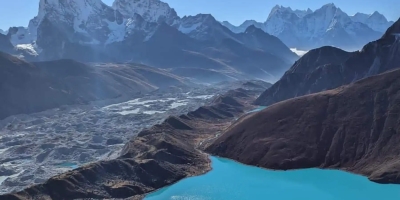
Today Activity:
After breakfast, take a short hike to Nagarjun Hills. It is the vintage point to collect the best views of Mount Ama Dablam, Lhotse, Labuche, and more. Then retrace back to the lodge and spend the day taking a good rest.
Day Activity:
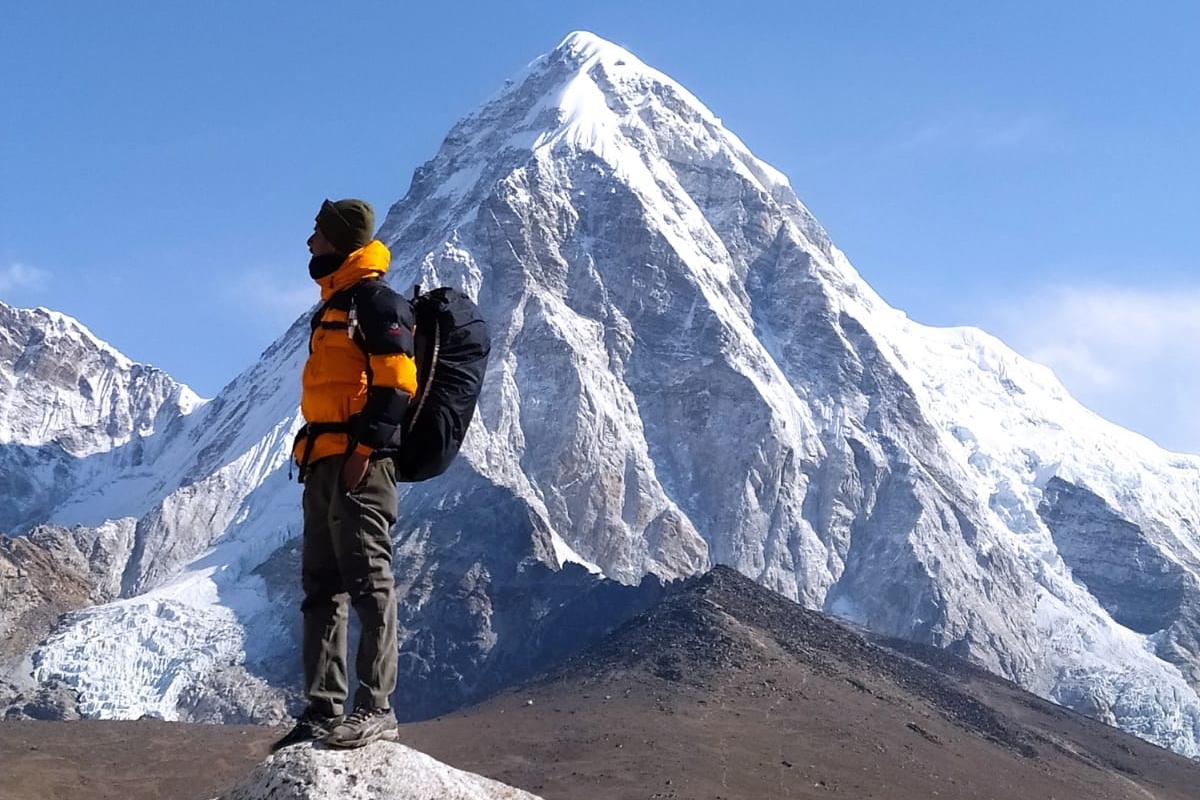
Enter the valley of dusted snowed grasslands, you can enjoy the greater views of Amadablam, Lhotse, Pumori, and more along the way. Labuche today’s overnight place is a small Sherpa settlement with a few teahouses around. Take a good sleep with the excitement of getting to Everest base camp the next day.
Day Activity:
On the most exciting day, you will first trek to Gorakshep for three hours. You will then have your lunch there. Post lunch, leave your bag packs and start the hike to Everest base camp with some essentials (a day pack, water, a camera, and some chocolates). It takes ninety minutes to get to base camp from Gorakshep. Enjoy the moments, collect the memories, and leave a footprint at Everest base camp. Then retrace back to Gorakshep for the night.
Day Activity:
Early morning, get to Kalapatthar to collect the best sunrise view. Kalapatthar is the better place to see closer views of Mount Everest. And managing the sunrise view at Kalapatthar is the best experience of the whole trek. You will then get back to Gorakshep for breakfast, before taking the way back to Pheriche. You will be following the same way around to get to Pheriche. You will be spending your night at one of the many teahouses at Pheriche.
Day Activity:
The easy and pleasant way. Although the distance is a bit longer, the route is mostly descending. You will be crossing the familiar village of Pangboche, Tengboche before getting back to Namche Bazar. At Namche Bazar, you can go to the café to enjoy the good coffee and the fresh bake.
Day Activity:
On the final day of the trip. Today you will be retracing back to Lukla. In Lukla, you will be saying goodbye to your porters. You will be staying at a local teahouse in Lukla.
Day Activity:
You will be taking the scenic flight back to Kathmandu. From Kathmandu airport, you will be transferred to the hotel where you can take a relaxing rest.
Day Activity:
With all the finest memories, today you will be flying to your next destination. Our representative will be transferred to Kathmandu airport. With the hope to see you again in Nepal, we will be saying bye for this time.
Day Activity:

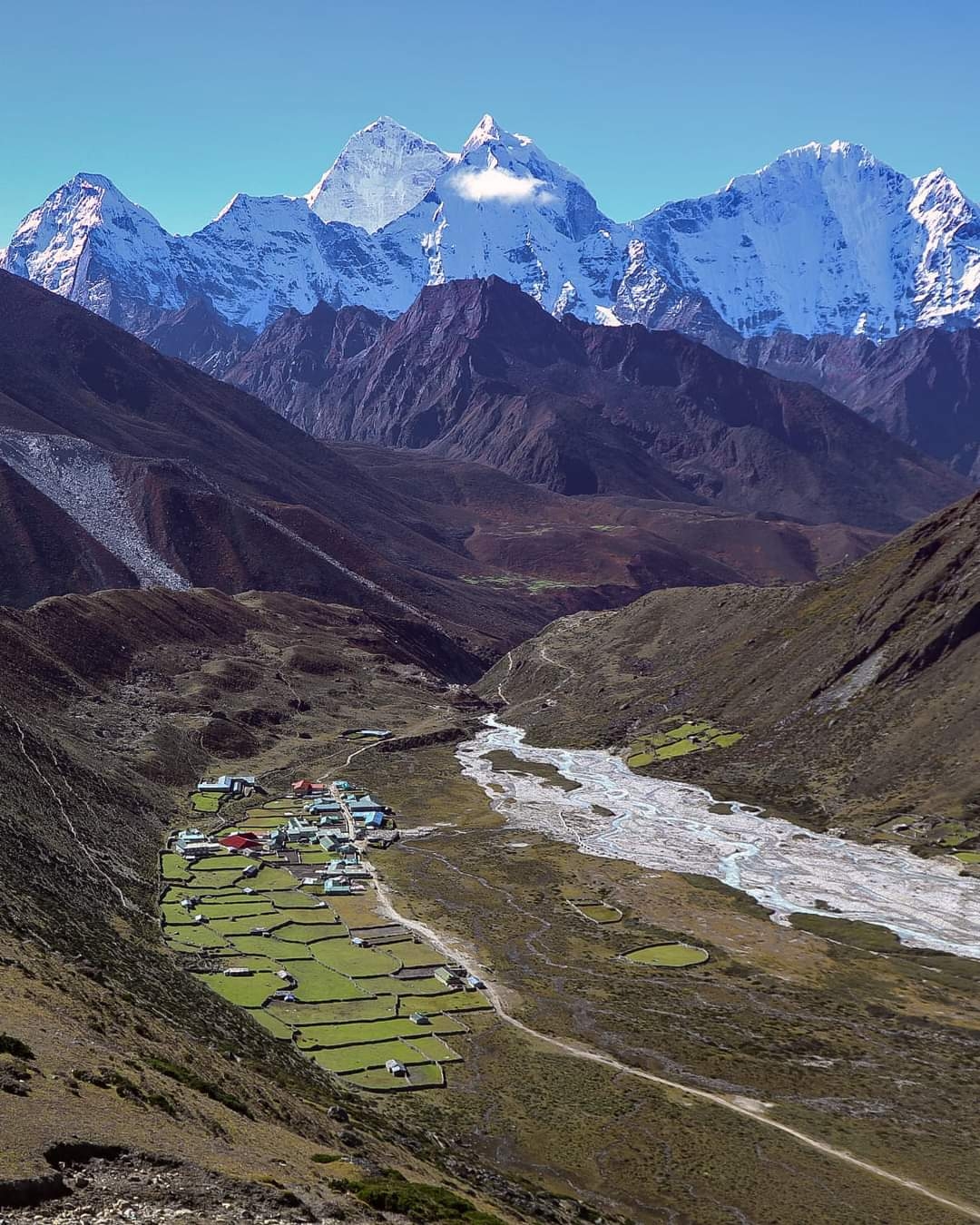
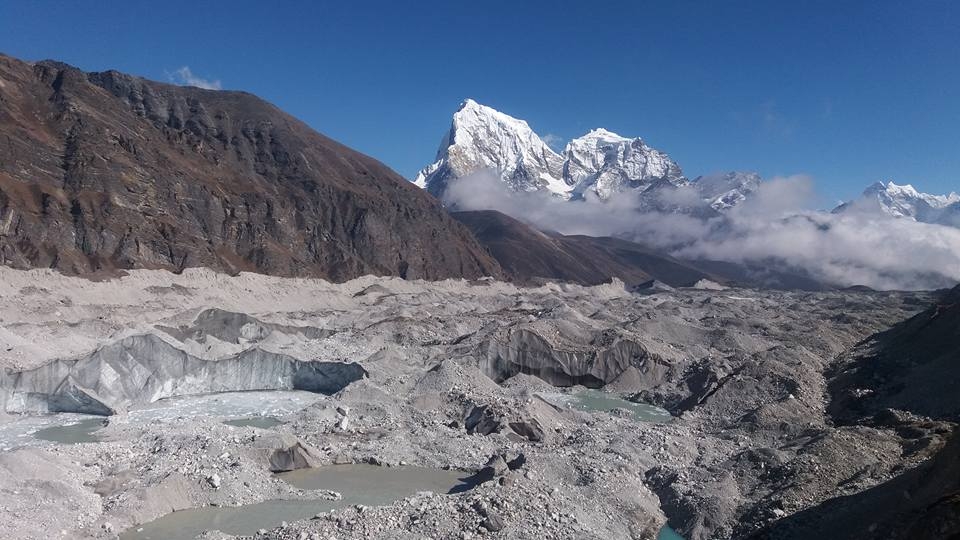

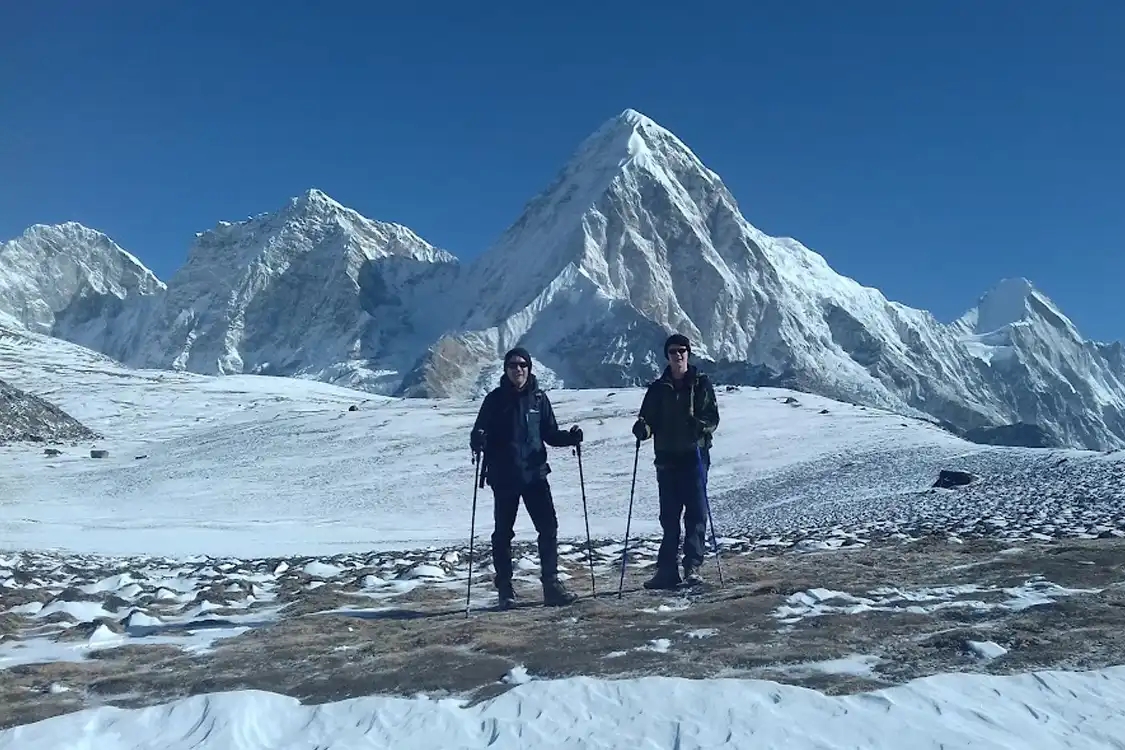
Our Jiri to Everest Base Camp Trek with Adventure A One Treks was an unforgettable adventure through beautiful mountain villages, lush forests, and breathtaking Himalayan scenery. Starting from Jiri gave us the chance to experience the traditional Everest trekking route and fully enjoy the changing landscapes and local Sherpa culture along the way. Reaching Everest Base Camp was truly a dream come true. Special thanks to Hari Tamang for his excellent guidance, constant support, and friendly nature throughout the trek. Everything was well organized, making the journey safe, comfortable, and enjoyable from beginning to end.
We had an incredible experience on the Jiri to Everest Base Camp Trek with Adventure A One Treks . The trek offered stunning mountain views, traditional villages, peaceful trails, and a rich cultural experience before reaching the iconic Everest Base Camp. Every day was filled with beautiful scenery and memorable moments in the Himalayas. A big thank you to Hari Tamang for his professional service, kindness, and encouragement throughout the adventure. Highly recommended for anyone wanting an authentic and rewarding Everest trekking experience in Nepal!
The Jiri to Everest Base Camp Trek with Adventure A One Treks was an incredible journey that offered a true classic Himalayan experience. Starting from the peaceful hills of Jiri, the trail passed through traditional villages, terraced farmlands, dense forests, and gradually into the high mountains of the Everest region. The long route made the adventure even more rewarding and meaningful. Reaching Everest Base Camp after such a beautiful and gradual approach felt truly special. The entire trek was well organized, and the team provided excellent support, guidance, and care throughout the journey. I highly recommend this trek to anyone who wants a deeper and more authentic experience of the Everest region.
My Jiri to Everest Base Camp Trek with Adventure A One Treks was one of the most memorable adventures of my life. The journey offered a perfect combination of natural beauty, cultural richness, and high mountain landscapes. Walking through the traditional villages of the lower Solu region and gradually entering the Khumbu area made the experience truly unique and rewarding. The highlight of the trek was reaching Everest Base Camp, surrounded by towering Himalayan peaks and glaciers. Everything was managed very professionally, including accommodation, meals, permits, and daily trekking arrangements. The staff was supportive, experienced, and always focused on safety and comfort. I would highly recommend Adventure A One Treks for this classic and rewarding Everest journey.
Jiri to Everest Base Camp Trek is amazing choice of the travellers. It will take you through superb alpine forests, over high glacial passes, and to the foot of the world’s highest peak, Mount Everest.
The highest elevation on this trek is Kalapathar (5,545m) and the famous place Everest Base Camp is 5365 meter.
Appropriate clothing and equipment are necessary for this trek. You should bring warm clothing, a sleeping bag, a water bottle, trekking poles, suns cream, sunglass, a warm hat, and other items as recommended by your guide.
The Jiri to Everest Base Camp trek is considered challenging. It includes long days of trekking and steep ascents and descents. It is recommended that you have prior trekking experience and good physical fitness before attempting this trek.
| No of people | Price per person |
|---|---|
| 1 - 1 | $1,400 |
| 2 - 4 | $1,240 |
| 5 - 9 | $1,180 |
| 10 - 20 | $1,050 |
| No of people | Price per person |
|---|---|
| 1 - 1 | $1,350 |
| 2 - 4 | $1,219 |
| 5 - 9 | $1,124 |
| 10 - 20 | $1,099 |
| No of people | Price per person |
|---|---|
| 1 - 1 | $1,852 |
| 2 - 4 | $1,699 |
| 5 - 9 | $1,545 |
| 10 - 20 | $1,455 |

| No of people | Price per person |
|---|---|
| 1 - 1 | $1,085 |
| 2 - 4 | $990 |
| 5 - 10 | $910 |
| 11 - 20 | $850 |