Private car or Bus and plane
The Everest Base Camp with Gokyo Lakes Trek? Oh, it's one of Nepal's coolest treks! It mixes the classic EBC trip with the pretty turquoise Gokyo Valley lakes. Usually, it's about 14–16 days. You start with a crazy flight from Kathmandu to Lukla—the door to Everest. Then, the trail goes through Sherpa towns like Phakding, Namche Bazaar, Tengboche, Dingboche, Lobuche, and Gorakshep. You get a real taste of the culture and super friendly people! You'll see crazy views of Ama Dablam, Lhotse, Nuptse, and, of course, Everest as you get closer to the base camp at 5,364 meters.
Namche Bazaar (3,440m) is a major stop to get used to the height. The town's full of life in the Khumbu area. Chill, check out monasteries, museums, cafes, and shops while you get used to being higher up. Then, it's on to Tengboche. It’s got the biggest monastery around. The morning prayers with the mountains in the back look so peaceful. The trail starts getting tougher after that. You’ll walk over ice and cross suspension bridges, with huge views all around. Raw nature.
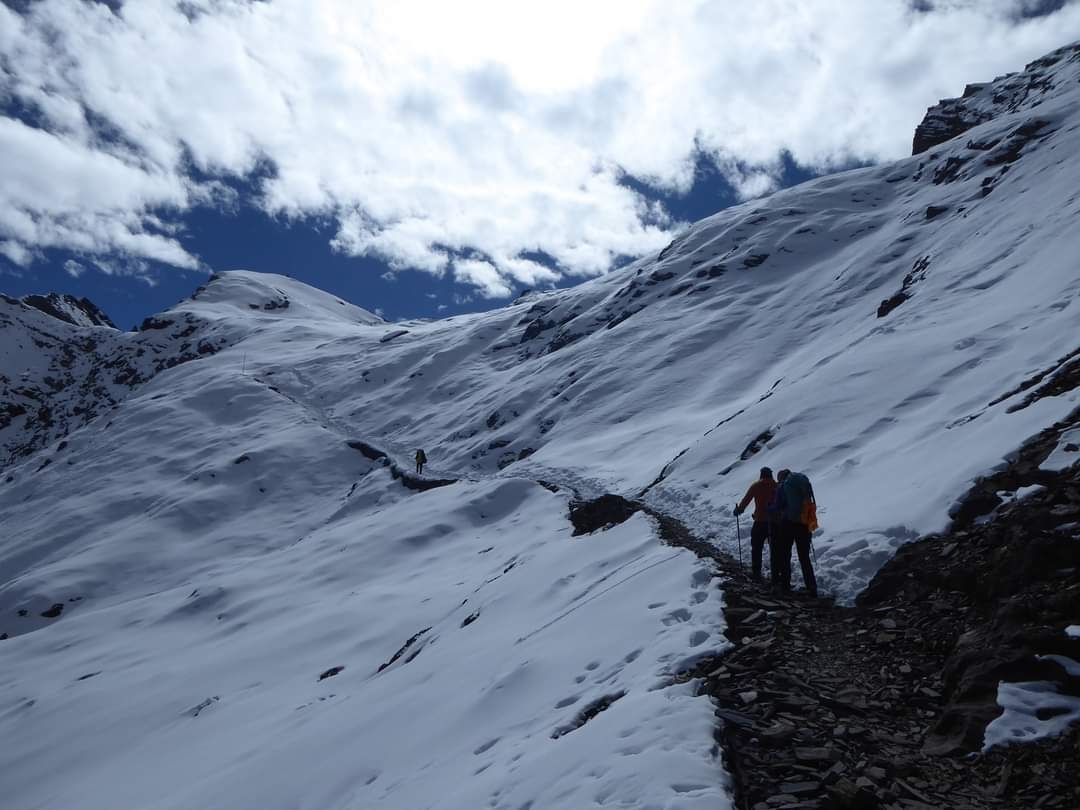
After Everest Base Camp, you head toward Gokyo. That means crossing the Cho La Pass (5,420m). It's a tough mountain pass that joins the two valleys. Getting over the pass can be hard, especially in the cold when it's icy. But, you will get super wide mountain views that most trails don't have. When you reach the top, it's awesome!
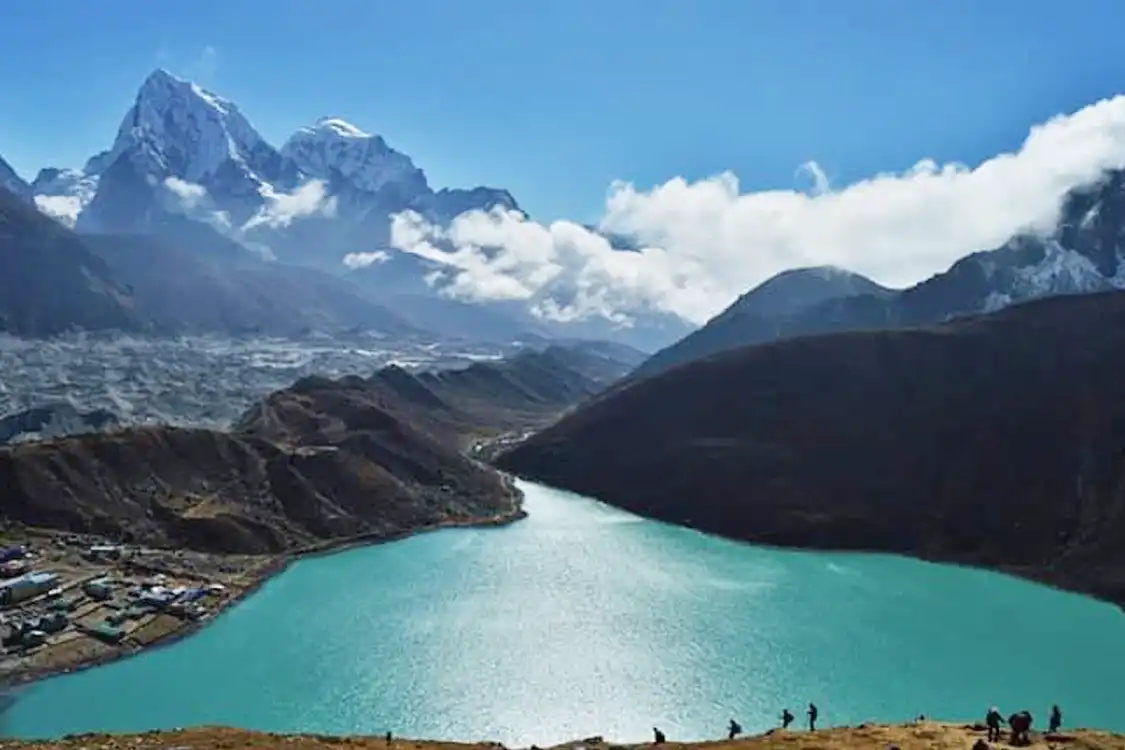
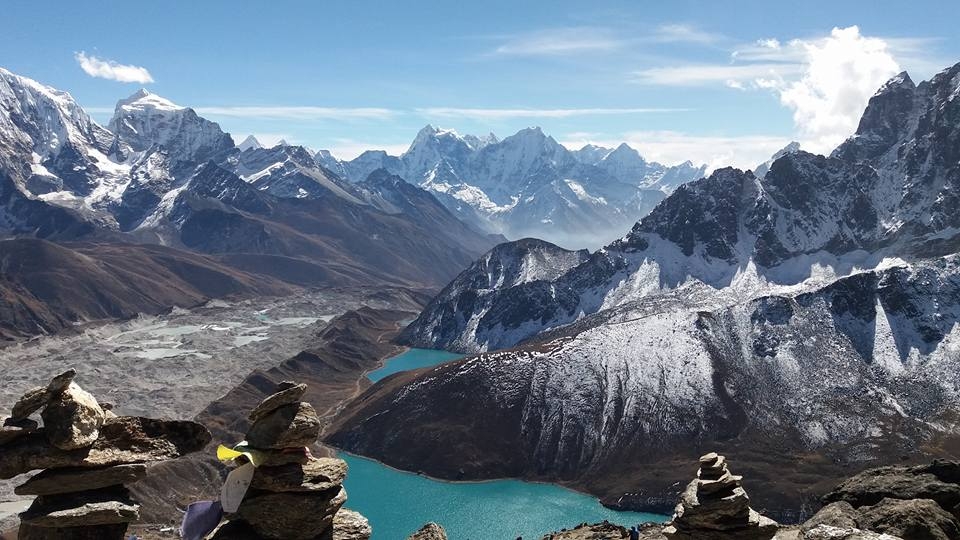
Then, you go down into Gokyo Valley, known for its six clear lakes. Gokyo Lake, I, II, III, and IV are most common. Gokyo Lake III (4,750m) is where many people stop. These lakes are amazing shades of blue and green. They reflect the mountains. Gokyo Ri (5,357m) is another spot, where you can see Everest, Makalu, Cho Oyu, and the big Ngozumpa Glacier. The sunrise from Gokyo Ri is said to be better than from Kala Patthar.
The trek loops back to Namche with the way back to Lukla. So, it is done. This trek is great if you want both a tough hike and some peace, EBC is very famous and Gokyo has quiet beauty. The trek will test you, teach you about culture, and give you views that you'll never forget. It’s the trip of a lifetime for hikers, photographers, and nature fans!
The Everest Base Camp + Gokyo Lakes Trek rocks! Big mountain views, Sherpa culture, and quiet lakes. From the crazy flight to Lukla to standing at Everest's base, every day has something awesome. walk past old monasteries, towns, ice trails, and crazy passes like Cho La. Plus, you're always seeing mountains.
Gokyo Lakes are super quiet, for a great change compared to the EBC trail. Climbing Gokyo Ri gets you an unforgettable sunrise on Everest and the Ngozumpa Glacier. It's more than just a walk. It's a story of adventure, views, trying hard, and feeling amazed, and you'll remember it forever.
The drive from Kathmandu to Ramechhap (Manthali Airport) takes about 4–5 hours. It's a pretty drive with some cool cultural spots. Along the way, you can see the Sunkoshi River, plus terraced farms and small villages. A good photo spot is near Khurkot—the road curves by the Sunkoshi gorge there, so it is good to stop and get tea. Ramechhap is a quiet place known for its markets and how people live, which is a very traditional Nepali way of life. Near Manthali, you see how people farm, trade, and depend on tourism because of the Lukla flights. Flying from Ramechhap to Lukla gives you awesome views of Himalayan valleys and peaks. You'll spot the Sunkoshi, Tamakoshi, and parts of the Dudh Koshi Valley, which you'll hike along later. When you hike from Lukla to Namche, you'll mostly explore the Khumbu Valley.
This is where the Sherpa people live. They are famous in Nepal. Sherpas practice Tibetan Buddhism. Their villages are full of prayer flags, mani walls, stupas, and monasteries. Their culture cares about respecting the mountains, living together well, and spiritual traditions from the Himalayas. The Everest area has some really cultural valleys that you see from the air or when you hike. From the plane, you might spot Hinku Valley (near Makalu), Gokyo Valley (near Cho Oyu), and the big Khumbu basin with its glacier. Sherpas mostly live in these valleys, with some Rai and Tamang people lower down before Lukla. The buildings, food (like momo, thukpa, and butter tea), festivals (Mani Rimdu), and how people live are all related to Tibetan culture. You can see it from the sky or feel it when you're hiking: These valleys are like a living museum of Himalayan Buddhist culture that lives together with the highest mountains.
One of the coolest trips you can take from Namche Bazaar is hiking to the Everest Viewpoint, also called Hotel Everest View or just the EBC Viewpoint by locals. It's not far from Namche, sitting at about 3,880 meters (12,730 ft). It’s only a 6–7 kilometer (3.7–4.3 miles) round trip from Namche Bazaar, climbing about 440 meters (1,444 ft). The path isn’t too tough and goes through some rhododendron trees before opening up to some killer views of the Khumbu peaks.
Give yourself about 3–4 hours for the whole trip, give or take, depending on how fast you go and how well you're used to the altitude. When you get there, you'll be treated to awesome views of Mount Everest (Sagarmatha), Nuptse, Lhotse, and Ama Dablam, all set against the beautiful Himalayan sky. The Everest Viewpoint is extra special at sunrise. If you get there early, before all the trekkers and planes crowd Namche, the first light makes the snowy peaks glow gold and pink. Try heading out around 5:30–6:00 AM (depending on the time of year) to catch the sunlight hitting Everest and the other big mountains. It’s like something out of a movie: quiet mountains, prayer flags waving softly in the breeze, and hikers bundled up in warm clothes all watching the light play on the peaks. It’s a great moment to just chill, take some photos, and soak in the beauty of the Himalayas.
The hike from Dole (13,247 ft) to Machhermo (14,665 ft) is a pretty uphill walk of about 2.5–3 miles. It usually takes around 2.5–3.5 hours. The path goes next to the Dudh Koshi River valley, and you start to see Cho Oyu's (26,864 ft) big snow walls way off in the distance. There are small Sherpa villages here and there on the hillsides, made of stone, with yak fields around them. Dole village has a chill vibe, with prayer flags and local lodges offering a nice welcome to the Himalayas before you go higher.
On the way, hikers often see Himalayan tahrs, bright birds, and long mani stone walls. The wind carries the sound of glacier water flowing, so it feels like you're walking in a nature show. From Machhermo to Gokyo (15,584 ft), the hike is about 4-5 miles, taking 3.5–5 hours, depending on how fast you go. This part gets cooler since you walk past moraines, little wooden bridges, and wide-open valleys. The first look at the Gokyo Valley feels unreal. It's got big glaciers all around and is super quiet, except for yak bells. Machhermo is a neat Sherpa village known for Yeti stories, which makes it interesting.
The village is smaller than Namche but has more wild mountain life. The air gets thinner, but you get more stoked as you get closer to the Gokyo Lakes, the blue jewels of the Himalayas. The Gokyo Glacial Lakes are a bunch of six holy lakes. They’re fed by melting glaciers and shine in bright blues and greens. The main lake, Gokyo Lake III, is right by the village and is the one people photograph the most. It shows reflections of Cho Oyu, Cholatse, and Taboche peaks on calm mornings. The Ngozumpa Glacier, the longest glacier in the Himalayas, is nearby and looks like a frozen white ocean, which adds to the whole thing. Around the lakes, hikers can check out ridges, yak grazing areas, and hidden streams flowing under the ice.
A lot of Sherpa families live here at certain times of the year, running teahouses, keeping up Buddhist culture, and sharing mountain stories with hikers over warm meals. The whole hike between these villages has tons of natural beauty that hasn't been messed with: clear lakes, huge Himalayan views, stone villages, and spiritual spots. The sunrise at Gokyo makes the lakes even brighter, so they glow like liquid sapphire. The walk isn’t just a hike - it’s a trip through the Khumbu nature and Sherpa spirit, where culture and the wild live together. Each mile takes you to deeper peace, higher mountains, and a better sense of . This makes the EBC + Gokyo route one of the prettiest and most touching hikes on Earth.
Thagnak (about 15,400 feet) is a quiet little spot in the Khumbu area. It's between Machhermo and Gokyo, right by the big Ngozumpa Glacier. People like it because of the wild glacier scenery, the icy streams, and how close you get to mountains like Cho Oyu, Cholatse, Taboche, and Kyajo Ri. It's mostly open land where yaks graze, with stone paths going through the glacier stuff. It makes you feel like you're on another planet.
Sherpa families live there for part of the year, running nice tea houses and lodges. You can get warm tea, food, and a place to sleep without any problems. Some people camp near the glacier, mostly when it's busy, but tea houses are usually the easiest option. Thagnak has a strong Sherpa Buddhist feel, which you can see in the prayer flags, mani stones, and how they respect the mountains.
Most people stop there to get used to the altitude before going over the Cho La Pass, but it's also a charming place. If you go during the spring or fall trekking seasons, you might catch Sherpa cultural events in the nearby valleys. The Mani Rimdu festival is amazing as well. Monks put on masked dances and do rituals at Tengboche and other monasteries. Thagnak is small, but the seasonal culture, mountain tales, yak herders, and friendly tea houses make it a great, peaceful place to rest in the Himalayas.
Once you go past Cho La Pass (at 17,782 feet), the path heads down into a cool glacial valley that takes you to Dzongla Village (15,846 feet). It's the first Sherpa town on this side of the pass. This little village has nice tea houses and some awesome mountains all around, like Cholatse, Lobuche East, and Ama Dablam - perfect views for photos.
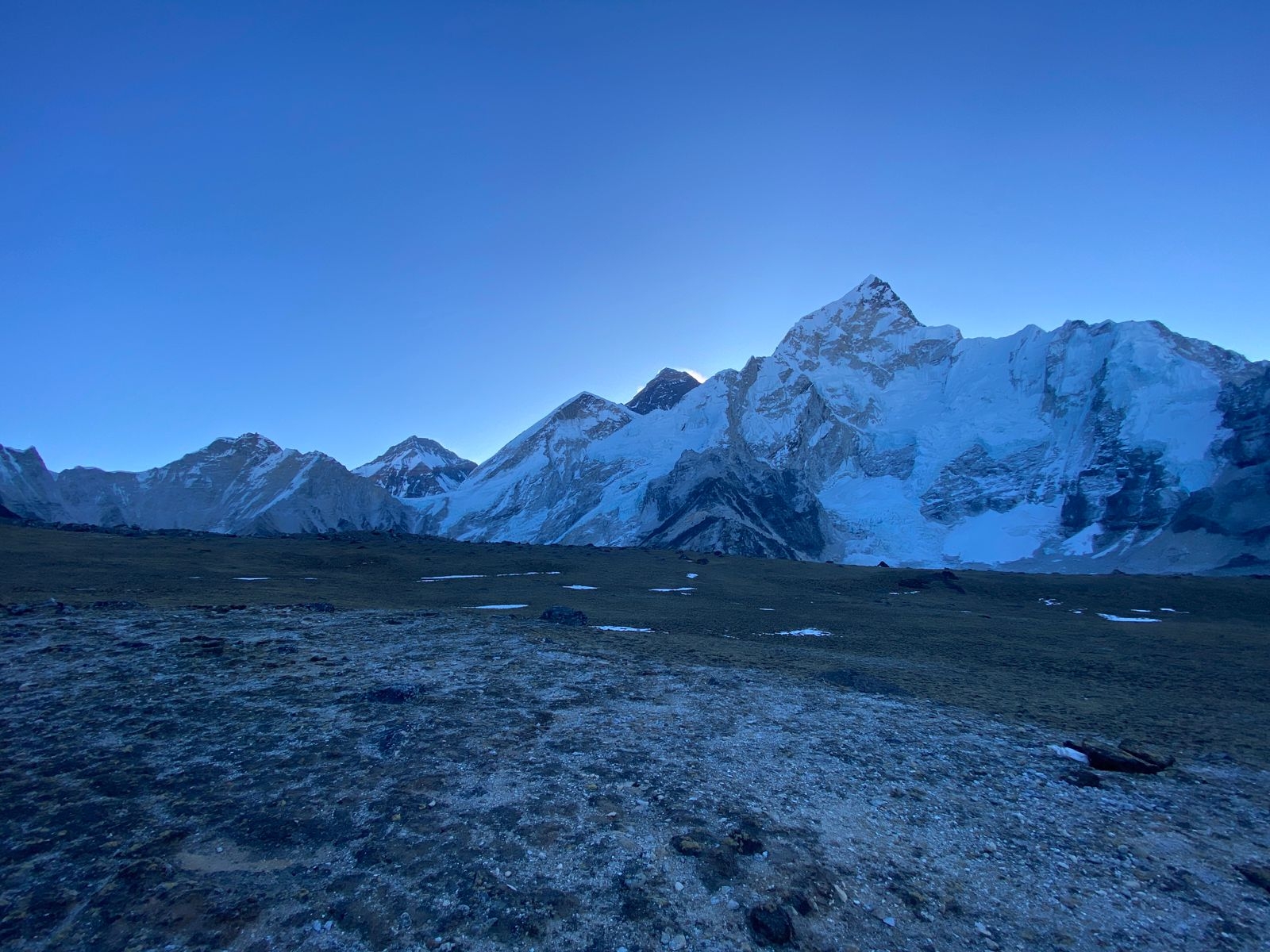
From here, hikers keep going toward Lobuche Valley, past places that honor those who have passed and rocky landscapes with the huge Khumbu Glacier down below. Nearby, you can check out Lobuche (16,207 feet), which has good views of Nuptse and Lhotse. Just up ahead is Kala Patthar (18,192 feet), a well-known spot to watch the sunrise, where you can see Everest in the morning light. This part of the trek combines peaceful Sherpa village life, stone houses, religious spots, and some of the most amazing views of the Himalayas you'll see on the entire way.
It is a really well-known spot in the Himalayas. It gives you the best, clearest view of Mount Everest up close, without having to actually climb the thing! From up there, you can also see Nuptse, Lhotse, Pumori, Changtse, and the huge Khumbu Glacier snaking below like a frozen river.
The hike up is pretty tough because it's steep and at a high altitude. It usually takes about 1.5–2.5 hours from Gorakshep (4,516m). The temperature changes a lot depending on the time of year. In spring, it's about -5°C to 5°C. In autumn, it's -10°C to 5°C. And in winter, it can get down to -20°C to -5°C. Keep in mind the wind can make it feel even colder!
There aren't really any hard rules, but hikers should be respectful of the local culture, stick to the path, and get used to the altitude before pushing on. The climb is generally safe, but it can be hard for beginners because of the thin air, rocky trails, and how quickly the weather can change.
Besides catching an amazing sunrise, you can check out places nearby like Everest Base Camp, Gorakshep village, the Khumbu Icefall view, and the monastery trails at Dingboche or Tengboche earlier on your way. Kala Patthar isn't just a viewpoint; it's the center of Everest photography, a thrilling thing , and the beauty of the Himalayas.
The walk back to Lukla from Namche Bazaar follows the lovely Dudh Koshi Valley path, going through lively Sherpa towns like Monjo, Jorsalle, and Phakding. It’s mostly downhill, so it’s quicker and simpler than going up. Usually, it takes about 2 days, with a stop in Phakding or Monjo to chill and have tea. On the way, you get some last looks at the Himalayan peaks, walk across suspension bridges, go through pine forests, and see paths decorated with prayer flags, keeping the same cool cultural vibe you saw at the beginning. The trip back is like a nice goodbye, filled with mountain memories, friendly Sherpa people, and that great feeling of finishing an awesome trip.
To hike to Everest Base Camp and Gokyo Lakes, you'll need a couple of permits. First, there's the Sagarmatha National Park Entry Permit (about $30), and then the TIMS Card (Trekkers’ Information Management System), which is around $20.
You gotta have these, and you can grab them in Kathmandu or when you get to Monjo. The permit fees go to keeping the park in good shape, making sure everyone's safe, and helping the local folks out. Don't forget to bring them with you on your hike.
The best times to hit this trail are spring (March to May) and fall (September to November). The weather is usually nice, not too hot or cold, and you can see the mountains super clearly.
Winter (December to February) is pretty chilly with a lot of snow. And monsoon season (June to August) is rainy, so the trails get slippery, and you can't see much. If you go during the good times, you'll have a safer hike, get a place to stay easier, and see some killer views of the Himalayas.
This trekking is great because it's got a bit of everything. You get to stand near Everest, cross some cool high passes like Cho La, check out the bright blue Gokyo Lakes, and see the biggest glacier in the Himalayas. You'll also get to learn about Sherpa culture, see monasteries, and walk through villages way up high. Plus, the whole thing is in Sagarmatha National Park, which is a World Heritage Site. It's a hike you'll remember, mixing tough climbs with peaceful moments and insane views.
The Everest Base Camp and Gokyo Lakes Trekking Schedule
| Day | Activity/Route | Elevation (Meters/Feet) | Duration |
| 1 | Arrival in Kathmandu | 1350 m / 4376 ft | - |
| 2 | Drive to Ramechhap and Fly to Lukla, Trek to Phakding | 2800 m / 9186 ft → 2610 m / 8500 ft | 4–5 hours trekking |
| 3 | Trek to Namche Bazar | 3440 m / 11286 ft | 5–6 hours trekking |
| 4 | Hike to Everest Viewpoint and Namche Bazar exploration | 3780 m / 12401 ft | 2 hours hike |
| 5 | Trek to Dole | 4200 m / 13484 ft | 5–6 hours trekking |
| 6 | Trek to Machherma | 4470 m / 14665 ft | 4–5 hours trekking |
| 7 | Trek to Gokyo | 4800 m / 15748 ft | 4–5 hours trekking |
| 8 | Hike to Gokyo Ri and explore the glacial lakes | 5357 m / 17575 ft | - |
| 9 | Trek to Thagnak | 4750 m / 15583 ft | 5–6 hours trekking |
| 10 | Cross Cho La Pass and trek to Dzongla | 5367 m / 17608 ft → 4830 m / 15846 ft | 7–8 hours trekking |
| 11 | Trek to Lobuche | 4910 m / 16108 ft | 4–5 hours trekking |
| 12 | Trek to Everest Base Camp via Gorakshep and back to Gorakshep | 5364 m / 17598 ft → 5140 m / 16863 ft | 7–8 hours trekking |
| 13 | Hike to Kala Patthar and trek to Pheriche | 5545 m / 18192 ft → 4210 m / 13812 ft | 2 hours hike |
| 14 | Trek back to Namche Bazar | 3440 m / 11286 ft | 5–6 hours trekking |
| 15 | Trek back to Lukla | 2800 m / 9186 ft | 5–6 hours trekking |
| 16 | Scenic flight to Ramechhap and drive back to Kathmandu | 2800 m / 9186 ft → 1350 m / 4376 ft | - |
| 17 | Final departure | 1350 m / 4376 ft | - |
Here's the Lowdown on Everest Base Camp with Gokyo Lake Trek
You gotta have these permits, usually arranged by a trekking company. You can't trek on your own.
If you’re planning to trek in the Everest area, you'll need permits, and going solo without registering isn't allowed. Usually, you'll need to have a guide, and a Kathmandu agency can take care of all the permit stuff. You'll need:
These help protect the park and keep things safe at that altitude. Agencies usually handle everything, and the prices might change a bit depending on when you go.
You’ll mostly be staying in tea houses along the way. These are simple lodges run by Sherpa families. Lower down, the rooms are pretty comfy with shared bathrooms. Higher up, they're more basic with twin beds, thick blankets, and, of course, mountain views. You don't have to camp unless you really want to. In Kathmandu, before and after your trek, you’ll be in hotels with hot showers, Wi-Fi, the works.
Dal bhat (rice, lentils, veggies, and pickles) is the main grub. They often give you free refills so you can keep your energy up. Other popular choices are momos (dumplings), noodle soups, fried rice, pasta, eggs, porridge, pancakes, and tons of tea or coffee. Villages at lower altitudes have more to choose from, but even higher up, the food's still filling. Vegetarian options are easy to find. It's a good call to bring snacks like nuts, chocolate, or bars for those long days hiking.
The trek usually kicks off with a short, scenic flight from Kathmandu to Lukla (about 30 minutes). From there, you'll start trekking on paths that head toward Namche Bazaar, Dole, Machherma, Gokyo, and eventually Everest Base Camp. Once you're done, you’ll fly from Lukla to Ramechhap and then drive back to Kathmandu.
The Sherpa and Tibetan Buddhist people live there. So, dress modestly, ask before snapping photos of people or monasteries, and try not to leave any trash behind. Hiring local guides and porters and staying in tea houses helps the local communities.
A guide is a must for safety, finding your way, and to learn about the culture. Porters are your call really, but they can carry your heavy stuff. Groups are usually small (like 2–12 people), so it feels more personal. Cell service is spotty up high (and Wi-Fi is rare), but guides have ways to call for help if needed. The Everest Base Camp trek with Gokyo Lakes mixes amazing Himalaya views, peaceful lakes, Sherpa culture, and a bit of a high-altitude . If you plan well and go with a good agency, it’s an amazing trip you won't Ever forget and will keep you safe, inspired, and wowed.
We'll pick you up at Tribhuvan International Airport in Kathmandu and take you to your hotel. You can chill out for a bit. Later, someone from our team will meet with you to go over the trip. If we have time in the evening, we might do a little sightseeing.


You'll drive to Ramechhap early in the morning (about 3-5 hours). Then, you'll fly from Ramechhap to Lukla (around 30 minutes). From there, you'll start trekking to Phakding (4–5 hours), going through small villages, across rivers, and over suspension bridges.
Evening: We'll stay in a tea house in Phakding.
Today, we're heading to Namche Bazaar (around 5–6 hours). We'll cross more suspension bridges and go past Chumoa and through forests. We'll stop for tea along the way and check out the views of Mt. Thamserku and the river valleys. Tonight, you can check out the Namche Bazaar market, and we'll stay in a tea house.
This morning, you'll hike to the Everest Viewpoint (2 hours). It's a spot Photo opportunities for photos of the sunrise. you'll head back to Namche Bazaar around noon. You can explore the town, see the Sherpa museum, and check out local cafes to see their culture, food, clothes, and stuff. you'll stay overnight.
Today you will trek from Namche Bazaar to Dole (about 5–6 hours). It's a gentle uphill walk through pine and rhododendron forests. you'll get to Dole in the evening, settle into a tea house, and enjoy the sunset views.
you will Leave Dole for Machherma (around 4–5 hours). You can check out the Sherpa village, visit the temple, and maybe see some dancing and prayers. The trail goes through small Sherpa villages and yak fields.
In evening you will stay overnight in a tea house and get used to the altitude.
Today, we're trekking from Machherma to Gokyo (about 4–5 hours). We'll cross some rocky trails and get our first look at Gokyo Lake. The lake's turquoise-blue waters reflect the peaks of Everest, Cho Oyu, and Ngozumpa Glacier. We'll enjoy the lake and take pictures. In the evening, you can explore the village, and we'll stay overnight in a tea house.
You'll wake early and hike up Gokyo Ri for the sunrise (around 2–3 hours). The panoramic views of Everest, Cho Oyu, and Ngozumpa Glacier are awesome. Then, you'll go back down to Gokyo village and look at the glacial lakes nearby. We'll stay in a tea house again tonight.
We will Trek from Gokyo to Thagnak (about 5–6 hours). The trail goes through yak grazing areas and over ice streams. We'll stay overnight in a tea house and enjoy the quiet Himalayan scenery.
We'll start super early (around 5:00 AM) to cross Cho La Pass (about 5–6 hours). Then, we'll trek down to Dzongla (around 2 hours). We'll rest in a tea house and watch the sunset over Lobuche and Cholatse peaks.
Today's trek is from Dzongla to Lobuche (around 4–5 hours). The trail goes past memorials and rocky areas. We'll stay overnight in a tea house and get used to the altitude.
We will head to Gorakshep early (around 3 hours). Then, we'll continue to Everest Base Camp (about 2–3 hours). You can see the area and take pictures with friends and your guide.
We will return to Gorakshep for the night.
We'll get up early to hike to Kala Patthar (about 2 hours) for the sunrise over Everest. We will descend to Pheriche (around 4–5 hours). We'll stay overnight in a tea house.
Today, we trek from Pheriche to Namche Bazaar (around 5–6 hours). It's mostly downhill through forests and villages. We'll explore Namche and stay overnight in a tea house.
We trek from Namche Bazaar to Lukla (around 5–6 hours). It is downhill going through villages and over suspension bridges. Tonight, we'll stay in Lukla for our last trekking night.
After leaving Namche Bazaar, we'll fly to Ramechhap early in the morning (around 30 minutes). Then, we'll drive from Ramechhap to Kathmandu (about 4–5 hours). We'll stay overnight in Kathmandu.
On the last day, someone from our team will take you from your hotel to Kathmandu airport for your flight home.
The itinerary can be customized to your needs and further information can be discussed and finalized as per your thoughts and indeed.
Arrival and Kathmandu:
Getting Around:
Your Trekking Crew:
Permits and Stuff:
Food and Sleep on the Trail:
Gear and Support:
Travel To and From Nepal:
Kathmandu City Costs:
Extra Help:
Spending Money on the Trail:
The Everest Base Camp and Gokyo Lakes Trek with Adventure A One Treks was an extraordinary adventure and one of the best experiences of my life. The journey combined the excitement of reaching Everest Base Camp with the peaceful beauty of the stunning Gokyo Lakes. Every day offered breathtaking Himalayan views, beautiful Sherpa villages, glaciers, and unforgettable landscapes. Crossing Cho La Pass was both challenging and rewarding, and the panoramic mountain views throughout the trek were simply incredible. Everything was perfectly organized, from accommodation and meals to trekking logistics and support. The team was professional, friendly, and always attentive to our safety and comfort. I highly recommend this trek to anyone wanting the complete Everest experience in Nepal.
My Everest Base Camp and Gokyo Lake Trek with Adventure A One Treks exceeded all expectations. The combination of Everest Base Camp, the turquoise Gokyo Lakes, and the spectacular mountain scenery made this trek truly unforgettable. The views from Gokyo Ri and Kala Patthar were absolutely breathtaking, with clear panoramas of Everest and surrounding Himalayan peaks. The entire trek was managed smoothly and professionally, allowing us to fully enjoy the adventure without any worries. The guides and staff were supportive, experienced, and always helpful throughout the journey. This trek offered the perfect mix of adventure, culture, and natural beauty, and I would definitely choose Adventure A One Treks again for future trips in Nepal.
The Everest Three Pass Trek with Adventure A One Treks was an unforgettable adventure and one of the most challenging yet rewarding treks I have ever completed. Crossing the famous high passes of Kongma La, Cho La, and Renjo La offered breathtaking views of the Himalayan giants, glaciers, and remote mountain landscapes. Every day of the trek was filled with incredible scenery, traditional Sherpa culture, and unforgettable moments. The entire trip was very well organized, making the long and demanding journey comfortable and enjoyable. The team was professional, supportive, and always focused on our safety and well-being. Reaching the viewpoints and seeing Everest, Lhotse, Makalu, and many other peaks up close was truly a dream come true. I highly recommend this trek for anyone looking for the ultimate Everest region adventure.
Yep, getting a licensed guide is a really good idea. They help keep you safe, know the way, and can tell you about the local culture. Going solo isn't recommended because it's super high up and pretty remote.
You'll need: Sagarmatha National Park Permit (around $30 USD) TIMS Card (about $10 USD) Usually, your trekking company sorts all this out for you.
Expect about 2–3 weeks, give or take. That includes getting used to the altitude and plane rides to and from Lukla.
Kala Patthar sits at 5545m, or 18,192ft That's where you'll catch killer views of Everest, Lhotse, Nuptse, and Ama Dablam.
It's not a walk in the park. You'll be hiking for 5–8 hours a day, dealing with high altitude, steep climbs, and crossing Cho La Pass (5367m). Being in shape is a must.
Fall (September to November): Clear skies, nice weather. Spring (March to May): Flowers start blooming, temps are mild. Avoid the rainy season (June to August) because of rain and landslides. Winter's a no-go because it's snowy and freezing.
Sure, if you're in good shape and train a bit beforehand. Some hiking experience helps, but it's not a deal-breaker.
Mostly in tea houses run by Sherpa families. They've got basic rooms with two beds, blankets, and simple stuff. Hot showers? Kinda rare up high.
Think dal bhat, momos, noodle soups, pasta, eggs, porridge, and tea/coffee. Bring some snacks like nuts, chocolate, or bars for those long days.
Go up slowly and take rest days to get used to the height. Drink plenty of water and eat properly. Ask your doctor about Diamox. Listen to your body, and head down if you feel really bad.
| No of people | Price per person |
|---|---|
| 1 - 1 | $1,400 |
| 2 - 4 | $1,240 |
| 5 - 9 | $1,180 |
| 10 - 20 | $1,050 |
| No of people | Price per person |
|---|---|
| 1 - 1 | $1,350 |
| 2 - 4 | $1,219 |
| 5 - 9 | $1,124 |
| 10 - 20 | $1,099 |