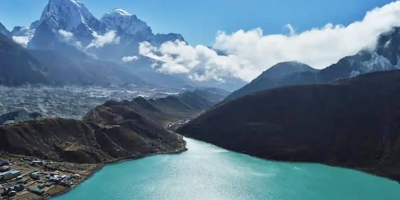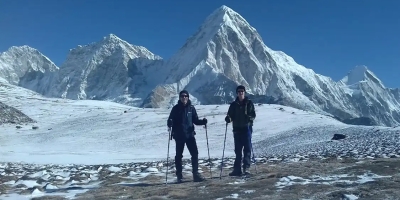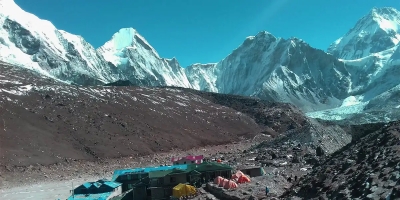
The Gokyo Lakes and Gokyo Ri Trek is a scenic journey into the quieter side of the Everest region, combining turquoise glacial lakes, rugged Himalayan landscapes, and some of the best mountain views in Nepal. The 13-day adventure begins in Kathmandu before heading to Lukla, the gateway to the Everest region, and then following the trail through traditional Sherpa villages toward the Gokyo Valley.
Unlike the classic Everest Base Camp Trek, the Gokyo route turns away from the main Everest trail after Namche Bazaar and follows the Dudh Koshi Valley toward the high-altitude Gokyo Lakes. The trail passes through pine and rhododendron forests, small mountain settlements, suspension bridges, and alpine terrain before reaching the remote lakes beneath the Ngozumpa Glacier.
One of the main highlights of the trek is the ascent of Gokyo Ri (5,357 m / 17,575 ft). From the summit, you can see a wide panorama of some of the world's highest mountains, including Mt. Everest (8,848.86 m), Cho Oyu (8,188 m), Lhotse (8,516 m), and Makalu (8,485 m). The view across the Gokyo Valley, Ngozumpa Glacier, and surrounding peaks makes Gokyo Ri one of the most impressive viewpoints in the Everest region.
The Gokyo Lakes are another major attraction. The turquoise glacial lakes sit among rugged mountains and are considered sacred by both Hindus and Buddhists. The route also offers an opportunity to explore the Fifth Lake, located farther north in the Gokyo Valley, with views toward Cho Oyu and the surrounding Himalayan landscape.
The trek includes acclimatization in Namche Bazaar and Gokyo, allowing trekkers to adjust gradually to increasing altitude. Although the route reaches more than 5,000 meters at Gokyo Ri, it avoids the demanding high passes of the Everest Three Passes Trek and does not require reaching Everest Base Camp.
After exploring the Gokyo Valley, the trail follows the Dudh Koshi back toward Namche Bazaar and Lukla. From Lukla, a flight returns you to Kathmandu, bringing the journey through the Everest region to an end.
For travelers who want to experience the Everest region, high Himalayan scenery, glacial lakes, and Sherpa culture without following the busier Everest Base Camp route, the Gokyo Lakes and Gokyo Ri Trek offers a quieter and distinct alternative.
1. Gokyo Lakes
The Gokyo Lakes are the main highlight of this trek. Located in the Everest region, these glacial lakes stand out for their clear turquoise-blue water, surrounded by rocky slopes, snow-covered peaks, and rugged Himalayan landscapes. As you approach Gokyo Village, the lakes become a striking part of the journey, offering quiet places to stop, take photographs, and appreciate the mountain scenery. Their changing colors and reflections make this area one of the most distinctive places to visit in the Khumbu region.
2. Gokyo Ri Viewpoint
Gokyo Ri, at approximately 5,357 meters, is one of the most popular viewpoints in the Everest region. The climb is steep and demanding, particularly at high altitude, but the summit offers wide views of Mount Everest, Lhotse, Makalu, and Cho Oyu. From the top, you can also look down over the Gokyo Lakes and the vast Ngozumpa Glacier. Starting early gives you a chance to see the first sunlight reaching the surrounding peaks, making this viewpoint a major highlight of the trek.
3. Gokyo Valley and Sherpa Culture
The trail through Gokyo Valley offers more than mountain views. You pass through traditional Sherpa settlements, where local life is closely connected to the mountains, Buddhist traditions, and trekking culture. Gokyo Village is an important stop along the route, with teahouses providing meals and accommodation for trekkers. Spending time here gives you an opportunity to experience the quieter side of the Everest region, learn about local customs, and see how communities adapt to life in a remote mountain environment.
4. Sagarmatha National Park
The Gokyo Lakes Trek passes through Sagarmatha National Park, a UNESCO World Heritage Site known for its dramatic mountain scenery, alpine landscapes, and diverse wildlife. Along the trail, you may walk through pine and juniper forests at lower elevations before reaching open valleys and rocky terrain at higher altitudes. The park is home to Himalayan wildlife, including musk deer, Himalayan tahr, and the elusive snow leopard. You may also spot Himalayan monals and other mountain birds, although wildlife sightings are never guaranteed.
5. Ngozumpa Glacier
The Ngozumpa Glacier is one of the most impressive natural features of the Gokyo region and is widely recognized as the longest glacier in the Himalayas. As you trek toward Gokyo Village, you can see its vast field of ice, rock, and glacial debris stretching beneath the surrounding mountains. The glacier creates a rugged landscape that contrasts with the clear waters of the nearby lakes. Its scale becomes especially apparent from elevated viewpoints, including Gokyo Ri, where you can appreciate how the glacier extends through the valley.
6. Panoramic Views of the Everest Region
One of the biggest attractions of the Gokyo Lakes Trek is the opportunity to see several major Himalayan peaks from different viewpoints. Along the route and from Gokyo Ri, you can enjoy views of Everest, Lhotse, Makalu, and Cho Oyu, along with surrounding ridgelines and glaciers. Unlike some other Everest trekking routes, the Gokyo route combines these mountain views with glacial lakes and a quieter valley setting. The changing scenery throughout the journey makes each section of the trail distinct.
The Gokyo Valley Trek is considered a moderate to challenging trek due to its high altitude, steep ascents, and several days of walking through rugged Himalayan terrain. The trail passes through remote villages, rocky paths, and alpine landscapes before reaching Gokyo Lakes at approximately 4,790 meters. The climb to Gokyo Ri, around 5,357 meters, is one of the most demanding sections of the journey.
You do not need technical climbing skills, but good physical fitness and proper preparation are important. Most trekking days involve around 5–7 hours of walking, depending on the route, weather, and walking pace. As the altitude increases, you may experience fatigue, shortness of breath, or headaches, making gradual acclimatization essential.
Beginners can complete the Gokyo Valley Trek if they prepare with regular walking, hiking, stair
climbing, and cardio exercises before departure. Walking at a steady pace, staying hydrated, allowing time for acclimatization, and trekking with a knowledgeable guide can help make the journey safer and more manageable.
Timing is everything in the Khumbu. To see the lakes in their true sapphire brilliance, you should aim for the two primary windows: Autumn (late September to November) and Spring (March to May).
You need two permits for the Gokyo Lakes Trek in Nepal:
If you book the Gokyo Lakes Trek through a trekking agency, the company will usually arrange both permits for you. Independent trekkers should carry their passports and sufficient cash to complete the permit process.
Electricity is available at most teahouses along the Gokyo Lakes and Gokyo Ri Trek, but charging facilities may become limited and more expensive as you gain altitude. Charging a phone, camera, or power bank typically costs around USD 2–6, depending on the location and teahouse. Carrying a 20,000 mAh power bank is a practical way to keep your devices charged during the trek.
Cold temperatures can drain batteries faster than usual, especially at higher elevations. Keep your phone, camera batteries, and power bank inside your sleeping bag or an insulated pocket when not in use.
Wi-Fi is available at many teahouses in places such as Lukla, Namche Bazaar, Dole, Machhermo, and Gokyo, although connection speed and reliability vary. Internet access may become slower or more expensive in remote settlements.
Ncell and Nepal Telecom (NTC) are the main mobile network providers in Nepal. Coverage is generally better around Lukla and Namche Bazaar but becomes less reliable farther into the Gokyo Valley. Signal availability depends on your network provider, location, and weather conditions.
We recommend purchasing a local SIM card or eSIM in Kathmandu before starting the trek. Download offline maps, important travel documents, and other essential information in advance, as mobile data and Wi-Fi may not always be available along the trail.
Altitude sickness is a common concern during the Gokyo Lakes Trek because the route reaches elevations above 5,000 meters. The highest point is Gokyo Ri at approximately 5,357 meters, while the highest overnight stay is in Gokyo village at around 4,790 meters.
Acute Mountain Sickness (AMS) can develop when you ascend too quickly without giving your body enough time to adjust to lower oxygen levels at higher elevations. Symptoms may begin above 2,500 meters and include headaches, nausea, dizziness, loss of appetite, fatigue, shortness of breath, and difficulty sleeping.
To reduce the risk, follow a well-paced Gokyo Lakes Trek itinerary with sufficient time for acclimatization. Drink water regularly, eat well, avoid alcohol, and ascend gradually. If symptoms develop, do not continue climbing. If they worsen, descend to a lower elevation and seek medical assistance. A knowledgeable local Gokyo Valley trek guide can help monitor symptoms, recognize warning signs, and support safer decisions throughout the journey.
The Gokyo Valley Trek takes you into the quieter side of the Everest region, where high mountain passes, glacial lakes, and rugged Himalayan landscapes shape the journey. Along the trail, you can enjoy views of some of the world's highest mountains, including Mount Everest (8,848.86 m), Lhotse (8,516 m), Cho Oyu, and Makalu. The scenery changes as you climb from forested trails and Sherpa villages to open valleys surrounded by rocky slopes and snow-covered peaks.
One of the main highlights is the Gokyo Lakes system, a collection of glacial lakes known for their clear blue and turquoise waters. The lakes sit among dramatic mountain scenery, creating a striking contrast with the barren terrain of the upper Khumbu region. You will also encounter the vast Ngozumpa Glacier, the longest glacier in the Himalayas, which adds another distinctive feature to the landscape.
The trail leads to Gokyo Village, situated at approximately 4,790 meters beside Dudh Pokhari, the third Gokyo Lake. Stone buildings, mountain views, and nearby yak pastures give the settlement a remote Himalayan character. Trekkers usually spend time here exploring the lakes and preparing for the climb to Gokyo Ri, a viewpoint that offers sweeping views of the surrounding mountains, glaciers, and valley.
Throughout the trek, you will experience Sherpa culture and the traditions of communities living in the Khumbu region. Local teahouses provide meals and accommodation, while prayer flags, Buddhist monasteries, and traditional mountain settlements offer glimpses into local life. Namche Bazaar is an important stop along the route, providing an opportunity to acclimatize, explore local shops, and learn more about the region's trekking and mountaineering history.
The Gokyo Valley Trek generally begins with a flight to Lukla, followed by a trek through Phakding, Namche Bazaar, Dole, and Machhermo before reaching Gokyo. It can also be combined with the Everest Base Camp route or the Everest Three Passes Trek for those planning a longer Himalayan adventure.
Overall, expect a journey that combines demanding uphill walks, gradual acclimatization, remote mountain settlements, glacial landscapes, and expansive Himalayan views. The Gokyo Valley Trek is a suitable choice for trekkers who want to explore the Everest region beyond its most familiar trails and experience the distinctive scenery around the Gokyo Lakes.
During the Gokyo Lakes Trek in Nepal, most trekkers stay in locally owned teahouses and mountain lodges along the route. These accommodations generally offer twin-sharing rooms with beds, blankets, and shared bathrooms. The dining areas provide a warm place to relax after a day of walking. Hot showers, Wi-Fi, and device charging may be available for an additional fee, depending on the lodge.
More comfortable lodges are available in places such as Lukla and Namche Bazaar, with selected properties offering private bathrooms and improved room facilities. Accommodation becomes more basic at higher elevations, including Gokyo village, where facilities and services may be limited.
Teahouses serve a variety of meals, including dal bhat, noodles, fried rice, soups, eggs, potatoes, and Tibetan bread. Carry a reusable water bottle, water purification tablets, and energy-rich snacks such as nuts, dried fruit, or protein bars. Drinking water, snacks, and extra services may cost more along the trail, particularly at higher elevations, so carrying some essentials can help you manage your budget.
Travel insurance is highly recommended for the Everest Gokyo Valley Trek, as the route reaches high elevations and passes through remote Himalayan areas where medical facilities and emergency transportation are limited. Choose a policy that covers trekking at elevations of at least 5,500 meters, including the ascent of Gokyo Ri (5,357 m).
Make sure your policy includes emergency helicopter evacuation, medical treatment, and hospital expenses. It is also worth checking coverage for trip cancellation, delays, and interruptions. Standard travel insurance may exclude high-altitude trekking or helicopter rescue unless these are specifically included in your policy.
Before starting the trek, carry a copy of your insurance documents and the insurer's emergency contact details. Read the policy conditions carefully to understand the coverage limits, exclusions, and procedures for arranging emergency assistance in Nepal.
If you seek a trek that is more peaceful and visually striking than the typical busy trails, the Gokyo Lakes Trek is an excellent choice.
The Gokyo Lakes Trek gives you a special chance to skip the busy main trail to Everest Base Camp and enjoy a peaceful high mountain area. With fewer people at the teahouses, you can spend quiet time by the six sacred mountain lakes. Each part of the trek brings something new, from the sounds of the Ngozumpa Glacier to prayer flags in front of Cho Oyu, and the wide views from Gokyo Ri, which many say are even better than those from Everest itself. This trek is perfect for people who want the beauty of Everest along with the calm of nature.
| Comparison factor | Gokyo Lakes Trek | Everest Base Camp Trek |
| Typical duration | 12–14 days | 12–14 days |
| Main highlight | Turquoise Gokyo Lakes and panoramic views from Gokyo Ri | Everest Base Camp and sunrise views from Kala Patthar |
| Highest viewpoint | Gokyo Ri — 5,357 m | Kala Patthar — approx. 5,545 m |
| Best seasons | Spring (March–May) and autumn (September–November) | Spring (March–May) and autumn (September–November) |
| Daily walking | Around 5–7 hours | Around 5–7 hours |
| Difficulty grade | Moderate to challenging | Moderate to challenging |
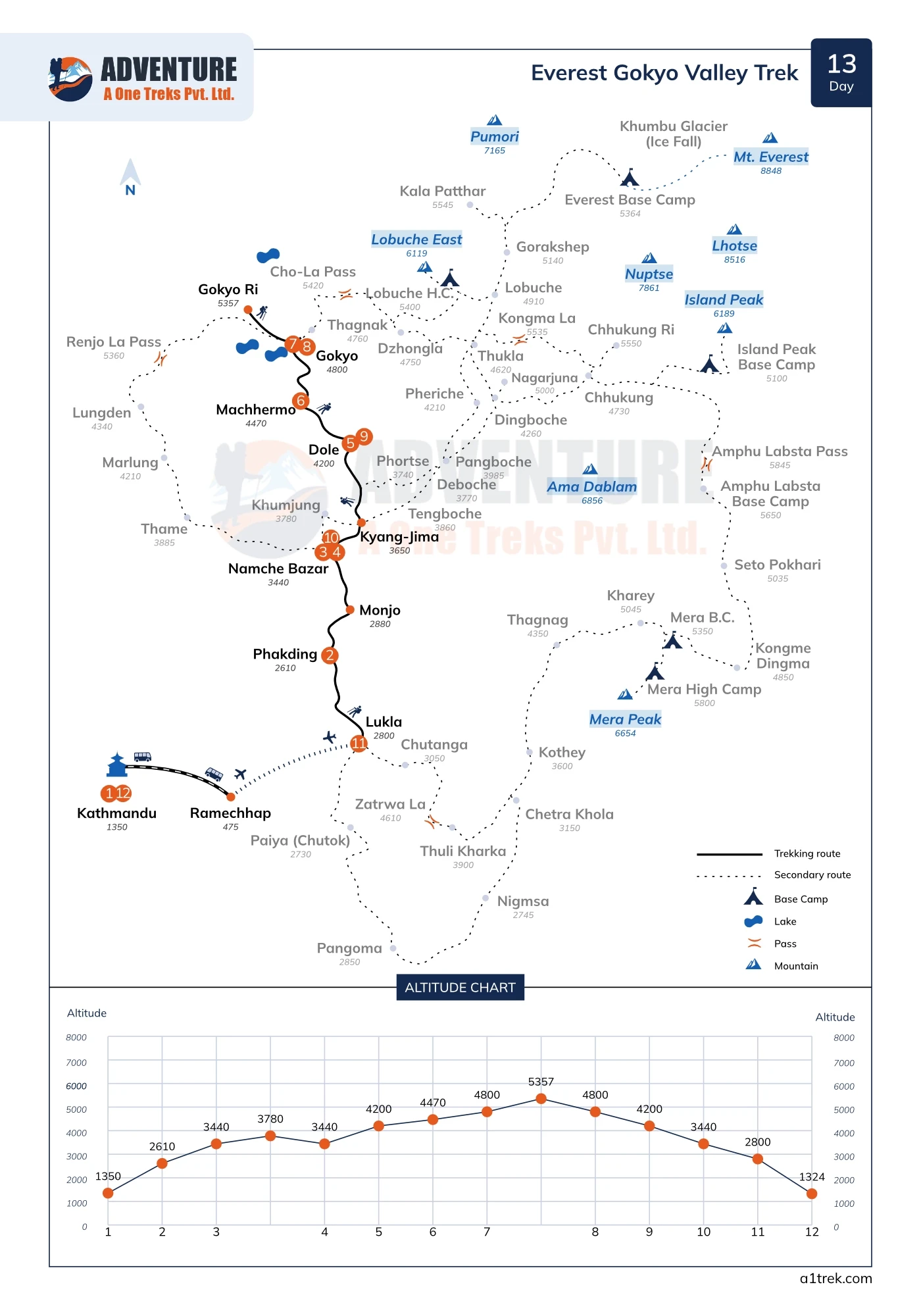
| Day 1 | Arrival in Kathmandu and transfer to the Hotel | 1,350m / 4,429ft | — |
| Day 2 | Flight to Lukla and trek to Phakding | 2,860m / 9,383ft (Lukla) | 3-4 hours |
| Day 3 | Trek to Namche Bazaar | 3,440m / 11,286ft | 6-7 hours |
| Day 4 | Rest day in Namche for acclimatization (Hike to Everest View Hotel) | 3,440m / 11,286ft | — |
| Day 5 | Trek from Namche to Dole | 4,110m / 13,484ft | 5-6 hours |
| Day 6 | Trek from Dole to Machhermo | 4,470m / 14,665ft | 4-5 hours |
| Day 7 | Trek from Machhermo to Gokyo Village | 4,750m / 15,584ft | 4-5 hours |
| Day 8 | Rest day in Gokyo for acclimatization (Visit 4th and 5th Lakes) | 4,750m / 15,584ft | — |
| Day 9 | Ascent of Gokyo Ri and descend to Dole | 5,357m / 17,575ft (Summit) | 7-8 hours |
| Day 10 | Trek from Dole to Namche Bazaar | 3,440m / 11,286ft | 5-6 hours |
| Day 11 | Trek from Namche to Lukla | 2,860m / 9,383ft | 6-7 hours |
| Day 12 | Flight to Kathmandu and transfer to Hotel | 1,350m / 4,429ft | 35 min flight |
| Day 13 | Final Departure or onward travel | — | — |
Upon your arrival at Tribhuvan International Airport in Kathmandu, a representative from Adventure A One Treks will welcome you and transfer you to your hotel. After check-in, you can take some time to rest or explore the nearby streets, depending on your arrival time. Your trekking guide will brief you about the Everest Gokyo Valley Trek, including the itinerary, necessary equipment, and preparations for the journey. Spend the night at your hotel in Kathmandu.


Begin with an early drive from Kathmandu to Manthali Airport in Ramechhap, followed by a scenic flight to Lukla. Flight arrangements may vary by season. After meeting the trekking crew, begin walking along the Dudh Koshi Valley toward Phakding. The trail passes through small settlements, suspension bridges, and forested sections before reaching your overnight teahouse.
Follow the Dudh Koshi River, crossing suspension bridges and passing through villages such as Monjo and Jorsale. Enter Sagarmatha National Park and continue toward the Hillary Suspension Bridge. The final section includes a sustained uphill climb to Namche Bazaar, the main trading town of the Khumbu region. Spend the evening resting and exploring the local shops and teahouses.
Spend the day allowing your body to adjust to the increasing altitude. You can hike toward Hotel Everest View for views of Everest and the surrounding peaks before returning to Namche Bazaar. If time permits, visit the Sherpa Culture Museum or explore the town's bakeries, shops, and local market. Keep a comfortable pace and avoid overexertion.
Leave the main Everest Base Camp route and follow the trail toward the Gokyo Valley. The path climbs above Namche Bazaar, offering views across the Khumbu mountains, before reaching the Mong La area and descending toward Phortse Tenga. Continue uphill through pine and rhododendron forests to Dole, a small mountain settlement with teahouses overlooking the surrounding hills.
Continue north through increasingly open alpine terrain, passing small settlements and grazing areas. The trail follows the hillside above the Dudh Koshi River, with views of surrounding peaks and barren mountain slopes. As you gain elevation, the vegetation becomes sparser. Reach Machhermo in the afternoon and use the remaining time to rest, hydrate, and prepare for the higher section of the trek.
Walk farther into the Gokyo Valley, following the trail through rocky terrain and glacial landscapes. The route climbs toward the Ngozumpa Glacier and passes the first and second Gokyo Lakes before reaching the settlement beside the third lake, Dudh Pokhari. After arriving at Gokyo, settle into your teahouse and enjoy the views across the turquoise water toward the surrounding mountains.
Maximum altitude: 5,357 m / 17,575 ft · Hiking: approximately 4–6 hours round trip Start early for the ascent of Gokyo Ri, one of the region's most impressive mountain viewpoints. The uphill trail is steep and demanding because of the altitude, but the summit offers broad views of Mount Everest, Cho Oyu, Lhotse, Makalu, the Ngozumpa Glacier, and the Gokyo Lakes. Descend carefully to the village and, depending on your energy, weather, and available time, explore the lakes or walk toward the Fourth Lake.
Leave Gokyo and retrace the trail through the rocky valley beside the Ngozumpa Glacier. Descend past Machhermo and continue toward Dole. Although the return route follows familiar terrain, the long downhill walk requires care on uneven and rocky sections. Arriving at Dole brings you back to a lower elevation, where you can rest and recover after the Gokyo Ri hike.
Descend through the alpine landscape toward Phortse Tenga, then climb toward Mong La before continuing along the trail to Namche Bazaar. The route combines downhill stretches with several uphill sections, so maintain a steady pace. Once in Namche, enjoy a warm meal, relax at a teahouse, or purchase souvenirs before continuing toward Lukla the following day.
Begin the descent from Namche Bazaar toward the Dudh Koshi Valley. Cross suspension bridges, pass through familiar Sherpa settlements, and continue through Phakding and other villages along the route. The trail includes steep downhill sections and some short climbs before reaching Lukla. Spend your final evening in the mountains with your trekking crew and prepare for the return flight.
Take a return flight from Lukla to Kathmandu, or to Manthali during periods when flights operate from Ramechhap. If you land at Manthali, continue by road to Kathmandu. After checking into your hotel, spend the rest of the day relaxing or exploring the city. You can visit local markets, enjoy Nepali food, or explore nearby cultural attractions if time allows.
Today marks the end of your Everest Gokyo Valley Trek with Adventure A One Treks. Depending on your flight schedule, you can enjoy breakfast at the hotel before a representative arranges your transfer to Tribhuvan International Airport. As you leave Nepal, take with you the memories of the turquoise Gokyo Lakes, the panoramic mountain views from Gokyo Ri, and the traditional Sherpa villages along the trail. We hope you had a wonderful trekking experience with Adventure A One Treks and look forward to welcoming you again for another Himalayan adventure.


I recently completed the Everest Gokyo Ri trek and it was an incredible experience! From the breathtaking views of the Himalayas to the friendly locals, this trek had something for everyone. The guides were extremely knowledgeable and the routes were well marked. The food was delicious and the accommodations were comfortable and clean. I highly recommend this trek to anyone looking for an amazing adventure that’s not too strenuous. Five stars all around!

Adventure A One Treks orchestrated an unforgettable 11-day Everest Gokyo Ri Trek that exceeded all expectations. The journey through pristine landscapes was a symphony of awe and wonder. The team's expertise was evident as they flawlessly navigated challenging paths and ensured our safety and comfort. From the heartwarming teahouse stays to the mind-boggling views from Gokyo Ri, every moment felt surreal. Adventure A One Treks' commitment to responsible tourism and their passionate guides made this trek both thrilling and enlightening. For an adventure that leaves you humbled and inspired, they're the ones to choose!
My trek to Gokyo Valley with Adventure A One Treks was an unforgettable Himalayan journey. The trails were filled with breathtaking mountain views, peaceful Sherpa villages, and beautiful alpine landscapes. Seeing the stunning turquoise Gokyo Lakes and the panoramic sunrise view from Gokyo Ri was truly the highlight of the trip. Everything was perfectly organized throughout the trek, making the experience comfortable and enjoyable. The team was professional, caring, and always supportive during the journey. I highly recommend this trek to anyone looking for a quieter and more scenic alternative to the classic Everest Base Camp route.
The Everest Gokyo Valley Trek with Adventure A One Treks exceeded all my expectations. From the beginning to the end, the journey was filled with spectacular Himalayan scenery, friendly local culture, and peaceful trekking trails. The views of Everest, Cho Oyu, and surrounding peaks from Gokyo Ri were absolutely breathtaking. The entire trip was very well managed, including accommodation, meals, and daily trekking arrangements. The staff was helpful, experienced, and always ensured we had a safe and enjoyable experience. This trek gave me unforgettable memories, and I would definitely recommend Adventure A One Treks for anyone planning an adventure in the Everest region.
Base Layers
Insulation Layers
Outer Layer
Base Layers
Trekking Pants
Headwear
Gloves
Trekking Boots
Camp Shoes
Socks
Sleeping
Backpack
Trekking Poles
Hydration
Sunglasses
·Headlamp
Basic Toiletries
Health Items
Important Documents
Money
Power Bank
Snacks
Camera
With proper preparation and the right equipment, your Everest Gokyo Lake Trek will be safe, comfortable, and unforgettable.
The highest elevation on the Everest Gokyo Ri Trek is Gokyo Ri at 5,357 meters above sea level. This is the highest point of the trek and offers some of the most spectacular views of the Everest region like Mt Everest, Lhotse, Cho-Oyu, Makalu, and many high peaks
The Gokyo Lake Trek ranks somewhere between moderate and tough. With consistent ascents, exposure to thin air, followed by extended hours on foot each day, this path demands stamina. Despite these aspects, fewer people choose it. When compared directly to the trail leading to Everest Base Camp, the effort required feels a bit lower. Crowds tend to favor other routes instead
Each day typically involves four to six hours of walking. Shorter durations might occur when adjusting to altitude. Hikes such as Gokyo Ri tend to extend beyond that range, influenced by personal speed and conditions outdoors
Possibly, hot showers can be found in numerous teahouses - with a separate fee applied. As altitude increases, access tends to drop off. At times, bathing involves a bucket rather than continuous flow
Frequent access to Wi-Fi appears across several teahouses, particularly within Namche and Gokyo - though speed often lacks consistency. Connectivity through services such as Everest Link exists, with options to obtain data plans on site
At higher elevations, choices on the menu grow more limited. Dishes served include dalbhat, soups, noodles, potatoes, pancakes, pasta, along with eggs. A blend of culinary traditions appears - Nepali, Tibetan, and simple global fare. As one climbs, fewer ingredients remain practical to transport. Meals adapt accordingly, relying on what stores well. Simplicity defines the offerings at mountain teahouses
Fitness matters more than past hikes when climbing at elevation. Still, readiness of body and mind makes a difference up high. While having walked long trails before can assist, it is not required by any means. What counts most? A strong resolve and stamina built ahead of time. Above tree line, preparation shows - especially where air grows thin
The Everest Gokyo Valley Trek is a moderately difficult trek that requires good physical fitness and the ability to walk for several hours a day. The trail includes steep uphill sections, rocky paths, and high-altitude terrain. The ascent of Gokyo Ri is particularly demanding because of the elevation.
The highest point of the standard Gokyo Valley Trek is Gokyo Ri at approximately 5,357 meters (17,575 feet). The viewpoint offers panoramic views of Mount Everest, Cho Oyu, Lhotse, Makalu, the Gokyo Lakes, and the Ngozumpa Glacier.
Yes. Altitude sickness is a potential risk because the route reaches elevations above 5,000 meters. Ascending gradually, following an appropriate acclimatization schedule, staying hydrated, and recognizing symptoms such as headache, nausea, dizziness, and unusual fatigue are important. If symptoms worsen, do not ascend further and seek medical advice.
Accommodation is mainly in mountain teahouses and lodges. Rooms are generally simple, with twin beds, mattresses, pillows, and blankets. Facilities become more basic at higher elevations, and private bathrooms may not be available at every stop. It is useful to carry a sleeping bag for additional warmth.
Wi-Fi is available at many teahouses in villages such as Lukla, Namche Bazaar, and Gokyo, usually for an additional charge. Connection speeds and reliability vary, particularly at higher elevations. Download offline maps and important documents before starting the trek.
Yes, but mobile coverage varies along the route. Nepal Telecom (NTC) and Ncell provide service in parts of the Everest region, although reception may be weak or unavailable in remote areas. A local SIM or eSIM can be useful, but it should not be your only means of emergency communication.
Pack layered clothing, a warm down jacket, waterproof outerwear, trekking trousers, broken-in hiking boots, warm socks, gloves, a hat, sunglasses, sunscreen, and a comfortable backpack. You should also bring personal medication, a basic first-aid kit, water purification supplies, a headlamp, and a power bank. Equipment needs may vary with the season.
Travel insurance is strongly recommended. Choose a policy that explicitly covers trekking at the elevations on your itinerary, including Gokyo Ri, as well as emergency medical treatment and helicopter evacuation in Nepal. Check the exclusions, coverage limits, and emergency assistance procedures before purchasing a policy.
| No of people | Price per person |
|---|---|
| 1 - 1 | $1,400 |
| 2 - 4 | $1,240 |
| 5 - 9 | $1,180 |
| 10 - 20 | $1,050 |