Private Car/ Van or Bus and Flight
5* hotel in Kathmandu and available in mountains everywhere for overnight including Everest View Lodge in Syangboche.
3 Meals during the trek.
The Everest region is the world's most iconic trekking destination, attracting thousands of adventurers every year with its towering Himalayan peaks, rich Sherpa culture, and the unforgettable journey to Everest Base Camp. For many trekkers, reaching the foot of the world's highest mountain is a once-in-a-lifetime achievement that combines breathtaking scenery, personal challenge, and cultural discovery.
For decades, many travelers believed that trekking in Everest meant accepting basic tea houses, simple meals, shared bathrooms, and limited comforts. While these traditional lodges remain an authentic part of the Everest experience, they are no longer the only option available.
Today, luxury trekking has transformed the Everest experience. Modern travelers can enjoy the spectacular beauty of the Himalayas without sacrificing comfort,
convenience, or personalized service. Carefully selected luxury lodges provide warm, spacious rooms, private bathrooms in many locations, comfortable beds, premium dining, Wi-Fi access where available, and attentive hospitality that elevates every stage of the journey.
An Everest Luxury Trek combines adventure with world-class service. From experienced private guides and dedicated porters to gourmet meals, flexible itineraries, and
seamless logistics, every detail is designed to maximize comfort while allowing you to fully immerse yourself in the mountains. Many luxury itineraries also include a scenic
helicopter return from the Everest region, allowing trekkers to avoid retracing their steps while enjoying spectacular aerial views of Mount Everest, Ama Dablam, Lhotse, and the Khumbu Glacier.
Whether you're celebrating a special milestone, traveling with family, seeking a premium adventure, or simply preferring a higher level of comfort, the Everest Luxury Trek offers an exceptional way to experience Nepal's most famous trekking route. It proves that you don't have to choose between adventure and comfort—you can enjoy both on one of the greatest journeys on Earth.
The Everest Luxury Trek is a premium version of the classic Everest Base Camp Trek, offering the same legendary Himalayan adventure with significantly enhanced comfort, personalized service, and high-end accommodations. It follows nearly the same trekking route as the traditional Everest Base Camp journey, allowing trekkers to
experience the breathtaking landscapes, Sherpa culture, ancient monasteries, and the iconic Everest Base Camp while enjoying a much higher standard of hospitality.
Unlike the standard trek, where accommodation is often limited to basic tea houses with shared facilities, the Everest Luxury Trek features carefully selected luxury lodges and premium mountain hotels wherever available. These properties provide comfortable rooms, superior amenities, and attentive service, making the journey more enjoyable without compromising the adventure.
Throughout the trek, guests can expect:
One of the defining features of many Everest Luxury Trek itineraries is the helicopter return option. Instead of spending several additional days retracing the trail back to Lukla, trekkers can board a helicopter from the Everest region and enjoy an
unforgettable flight over glaciers, snow-capped peaks, deep valleys, and remote Sherpa villages. This not only saves time but also provides spectacular aerial views of Mount Everest, Lhotse, Nuptse, Ama Dablam, and the Khumbu Glacier.
Importantly, while the level of comfort is greatly enhanced, the trekking experience itself remains almost identical to the classic Everest Base Camp Trek. Trekkers still walk through the picturesque villages of Namche Bazaar, Tengboche, Dingboche,
Lobuche, and Gorakshep, visit Everest Base Camp, and hike to the famous viewpoint of Kala Patthar for panoramic sunrise views of the world's highest mountains. The difference lies not in the destination, but in how comfortably you experience the journey.
For travelers who want to combine adventure with luxury, the Everest Luxury Trek offers the perfect balance—delivering the authentic Everest experience while providing the comfort, convenience, and premium service expected from a world-class trekking holiday.
Choosing the right season can make a significant difference to your Everest Luxury Trek experience. Weather conditions affect mountain visibility, trail conditions, flight reliability, and overall comfort. While the Everest region is accessible throughout the year, spring and autumn are widely considered the best seasons for luxury trekking.
Each season offers a unique experience, allowing travelers to choose the one that best matches their preferences.
Spring (March – May)
Spring is one of the most popular seasons for the Everest Luxury Trek. As winter snow begins to melt, the trails come alive with blooming rhododendron forests, pleasant temperatures, and crystal-clear mountain views.
March
March marks the beginning of the trekking season. Temperatures gradually rise, the skies become clearer, and the trails are less crowded than in peak season.
Highlights:
April
April is often considered the best month to trek to Everest Base Camp. Stable weather, mild daytime temperatures, and spectacular mountain panoramas create ideal trekking conditions.
Highlights:
May
May offers warmer temperatures, especially at lower elevations, making it a comfortable time for trekking before the summer monsoon arrives.
Highlights:
Pros of Spring
Cons of Spring
Autumn (September – November)
Autumn is another premier trekking season in Nepal. Following the summer monsoon, the air becomes exceptionally clean, creating some of the clearest mountain views of the year.
September
Early September may still experience occasional post-monsoon showers, but conditions improve significantly as the month progresses.
Highlights:
October
October is widely regarded as the finest month for trekking in Nepal. Pleasant temperatures, dry weather, and breathtaking Himalayan views make it ideal for the Everest Luxury Trek.
Highlights:
November
November offers cool temperatures, dry trails, and fewer trekkers compared to October, while still providing magnificent mountain scenery.
Highlights:
Pros of Autumn
Cons of Autumn
Winter (December – February)
Winter transforms the Everest region into a peaceful alpine wonderland. Snow-covered peaks, quiet trails, and tranquil villages create a unique trekking experience.
Luxury trekking remains possible during winter, although colder temperatures require proper preparation.
Pros
Cons
Summer / Monsoon (June – August)
Summer coincides with Nepal's monsoon season. Although trekking is still possible, frequent rainfall and cloud cover make this the least popular time for the Everest Luxury Trek.
However, rain in the Everest region is generally less intense than in many other parts of Nepal due to its rain-shadow effect.
Pros
Cons
Which Season Is Best?
For most travelers, April, May, October, and November provide the best balance of weather, visibility, trail conditions, and luxury lodge availability. These months offer the highest chance of clear Himalayan panoramas, comfortable trekking temperatures, and an exceptional overall experience.
If you prefer quieter trails, winter and early spring can also be rewarding, provided you are prepared for colder conditions. Regardless of the season, choosing a professionally organized Everest Luxury Trek ensures the best available accommodations, experienced guides, and flexible planning to make your Himalayan adventure as comfortable and enjoyable as possible.
For more information on Best Seasons Trek to Everest Base Camp, check out our detailed article.
The Everest Luxury Trek offers significantly greater comfort than the standard Everest Base Camp Trek, but it does not reduce the physical challenge of the journey. You
will still trek through the same Himalayan landscapes, gain substantial altitude, and walk the same mountain trails to reach Everest Base Camp and Kala Patthar.
Overall, the Everest Luxury Trek is considered moderate to challenging. It is achievable for most healthy individuals with reasonable fitness and proper preparation, but it
should not be underestimated.
Altitude is the Biggest Challenge
The primary difficulty is not the trail itself—it's the altitude.
During the trek, you'll gradually ascend from Lukla (2,860 m / 9,383 ft) to:
As elevation increases, oxygen levels decrease, making even gentle uphill walking feel more demanding. Moving slowly and following the planned acclimatization schedule is essential for a safe and enjoyable trek.
Daily Walking Hours
Most trekking days involve 5 to 7 hours of walking, although some days are shorter and others, such as the Everest Base Camp and Kala Patthar days, may take 7 to G hours.
The pace is steady rather than fast, with regular breaks for rest, hydration, meals, and photography.
Trail Conditions
The Everest trail is well established and does not require technical climbing or mountaineering skills. However, trekkers should expect:
Good trekking boots and trekking poles can greatly improve comfort and stability.
Fitness Required
You don't need to be an athlete, but a good level of cardiovascular fitness will make the trek much more enjoyable.
Recommended preparation includes:
Training for several weeks before your trip helps improve stamina and confidence on the trail.
Does Luxury Make the Trek Easier?
While the physical route remains the same, luxury trekking enhances recovery after each day's hike. Comfortable beds, warm dining rooms, nutritious meals, hot showers, and premium accommodations allow your body to rest more effectively, helping you stay refreshed for the next day's adventure.
Altitude sickness, also known as Acute Mountain Sickness (AMS), is one of the most important considerations for anyone trekking in the Everest region. It can affect anyone, regardless of age, fitness level, or previous trekking experience.
The best way to manage altitude sickness is through proper acclimatization, gradual ascent, and early recognition of symptoms.
Common Symptoms of Altitude Sickness
Mild symptoms may include:
• Nausea
These symptoms are relatively common at higher elevations and should never be ignored.
If symptoms become severe or worsen despite rest, immediate medical attention and descent are necessary.
How to Prevent Altitude Sickness
The Everest Luxury Trek follows a carefully designed itinerary that includes acclimatization days to reduce the risk of altitude illness.
Additional preventive measures include:
There is no substitute for a slow, well-planned ascent.
Stay Well Hydrated
Hydration plays a vital role in acclimatization.
Trekkers are generally encouraged to drink 3–4 liters of water per day, along with warm soups, tea, and other non-alcoholic fluids. Proper hydration supports your body's adaptation to altitude and reduces the risk of dehydration.
Importance of Acclimatization
Most Everest itineraries include dedicated acclimatization days in villages such as Namche Bazaar and Dingboche.
These rest days typically involve short hikes to higher elevations followed by a return to sleep at a lower altitude. This "climb high, sleep low" approach helps your body adjust to reduced oxygen levels and significantly lowers the risk of altitude sickness.
Medication
Some trekkers choose to take Acetazolamide (Diamox) to assist with acclimatization. This medication may help reduce the likelihood or severity of altitude sickness, but it should only be used after consulting your doctor or a qualified healthcare professional.
Your trekking guide will also carry a comprehensive first-aid kit and monitor the health of all group members throughout the journey.
Emergency Evacuation
In the unlikely event of severe altitude sickness or another medical emergency, helicopter evacuation is the fastest and safest method of transport from the Everest region.
For this reason, comprehensive travel insurance that covers high-altitude trekking and emergency helicopter evacuation is mandatory before beginning the trek.
Experienced guides are trained to recognize the early signs of altitude illness and will prioritize your safety. If necessary, they will arrange an immediate descent or emergency evacuation to ensure you receive appropriate medical care as quickly as possible.
Safety Comes First
With a well-planned itinerary, experienced guides, proper acclimatization, and responsible trekking practices, thousands of travelers safely complete the Everest
Luxury Trek each year. By respecting the altitude, staying hydrated, maintaining a steady pace, and following your guide's instructions, you can greatly reduce the risks and fully enjoy one of the world's most extraordinary trekking experiences.
The Everest Luxury Trek is designed for travelers who want to experience the world's most famous trekking destination without giving up comfort and convenience. While the breathtaking mountain scenery, Sherpa culture, and iconic Everest Base Camp remain the same, the quality of accommodation, dining, and overall service is elevated throughout the journey.
Whether you're celebrating a milestone, traveling with family, have limited time, or simply prefer a more comfortable trekking experience, a luxury trek allows you to focus on enjoying the Himalayas while experienced professionals handle every detail.
Luxury Comfort Throughout the Journey
One of the biggest advantages of the Everest Luxury Trek is the level of comfort available along the trail. Instead of staying exclusively in basic mountain tea houses, you'll spend your nights in carefully selected luxury lodges that offer a warm, relaxing environment after long trekking days.
Many luxury lodges feature:
After walking through the Himalayas all day, returning to a warm lodge with quality amenities makes a remarkable difference in your overall trekking experience.
Better Food and Dining Experience
Nutrition plays an important role during high-altitude trekking, and luxury lodges offer a much wider variety of meals than standard tea houses.
Instead of a limited menu, you can enjoy:
Having access to diverse, nutritious meals not only improves comfort but also helps maintain energy levels during consecutive days of trekking.
Private Rooms for Better Rest
Unlike standard Everest treks where shared accommodation is common during busy trekking seasons, luxury treks prioritize private rooms whenever possible.
Private accommodations provide:
Good sleep is essential for acclimatization and recovery, making private rooms a valuable part of the luxury trekking experience.
Hot Showers Almost Every Day
After hours of trekking through mountain trails, a hot shower becomes one of the most appreciated comforts.
Luxury lodges provide hot shower facilities at nearly every overnight stop where
infrastructure allows. While availability becomes more limited at the highest elevations due to the remote environment, you'll enjoy hot showers far more frequently than on a standard Everest Base Camp trek.
This added comfort helps trekkers feel refreshed and ready for the next day's adventure.
More Reliable Internet Connectivity
Although internet access in the Everest region depends on mountain weather and local infrastructure, luxury lodges generally provide more reliable Wi-Fi services than standard tea houses.
This allows trekkers to:
While speeds cannot match city networks, luxury accommodations typically offer stronger and more consistent connectivity throughout much of the trek.
Optional Helicopter Return from Gorakshep
One of the defining features of many Everest Luxury Trek packages is the optional helicopter return after reaching Everest Base Camp and Kala Patthar.
Instead of trekking three additional days back to Lukla, you can board a helicopter from Gorakshep (subject to weather, operational conditions, and itinerary) and enjoy an unforgettable flight over the Khumbu region.
Benefits include:
For travelers with limited vacation time, the helicopter return offers both convenience and an extraordinary sightseeing experience.
A Stress-Free Trekking Experience
Luxury trekking is about more than premium accommodation—it's about providing a seamless, professionally managed journey from arrival to departure.
Every aspect of the trip is carefully organized, including:
With the planning handled by experienced professionals, you can focus entirely on the stunning landscapes, cultural experiences, and the unforgettable achievement of
reaching Everest Base Camp.
The Best of Both Worlds
The Everest Luxury Trek allows you to experience all the highlights of the classic Everest Base Camp route while enjoying exceptional comfort and premium service. From luxury lodges and gourmet meals to hot showers, private rooms, reliable internet, and an optional helicopter return, it offers an ideal balance of adventure and relaxation—
making one of the world's greatest treks accessible to a wider range of travelers.
Luxury Lodges on the Everest Trail
One of the defining features of the Everest Luxury Trek is the opportunity to stay in some of the finest mountain lodges in Nepal. These premium accommodations provide a level of comfort rarely associated with high-altitude trekking, allowing travelers to relax, recharge, and fully enjoy the journey through the Himalayas.
Unlike traditional tea houses, luxury lodges focus on superior hospitality, comfortable rooms, excellent dining, and modern amenities wherever mountain infrastructure permits. While facilities naturally become simpler at higher elevations, the best available accommodations are carefully selected throughout the trek.
Mountain Lodges of Nepal (MLN)
Mountain Lodges of Nepal (MLN) is one of the pioneers of luxury trekking
accommodation in the Everest region. Their lodges are strategically located along the trekking route and are known for combining traditional Sherpa architecture with modern comfort.
Guests can expect:
Everest Summit Lodge
Everest Summit Lodge is another well-established luxury lodge collection offering premium accommodation throughout the Khumbu region. The lodges blend local
design with modern conveniences, creating a welcoming atmosphere after a full day of trekking.
Highlights include:
Yeti Mountain Home
Yeti Mountain Home is widely regarded as one of the finest luxury lodge brands in the Everest region. With properties in several trekking villages, it offers consistent service and premium comfort throughout much of the journey.
Guests typically enjoy:
Hotel Everest View
Perched above Namche Bazaar at an altitude of approximately 3,880 meters (12,729
feet), Hotel Everest View is one of the world's highest luxury hotels. It is renowned for its breathtaking panoramic views of Mount Everest, Ama Dablam, Lhotse, and the
surrounding Himalayan peaks. Guests can enjoy:
More Luxury Lodges Are Available
The lodges listed above are some of the most popular luxury accommodations in the Everest region, but they are not the only options. We work with a carefully selected network of premium lodges and boutique mountain hotels throughout the Everest trail, allowing us to customize your accommodation based on availability, travel dates, group size, and personal preferences.
If you have a specific lodge in mind—or would like to stay at a particular luxury property—we'll be happy to tailor your itinerary accordingly whenever possible. Our goal is to ensure you enjoy the highest level of comfort throughout your Everest journey.
Whether you prefer renowned luxury brands, boutique Himalayan lodges, or exclusive mountain retreats, we can help create an Everest Luxury Trek that matches your expectations and travel style
Accommodation is one of the key features that distinguishes the Everest Luxury Trek from the standard Everest Base Camp experience. Throughout the journey, we carefully select the highest-quality hotels and lodges available at each destination, ensuring maximum comfort while respecting the limitations of the remote Himalayan environment.
The Everest region becomes increasingly isolated as you gain altitude. While lower elevations offer luxury mountain lodges with modern amenities, accommodation
naturally becomes more basic in the higher villages due to limited infrastructure. Even so, our luxury trek uses the best available accommodation at every overnight stop, providing a comfortable and enjoyable experience from start to finish.
Accommodation Standards
| Location | Accommodation Standard |
| Kathmandu | 5-Star Luxury Hotel |
| Lukla | Premium Mountain Lodge |
| Phakding | Luxury Lodge |
| Namche Bazaar | Luxury Lodge |
| Deboche | Premium Lodge |
| Dingboche | Comfortable Lodge |
| Lobuche | Best Available Lodge |
| Gorakshep | Best Available Tea House |
What You Can Expect
Depending on the location and altitude, your accommodation may include:
• Private, comfortable rooms at lower elevations
Why Accommodation Changes with Altitude
As the trek progresses beyond Namche Bazaar, transporting construction materials, fuel, food supplies, and utilities becomes increasingly difficult. Every item must be
flown into Lukla and then carried by porters, yaks, or dzopkyos to higher villages. As a result, luxury hotels comparable to those in Kathmandu simply do not exist near Everest Base Camp.
Instead, we prioritize the best available lodges at each destination, ensuring they meet high standards of cleanliness, comfort, hospitality, and service. While accommodations in Lobuche and Gorakshep are simpler than those at lower elevations, they remain the preferred choice for trekkers seeking the highest level of comfort available in these remote mountain settlements.
Comfort Without Compromising the Adventure
The Everest Luxury Trek strikes the perfect balance between adventure and comfort. You'll enjoy five-star hospitality before and after your trek in Kathmandu, premium mountain lodges throughout much of the Khumbu region, and the finest available
accommodation as you approach Everest Base Camp. This thoughtful progression
allows you to experience the authentic Himalayas while enjoying a level of comfort that enhances every stage of your journey.
Food During the Everest Luxury Trek
One of the biggest advantages of the Everest Luxury Trek is the quality and variety of food available throughout the journey. Proper nutrition is essential for trekking at high altitude, and our carefully selected lodges serve freshly prepared, nutritious meals to keep you energized each day.
From hearty Himalayan breakfasts to international dinners, you'll enjoy a diverse menu that caters to different dietary preferences without compromising on quality or hygiene.
Breakfast
Breakfast is designed to provide the energy needed for a full day of trekking. Depending on the lodge, you can choose from a variety of options, including:
A nutritious breakfast helps prepare your body for long hiking days and changing mountain conditions.
Lunch
Lunch is usually served at a lodge along the trekking trail and includes both local and international dishes.
Popular choices include:
• Baked potatoes
Meals are prepared fresh using locally available ingredients whenever possible.
Dinner
Dinner is the most important meal of the day after several hours of trekking. Luxury lodges offer warm, satisfying meals in comfortable heated dining rooms.
Dinner menus often include:
A balanced dinner supports recovery and helps your body adapt to higher altitudes.
Snacks Throughout the Trek
Keeping your energy levels consistent is important while trekking. Many luxury lodges and teahouses offer:
Many trekkers also bring their favorite energy snacks from Kathmandu.
Fresh Coffee and Specialty Beverages
Unlike many standard trekking routes, luxury lodges often serve excellent coffee. Depending on the location, you may enjoy:
Enjoying a quality cup of coffee while overlooking the Himalayas is one of the simple pleasures of the luxury trekking experience.
Fresh Bakery Items
Several luxury lodges have their own bakeries or receive fresh baked goods daily. You may find:
Fresh bakery items are especially popular in Namche Bazaar and other well-developed trekking villages.
Desserts
Luxury lodges often offer desserts that are uncommon in traditional tea houses. Depending on the location, desserts may include:
A warm dessert after a day of trekking is a welcome treat in the cool mountain climate.
Vegetarian and Vegan Options
The Everest Luxury Trek is well suited for vegetarians and vegans. Most lodges offer a wide range of plant-based meals prepared with fresh vegetables, grains, lentils, potatoes, and seasonal produce.
Vegetarian options commonly include:
Vegan meals can also be prepared at many lodges. If you have dietary restrictions or food allergies, let us know before your trek so we can coordinate with the lodges and guides whenever possible.
Safe Drinking Water
Staying hydrated is essential for successful acclimatization and overall health during the trek.
To minimize plastic waste and promote responsible travel, we recommend carrying a reusable water bottle. Safe drinking water is readily available throughout the route through various options, including:
A Dining Experience That Matches the Journey
The Everest Luxury Trek offers far more than basic mountain meals. From hearty
breakfasts and freshly brewed coffee to international cuisine, bakery treats, delicious desserts, and thoughtfully prepared vegetarian and vegan dishes, every meal is
designed to enhance your trekking experience. Combined with warm hospitality and comfortable dining rooms, the food becomes another memorable highlight of your journey through the Himalayas.
Everest Luxury Trek Cost
The cost of an Everest Luxury Trek is higher than a standard Everest Base Camp trek
because it offers a significantly upgraded travel experience. Instead of basic tea houses and shared facilities, you'll enjoy premium accommodations, personalized services,
and carefully planned logistics that make your Himalayan adventure more comfortable, efficient, and memorable.
Depending on the itinerary, travel season, group size, and level of luxury, the Everest Luxury Trek typically ranges from USD 3,500 to USD 6,500+ per person. Exclusive private departures, five-star hotel upgrades, or private helicopter charters may increase the overall price.
While the investment is greater, many travelers find the added comfort, convenience, and personalized service well worth the cost.
The premium price reflects the quality of accommodation, professional services, and enhanced trekking experience provided throughout the journey.
Luxury Hotels in Kathmandu
Your adventure typically begins and ends with accommodation in a 5-star hotel in Kathmandu. These hotels offer spacious rooms, excellent restaurants, wellness facilities, and premium hospitality, providing a relaxing start and finish to your
Himalayan adventure.
Experienced Private Guide
A professional, government-licensed trekking guide accompanies you throughout the trek. Private guides provide personalized attention, flexible pacing, local cultural
insights, and enhanced safety, ensuring a more enjoyable and rewarding experience.
Dedicated Porter Service
Your luggage is carried by experienced porters, allowing you to trek comfortably with only a light daypack containing your daily essentials. This greatly reduces physical strain, especially at higher altitudes.
Domestic Flights
The package includes domestic flights between Kathmandu (or Ramechhap during peak seasons) and Lukla, one of the world's most spectacular mountain airports. These flights are an essential part of reaching the Everest region.
Trekking Permits
All required government permits are generally included, such as:
Permit arrangements are handled in advance, saving you time and ensuring compliance with local regulations.
Premium Mountain Lodges
Unlike standard treks that rely mainly on basic tea houses, luxury treks use carefully selected premium lodges wherever available. These accommodations offer private
rooms, comfortable beds, heated dining areas, quality meals, and upgraded amenities that significantly enhance the trekking experience.
Optional Helicopter Return
Many luxury itineraries include, or offer as an upgrade, a helicopter flight from Gorakshep after visiting Everest Base Camp and Kala Patthar. This scenic return
eliminates several days of descending on foot while providing breathtaking aerial views of the Khumbu Glacier and the world's highest peaks.
Meals During the Trek
Luxury packages typically include freshly prepared breakfasts, lunches, and dinners throughout the trek. Menus often feature both Nepali and international cuisine, fresh
bakery items, premium coffee, and nutritious meals designed for high-altitude trekking.
Airport Transfers
Private airport transfers between Tribhuvan International Airport, your hotel, and domestic airports provide a seamless travel experience from arrival to departure.
Trekking Equipment Support
Many luxury trekking operators provide or arrange selected trekking equipment, such as sleeping bags, duffel bags, trekking poles, or down jackets. Specific equipment
inclusions vary by package, so it's always worth checking before booking.
Travel Insurance
Travel insurance is usually not included in the package price, but it is mandatory for the Everest Luxury Trek. Your policy should cover:
Comprehensive insurance provides peace of mind when trekking in remote mountain environments.
For many travelers, the answer is yes. The Everest Luxury Trek offers the same iconic journey to Everest Base Camp while replacing much of the physical discomfort
associated with traditional trekking. Comfortable accommodations, exceptional dining, professional guides, seamless logistics, and the option of a helicopter return create a premium Himalayan experience that allows you to focus on the adventure rather than the challenges of travel.
If you're looking for the perfect balance of adventure, comfort, and world-class service, the Everest Luxury Trek is one of the finest trekking experiences available in Nepal.
Essential Travel Tips for the Everest Luxury Trek
A little preparation goes a long way toward making your Everest Luxury Trek smooth, comfortable, and enjoyable. Although luxury trekking offers premium accommodations and services, you're still traveling in a remote Himalayan region where facilities can be limited. The following tips will help you make the most of your adventure.
Carry Enough Cash
There are very few ATMs along the Everest trail, and those available in places like Namche Bazaar may be unreliable or out of service. It's best to withdraw sufficient Nepalese Rupees (NPR) in Kathmandu before your trek.
Cash is useful for:
• Charging electronic devices
Credit cards are accepted only at a limited number of locations and may incur additional transaction fees.
Internet Connectivity
Most luxury lodges offer Wi-Fi, particularly at lower elevations such as Lukla, Phakding, and Namche Bazaar. However, internet speed and reliability decrease as you gain
altitude due to the remote location and weather conditions.
If staying connected is important, be prepared for occasional interruptions and slower speeds at higher elevations.
Charging Electronic Devices
Charging facilities are available at most lodges, but many higher-altitude
accommodations charge a small fee per device because electricity is generated through solar power or limited local resources.
To avoid running out of battery:
Get a Local SIM Card
Purchasing a Nepalese SIM card is recommended if you want mobile data and local network access during your trip.
The two main providers are:
Coverage becomes less reliable as you approach Everest Base Camp, so don't expect continuous mobile service throughout the trek.
Water Purification
Staying hydrated is essential for acclimatization and overall health. Rather than purchasing single-use plastic bottles, consider using:
This approach is both safer and more environmentally friendly.
Purchase Comprehensive Travel Insurance
Travel insurance is mandatory for the Everest Luxury Trek. Your policy should cover:
Always carry a digital and printed copy of your insurance policy and emergency contact details.
Respect Sherpa Culture
The Everest region is home to the Sherpa people, whose traditions, hospitality, and Buddhist heritage are an integral part of the trekking experience.
A few simple practices help show respect:
Showing cultural respect helps preserve the traditions that make the Everest region so unique.
Tipping
Tipping is not mandatory in Nepal, but it is a well-established way of recognizing the hard work and dedication of guides, porters, and support staff.
If you're satisfied with the service, tipping is greatly appreciated and directly benefits the local team who help make your trek successful.
The amount depends on:
Your trekking company can provide general tipping guidelines before the trek begins.
The Everest Luxury Trek combines world-class adventure with premium comfort, but success still depends on good preparation. Carry enough cash, stay hydrated, protect yourself with comprehensive travel insurance, respect the local Sherpa culture, and
travel responsibly. With the right planning, you'll be free to focus on what truly matters—experiencing one of the most extraordinary trekking destinations on Earth.
[trip:everest-base-camp-trek]
Both the Everest Luxury Trek and the standard Everest Base Camp Trek follow nearly the same route through the Khumbu region, passing iconic destinations such as Namche Bazaar, Tengboche, Dingboche, Lobuche, Gorakshep, Everest Base Camp, and Kala Patthar. The spectacular mountain scenery, Sherpa culture, and sense of
achievement remain the same.
The primary difference lies in the level of comfort, accommodation, dining experience, and personalized services. The luxury trek is designed for travelers who want to enjoy
the adventure of Everest while benefiting from premium facilities and seamless logistics.
Comparison Table
| Feature | Everest Luxury Trek | Standard Everest Base Camp Trek |
Accommodation | Luxury lodges, premium mountain hotels, and the best available lodges at higher elevations | Standard tea houses with basic facilities |
Meals | Wide selection of Nepali and international cuisine, fresh bakery items, premium coffee, and healthier meal options | Simple tea house menu with fewer choices |
| Cost | Higher investment due to premium services and accommodations | More budget-friendly |
| Comfort | High level of comfort with upgraded amenities and personalized service | Basic but comfortable enough for trekking |
| Services | Private or small-group experience with personalized attention | Standard group services |
Guide Ratio | Private guide or low guide-to-client ratio for a more personalized experience | Larger groups with one guide for multiple trekkers |
| Helicopter Return | Optional or included in selected luxury packages | Usually not included |
Private Rooms | Available at most lower and mid-altitude lodges | Shared or basic private rooms, depending on availability |
| Internet | Better Wi-Fi availability at luxury lodges where infrastructure permits | Limited Wi-Fi, often slower and less reliable |
Bathrooms | Attached private bathrooms at many lower-altitude lodges and upgraded facilities where available | Mostly shared bathrooms, especially at higher elevations |
Which Trek Is Right for You?
Choose the Everest Luxury Trek if you:
Both treks lead to the same unforgettable destination—Everest Base Camp—and offer incredible views of the world's highest mountains. The difference is not in the trail, but in the experience along the way. If comfort, convenience, premium hospitality, and personalized service are important to you, the Everest Luxury Trek provides an exceptional way to experience one of the world's greatest adventures.
An Everest Luxury Trek is a once-in-a-lifetime investment. The right trekking company
doesn't just book your hotels and permits—it shapes your entire Himalayan experience. At Adventure A1 Treks, we go beyond simply organizing treks. We create personalized journeys that combine authentic local expertise, premium comfort, and unwavering attention to your safety and satisfaction.
From your first inquiry until you depart Nepal, our dedicated team ensures every detail is carefully planned, allowing you to enjoy the Everest experience with complete peace of mind.
Local Experts Who Know Everest Best
As a Nepal-based trekking company, our experienced local guides have extensive knowledge of the Everest region. They understand the terrain, weather, culture, and
altitude challenges, enabling them to make informed decisions that prioritize both your safety and overall experience.
Customized Luxury Experiences
No two travelers are alike, and your itinerary shouldn't be either. Whether you're looking for a private luxury trek, a honeymoon adventure, a family holiday, additional
acclimatization days, or a helicopter return from Gorakshep, we'll tailor every aspect of your journey to match your travel style, fitness level, and schedule.
Handpicked Luxury Lodges
Your comfort matters. We partner with carefully selected luxury lodges and premium mountain accommodations known for their exceptional hospitality, comfortable rooms, quality dining, and stunning Himalayan locations. Whenever possible, we reserve the
best available accommodations to ensure a memorable stay throughout your trek.
Personalized Service from Day One
From the moment you arrive in Nepal, you'll receive dedicated assistance from our team. We handle airport transfers, hotel arrangements, permits, domestic flights, trekking logistics, and every detail in between, so you can focus entirely on enjoying your adventure.
Small Groups, Greater Flexibility
We believe that smaller groups create better experiences. Whether you choose a private trek or a small-group departure, you'll enjoy a flexible pace, more personal attention from your guide, and a journey tailored to your comfort and interests.
Flexible Helicopter Options
Want to save time or end your trek with breathtaking aerial views of Mount Everest? We offer flexible helicopter services, including shared and private helicopter returns, scenic Everest flights, and customized helicopter experiences based on your preferences.
Transparent Pricing with No Hidden Costs
We believe trust begins with transparency. Our quotations clearly explain what is included, what is optional, and what additional expenses you may encounter. No unexpected surprises—just honest pricing and exceptional value.
Safety Is Our Highest Priority
Luxury means peace of mind. Our itineraries include proper acclimatization,
experienced licensed guides, high-altitude first-aid preparedness, and continuous monitoring of weather and trail conditions. If an emergency arises, we coordinate immediate assistance and helicopter evacuation when necessary.
A Journey Designed Around You
Whether you're celebrating a special occasion, traveling with loved ones, or fulfilling a lifelong dream, we take the time to understand your expectations. Every
recommendation—from accommodations and trekking pace to helicopter options and additional experiences—is made with your comfort and goals in mind.
Your Everest Dream Deserves More Than a Standard Tour
Reaching Everest Base Camp is an extraordinary achievement. How you experience the journey is entirely your choice.
With Adventure A1 Treks, you'll enjoy the perfect combination of authentic Himalayan adventure, carefully selected luxury accommodations, experienced local guides, personalized service, and complete support throughout your journey. We don't believe in one-size-fits-all packages—we believe in creating an Everest experience that's
uniquely yours.
Let's Plan Your Personalized Everest Luxury Trek
If you're looking for a trekking company that genuinely listens to your needs, provides honest advice, and designs a journey around your preferences, we'd love to help.
Contact Adventure A1 Treks today for a free, no-obligation consultation. Our Everest travel specialists will help you:
Your Everest journey is too important to leave to luck. Let Adventure A1 Treks create an experience you'll remember for a lifetime.
Welcome to Nepal! Upon your arrival at Tribhuvan International Airport in Kathmandu, a representative from Adventure A One Treks will greet you and transfer you to your hotel. After checking in, you can rest and recover from your journey. Depending on your arrival time, you may explore the nearby streets or enjoy a relaxed evening in Kathmandu. Later, you will meet your trekking guide for a short briefing about the Everest Base Camp Trek, including the itinerary, preparations, and necessary equipment.


After breakfast, enjoy a guided sightseeing tour of Kathmandu Valley's historical and cultural attractions. You will visit important UNESCO World Heritage Sites, including Pashupatinath Temple, Boudhanath Stupa, Swayambhunath Stupa, and Kathmandu Durbar Square. These landmarks offer insight into Nepal's Hindu and Buddhist traditions, ancient architecture, and local culture. After completing the sightseeing tour, return to your hotel and prepare for the following day's flight to Lukla.
Your Everest adventure begins with an early morning flight to Lukla, offering views of the Himalayan landscape. After landing at Tenzing-Hillary Airport, meet the remaining trekking crew and organize your luggage before starting the trek. The trail descends gradually through Chaurikharka village and passes small settlements, prayer wheels, mani walls, and suspension bridges. Following the Dudh Koshi River, you will reach Phakding after approximately 3–4 hours of walking.
After breakfast, continue trekking along the Dudh Koshi River, crossing several suspension bridges, including the famous Hillary Suspension Bridge. The trail passes through small villages such as Toktok, Benkar, and Monjo before reaching the entrance of Sagarmatha National Park. After completing the necessary permit formalities, continue towards Jorsalle for a short break. The final section involves a steady uphill climb through pine and rhododendron forests to Namche Bazaar, the main trading centre of the Khumbu region.
Today is reserved for acclimatization to help your body adjust to the increasing altitude. After breakfast, take a short scenic hike to higher elevations before returning to Namche Bazaar. You can visit the Everest View Hotel area or explore nearby viewpoints for views of Everest, Lhotse, Ama Dablam, and other Himalayan peaks. You may also visit the Sherpa Culture Museum and explore the local markets, bakeries, and shops. Spend the night in Namche Bazaar.
Leaving Namche Bazaar, follow a scenic trail with open views of Mount Everest, Nuptse, Lhotse, and Ama Dablam. The route initially follows a relatively gentle path towards Kyangjuma before descending to Phunki Tenga. After crossing the Dudh Koshi River, climb through forested sections of pine and rhododendron to reach Tengboche. This village is home to the famous Tengboche Monastery, one of the most important Buddhist monasteries in the Khumbu region. If time permits, explore the monastery and its peaceful surroundings.
After breakfast, descend through a beautiful forest towards Deboche and cross the Imja Khola via a suspension bridge. The trail continues through Pangboche village, where you can observe traditional Sherpa houses, stone walls, and Buddhist monuments. As you gain elevation, the landscape gradually becomes more open and less forested. Continue towards Somare and Orsho before reaching Dingboche, a traditional Sherpa settlement surrounded by stone-walled fields and mountain scenery.
Spend another day acclimatizing in Dingboche before ascending further towards Everest Base Camp. After breakfast, you can take an optional hike towards Nangkartshang Hill for wider views of Ama Dablam, Makalu, Lhotse, and the surrounding Himalayan peaks. The hike provides an opportunity to gain elevation during the day while returning to Dingboche to sleep at a lower altitude. Alternatively, you can explore the village, relax at a teahouse, and prepare for the next stage of the trek.
Today, continue towards Lobuche, following a trail that gradually gains altitude. The route passes through Dusa and Dughla before reaching Thukla. From here, climb a steep section to the Thukla Pass memorial area, where stone monuments honour climbers and mountaineers who lost their lives on Everest. After spending some time at the memorials, continue along the rocky trail beneath the Khumbu Glacier towards Lobuche. The surrounding landscape becomes increasingly barren as you approach the higher Himalayan region.
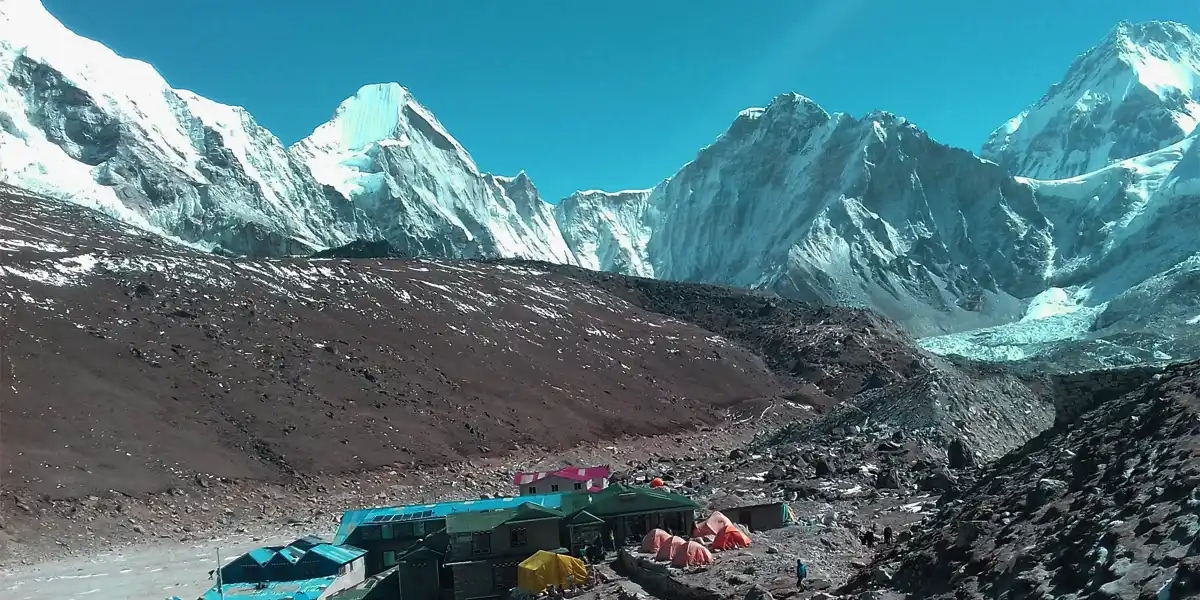
Today is one of the major highlights of your Everest Base Camp Trek. Start early and follow the rocky trail towards Gorak Shep, passing through the rugged terrain beside the Khumbu Glacier. After a short break and leaving unnecessary luggage at your teahouse, continue towards Everest Base Camp. The trail crosses uneven glacial moraine and offers views of the surrounding Himalayan peaks. At Everest Base Camp, you can explore the seasonal expedition area and enjoy the atmosphere at the foot of the world's highest mountain. After spending some time there, retrace your route to Gorak Shep for an overnight stay.
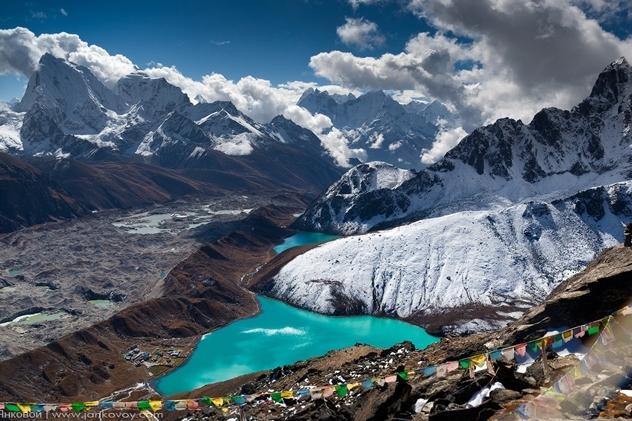
Wake up early for the hike to Kala Patthar, one of the best viewpoints for panoramic views of Mount Everest. The steep ascent takes you to a rocky viewpoint overlooking Everest, Nuptse, Pumori, and the Khumbu Glacier. After enjoying the mountain views, descend to Gorak Shep for breakfast. Continue trekking downhill towards Lobuche and Thukla before following the trail towards Pheriche and Pangboche. The descent offers some relief after several days at high altitude.
After breakfast, begin your descent from Pangboche towards Tengboche. Follow the familiar trail through traditional Sherpa settlements and forested sections. After reaching Tengboche, continue along the trail towards the Everest View Hotel area. This viewpoint offers excellent views of Everest, Ama Dablam, Lhotse, and other surrounding mountains. Spend some time enjoying the scenery before settling into your accommodation.
Today, continue descending through the Khumbu region towards Monjo. Follow the trail from the Everest View Hotel area towards Namche Bazaar, where you can take a short break and enjoy the lively mountain town. After leaving Namche, descend through forested paths and cross suspension bridges over the Dudh Koshi River. Pass through Jorsalle before reaching Monjo, a peaceful settlement near the entrance of Sagarmatha National Park.
After breakfast, begin the final trekking day towards Lukla. The route follows the Dudh Koshi River and passes through Phakding, Ghat, and other small Sherpa settlements. Cross suspension bridges and walk through familiar villages while enjoying your final views of the Khumbu landscape. After reaching Lukla, celebrate the completion of your Everest Base Camp adventure with your trekking crew.
After breakfast, take an early morning flight from Lukla to Kathmandu, depending on weather conditions and flight operations. During the flight, enjoy your final aerial views of the Himalayan mountains. Upon arrival in Kathmandu, our representative will transfer you to your hotel. The remaining afternoon is free for relaxation, shopping, or exploring the city independently.
Today is a contingency day in case of flight delays or cancellations due to unpredictable mountain weather. If your Lukla flight operates as scheduled, you can use this day for individual activities, shopping, or additional sightseeing around Kathmandu Valley. You may explore local markets, purchase souvenirs, or enjoy traditional Nepali food before your international departure.
Your 17-day Everest Base Camp Trek comes to an end today. Depending on your flight schedule, our representative from Adventure A One Treks will transfer you to Tribhuvan International Airport for your international departure. We hope you enjoyed exploring the Everest region, experiencing Sherpa culture, and witnessing the Himalayan landscape. Thank you for choosing Adventure A One Treks for your Nepal adventure. We look forward to welcoming you again for another trekking experience in Nepal.
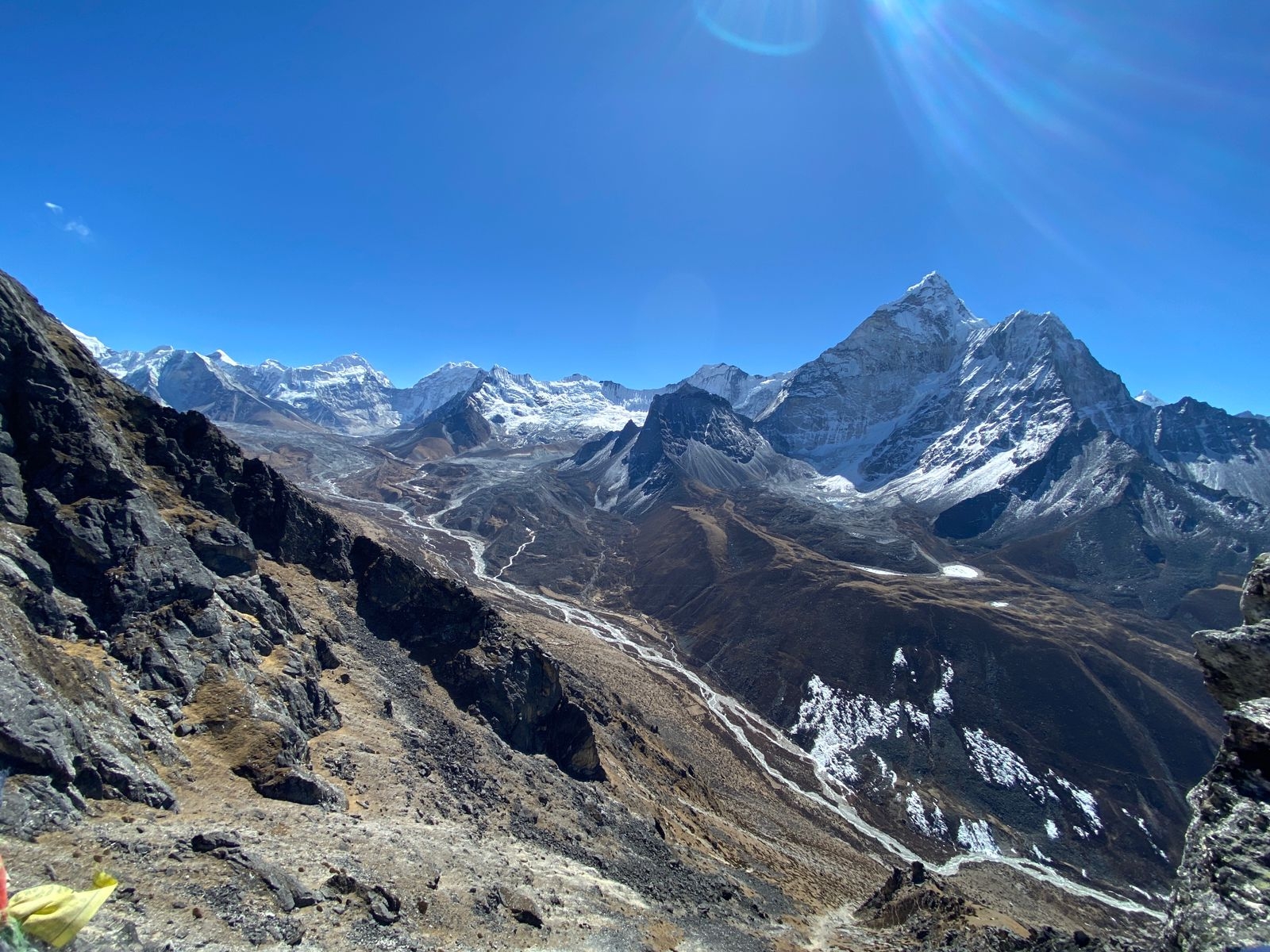
Adventure A One Treks provided an exceptional trekking experience during my recent trip to Nepal. From start to finish, their professionalism and attention to detail were commendable. The team was knowledgeable, experienced, and ensured our safety throughout the journey. The trek itself was breathtaking, and Adventure A One Treks meticulously planned the itinerary, allowing us to explore stunning landscapes and immerse ourselves in the local culture. The guides were friendly, engaging, and had an in-depth knowledge of the region, making the experience educational and enjoyable. The accommodations and meals provided were top-notch, even in remote locations. Adventure A One Treks went above and beyond to make sure we were comfortable and well-fed, adding an extra touch of luxury to our trekking adventure. I was particularly impressed by their commitment to responsible tourism and sustainable practices. They promoted Eco-friendly trekking and encouraged us to minimize our environmental impact, which was a refreshing and important aspect of our trip.
The Everest Base camp Trek experience that we have had was a 12 day trek. I literally had one of the best experience of my life I felt as if it was once in a life time must have experience. I am so glad to have taken this trek from A1 trek. Mr Ajeeb bhatta sir was really frank and helpful as a perfect director of the company. I would also like to recommend everybody to prefer this company. I would also like to give heartily thanks to this company
Packing appropriately is essential for a safe, comfortable, and enjoyable Everest Luxury Trek. Although luxury lodges provide upgraded accommodation and better amenities, you will still be trekking through a high-altitude Himalayan environment where weather conditions can change quickly. The best approach is to pack light but smart, focusing on quality trekking gear, proper layering, and essential personal items.
1. Layered Clothing
Layering is the best way to stay comfortable in the Himalayas. Pack moisture-wicking base layers, insulating mid-layers, and a waterproof outer shell so you can adjust your clothing according to changing temperatures and weather conditions.
2. Down Jacket
A warm insulated down jacket is one of the most important items for the Everest region. It keeps you comfortable during cold mornings, evenings, and at higher-altitude places like Lobuche, Gorakshep, and Kala Patthar.
3. Trekking Boots
Carry waterproof, well-broken-in trekking boots with strong ankle support. Good-quality hiking boots provide better comfort, stability, and protection on uneven rocky trails.
4. Power Bank
Although many luxury lodges provide charging facilities, charging may come with an additional cost at higher elevations. A high-capacity power bank ensures your phone, camera, and other electronic devices remain charged throughout the trek.
5. Reusable Water Bottle
Bring at least a 1-litre reusable water bottle or insulated flask. It allows you to stay hydrated while reducing plastic waste during the journey.
6. Personal Medication
Carry all necessary prescription medicines along with basic medical supplies such as pain relievers, blister treatment, and any altitude-related medication recommended by your doctor.
7. Sunscreen and Lip Balm
UV exposure becomes much stronger at high altitudes. Use SPF 50+ sunscreen and a lip balm with sun protection every day to protect your skin from harsh mountain sunlight.
8. Trekking Poles
Trekking poles are highly recommended for the Everest Luxury Trek. They help reduce pressure on your knees, improve balance, and provide extra support during steep climbs and descents.
9. Duffel Bag
Your main trekking equipment is usually carried by a porter in a waterproof duffel bag. Many trekking companies provide a duffel bag before the trek. Make sure your luggage stays within the recommended weight limit.
10. Daypack
Carry a comfortable 20–30 litre daypack for daily essentials such as water, snacks, camera, extra layers, personal documents, and other items you may need during the hike.
You may also consider packing the following items:
Even during a luxury Everest trek, efficient packing is important. Avoid carrying unnecessary items, as your porter will handle your main luggage within the recommended weight limit (usually around 10–15 kg per trekker). You will only need to carry your daypack while hiking each day.
For a complete Everest Base Camp packing checklist, recommended trekking gear, seasonal packing tips, and a downloadable packing guide, check our detailed Everest Base Camp Packing List blog.
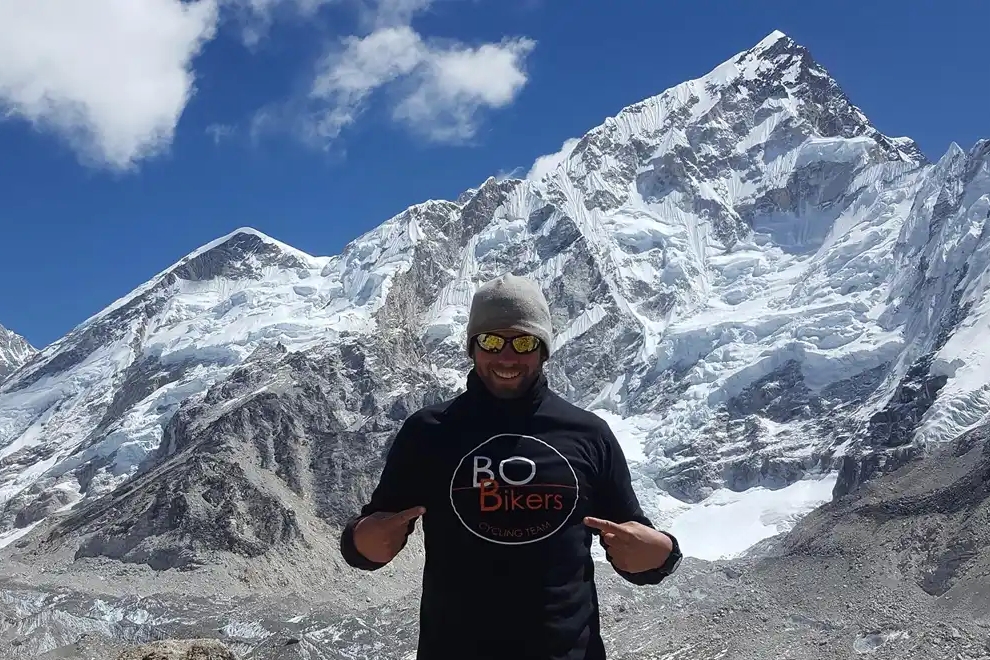
| No of people | Price per person |
|---|---|
| 1 - 1 | $1,400 |
| 2 - 4 | $1,240 |
| 5 - 9 | $1,180 |
| 10 - 20 | $1,050 |

| No of people | Price per person |
|---|---|
| 1 - 1 | $2,175 |
| 2 - 5 | $1,890 |
| 5 - 10 | $1,799 |
| 11 - 20 | $11,729 |