Why Nepal Is the Best Place To Visit?
29 Nov 2022


The Everest Base Camp Trek stands as the undisputed crown jewel among Nepal's countless trekking routes, drawing adventurers from every corner of the globe to the footsteps of the world's highest mountain. Often hailed as one of the best treks in the world—not just Nepal—EBC combines iconic status, jaw-dropping Himalayan scenery, rich Sherpa culture, accessible teahouse infrastructure, and a profound sense of personal achievement that few other trails can match. While Nepal boasts incredible alternatives like the diverse Annapurna Circuit, serene Langtang Valley, remote Manaslu Circuit, or challenging Kanchenjunga, none capture the same bucket-list magic as standing at the base of Mount Everest (8,848m), gazing up at the Khumbu Icefall where legends like Hillary and Tenzing began their historic ascent. In 2026, with improved trails, modern teahouses, and stable post-monsoon/autumn or spring conditions, the trek remains more rewarding than ever—offering breathtaking views of Everest, Lhotse, Nuptse, Ama Dablam, Pumori, and more, all while immersing you in the resilient spirit of the Khumbu region. Here's why, in depth, the Everest Base Camp Trek reigns supreme as Nepal's best trek.
Mount Everest isn't just a mountain; it's the ultimate symbol of human ambition and natural grandeur. Trekking to its Base Camp (5,364m) lets you walk in the path of history, touching the legendary Khumbu Icefall and standing on the same rocky outcrop where climbers prepare for summit pushes. No other Nepal trek delivers this level of global recognition—tell someone you've reached Everest Base Camp, and they instantly understand the magnitude. Alternatives like Annapurna (no single "highest" peak draw) or Manaslu offer stunning vistas but lack Everest's universal prestige. In a world of bucket lists, EBC checks the biggest box, making it the trek that inspires the most dreams and stories.
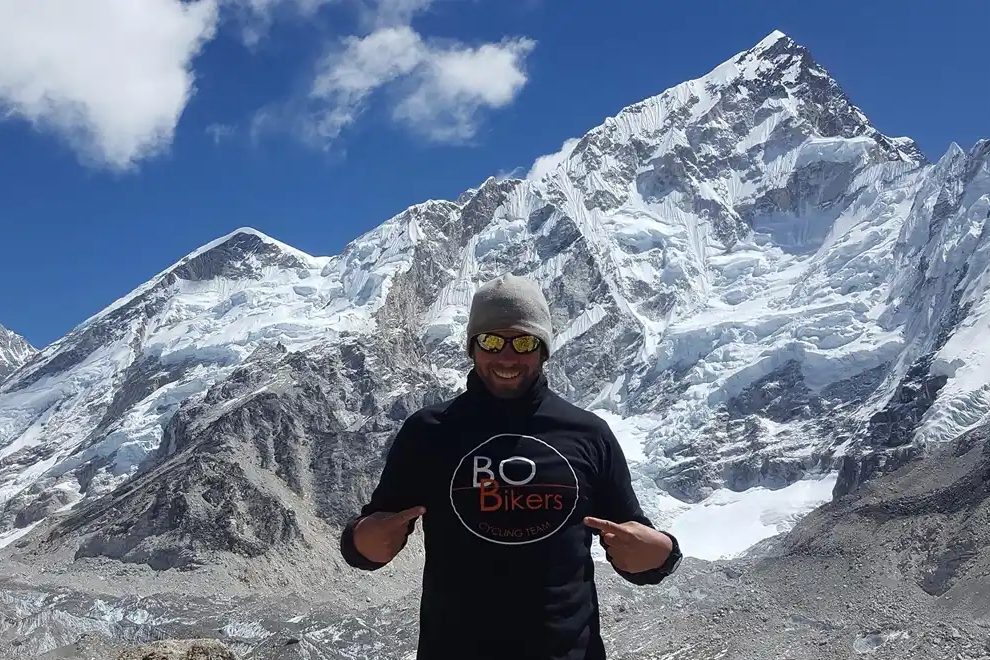
The visual drama along the EBC trail is unmatched. From the dramatic flight into Lukla (often called the world's most exciting—or terrifying—airport), you enter Sagarmatha National Park (a UNESCO site) with rhododendron forests, rushing rivers, swinging suspension bridges like the Hillary Bridge, and escalating views of 8,000m+ giants. Highlights include panoramic sights of Ama Dablam (the "Matterhorn of the Himalayas"), Thamserku, Kangtega, and the trio of Everest, Lhotse, and Nuptse dominating the horizon. The pre-dawn climb to Kala Patthar (5,545m) for sunrise over Everest is arguably the world's most iconic trek viewpoint—far superior in drama to Thorong La Pass on Annapurna or viewpoints in Langtang. The landscape shifts dramatically: lush subtropical valleys give way to alpine meadows, glacial moraines, and icy high-altitude deserts, creating a cinematic progression no other route replicates so intensely.
The Khumbu is home to the legendary Sherpa people, whose Buddhist heritage, warm hospitality, and mountaineering legacy infuse every step. Villages like Namche Bazaar (the "Sherpa capital") buzz with markets, cafes, and the Sherpa Museum, while Tengboche Monastery offers serene prayer sessions with views of Everest. You'll spin prayer wheels, share butter tea, stay in family-run teahouses, and learn about Sherpa life—far more authentic and integrated than the diverse but less focused cultures on Annapurna or the quieter Tamang vibes in Langtang. This cultural depth adds emotional layers, turning the trek into a journey of connection, not just conquest.
Unlike remote treks like Manaslu (restricted permits, camping required) or Kanchenjunga (logistically challenging), EBC boasts excellent teahouse networks with hot showers, Wi-Fi (spotty but improving in 2026), charging stations, and hearty meals—even at higher altitudes. The trail is well-marked, with frequent villages for rest and acclimatization. Guides and porters are plentiful and experienced (many with Everest summit pedigrees), making it safer and more beginner-friendly than rugged alternatives. From Kathmandu, the short flight to Lukla kickstarts the adventure dramatically—though thrilling, it's part of the EBC lore that adds excitement without excessive hardship.
At moderate-to-challenging difficulty, EBC suits fit beginners to seasoned hikers—no technical climbing needed. The 12–15 day itinerary (Kathmandu–Lukla–Namche–Tengboche–Dingboche–Lobuche–Gorak Shep–EBC–Kala Patthar–back) includes built-in acclimatization days to combat altitude sickness, with max elevation at Kala Patthar (higher than Base Camp itself for better views). Compared to Annapurna's longer, more varied but sometimes road-affected route or Manaslu's tougher pass, EBC delivers epic payoff without extreme remoteness or multi-week commitment. Many first-time Nepal trekkers choose EBC and leave transformed—pushing personal limits while enjoying comfort along the way.
The trek packs thrills: the notorious Lukla landing, crossing wobbly suspension bridges over roaring rivers, dodging yak trains, and approaching the active Khumbu Icefall. These elements create lasting memories—more adrenaline than serene Langtang or diverse but less "extreme" Annapurna sections. In 2026, with better weather forecasting and trail upgrades, safety has improved while preserving the raw adventure feel.
Spring (March–May) brings blooming rhododendrons and clear skies; autumn (September–November) offers crisp visibility and festivals. Even shoulder seasons deliver magic, with fewer crowds than peak times. Compared to monsoon-disrupted or winter-limited other routes, EBC's prime windows make planning straightforward.
Reaching EBC feels monumental—standing amid prayer flags, watching climbers' tents, and realizing you've trekked to the base of the world's highest peak. The certificate, teahouse celebrations, and stories you carry home create bonds and pride unmatched elsewhere. Many return for variants like Gokyo Ri or Three Passes, proving EBC's enduring pull.
In conclusion, while Nepal's treks are all extraordinary, Everest Base Camp uniquely blends fame, scenery, culture, infrastructure, and achievement into an experience that's truly the best. Whether you're chasing bucket-list glory from Kathmandu or seeking the ultimate Himalayan immersion, EBC delivers like no other—proving why millions dream of it and thousands complete it each year. If you're planning for 2026, lace up; the roof of the world is calling.