
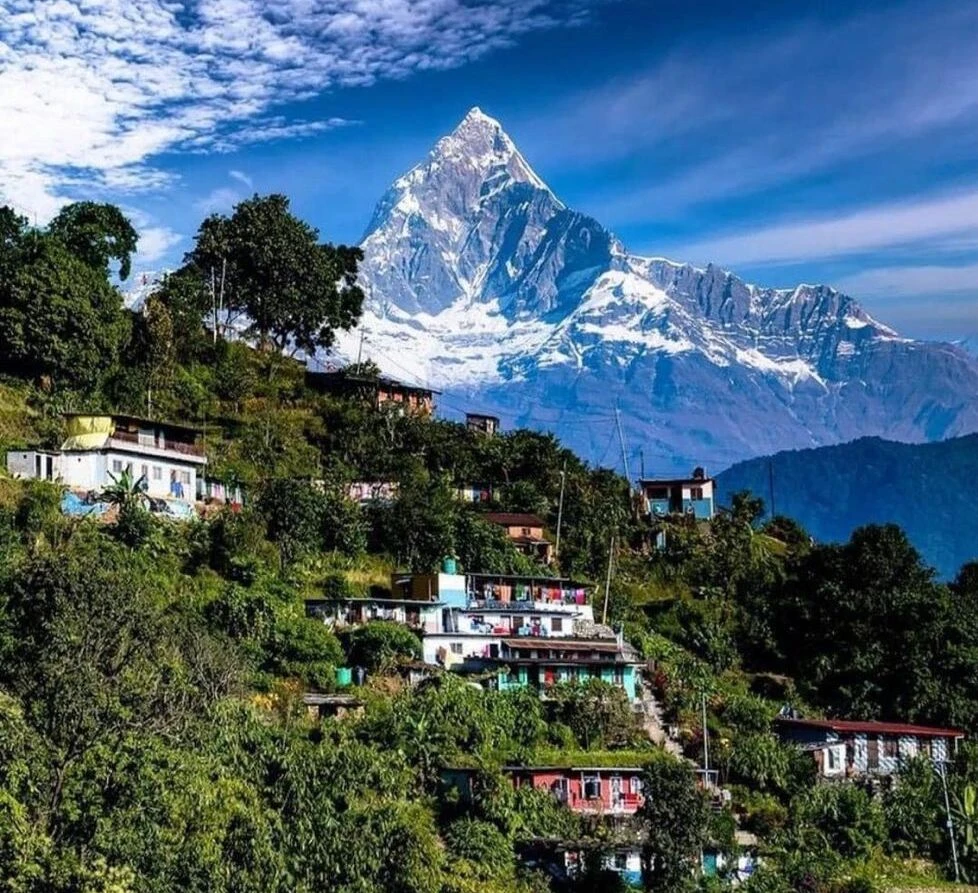
Should someone seek high peaks, this nation provides eight among the planet’s tallest. Beyond geography lies something quieter - trails shaped by time, belief, culture. Majesty appears where cliffs meet sky, yet also in village paths worn by centuries. Movement through such terrain becomes more than walking; it unfolds as passage through layers of life. Experience here differs, because land and people remain closely tied.
Beginning at the famed paths near Everest Base Camp, journeys unfold through lands shaped by tradition and terrain. Whether first steps are taken on gentle slopes or seasoned feet press toward high ridges, movement draws people forward. Through Annapurna’s deep valleys, culture surfaces in quiet gestures and ancient patterns. Each route holds space for different rhythms - those who walk with children, those drawn to summits, others testing limits in remote zones. Adventure finds form here, not by design, but by presence.
What makes trekking in Nepal truly unique?
If a brief mountain walk appeals, Nepal provides. Where extreme elevation tests endurance, it responds fully. For every trail desire, an answer exists.
This detailed overview covers: what lies ahead follows
10. Kanchenjunga Base Camp Trek
One feature of every part is the clear outline of challenge level, key route points, elevation details, ideal time to visit, local traditions, price range, along with a note on what makes it different. Though often overlooked, the depth of context helps shape understanding. Where most summaries skim, these segments offer substance without clutter. A closer look reveals patterns in terrain and timing that influence experience. Not only do numbers matter, but human elements play a role too. What emerges is less about ranking, more about fit. Even small distinctions gain meaning when seen through daily rhythms of place.
The journey starts here, known widely across continents. Its path draws attention without needing explanation.
Among high-altitude journeys, few draw as much attention as the path to Everest Base Camp. Following routes once taken by renowned mountaineers leads travelers step by step closer to the foot of Earth's highest peak - measuring 8,848.86 meters above sea level. For countless individuals drawn to remote landscapes and physical challenge, this journey stands apart.
Though strenuous, it remains within reach for those prepared with steady pacing and proper acclimatization. Each turn along the trail reveals views shaped by ice, wind, and time. Small settlements dot the route, sustained by generations adapted to thin air and rugged terrain.
Progress unfolds slowly, marked more by breath and rhythm than speed. To walk here is to move through layers of natural grandeur without spectacle or distraction.
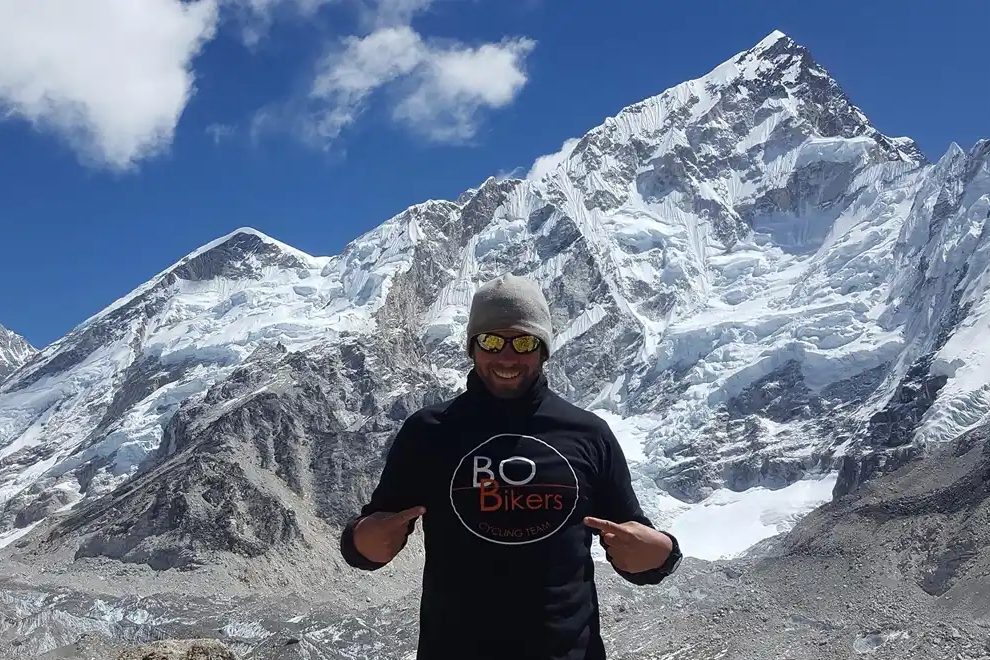
Apart from its rugged terrain, the landscape's striking appearance gives this journey a lasting reputation. Despite common belief, it is not just difficulty that defines the path’s standing through time.
The Lukla Flight
High above the hills, a plane leaves Kathmandu behind, heading toward Lukla through sharp mountain air. Touchdown happens fast on a narrow strip of land where cliffs meet sky - Tenzing-Hillary Airport waits below, known for its steep drop-offs and sudden stops.
High above sea level, around 3,440 meters, lies Namche Bazaar - a lively settlement central to trade in Khumbu. With its array of services, including places to eat fresh bread, drink coffee, purchase equipment, one may also find modest displays on Mount Everest’s past.
On acclimatization days, trekkers may walk toward distant vantage points. These paths reveal the mountain for the first time up close. Views appear gradually as elevation increases slowly. The process supports physical adjustment while offering early glimpses ahead.
Among the quieter moments on the trail stands the visit to Tengboche Monastery. Towering peaks form a ring around it, holding silence close. Within these stone walls, travelers often pause to watch morning chants unfold. Insight into Sherpa culture emerges through gestures, prayers, quiet routines. Because stillness lives here, presence becomes its own kind of understanding
Days pass as climbers rise slowly, stepping across hanging bridges, moving near ice rivers. At 5,364 meters, the journey ends - Everest Base Camp appears. When ascents peak, the glacier wears a scattered layer of bright tents.
Even if the peak hides behind clouds, standing at base camp brings a quiet fullness. A different kind of clarity arrives when effort meets stillness.
At dawn, many walkers begin climbing toward Kala Patthar, reaching 5,545 meters above sea level. The first light touches Everest’s peak, painting it gold - a sight rarely matched across mountain journeys. Though high, the path draws steps shaped by quiet anticipation. Few experiences on trails remain so deeply held in memory. Morning here does not simply arrive; it unfolds in silence, then brilliance.
High above, the Everest area shelters the Sherpas, known widely for climbing expertise. Shaped by Tibetan Buddhist traditions, colorful prayer flags mark the path. Alongside them stand stone walls carved with sacred texts. Rising at intervals, chortens punctuate the landscape in quiet reverence.
Here lies land shaped by quiet reverence for earth and unseen forces. Roots of belief grow where soil meets silence. In these spaces, thought turns inward when winds move through trees. Meaning emerges without speech beneath open skies. A presence lingers beyond what eyes can hold.
The journey to Annapurna Base Camp stands among Nepal’s finest mountain experiences, offering striking views without extreme difficulty. Despite its reputation, the route remains reachable for many who walk with steady pace and quiet resolve.
Apart from Everest, this journey presents varied terrains within a briefer timeframe. Though less known, it unfolds through changing scenery faster than many high-altitude routes. While taking less time, the path moves across contrasting environments. Instead of focusing on one summit, the route shifts between distinct natural zones. Rather than stretching over weeks, completion happens in fewer days.
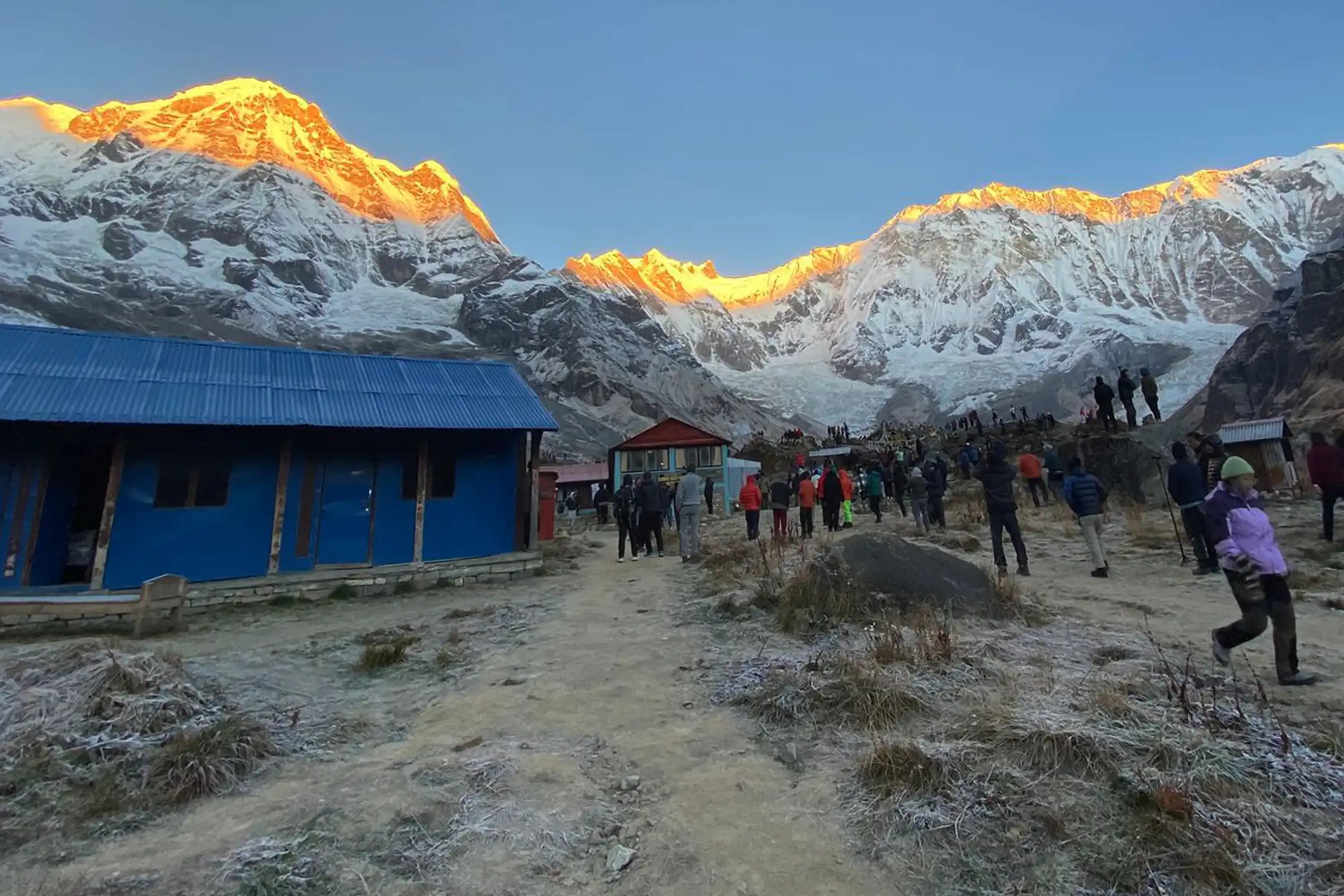
Into a wild refuge the path climbs, encircled by immense mountains.
Farther along the path, the walls of the valley draw closer; then without warning, space expands into a vast bowl carved by ice, ringed entirely by towering mountains.
Mountains visible include:
Middle of this Himalayan amphitheater - standing there brings a hush. A kind of stillness that arrives without warning.
Far from the routes near Everest, Annapurna’s paths wind across stepped fields where crops grow on slopes. Water spills down rocky sides in thin streams, forming falls that mist the air. Through thickets of bamboo, narrow lanes lead deeper into green cover. Villages appear suddenly - built long ago using local materials and methods passed through generations.
Fewer meters above sea level bring easier breathing for most walkers. Arriving at such heights feels gentler on the body.
Winding through high passes and quiet villages, the Annapurna Circuit earns frequent praise among extended mountain journeys. Previously unreachable in stretches due to missing pathways, it held a reputation as the most demanding experience across the Himalayas.
Still now, among Nepal’s journeys on foot, few match its range or intensity. Though time passes, the path keeps offering contrasts that surprise. Where terrain shifts often, each stage reveals something distinct. Despite years going by, this route holds a reputation built on variety and impact.

This trek is famous because it offers:
A journey here unfolds across strikingly different landscapes. One moment follows another through shifting terrain without repetition. Rarely does any path combine so many distinct regions within one route.
The Annapurna Circuit stands apart through varied landscapes and elevation shifts
With increasing elevation, plant life gradually fades. Where the ground rises sharply, rocky outcrops begin to dominate. Above certain heights, few species endure the harsh conditions. Ridges form where wind sculpts exposed stone. In these zones, silence replaces growth.
High above sea level at 5,416 meters sits Thorong La, counted among Earth's loftiest paths walked by trekkers. Before sunrise, movement starts - the journey across often begins near 4 AM.
Though the ascent takes time, effort shows clearly at the summit. In all directions, white mountain tops continue without end.
The journey over this mountain pass defines the whole route. Though brief, it shapes how one remembers the trek. Where terrain rises sharply, effort meets reward without announcement. Above treeline, views unfold slowly, not all at once. This section stays with travelers long after completion.
Below Thorong La, the path leads to Muktinath - a place held deeply holy by Hindu and Buddhist pilgrims alike. Though high in the mountains, it draws steady streams of visitors year after year. While terrain shifts sharply along the trail, devotion remains unchanged across faiths. Because altitude eases here, breath comes more freely than above. Yet spiritual weight feels heavier despite thinner air before reaching temple grounds.
Under one hundred eight streams, bathers seek purification, guided by long-held belief. Spiritual balance lives within the temple grounds, shaped by Nepal’s diverse heritage.
Less traveled than its famous neighbor, the Manaslu Circuit unfolds high trails and deep valleys much like those once found on the Annapurna route. Though resembling that classic path in scenery, this loop draws quieter footsteps through remote villages and rising terrain. Where many seek spectacle, here a different rhythm holds sway - slower, more contained. Through shadowed gorges and sunlit ridges, the journey moves without fanfare yet remains striking in form. Fewer people walk these stretches, which helps preserve both solitude and authenticity along the way.
Wrapping its path near Mount Manaslu, which stands at 8,163 meters, it traces close to the planet's eighth-tallest peak.
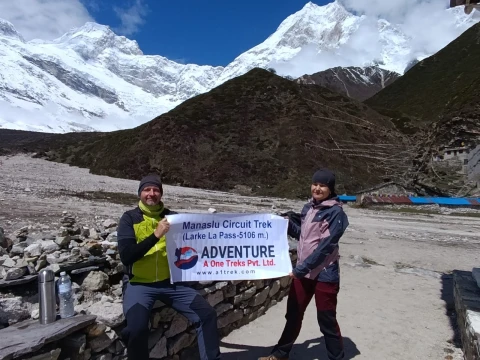
Far from the crowds, Manaslu carries a quietness not seen on Everest or Annapurna. Stillness lingers where others have passed too often. Fewer steps mark its slopes. This mountain remains apart, shaped more by wind than people.
You’ll experience:
Quietness defines it, authenticity follows closely. Culture appears deeper here, not by design but through time. Richness comes slowly, built without announcement.
High above, the Manaslu area mirrors traditions seen in Tibet. Removed from city growth, places such as Samagaon and Samdo exist apart.
Here, monastic life continues without disruption. Ancient customs endure in quiet persistence.
Standing at 5,106 meters, Larkya La ranks among Nepal's most striking mountain crossings. From its summit, what meets the eye stretches far beyond mere landscape
Despite requiring physical effort, fewer travelers pass through here than at Thorong La.
A journey through Langtang Valley reveals scenery both dramatic and close at hand. Though near major routes, its landscapes hold a quiet intensity unmatched by distance alone.
Near the Tibetan frontier, beyond Kathmandu’s northern edge, this route reveals highland scenery while avoiding air travel altogether.
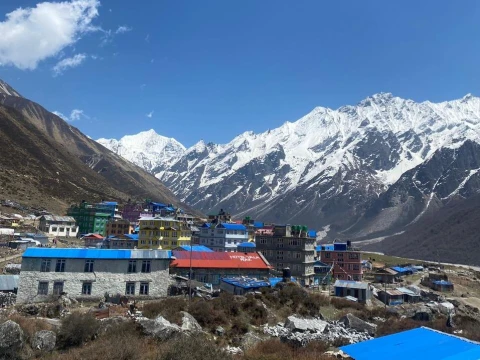
Many trekkers overlook Langtang, but it offers:
Besides their roots in highland regions, the Tamang carry traditions closely linked to Tibet. In speech, clothing, and home design, echoes of Tibetan influence appear clearly. While geography shapes many customs, historical movement across mountains helped form these patterns. Though distinct in identity, shared forms of expression remain visible through time.
Farms where yaks live now join older cheese workshops as elements felt throughout. Though separate in origin, both shape what occurs during visits today because their presence adds texture without needing explanation.
Certain heights reveal what lower ground cannot - Tserko Ri stands above 4,900 meters, unfolding the full span of Langtang's peaks in silent clarity.
Here, the peaks seem nearer compared to Everest Base Camp. Distance feels less, somehow. The presence of stone and ice grows stronger without warning. Height does not matter as much as closeness. What stands above appears within reach, unexpectedly.
Far beyond typical paths through Nepal, one journey stands apart. Referred to now and then as the "Last Forbidden Kingdom," this region rests behind high walls of Annapurna and Dhaulagiri peaks. Sheltered there, moisture stays away. What emerges instead is terrain like that seen across parts of Tibet - arid ground beneath wide skies.
Few outsiders entered this area before 1992, allowing old customs to remain intact. Because access was restricted, cultural practices changed little over time. Isolation played a role - traditions evolved slowly here. Until the early nineties, entry remained limited by policy. As a result, heritage stayed close to its original form.
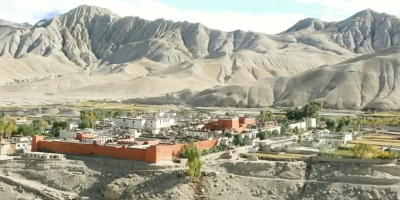
Upper Mustang different from Annapurna or Langtang treks
This journey unfolds less as a trail through peaks, yet carries the weight of shared traditions. A path walked reveals stories older than stone.
Within towering walls of dried earth lies Lo Manthang, center of tradition in Upper Mustang. Though remote, its presence shapes life across the high desert plains. Behind fortified ramparts rest ancient monasteries, quiet courtyards, homes built from sun-baked clay. While winds sweep fiercely through narrow alleys, silence often holds greater weight than sound. From this stronghold, customs pass quietly through generations, unchanged by distance or time
Over time, life in this place remains nearly unchanged. Though years pass, daily rhythms stay much as they once were. Still, traditions continue without disruption. Even now, old patterns shape how people live. Through generations, little has shifted in routine.
Each year in Lo Manthang, the Tiji Festival stands out with vivid displays. This Buddhist event marks triumph through symbolic acts. Colorful rituals unfold over several days. Good overcoming evil forms its core meaning.
During Tiji, visitors observe masked dances alongside ancient rituals rooted in spiritual practice. A sense of solemn tradition fills the air when ceremonies unfold in the valley. With each movement, performers carry forward centuries-old beliefs through disciplined gestures. These events occur at a time when local customs are most vividly expressed. Participation is rare; presence alone becomes its own form of understanding.
The Ghorepani Poon Hill Trek is one of Nepal’s most popular short trekking routes.
Well suited for newcomers, households, or anyone short on hours. One finds it fits neatly into tight schedules. Those just starting out might appreciate its gentle curve. Time-pressed individuals often choose this path. Families discover ease within its structure. Limited availability does not hinder access here.
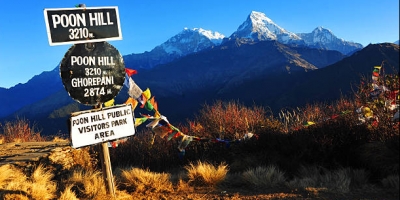
A morning light appears above Poon Hill, known by many. That view holds weight among travelers.
From the viewpoint, you can see:
With just a brief span needed, nearly any person can take part.
A journey through the Annapurna area reveals the quiet appeal of the Mardi Himal Trail. Though less traveled, it offers views untouched by heavy footfall. One finds elevation rising gradually behind forested ridges. This path unfolds at a pace shaped by terrain rather than time. Fewer travelers appear here compared to neighboring routes. Among Nepal's trekking options, this route stays under wraps on many maps.
Though recent when measured against older trails, it soon drew those who seek rugged journeys. One finds appeal not in age, but in how swiftly it earned its place.
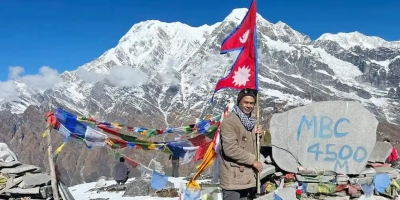
This journey provides proximity to sights such as:
High above the valley, the path along the ridge leads toward High Camp. Air thins as footsteps carry travelers forward. Sharp peaks appear through scattered clouds. Each turn reveals a new stretch of open sky. Distance stretches quietly in every direction.
Mardi offers fewer people than Annapurna Base Camp. Stillness fills the trails where quiet footsteps replace noise. Fewer voices echo through these valleys. Peace grows naturally in open spaces untouched by crowds.
The Gokyo Lakes Trek is an alternative to Everest Base Camp.
Some choose turquoise glacial lakes over base camp, reaching high points like Gokyo Ri for wide-open sightlines. Though paths differ, few miss the chance to stand above ice-fed waters under open sky.
[trip:gokyo-lakes-trek]
Some who walk the trails claim Gokyno offers a clearer sight than Kala Patthar. While others disagree, views from that height often shift opinions. Higher ground does not always mean wider vision. What one sees can depend on weather, timing, direction. A different path may lead to the same sky.
Among Nepal's trekking routes, few reach the isolation of Kanchenjunga Base Camp. Adventure here unfolds far from common trails. Distance shapes the experience deeply. Rugged terrain defines each stage forward. Fewer travelers choose this path. Remoteness adds weight to every step taken.
Beneath its path lies the foundation of Mount Kanchenjunga, standing 8,586 meters tall - ranked third among Earth's loftiest peaks.
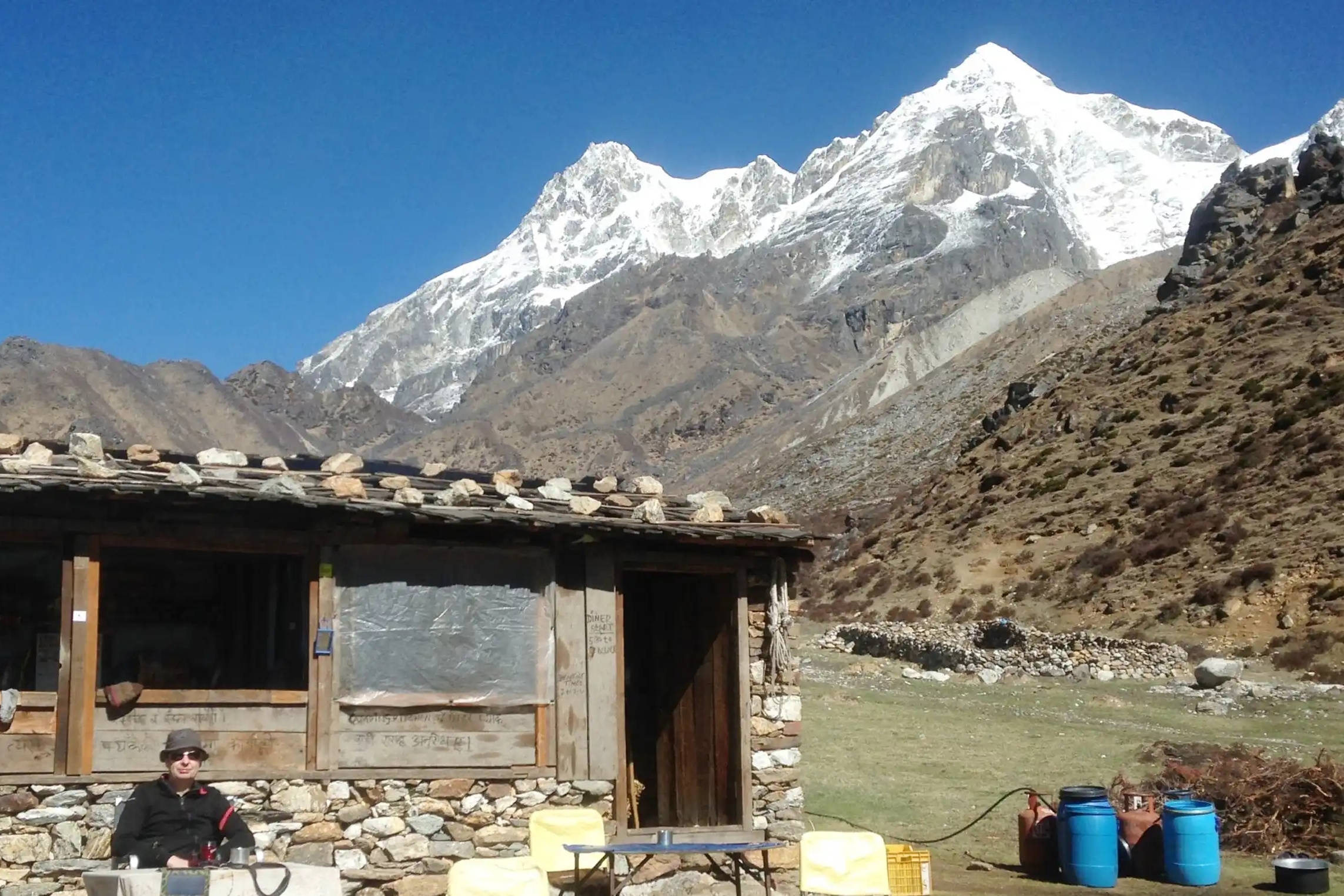
Achieving this journey demands solid stamina alongside previous exposure to mountain paths. Physical readiness must already exist before attempting such terrain.