
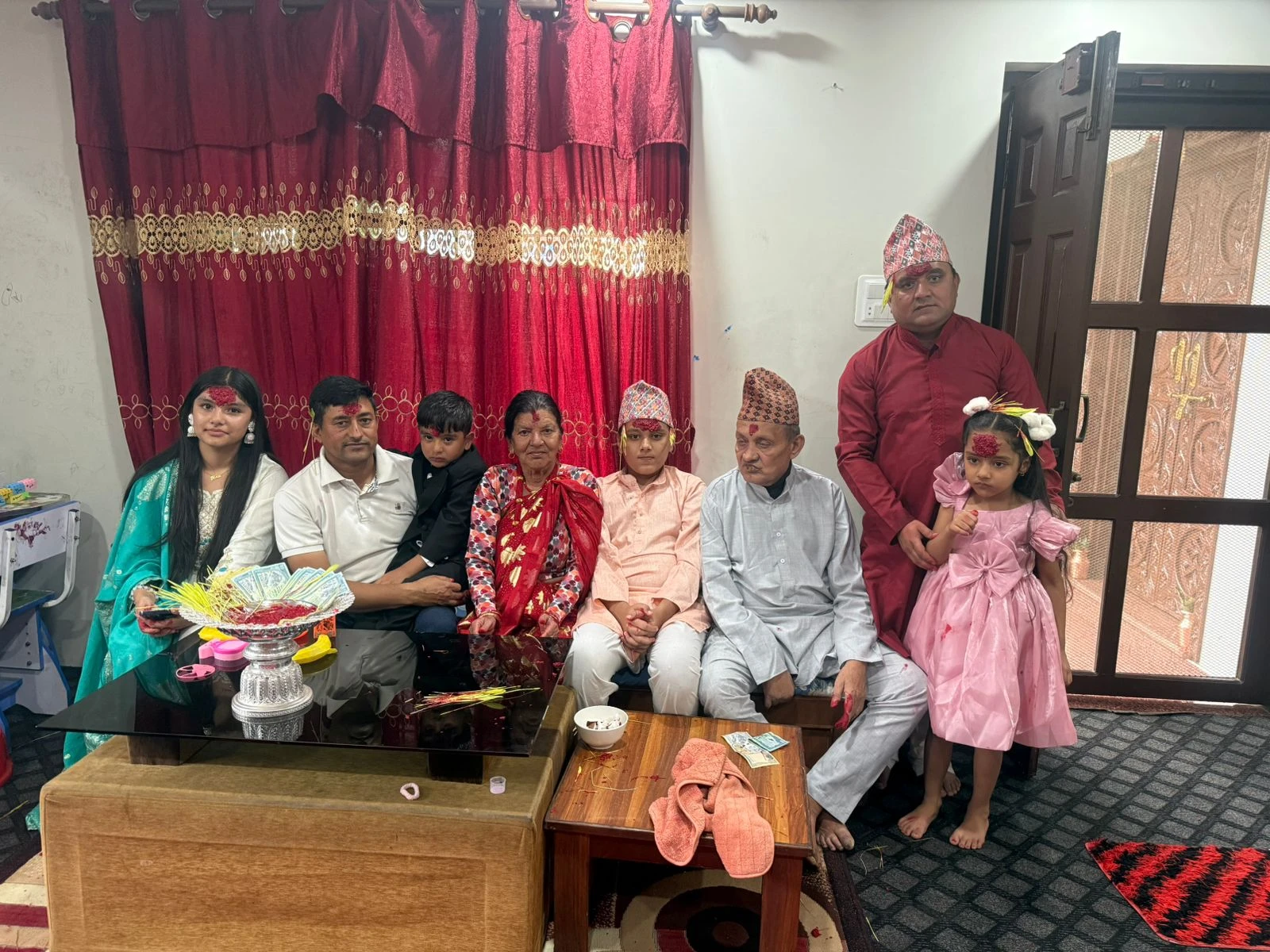
Dashain is the most loved and respected festival in Nepal. It brings families, friends, and communities together, whether they are close to home or living far away. Also known as Vijaya Dashami, this festival is filled with traditions, rituals, and joyful gatherings. It celebrated the victory of good over evil and is more than just a religious event. For many people, Dashain is a time for holidays, cultural celebrations, and travelling back home to be with loved ones.
The word “Dashain” comes from the word “Dash”, which means ten, because the festival lasts for ten days. But Dashain is not only about the number of days. It carries a meaningful message that people have believed in for generations-that goodness and light will always overcome darkness, no matter how difficult time may seem.
Dashain has its roots in ancient Hindu traditions and legends that have been followed for thousands of years. One of the main stories of Dashain is about Goddess Durga, who is mentioned in sacred texts like the Rigveda, Mahabharata, and Ramayana. Durga is known as a powerful warrior goddess who symbolizes strength and protection.
According to legend, Dashain celebrates Durga’s victory over the demon Mahishasura, who had become too powerful for the gods to defeat. The gods combined their powers to create Durga, who fought Mahishasura for nine days and defeated him on the tenth day, known as Vijaya Dashami. This victory represents the triumph of good over evil.
Another important story linked to Dashain comes from the Ramayana, where, Rama fought a long battle against the demon king Ravana, who had kidnapped his wife Sita. With courage and determination, he defeated Ravana, and this victory is also remembered as a symbol of good defeating evil.
The beautiful thing is that both of these victories happened on the same day, the tenth day, which is why this particular day feels so incredibly powerful and special.
Dashain is celebrated over 15 days and each day has its own meaning and rituals.
Day 1: Ghatasthapana
Dashain begins with Ghatasthapana, which means the establishment of a sacred pot (kalash). On this day:
Day 2-6: Worship of Goddess Durga
During these days, people worship different forms of Goddess Durga. Temples are visited, and daily prayers are offered. Families continue caring for the jamara planted on Ghatasthapana. These days prepare devotees spiritually for the main celebration.
Day 7: Fulpati
On the seventh day, called Fulpati, sacred plants and flowers are brought into homes. Families welcome them with prayers, believing they bring good luck and prosperity. Nationally, the Fulpati ceremony takes place at Hanuman Dhoka in the Dashainghar. On this day, the sacred Fulpati is brought from Nuwakot to Kathmandu by the Nepal Armyin a traditional procession. When it arrives, the army performs a special parade in front of VIP delegates.
Day 8: Maha Ashtami
Maha Ashtami is an important day for worship. Many people perform special prayers to Goddess Durga. Many goats, sheeps, buffaloes, ducks and hens are sacrificed in Goddess temple almost from every home. In some places vegitables and fruits are also used.
Day 9: Maha Navami
Maha Navami is the last day of Navarati, on this day people worship tools, vehicles, and machines. This tradition is followed to pray for safety and success in work and daily life. On this day Taleju vawani temple of Basantapur is accessible of general public, which is accessible only one day in a year.
Day 10: Vijaya Dashami (Main Day)
Vijaya Dashami is the most important day of Dashain. This day is full of love, respect, and family connection. On this day:
Day 11-15: Visiting Relatives
After main day, people continue visiting relatives and receiving Tika and blessings. The last day is called Kojagrat Purnima, when people stay awake at night and pray to Goddess Lakshmi for wealth and prosperity.
Dashain is not only about rituals and celebrations. It also teaches important values such as:
Dashain also supports the economy, as people buy clothes, food, and gifts, making markets very busy during the festival.
Tika and Jamara are the main symbols of Dashain. Tika is made of rice, yogurt, and vermillion, and it is placed on the forehead by elders as a sign of blessing and protection. Jamara, which is the yellow grass grown from barley seeds during the first day of Dashain, is placed behind the ears or on the head along with tika.
Dashain is the time when families reunite. Many people travel from cities to villages to celebrate with their loved ones. Sharing meals and spending time together makes the festival special. Homes become lively with laughter, conservations, and shared meals.
Buying new clothes is a common Dashain tradition. Children especially feel excited to wear new outfits during the festival. Many Families save money throughout the year so they can buy new outfits for themselves and their children during the festival. Markets and shopping areas become crowded as people look for clothes, shoes, and accessories.
Flying kites is one of the most enjoyable activities during Dashain, especially for children and teenagers. As the monsoon season ends and the skies become clear and blue, rooftops and open fields fill with colorful kites. People spend hours flying kites with friends and family, making it a fun and exciting part of the festival.
Playing swings, locally known as ping, is a fun and meaningful tradition during Dashain. Large swings are usually made from bamboo, rope, and wood especially in villages and open fields. These swings are built by local people together, which also creates a sense of teamwork and community spirit. Children, teenagers, and even adults eagerly wait for the chance to ride the swings during the festival. According to tradition, it is believed that everyone should swing at least once during Dashain, as it brings good luck and happiness.
Sacrificing animals like goats, buffaloes, hens or ducks to honor Goddess is a common tradition in most of the part of Nepal. The sacrifice is seen as a way to show respect and devotion to the goddess. After the ritual, the meat cooked and shared among family members, relatives and friends, making it part of family gatherings and feasts. Vegetarians cuts vegetables like pumpkins or coconuts as a symbolic offering to durga, which allows them to follow the tradition while respecting their dietary beliefs.
No festival is complete without good food, and during Dashain, meals are a big part of the celebration. Families take time to prepare special dishes and enjoy them together. Traditional foods like sel roti, khasi ko masu and different kind of sweets are commonly served. Relatives gather around the table, share meals, and enjoy the festiv atmosphere. For Nepali people, Dashain is not just about rituals, but also about enjoying tasty homemade food with loved ones.
Food is very important part of Dashain celebrations, and many families look forward to enjoying special meals together. During this festival, kitchens are usually busy from early morning, with family members helping to prepare different dishes. The smell of freshly cooked food fills the house, making the festive mood even more joyful. These foods are usually made:
Popular trekking routes during Dashain include the Everest Base Camp Trek, Annapurna Circuit Trek, Annapurna Base Camp Trek, Langtang Valley Trek, and the short scenic Ghorepani Poon Hill Trek. These trails are especially busy because locals also take vacation time to travel, while international trekkers enjoy the best mountain views of the year. The combination of celebration, cultural vibes in villages, and perfect trekking conditions makes Dashain a peak season for trekking in Nepal.
Dashain is more than just a festival- it is a time for happiness, family, and tradition. From planting jamara to receiving tika and blessings, each part of Dashain brings people closer and reminds them of the importance of respect and togetherness. It is a joyful time filled with family visits, and fun activities that create lasting memories. During Dashain, homes are filled with laughter, delicious food, colorful kites, and joyful gatherings. Even today, Dashain continues to bring families together and keeps Nepali culture and tradition alive.
How long Dashain Celebrated?
Dashain is celebrated for 15 days, with Vijaya Dashami being the most important day.
Why is Dashain celebrated?
Dashain is celebrated to honor the victory of Goddess Durga over Mahishasura, symbolizing the triumph of good over evil.
What is Tika and Jamara?
Tika is a mixture of rice, yogurt and vermillion placed on the forehead as a blessing. Jamara is yellow grass given with tika.
Why do people fly kites during Dashain?
Kites are flown to enjoy the clear autumn skies.
Why do people play swings (ping)?
Swings are played for fun and good luck.
When is Dashain celebrated?
Dashain is celebrated on September or October.