
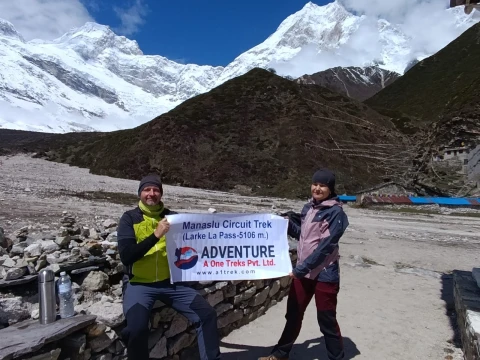
Winding around Mount Manaslu - the planet’s eighth-tallest peak at 8,163 meters - this journey unfolds through raw alpine scenery where stone homes cling to steep slopes. Instead of crowds, you find villagers offering warmth in quiet courtyards. Rugged trails shift beneath your feet, linking valleys carved by ancient ice. High passes whisper stories while prayer flags flutter beside narrow paths
Far from the busy trails like Everest Base Camp or Annapurna Circuit, Manaslu keeps a quieter feel. Though not untouched by time, paths here now host better shelters than before. Along the way, hikers meet cozy lodges, hot food appears regularly, people offer steady kindness. Progress brought change, yet the land holds on to its calm
Hot meals warm you up once the trail gets tough. When paths twist over shaky rope bridges and steep climbs drain your legs, shelter matters more than most think. Expect basic rooms with thin mattresses - comfort shifts here. Clean cooking spots mean fewer stomach issues later on. Some lodges charge extra for boiled water; others include it without mention. Knowing how much food costs helps avoid surprises at checkout. Nights turn cold fast above tree line. A full belly makes shivering less sharp. Simple plates of rice, veggies, and bread show up often - it fills gaps between peaks
A journey through the Manaslu Circuit means paying close attention to what you eat and where you sleep. Along the trail, most travelers find their way into small lodges that serve warm dishes by the firelight. Rice, noodles, soups - meals tend to repeat but fill your belly well after long hours of walking uphill. Vegetarian choices appear often on handwritten menus nailed to wooden walls. Some places can adjust if you avoid gluten or do not eat meat, though supplies get thin at higher elevations. Teahouses offer shared rooms with basic bedding, sometimes heated by a stove in common areas. Nights grow cold quickly once the sun drops behind the peaks. Bringing extra layers makes rest easier when blankets run short. Water boils before drinking it, every time, no exceptions up here. Small details like spoon care or sock drying matter more than expected out there in the quiet valleys
A journey along the Manaslu Circuit usually lasts between 14 and 18 days, shaped by how each traveler plans their path. Beginning at either Soti Khola or Machha Khola, footsteps rise slowly past quiet mountain settlements. Villages appear one after another, tucked into steep slopes, leading higher without rush. Then comes the Larkya La Pass - sitting bold and bare at 5,106 meters - a high gate framed by rock and sky
The trek passes through diverse landscapes including:
Lodging and meals pop up in places like Jagat, where travelers pause. Deng sits further ahead, serving those who walk the trail. Namrung appears quieter but still feeds passing hikers. Samagaun spreads across higher ground, ready with rest spots. Samdo holds on near the edge, offering warmth when needed
Some hikers rest at teahouses - simple guest spots run by families offering beds and food. These places pop up along the trail where travelers pause each night. A room comes with little comfort, though warmth often does. Meals arrive warm, cooked fresh most times. Staying here means sharing space, sometimes stories too. Nights grow quiet once candles flicker out. Mornings start early, boots laced tight again
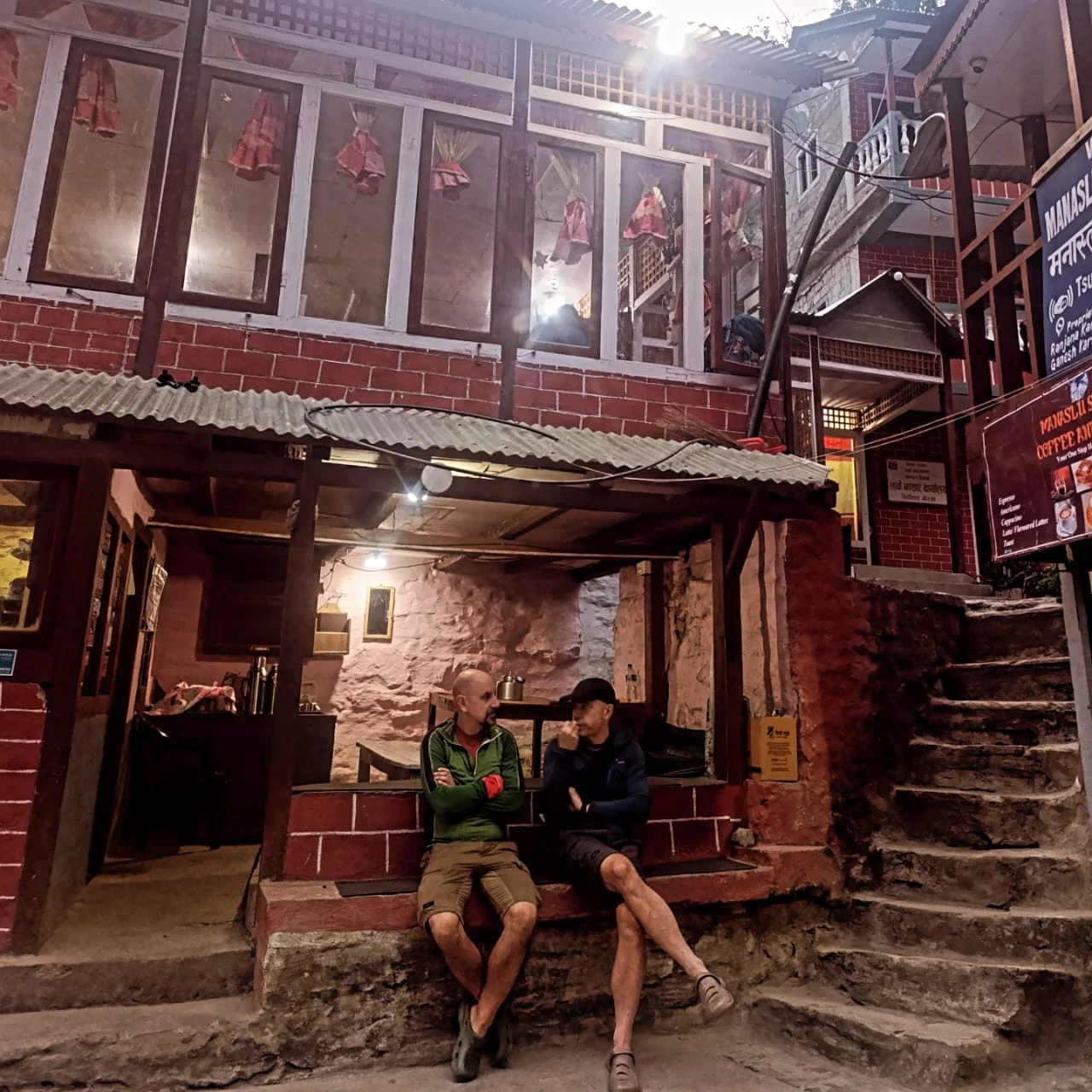
Most treks along Manaslu happen in teahouses - simple shelters tucked into hillsides. Run by village households, these spots offer basic stays with warm meals. A stay here connects you directly to how people live high up in Nepali mountains. Night after night, hikers rest in rooms built from stone and wood, fueled by dal bhat. Each lodge breathes community life, shaped by weather, altitude, and daily routines
Few city luxuries show up here, yet these simple setups still hold everything hikers want once evening hits.
Teahouse Meaning
A place to stay while hiking might be a teahouse. These spots give travelers meals, beds, stillness. Inside most of them you find:
Now and then a warm shower plus working internet. Not always, but when it happens - simple things line up right
With a roof overhead and meals handled, moving across Nepal feels easier. Because shelters wait along the path, hauling gear becomes unnecessary. Meals appear without effort when trails lead to these stops. Carrying heavy loads? Not required here. When huts offer warmth and food, simplicity follows. Each step forward leaves camp chores behind. Since lodges dot the route, preparation lightens. No tent setup slows things down. Cooking fades into someone else's task. Walking takes less planning this way
Teahouses along the Manaslu trail began changing slowly once more travelers arrived. Growth in regional tourism quietly shaped how these small stops evolved over time
Teahouse rooms on Manaslu are basic but practical
Typical room features include:
Frigid air settles into unheated rooms once night falls - more biting up high, where places like Dharamsala sit above the warmth. Nighttime chill creeps in fast when there is no heater running
A good night’s sleep on the trail means packing a warm sleeping bag, especially if you’re out there in winter or early spring
Bathroom Facilities
Up high, what you’ll find in a bathroom changes with where you are. Higher spots often mean fewer comforts nearby
In lower villages, trekkers can find:
• Western-style toilets
• Attached bathrooms in some lodges
• Hot showers (gas or solar)
A few beds line the walls, much like small roadside lodgings. Each room holds just enough space to stretch out and rest. Some even have windows that open to the trees outside. Comfort comes simply here - no extras, just shelter
When the path moves up, what you find gets simpler.
Trekkers mayencounter:
Now and then, warm showers come at a little extra charge
Frozen pipes up high? That happens when cold air bites through metal lines. Showers quit working then - especially once winter digs in. Temperature drops do that, turning liquid inside tubes to solid blocks
A cup clinks somewhere near the back, where heat gathers. People talk here more than anywhere else inside these walls
Most dining areas feature:
Burning yak dung or wood keeps the stove going when nights turn chilly
Here, most trekkers sip tea while their phones gain power. A book opens in someone's hands nearby. Conversation drifts between visitors sitting on wooden benches. Pages turn between laughter now and then
Lodging costs shift when elevation changes, especially across different times of year
Fees you might pay each evening:
| Location | Cost per Night |
|---|---|
| Lower Region | $5 – $8 |
| Mid Region | $8 – $12 |
| High Region | $10 – $15 |
When hikers accept meals from a teahouse, lodging might drop in price sharply. Occasionally staying overnight costs almost nothing under such deals. A meal agreement can erase the night's fee entirely. Some choose this path just to save on food plus shelter together. Paying little happens when guests commit to eating where they sleep
A steady stream of meals keeps these places running, since rooms bring in less cash. Food is what fills the till here
Bold flavors come alive on Nepal’s trails. Even far from cities, plates bring variety that feels unexpected
Menus along the Manaslu route typically include:
Fresh supplies cost more up high since everything arrives on foot, carried by animals, or dropped from the sky. Meals grow basic where cooking depends on what can climb steep paths
A staple on mountain trails, Dal Bhat fills hungry hikers. Often served in metal bowls, it arrives steaming after long climbs. Rice forms its base, lentils pour over top, sides nestle alongside. People return to it trail after trail. Warmth spreads through tired bodies with each bite
Dal Bhat includes:
Hungry after your meal? Teahouses often refill your bowl without charge
Trekkers often say:
“Dal Bhat power – 24hour!”
When you walk for hours, your body needs fuel to keep going. One key part comes from carbs, which give quick energy. Another vital piece is protein, helping muscles recover after tough stretches on the trail
Early walks mean trekkers need fuel by morning light. A solid start comes from what they eat at dawn
Common breakfast choices include:
Brewed beverages like tea or coffee turn up almost everywhere. Lemon tea shows up just as often, sometimes swapped for ginger warmth instead. Hot chocolate makes its rounds too, joining the mix without much fuss
Before heading out, a lot of hikers eat Tibetan bread spread with honey. Some prefer porridge instead for that morning boost
A meal around midday often happens in a small settlement beside the path while walking through the area. Later on, people take their time eating as part of moving across the land
Typical lunch dishes include:
A fresh meal means waiting - cooking starts only once you order, so set aside between twenty and forty minutes
Mountain gazers sip tea, unwind during waits. Often they pause right there, taking it slow amid peaks. Waiting means calm moments, hot drinks close by. Stillness comes easy when slopes fill the sightline
Teahouses also offer snacks such as:
Bring energy bars along with nuts from Kathmandu - costs climb fast once you reach far-off places
Last thing you want mid-hike? Running out of water. Drink before thirst hits, that moment sneaks up fast
Trekkers have several options:
Boiled Water
Bottled Water
Water Purification
Many trekkers carry:
Fresh streams become safe to sip from when trekkers carry these tools along.
Most teahouse meals are safe, yet staying cautious makes sense. Though risks are low, care with food choices helps avoid trouble
Helpful tips include:
Freshly prepared meals served warm tend to carry little risk
Folks skipping meat won’t struggle to eat well while trekking near Manaslu. Meals that fit their choices show up often on the path
Common vegetarian dishes include:
Folks who skip animal products can still join in - just spell out what works for you.
Fresh eggs might turn up at village stalls, yet milk often travels a long way before arriving. Dairy reaches most towns easily though distant areas can go without
When the trail leads into areas shaped by Tibetan culture, like Samagaun, travelers might taste classic mountain dishes including:
Foods here carry stories older than written records, passed through hands across generations. Life along the high mountain edges shapes what grows on plates. Recipes follow trails once walked by nomadic herders beneath cold skies. Each dish holds echoes of shared meals around yak-butter lamps. Borders shift, yet flavors remain rooted like ancient stones. What people eat tells more than maps ever could
Up high on the Manaslu trek, meals start costing more - the further you go, the steeper the price. Hard to get places mean everything arrives slower, heavier to carry, tougher to supply. Trucks never show up here; instead, people pack it in, animals haul loads, now and then a chopper drops boxes. Rice, gas canisters, veggies, eggs, instant soup - each step upward adds cost per item. Down near Machha Khola or Jagat, eating feels familiar, almost city-cheap. Push forward toward Samagaun, then Samdo, and wallets tighten without warning. Pancakes for breakfast? Think four, maybe five dollars low down - seven if you’re breathing thin air. Fried rice sits at five bucks early on, yet climbs fast, eight, even ten when trails flatten out near glaciers. A steaming plate of Dal Bhat often comes back again and again at mountain tea spots, making it a smart pick when hunger hits hard. Though trailside meals cost more up high, those extra coins keep village hands busy while paths stay clear for walkers below snowline peaks. This everyday dish fills bellies well, packing rice, lentils, greens - fuel built slow on wood fires under thinning air. Folks moving through Manaslu's slopes accept steeper tags knowing wages stick close instead of slipping far away. Each bite does double work: feeding bodies today, helping homes stand firm year after next
Up high on the trail, the body burns fuel fast - what you eat shapes how well you keep going. Walking the Manaslu route means long stretches on foot, often five to eight hours daily, up rocky slopes and across uneven ground. With effort like that, meals must deliver real support - not just comfort. Dal Bhat stands out because rice feeds stamina while lentils repair muscle and greens add what the body misses. Energy stays steady when each bite packs balance. Fullness lasts longer when food works with the body instead of against it. Besides Dal Bhat, folks often go for veggie fried rice - noodle soups pop up a lot too. Pasta shows up on trays where trails climb; potatoes fill bellies fast. These stick to the gut without slowing steps down. At big heights, liquid heat makes sense - one sip warms veins, another keeps thirst at bay. That kind of comfort matters when air thins out. Locals push garlic soup hard - it's thick, sharp, said to move blood better. Some think it eases breathing as paths rise above clouds. Meat might be listed somewhere - but truth is, it sits in packs too long under sun before reaching huts. By then, risk outweighs hunger. Because of that, most who've walked far pick leafy plates over chops once slopes get steep. Especially near Larkya La, where villages cling to icy ridges, greens rule lunch
Up there past 4,000 meters on the Manaslu trek, comfort fades - thin air brings tougher living. Huts in places like Samdo or Dharamsala cling to rocky slopes where wood, food, fire come slow. Because transport fails so often, shelters rely on what can be carried by foot. Though teahouses stand ready for travelers, their bones show wear: narrow planks make walls, cracks let wind slip through. Glass stays thin here; double panes never arrive. Warmth? A luxury fought for with weak stoves burning whatever's close at hand. So sleep comes fitful when cold creeps under doors built low and rough. Nighttime brings sharp drops in temperature, sometimes way under zero, making rooms chilly once the sun goes down. When darkness falls, most hikers move into the shared eating space, drawn by heat from an old stove at the center. Burning yak droppings or firewood gathered nearby, it throws out steady warmth, turning the room into a quiet hub for sipping tea and trading day’s adventures. Inside sleeping areas, there is almost never any kind of heater installed. A strong sleeping bag - built to handle at least minus ten - is nearly essential. Even without modern comforts, plenty of travelers value the honest welcome they get from mountain families running these remote guesthouses beneath towering Himalayan ridges.
What stands out during a trek through the Manaslu area is how people live - staying in modest teahouses run by families who know every guest matters. These aren’t big hotels, instead they’re homes turned into shelters, where kindness isn’t forced but natural. For decades some hosts have farmed these slopes before opening doors to travelers needing food and rest. Because their survival ties closely to visitors arriving, attention flows freely, quietly, without show. You wake up feeling less like a tourist, more like someone whose presence was expected, even needed. Evenings in places such as Namrung and Samagaun usually find hikers gathered near stoves, sharing space with guides, porters, and fellow walkers sipping warm soup or tea. Talk flows easily - sometimes about old journeys, sometimes how people live up high, now and then bits of tradition passed through years. Bright prayer flags wave outside many guest rooms, alongside images of Buddha, snapshots of climbers from before, signs of deep-rooted ties to Tibetan ways. Because of these moments, walking here feels different; outsiders begin seeing how mountain families shape lives just beside the Tibet edge. Simple roofs, basic beds - but it is the open welcome from those who live there that sticks in memory far beyond the last step below Manaslu’s rim.
Food and lodging choices shift across the Manaslu trail based on when you go. Spring, from March through May, draws crowds. So does autumn, September to November. Clear skies often hang overhead then, trails stay passable. Most guesthouses keep their doors unlocked those times. With more people walking in, shops restock regularly. That means kitchens have better access to goods. Menus grow longer because supplies arrive without delay. You might find fresh produce sitting out, maybe bread, even packaged treats. Eggs show up more often since transport lines run steady. Winter brings thick snow from December to February, shutting down high mountain paths and slowing travel. When fewer hikers arrive, some tea houses in far-off villages shut until things pick up again. Supplies run low then, yet those who brave the cold often land spots to stay in select areas - just expect simpler meals. Trails turn slick and unstable under constant rain from June through August, particularly around Soti Khola where mudslides pop up. Even so, beauty stays woven into every corner of Manaslu no matter the month, offering quiet shifts in scenery and daily rhythms across seasons
Picking a solid teahouse on the Manaslu trail shapes how cozy you feel each evening. Most spots have plenty of places to sleep, yet certain ones stand out when it comes to neatness and warmth. Hikers tend to roll into town around early afternoon, leaving room to peek inside guesthouses first. Try eyeing those that seem cared for, tidy, and already host a few travelers. Warmth from a wood stove in the eating space - along with smiles - often hints the owners pay attention. Some guides suggest certain teahouses they’ve stayed in before, making it easier to pick a trustworthy spot without wasting time. Instead of going for places serving old food warmed up again, try ones cooking meals fresh each day. Watch how staff handle ingredients - this often shows whether cleanliness matters there. When trails get crowded, particularly around busy spots like Samagaon, showing up by midday helps lock in a decent room. Though comforts are limited when you compare them to urban lodging, a warm welcome and tidy setup go a long way during tough hikes.
Stuffing your pack right before hitting the Manaslu trail makes mealtimes and bedrolls less rough. Teahouse owners serve up dinner and offer beds, yet smart travelers tote their own bits anyway - just in case things get tricky on mountain paths. Nothing beats a solid sleeping sack; those village rooms perched way up? Iceboxes after dark. Instead of waiting till hunger bites, munch on trail mix, chocolate chunks, or power bars - they refill tank levels fast when the path drags on. Hydration stays sharp with a trusty bottle you reuse, topped off using clean tabs or mini filters every time you sip. Some folks swear by these little extras, saying they’re what keeps spirits steady mile after mile. A thermos flask might come in handy if you plan to sip something warm while walking. Sometimes just a light mug makes stopping for tea feel less rough on long stretches through quiet places. Trails deep in areas like Manaslu Conservation Area ask more from those who pass through - carrying your own tools matters. A spoon or spork tucked away could mean eating without fuss when hunger hits far from roads. These little things add up, shaping how well you feel day after day out there
Not just fuel for the body, meals on the Manaslu Circuit open a window into how people live in remote Himalayan valleys. When travelers climb toward higher elevations, the flavors shift - Tibetan influence shows up in steaming bowls of noodles, flatbreads made from barley, and salty butter tea. Near the Tibetan frontier, small villages hold tightly to old ways of cooking, recipes kept alive through decades without change. What ends up on plates usually comes straight from nearby soil: hardy crops like potatoes, buckwheat, barley, plus greens pulled fresh from stepped farms carved into slopes. Plain they may seem, yet each bite packs what bodies need when air thins and trails get steep. That teahouse meal hits different when your legs are tired from hours on rocky trails. A steaming bowl of soup arrives, then later maybe some noodles - simple food, warm hands. Mountains tower nearby, their white summits glowing under harsh sunlight. Eating here feels less like refueling, more like pausing inside a postcard. Each bite ties into the path walked, the air breathed, the quiet between footsteps. Food stops turn into moments you remember longer than blisters
Though the Manaslu Circuit Trek feels far from crowded paths in Nepal, places to stay have slowly gotten better through the years. Basic teahouses still make up most lodging spots - meant just for rest and food - but here and there, a village offers something extra, called by some "comfort lodges." You might find thicker walls against cold, bigger eating spaces, neater sleeping mats, even private toilets near the start of the trail. Still, think twice if expecting high-end stays like on Everest or Annapurna routes. What makes Manaslu special is how real it feels, untouched by mass tourism, offering warmth from local culture instead of fancy comforts. Even top-tier rooms stick to simplicity: wood-paneled walls, two single beds, woolen covers, washrooms used with others. Some travelers find charm in the basic setup, since it keeps Nepal's traditional trekking spirit alive while encouraging real connections with village life. These simple guesthouses open a window into daily routines shaped by high-altitude living, where families grow food, raise animals, and build homes beneath massive snow-covered ridges. The quiet strength of people here often leaves a lasting impression on those passing through.
Warm drinks matter on Himalayan trails. After walking for hours in freezing air, they bring heat, water, and relief. Along the Manaslu path, small guesthouses serve more choices than expected. Black tea shows up often; so does milk tea, lemon blend, ginger brew, green version, sometimes herbs steeped from nearby plants. Milk tea stands out - strong black base with milk added, sweetened well, fills bodies with steady warmth and fuel. Coffee appears too, mostly powdered kind dissolved in hot water, since carrying espresso machines into far-off spots proves difficult. Up high, where Tibetan ways shape life, travelers might sip butter tea - a thick, salty mix of leaf infusion, yak fat, and pinch of salt. One sip might surprise you if it is your first time, yet locals have relied on this brew through generations across high mountain valleys. Warmth spreads not just from the cup held between palms, but also from voices mixing in low wooden rooms as daylight slips behind jagged peaks. Moments like these - simple, quiet, shared - tend to stay long after boots leave the trail.
Getting used to how people live matters just as much as the path you walk in Nepal. Along the Manaslu trail, village life carries deep echoes of Tibetan Buddhism - daily routines shaped by prayer, colorfully painted stupas, quiet courtyards. Locals hold their ways close, whether it's bowing at shrines or sharing butter tea without hesitation. Staying in small lodges means picking up on unspoken rules, little things that mean a lot. Stepping inside clean, leaving heavy dirt-covered shoes behind, shows more than manners - it honors the shared warmth of the main room. That space? It feeds bodies and talks, laughter rising above clinking bowls. A warm "Namaste" goes a long way when meeting villagers along the trail. Passing through places like Samagaun, you might spot red-roofed monasteries tucked among stone houses. Spinning prayer wheels line pathways, set in motion by locals beginning their daily rounds. Bright strips of cloth - prayer flags - wave overhead, strung between peaks and rooftops. Each flutter carries words meant to spread peace, part of beliefs held close for generations. When stepping near sacred spaces, keep movements quiet, voices low. Snapping photos of people? Wait until they nod - it shows care more than speed ever could. Even waiting for lunch feels different here, where stoves heat one pot at a time. Kitchens lack fancy gear, yet serve steaming plates without rush. Time slows, shaped by altitude, routine, and unseen effort. To walk here means noticing how life fits neatly beneath towering slopes. People thrive in this rugged stretch below Mount Manaslu, living quietly alongside ancient customs. Moments add up - not through grand gestures but small nods of awareness
Food and shelter on the Manaslu Circuit differ when seen beside other Nepali treks. Along Everest Base Camp, towering peaks draw eyes upward while basic comforts settle into daily life down below. Remote villages there still manage ovens for fresh bread, places serving hot coffee, even connections to the web. Over at Annapurna Circuit, busy trails have shaped growth - sleeping spots now span bare-bones tea huts to rooms with real beds. Yet quieter stands the Manaslu Circuit, shaped by late access - foreign trekkers arrived only in the 1990s - and guarded still by a required restricted permit. Because of this, fewer footsteps mark the trails, so shops and services stay sparse. Though comforts might feel basic when set beside Everest or Annapurna paths, plenty say Manaslu feels truer, deeper. Beauty of land, presence of old customs, warmth of village welcome - all these together build something rare. Fewer crowds let the mountains speak louder. For many, that silence holds its own reward
Out here, far from cities, people make the Manaslu trek happen - their lives tied closely to those who walk through. Scattered homes turn into shelters when trekkers pass; whole families run teahouses serving food and beds. Instead of outside companies, it is neighbors offering rooms, paths cleared by locals, advice shared over warm drinks. Some carry packs uphill, others lead the way across rocky ridges, while some manage animals hauling supplies. Even cooking, driving, guiding - each task rooted in one village job market shaped by foot traffic. This web of effort keeps households going where few jobs exist beyond the mountains’ edge. No big investors, just daily work matching traveler needs with mountain life rhythms. Every step through Manaslu feeds into village life a little more. Places like Namrung, Samdo, Jagat - roads better now, schools too, since trekkers started coming. Money earned by hosting travelers pays for doctor visits, children's books, clean water pipes. When someone offers tea with both hands, it is respect shaping sound, motion. These people welcome strangers because guests see value where others once looked away