
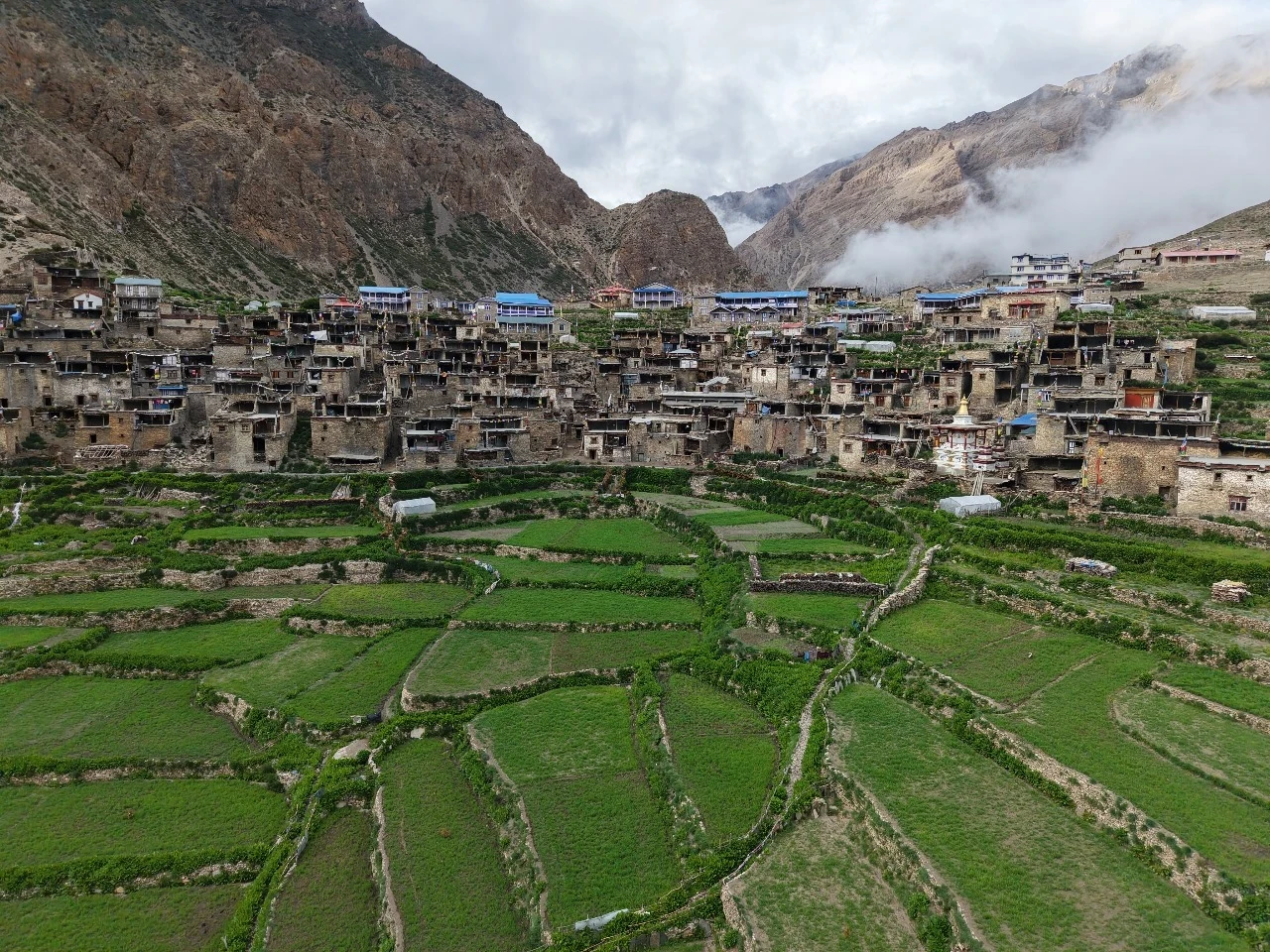
The Nar Phu Valley Trek is a remote Himalayan adventure in Nepal's Annapurna region, known for its traditional villages, rugged landscapes, ancient monasteries, and Tibetan Buddhist culture. Located between the Annapurna and Manaslu regions, Nar and Phu are two neighboring villages that offer a glimpse into a traditional mountain lifestyle far from busy trekking routes.
Opened to foreign trekkers in 2003, Nar Phu Valley remains one of Nepal's less-visited trekking destinations. The trail passes through narrow canyons, rocky paths, forests, glacial valleys, and high mountain settlements before reaching Kang La Pass, one of the main challenges of the trek.
The Nar Phu Valley Trek is moderately difficult to challenging, mainly due to its high altitude, steep ascents and descents, rugged terrain, remote location, and long walking days. Although technical climbing skills are not normally required, trekkers need good physical fitness, proper acclimatization, and adequate preparation for changing mountain weather.
The Nar Phu Valley Trek is suitable for trekkers with good fitness who are comfortable walking for several hours a day over uneven terrain. Previous trekking experience is helpful, particularly when crossing high mountain passes, but fit beginners may also complete the trek with adequate preparation and a well-planned itinerary.
The most demanding section is usually the ascent to Kang La Pass, which reaches approximately 5,320 meters. The thin air, steep trail, and possible snow or ice can make this crossing physically demanding.
The overall difficulty depends on several factors, including your fitness level, walking pace, itinerary, weather conditions, and ability to adjust to high altitude.
1. Terrain and Altitude Challenges
The trail includes rocky paths, steep hills, narrow gorges, and uneven sections that require careful footing. Some parts of the valley are relatively gentle, while other sections involve sustained uphill climbs and descents.
Altitude is another major challenge. As you gain elevation, the reduced oxygen level can make ordinary walking more tiring. The crossing of Kang La Pass is particularly demanding because of its elevation and exposed mountain terrain.
Altitude sickness can affect anyone, regardless of age or physical fitness. Common symptoms include headaches, nausea, dizziness, and unusual fatigue. Ascending gradually and allowing enough time for acclimatization are essential for a safer trek.
2. Weather and Seasonal Conditions
Weather conditions can significantly affect the difficulty of the Nar Phu Valley Trek. Spring and autumn are generally preferred because they often offer more stable weather and favorable trekking conditions.
Spring (March–May): The weather generally becomes warmer, and trails are often suitable for trekking. Snow may remain around higher elevations early in the season.
Autumn (September–November): Clear mountain views and relatively stable conditions make this a popular trekking season.
Winter (December–February): Freezing temperatures and heavy snowfall can make Kang La Pass difficult or unsafe to cross. Some teahouses may also close during the coldest months.
Monsoon (June–August): Rain, slippery trails, landslides, and rockfalls can create problems on lower sections of the route, although the rain-shadow areas may receive less precipitation.
Conditions vary from year to year, so check the latest trail and weather information before departure. The high pass should only be crossed when conditions are considered safe.
3. Walking Distance and Trek Duration
The Nar Phu Valley Trek commonly takes around 10–16 days, depending on the starting point, acclimatization schedule, side trips, and whether you combine it with other sections of the Annapurna Circuit.
Most trekking days involve approximately five to seven hours of walking, although some days may be longer. The route includes gradual ascents, steep descents, and extended sections over rocky terrain.
A longer itinerary allows more time to adjust to the altitude and reduces the pressure to cover difficult sections too quickly. Rather than focusing only on daily distance, trekkers should consider elevation gain, trail conditions, and available daylight.
4. Physical Fitness and Endurance
Good physical fitness is important for completing the Nar Phu Valley Trek comfortably. You should be prepared to walk uphill and downhill for several consecutive days while carrying a daypack.
Begin training around two to three months before your trek. Useful activities include:
You do not need to be an athlete, but consistent training will make the long walking days and high pass crossing more manageable.
5. Technical Difficulty and Previous Trekking Experience
The Nar Phu Valley Trek is primarily a high-altitude hiking route rather than a technical mountaineering expedition. Ropes and specialist climbing equipment are not normally needed under ordinary trail conditions.
However, sections near Kang La Pass can become more difficult when snow and ice are present. Trekking poles, suitable boots, and traction equipment may be useful depending on the conditions.
Previous experience on multi-day mountain treks can help you manage your pace, recognize signs of exhaustion, and prepare for changing weather. If you are new to high-altitude trekking, a carefully planned itinerary and an experienced guide can make the journey more manageable.
1. Follow a Training Plan
Start preparing two to three months before departure. Focus on cardiovascular endurance, leg strength, balance, and longer walks. If possible, practice hiking on trails with elevation changes to become familiar with the physical demands of mountain trekking.
2. Pack Suitable Trekking Gear
Mountain weather can change quickly, so pack clothing that can be layered as temperatures rise or fall. Essential items include:
Your equipment should be appropriate for the season and the expected conditions at Kang La Pass.
3. Allow Time for Acclimatization
Acclimatization helps your body adjust to lower oxygen levels at higher elevations. Avoid gaining altitude too quickly, and include appropriate rest or acclimatization days in your itinerary.
Phu Village can provide an opportunity to spend additional time in the upper valley, depending on your route and schedule. However, acclimatization should be planned according to your elevation profile rather than relying on a single rest day.
Drink fluids regularly, eat enough food, and avoid pushing yourself when feeling unwell. If symptoms of altitude sickness develop or worsen, stop ascending and seek medical advice. Severe symptoms require immediate descent and urgent medical assistance.
Diamox (acetazolamide) may be appropriate for some trekkers, but it should be discussed with a qualified healthcare professional before the trek. It does not replace gradual ascent or proper acclimatization.
4. Arrange the Required Permits
The Nar Phu Valley Trek requires special permits because it passes through a restricted trekking area in Nepal's Annapurna region.
Trekkers generally need the following permits:
The restricted-area permit must be arranged through a registered trekking agency, and a licensed guide is mandatory. Depending on your itinerary and current regulations, a TIMS card may also be required.
5. Consider Hiring a Trekking Guide
A knowledgeable guide can help with route planning, local communication, cultural understanding, and decisions about weather or trail conditions. This can be especially helpful in remote sections and around Kang La Pass.
Before traveling, confirm the current rules for restricted-area trekking and arrange any required guide or agency services. Carry sufficient cash and plan food, accommodation, and emergency arrangements because facilities are limited in some parts of the valley.
Traveling with a group can provide companionship, shared planning, and support during demanding sections of the trail. A guide can also help monitor the route and identify potential problems.
Traveling independently may offer greater flexibility in pace and daily activities, but it requires more responsibility for navigation, logistics, and safety. Nar Phu is a restricted area, so independent travel is subject to current permit and guide regulations.
Regardless of your travel style, make sure your itinerary includes enough time for acclimatization and flexibility for weather-related delays.
Follow these practical tips to make the trek more manageable:
1. Train in advance: Build endurance through regular hiking, uphill walking, and cardiovascular exercise.
2. Walk at a steady pace: Avoid rushing, especially above 3,000 meters, where altitude can affect your performance.
3. Acclimatize properly: Plan gradual elevation gains and additional time where needed.
4. Stay hydrated: Drink regularly throughout the day and eat enough to maintain your energy.
5. Check the weather: Ask your guide or local accommodation providers about conditions before attempting Kang La Pass.
6. Use appropriate gear: Wear boots with good traction and use trekking poles on steep or uneven terrain.
7. Recognize altitude sickness: Do not continue ascending if symptoms develop or worsen.
8. Keep your itinerary flexible: Allow extra time for snow, poor weather, or unexpected delays.
9. Carry essential supplies: Bring personal medication, a first-aid kit, snacks, water, and suitable warm clothing.
10. Respect local culture: Follow monastery etiquette, ask permission before photographing people, and respect local customs.
Despite its physical demands, the Nar Phu Valley Trek offers an experience that differs from Nepal's busier trekking routes. The journey passes through traditional settlements, narrow canyons, barren mountain landscapes, and valleys shaped by centuries of Tibetan Buddhist influence.
Phu Village is known for its traditional stone houses and mountain setting, while Nar offers a quieter glimpse of village life. Trekkers may also visit monasteries, see prayer flags and mani walls, and observe the customs that remain central to local communities.
The crossing of Kang La Pass provides expansive views of the surrounding Himalayan peaks. Depending on the itinerary, trekkers may also explore additional destinations in the Annapurna region or extend their journey toward other high-altitude areas.
The combination of remote settlements, cultural heritage, and rugged mountain scenery makes Nar Phu an appealing choice for travelers seeking a less crowded trekking experience.
The Nar Phu Valley Trek is more remote and isolated than many popular trekking routes in Nepal, making it a suitable choice for trekkers seeking a quieter Himalayan experience. Compared with the Annapurna Base Camp Trek, Nar Phu involves more rugged terrain, fewer facilities, and a demanding high mountain pass crossing. The Annapurna Circuit Trek also includes challenging high-altitude sections, particularly the crossing of Thorong La Pass, but it generally offers more established trails, accommodation options, and access to facilities along parts of the route. In contrast, the Nar Phu Valley Trek passes through narrow gorges, rocky trails, traditional mountain villages, and remote valleys where services are more limited. Although both Nar Phu and the Annapurna Circuit require good physical fitness and proper acclimatization, the level of difficulty depends on the itinerary, weather, walking pace, and individual trekking experience. For trekkers who prefer cultural exploration, isolated settlements, and rugged mountain landscapes, Nar Phu offers a different experience from Nepal's busier trekking routes.

The Nar Phu Valley Trek is a moderately difficult to challenging Himalayan journey that requires physical preparation, sensible pacing, and careful acclimatization. Its rocky trails, long walking days, remote villages, and high crossing of Kang La Pass make it more demanding than many lower-altitude trekking routes.
However, with appropriate training, suitable equipment, a well-planned itinerary, and attention to weather and altitude, fit trekkers can prepare for the challenges more confidently.
For those looking to explore a quieter side of Nepal, Nar Phu Valley offers traditional Himalayan villages, ancient Buddhist culture, and dramatic mountain landscapes away from the busiest trails. The key to a successful trek is to prepare well, respect the altitude, and allow enough time to experience the valley at a comfortable pace.
1. How difficult is the Nar Phu Valley Trek?
The Nar Phu Valley Trek is moderately difficult to challenging due to its high altitude, rocky trails, steep ascents and descents, and the crossing of Kang La Pass at approximately 5,320 meters.
2. Can beginners do the Nar Phu Valley Trek?
Yes, fit beginners can complete the Nar Phu Valley Trek with proper training, gradual acclimatization, and a well-planned itinerary. Previous high-altitude trekking experience is helpful, especially for crossing Kang La Pass.
3. How many days are needed for the Nar Phu Valley Trek?
The Nar Phu Valley Trek typically takes 10–16 days, depending on the starting point, acclimatization schedule, side trips, and whether you combine it with the Annapurna Circuit.
4. How many hours do you walk each day on the Nar Phu Valley Trek?
Most trekking days involve approximately five to seven hours of walking. Some days may take longer because of steep climbs, rocky terrain, altitude, and weather conditions.
5. What is the highest point of the Nar Phu Valley Trek?
The highest point is usually Kang La Pass, at approximately 5,320 meters (17,454 feet). The high elevation makes the crossing physically demanding and increases the risk of altitude sickness.
6. Is Kang La Pass difficult to cross?
Yes, Kang La Pass is generally the most demanding section of the trek. The steep ascent, high altitude, and possible snow or ice require good endurance, careful pacing, and suitable weather conditions.
7. Do you need previous trekking experience for Nar Phu Valley?
Previous trekking experience is recommended but not always essential. Trekkers with good fitness, adequate preparation, and a suitable itinerary can attempt the route, although experience at higher elevations is an advantage.
8. What is the best season for the Nar Phu Valley Trek?
Spring (March–May) and autumn (September–November) are generally the best seasons. These periods often provide more favorable trekking conditions, although snow, wind, and sudden weather changes can still affect higher sections.
9. Is altitude sickness a risk on the Nar Phu Valley Trek?
Yes, altitude sickness is a significant risk because the route reaches elevations above 5,000 meters. Gradual ascent, proper acclimatization, and recognizing symptoms such as headaches, nausea, and dizziness are essential.
10. How fit do you need to be for the Nar Phu Valley Trek?
You should have good cardiovascular endurance and enough leg strength to walk uphill and downhill for several consecutive days. Regular hiking, stair climbing, cycling, and longer walks can help you prepare.
11. Do you need technical climbing skills for the Nar Phu Valley Trek?
No, technical climbing skills are not normally required. However, snow or ice near Kang La Pass can increase the difficulty, so appropriate footwear, trekking poles, and additional traction equipment may be necessary depending on conditions.
12. Is the Nar Phu Valley Trek harder than the Annapurna Base Camp Trek?
The Nar Phu Valley Trek is generally more demanding because it involves a higher mountain pass, more remote terrain, and greater altitude exposure. The difficulty of either trek depends on the itinerary, weather, and individual fitness.
13. Can you trek Nar Phu Valley independently?
Nar Phu Valley is a restricted trekking area, so trekkers must follow the current permit and guide regulations. Confirm the latest requirements before departure, including whether a licensed guide and registered trekking agency are mandatory.
14. What permits are required for the Nar Phu Valley Trek?
Trekkers generally need a Nar Phu restricted-area permit and an Annapurna Conservation Area Permit (ACAP). Requirements and fees may change, so confirm the current regulations with the relevant authorities or a registered trekking agency.
15. How can you prepare for the Nar Phu Valley Trek?
Prepare by training for two to three months, improving your cardiovascular endurance, practicing uphill hikes, packing suitable mountain clothing, and following an itinerary with adequate acclimatization. Check weather conditions before crossing Kang La Pass and avoid ascending when experiencing worsening altitude sickness.