
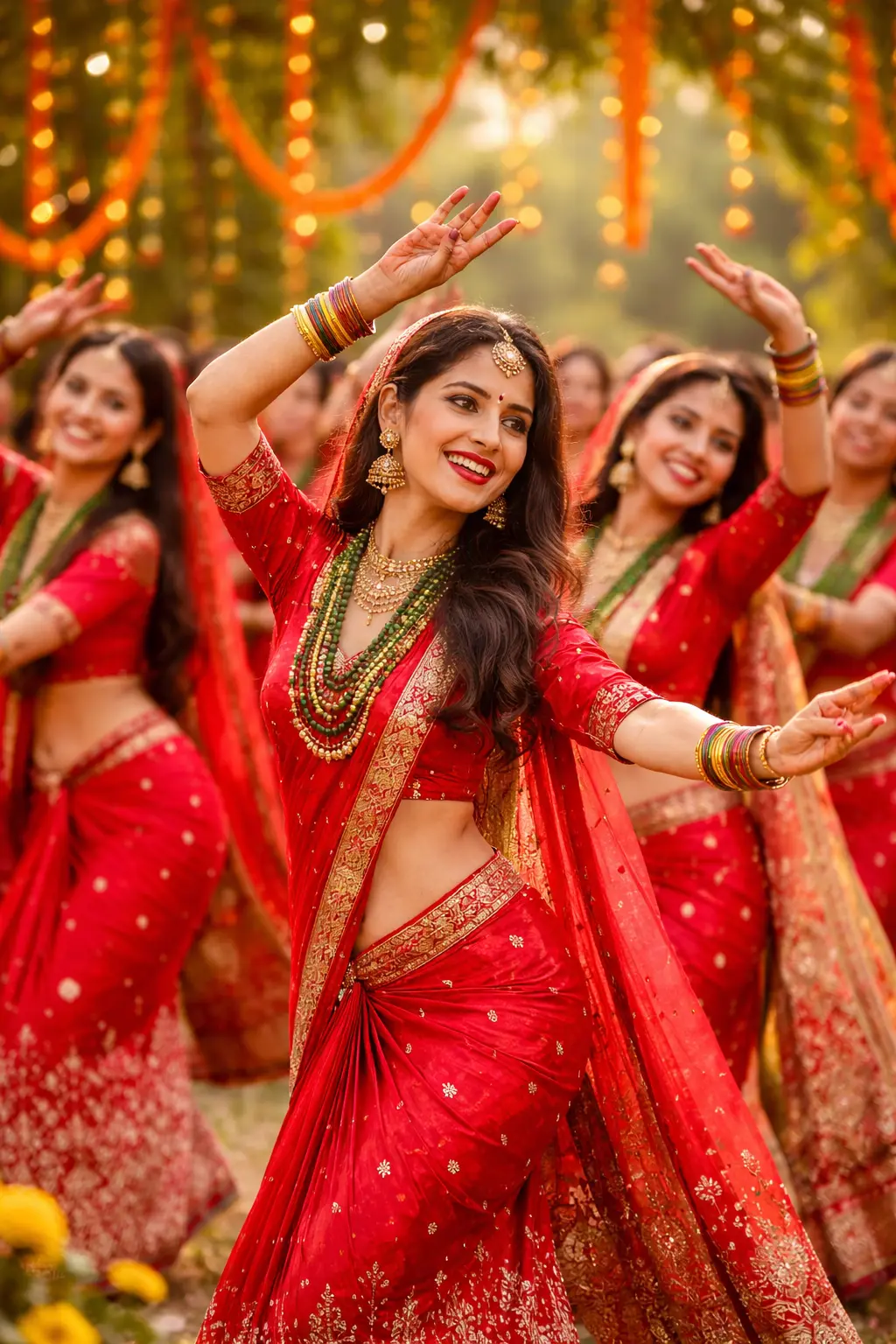
Teej festival is one of the most loved and meaningful festival in Nepal. It connected to Hindu traditions and the bond between Lord Shiva and Goddess Parvati. Every year, during the month of Bhadra (August-September), thousands of women wear bright red sarees, decorate themselves with beautiful jewelry, and gather to sing, dance, pray, and fast. During this time, the streets, temples and home become lively with happiness and devotion. Even though Teej is mainly celebrated by women, it is important for the whole community. Married women pray for the long life and happiness of their husbands, while unmarried women pray for a good and loving future partner.
Over the years, Teej has changed from only a religious festival into a celebration of women’s unity, strength and happiness. Today, it is celebrated not only in Nepal but also by Nepali people living in different parts of the world. What makes Teej truly special is not just in the rituals but in the feelings and values behind it- love, patience, sacrifice, and devotion. It is also a time when women can relax from their daily work and enjoy celebrating their relationships and faith through music, colors and blessings.
Teej is celebrated to remember the strong devotion of Goddess Parvati towards Lord Shiva. According to Hindu tradition, Goddess Parvati observed strict fasting and prayed with deep dedication to win Lord Shiva as her husband. Her patience and faith were finally rewarded when Lord Shiva accepted her. Because of this story, women celebrate Teej by fasting and offering prayers for the long life, health, and happiness of their husbands. Unmarried women also observe the festival to pray for a good life partner in the future. Overall, Teej is celebrated as a symbol of love, devotion, faith, and the importance of strong relationships within families and communities.
The Teej festival has a long history rooted in ancient Hindu traditions and mythology. It is closely linked to the story of Goddess Parvati and Lord Shiva. According to traditional belief, Goddess pavati wished to marry Lord Shiva and showed her deep devotion by fasting and performing strict penance for many years. Her patience and determination finally moved Lord Shiva, who accepted her as his wife. This story became an important symbol of love, faith, and commitment, and over time it inspired the traditions of the Teej festival.
For centuries, women in Nepal and nearby regions have celebrated Teej by fasting and praying for the health and long life of their husbands, as well as for happiness and harmony in their families. Unmarried women also take part, hoping to find a loving and supportive life partner. In the past, Teej also served as a special time when married women could return to their feelings, and enjoy singing and dancing together. Over the years, the festival has grown into a colorful and joyful celebration that blends religious devotion with cultural traditions, bringing families and communities together while keeping its historical roots alive.
Dar Khane Din is the first day of Teej and is all about celebration and delicious food. Families prepare special meals such as sel roti, yogurt, sweets, fruits, alu tama and different curries, making the day feel joyful and festive. On this day, many married women return to their maternal homes, which makes the occasion very emotional and nostalgic. Il becomes a beautiful time for reunion with sisters, cousins, and childhood friends.
Women gather together to eat, sing, and dance. They share stories about their lives- some funny, some emotional. Traditional folk songs about love, marriage, hopes, and social changes fill the air. It is a time when women feel free to express themselves, supported by family and community.
In recent years, many groups of women also celebrate Dar Khane Din by organizing outings, lunches, and cultural programs. These gatherings often take place in beautiful locations where they can enjoy singing and dancing freely. Today, these celebrations are an important part of modern Teej, where traditional customs are mixed with modern styles.
The second day of Teej is main and most important day of the festival. This day is called Haritalika Teej. On this day, many women keep a strict fast. Most of them do nirjala fast, which means they do not eat or drink anything for the whole day. This fast is done to show devotion to Goddess Parvati and Lord Shiva. Women wake up early in the morning, take a bath, and wear their best red sarees. Women wear green bangles, gold jewelry, and many married women wear pote, which is a traditional necklace that shows marriage in Nepali culture.
Temples of Lord Shiva, especially Pashupatinath Temple, become very crowded on this day. Thousands of women go there to pray and offer flowers, fruits, and holy water to the Shiva Linga. Devotional songs play, temple bells ring, and the place feels very spiritual.
Fasting on this day is not only about following tradition but also about faith and self-discipline. Many women believe that by praying sincerely and keeping the fast, they can bring peace, happiness, and prosperity to their families and maintain a strong and happy married life.
The third day of Teej is called Rishi Panchami. This day is about spiritual cleansing and showing respect to the Sapta Rishis, the seven great sages in Hindu tradition. It is believed that this day helps women clean themselves spiritually and ask forgiveness for any mistakes made unknowingly.
On this day, women wake up early and bath in holy rivers, ponds,or springs. Some also use mud and special herbs that are believed to be pure and sacred. They pray to the sages and ask for forgiveness and blessings for a healthy and peaceful life.
Unlike the first two days, this day is quieter and more focused on payer and reflection rather than celebration. Rishi Panchami marks type end of peace, blessing, and spiritual freshness.
Teej fasting is an important part of the Teej festival and holds deep religious meaning for Hindu women. The fast is observed to honor the devotion of Goddess Parvati toward Lord Shiva and to seek blessings for love, health and family well-being. On the main day of Teej, many women observe a strict fast, often without food and water, and spend the day praying and visiting Shiva temples. It is believed that fasting with sincerity and devotion brings peace, strengthens faith, and helps fulfill wishes for a happy married life or a good future partner. The meaning of the Teej fast is not only religious but also symbolic of patience, self-discipline, and spiritual devotion. Although fasting rules can vary, the main belief is that the fast should be observed with a pure heart, positive thoughts and respect for tradition.
Food is an important part of the Teej festival, especially on the Dar Khane Din, when women gather with family and friends to enjoy a grand feast before the fasting day. The Dar means usually includes a variety of rich and delicious dishes that provide energy for long fast ahead.This foods are commonly prepared on Teej:
Teej is more than a religious observance- it is also a cultural celebration. Women sing traditional Teej songs that often express emotions, social messages, and personal experiences. Dancing and gatherings strengthen relationships among family members and friends.
Over time, Teej celebrations have changed in some ways. Today, celebrations are organized in schools, offices, and community centers. Social media platforms are also used to share Teej songs, photos, and greetings. Modern celebration of teej includes:
| Year | Dar Khane Din (1st Day) | Main Teej Fasting Day (Haritalika Teej) | Rishi Panchami (3rd Day) |
|---|---|---|---|
| 2026 | September 13 (Sunday) | September 14 (Monday) | September 16 (Wednesday) |
| 2027 | September 2 (Thursday) | September 3 (Friday) | September 5 (Sunday) |
| 2028 | August 21 (Monday) | August 22 (Tuesday) | August 24 (Thursday) |
The Teej Festival remains one of the most cherished and meaningful festivals in Nepal, reflecting deep religious faith, cultural traditions, and the strength of women in society. From the joyful feasting of Dar Khane Din to the devotion of fasting on Haritalika Teej and the spiritual cleansing of Rishi Panchami, each day of the festival carries its own special meaning and purpose.
Although modern celebrations have introduced new ways of enjoying Teej, the true essence of the festival remains unchanged. It continues to promote unity, family bonding, cultural pride and spiritual devotion. Teej not only preserves traditional values but also allows women to express their feelings, celebrate their relationships, and strengthen their connection with their faith.
Overall, Teej is more than just a festival, it is a celebration of love, patience, sacrifice and togetherness. It continues to shine as a beautiful symbol of Nepal’s rich cultural heritage and remains an important tradition passed down from generation to generation.
Why is Teej celebrated?
Teej is celebrated to pray for the long life and good health of husband and for a happy married life.
Who celebrates Teej?
Teej is mainly celebrated by women but men and families also take part in the celebration.
What is dar in Teej?
Dar is a special feast eaten on the first day of Teej before the fasting begins.
Is fasting compulsory during Teej?
No, fasting is not compulsory. Some women choose to fast based on their health and beliefs.
What is Rishi Panchami?
Rishi Panchami is the final day of Teej, when women perform rituals for purification and worship the seven sages.
Why do women wear red during Teej?
Red is considered a symbol of marriage, love and good fortune in Hindu culture.