
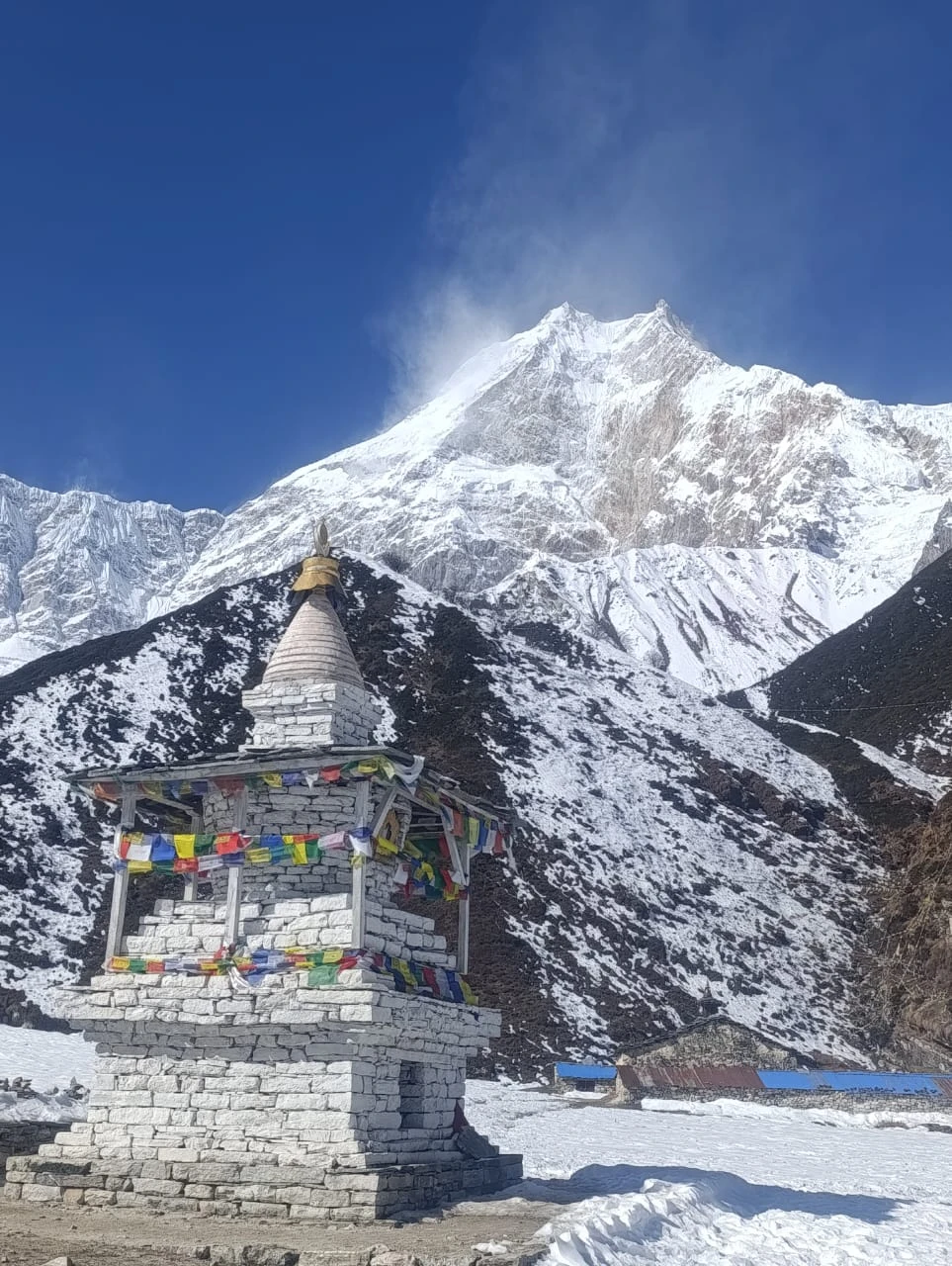
A journey through the Manaslu Circuit unfolds some of Nepal’s wildest beauty, where fewer footsteps mark the path. Towering peaks rise without warning, while villages hold ways of life unchanged for generations. Still, timing shapes everything when stepping into such raw terrain. When skies shift fast above these mountains, each season paints different challenges across the route. Trails may vanish under snow, views might disappear behind mist, lodges could sit closed- depending on the month. So matching your arrival with stable weather isn’t just comfort, it’s necessity. For those drawn to Mount Manaslu’s quiet grandeur, knowing which weeks offer balance between open paths and clear air becomes part of the preparation
When cities see just warmer days or more people outdoors, places like Manaslu feel it differently- snow piles up, rain pours heavy, cold bites harder. Trails might vanish under white cover; skies could hide peaks behind thick clouds; small mountain lodges often shut tight when storms roll in. Though starting near green foothills, the path climbs sharp into icy zones such as Larkya La Pass - each stretch lives by its own weather rules. Instead of guessing which months work, look closer at how spring shakes out, what summer brings through misty slopes, how autumn clears paths with steady calm, then weigh how winter locks things down hard. Matching your pace, past hikes, and what you hope to find helps pick a window that fits without promises
Spring warmth brings color to trails, while trekkers enjoy clearer skies above the valleys. By summer, rain shapes the path underfoot, turning forests into lush corridors beneath misty peaks. Autumn follows with steady weather, making ridge lines bright under crisp daylight. Winter arrives cold, frosting high passes white, limiting access but rewarding patience
Spring brings wildflowers but also rain. Mountain vistas shine brightest when winter snow fades away. Some travelers chase quiet trails, others want sunshine without delays. Summer offers long days yet draws more people. Autumn light paints forests gold before cold returns. What matters most to you shapes where you go. A perfect moment exists only through your eyes
Spring brings steady skies, clear mountain views, bright colors along the path - many find it just right. Autumn does too, with crisp air and fewer crowds shaping a quiet rhythm. Yet some choose shoulder times, drawn by solitude despite tougher winds or shifting paths underfoot
Warm days arrive when winter lets go, opening paths along the Manaslu Circuit Trek. Trails emerge slowly once snow thaws at higher points. Color floods the hillsides just as life returns to every slope and ridge. Along the way, near Jagat and Namrung, trees burst into pink and red blooms - rhododendrons rule these slopes. These flowers belong to Nepal, standing tall among greening woods. Snow still caps distant summits while soft light fills valleys below. Seeing clear peaks becomes common under steady skies. Beauty shows up everywhere: in blossoms, reflections, quiet air
Spring brings mild weather, perfect for walking through mountain trails. In valleys, daytime warmth sits around 15°C up to 25°C, whereas places like Samagaun stay chilly - between 5°C and 10°C - due to height. Even so, evenings get sharp with cold, more so uphill, though having the right equipment makes it tolerable. Thanks to steadier atmospheric patterns this season, moving across tough terrain such as Larkya La Pass becomes less risky. Mornings tend to be transparent and open, gifting wide-eyed looks at towering summits - Manaslu among them.
Spring brings fewer hikers than you might expect. Even though plenty come during these months, the trails stay quieter than they do in busy autumn. Lodges along the way operate fully, shelves filled, ready for guests. The mood out there feels bright without feeling packed. Anyone hoping for clear skies, blooming views, and space to walk will find what they need when snow melts into March, April, May
Clear air follows the monsoon, making trails bright under wide-open skies. The mountains stand sharp against endless blue during these months. Paths near Samdo wind past stone homes with light spilling across fields. Dharamsala sits high where cold winds sweep clouds aside by midmorning. Peaks appear so close they seem within reach on still mornings. Fewer shadows blur distant ridges now, just clean lines stretching into silence. Light stays steady for those moving slow through upper valleys.
Autumn brings steady skies, so high trails like Larkya La Pass tend to go smoothly then. In valleys, days sit between 10°C and 20°C - warm enough to move easily. Up higher, air turns crisper, yet never harsh. After sunset, cold sets in fast once you climb past 3,500 meters. Still, week after week, these weeks line up best for long mountain walks.
What holds autumn back? It gets packed. Even though fewer people come here than to Everest Base Camp, the trails see a big jump in hikers. Rooms inside teahouses vanish fast - arriving without plans might leave you stranded. Still, sharp mountain scenes wait under steady skies, while energy hums through every village. Most choose this time simply because everything lines up so well
Rainy months cover Nepal when summer arrives, drenching much of the land. Not ideal for new trekkers, Manaslu Circuit trails turn tough under constant downpours. Wet ground turns slick beneath boots, particularly around Soti Khola's lower stretches. Mud increases danger - falls happen more easily, plus slopes may give way without warning. Water levels rise fast in rivers after storms; crossing them becomes harder, less predictable. In wooded zones, leeches show up often now, crawling onto clothes, bothering certain hikers
Yet here, during monsoon time, the Manaslu area shows another face entirely. Lush green covers every slope, water spills down cliffs in full force, while mist wraps everything like a slow breath. Few people walk these paths now, so silence settles deep between trees and stones. Those used to long hikes, ready for wet boots and heavy packs, might find something rare out here - solitude with rhythm. Clouds often block sightlines, true, though dawn sometimes tears through, unveiling Manaslu’s peak sharp against pale sky.
Cold grips the Manaslu trails in winter, testing every step. Higher up, the air bites harder, often dipping past -15°C when night falls. Snow piles deep near Larkya La Pass, blanketing paths without warning. Travel slows there, sometimes stops altogether under thick storms. A few who set out must change course, heading down before reaching the far side.
Winter still brings something different to those who walk the mountains. Few people come around then, so silence settles deep between the trees and peaks. Snow drapes villages such as Samagaun like soft light, shaping quiet beauty. When the sky clears, which it often does, cold air holds everything in sharp outline - edges of rooftops, distant ridges, frozen streams. What stands out most is how sound fades, leaving only breath and thought in the stillness of the mountains.
Winter trekkers need solid experience along with the right clothing for freezing conditions. Those after quiet trails plus a real challenge might find Himalayan hikes worth it - even if they’re tough on newcomers
Figuring out the right moment for the Manaslu Circuit Trek gets simpler once you go through each month one by one. Cold hits hard in January and February - this is full-on winter, especially up near Samdo where frost bites deep. Paths might vanish under snow, Larkya La Pass turning risky to cross, yet skies frequently shine sharp and bright. Few people show up during these months, so if silence matters more than comfort, seasoned hikers may find this stretch perfect.
Higher altitudes stay locked in ice while lower river valleys remain quieter, less touched by footsteps. Spring arrives in March as the air turns warmer, while rhododendrons begin flowering down in places like Jagat. By April, conditions grow steadier - landscapes burst into color, yet trails remain clear enough for steady walking. May holds that balance longer, where skies often stay open, giving full views of Mount Manaslu without sudden shifts
Heavy rains arrive in June, then continue through July into August, turning paths soft underfoot across much of the route below Soti Khola. Slippery ground appears often now, along with sudden slides down hillsides where soil gives way after long soaks. Yet everything grows thick and rich-looking when soaked like this, giving hikers who don’t mind damp gear a different kind of view. By September, clouds lift slowly, rain eases off, and dirt tracks start firming up again beneath boots. Sunlight returns more each day as skies open bit by bit once the storms pass.
Many choose October because mornings stay mild, air stays sharp and clean, and cloud cover almost vanishes during daylight hours. Into November, crispness enters the breeze; days shorten slightly but visibility remains strong on most ridges. Winter begins in December, which means chillier weather along with thinner crowds on trails. Even so, hiking remains possible in lower and middle elevation zones. Knowing what each month offers makes it easier to pick a good time for your hike - depending on how much you like cold or how tough you want it.
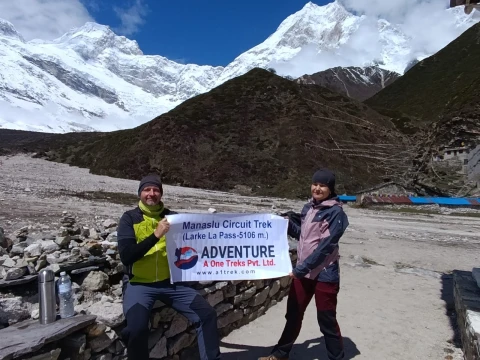
Depending on how much someone has hiked before, their strength, or how well they handle tough environments, the best time to go can differ. Newer hikers often find spring - March through May - or autumn, from September to November, works best for the Manaslu Circuit. In those periods, storms rarely hit, it's neither too hot nor too cold, plus paths stay in good shape. High mountain crossings like Larkya La Pass become easier, thanks to less snow cover and better sightlines. Adventure feels just right here - not too rough, not too soft - so first-timers in Nepal tend to enjoy it most then.
Some seasoned hikers might go for the Manaslu Circuit when others stay home - say, in winter or monsoon months. When snow piles high and trails turn quiet, you get stillness plus raw beauty, only if your clothing and skills match the freeze. Rain drenches paths through summer’s wet stretch, leeches appear without warning, sight fades in mist - but moss thickens, plants burst forth, people vanish from view. Those ready to adapt, pack smart, expect detours often walk away with stories few hear. It comes down to what feels right for each person, though newcomers truly do better waiting for clearer skies and stable ground
Springtime brings mild days up high, though nights bite cold once you reach places like
Samagaun. Warmth lingers near Machha Khola, where temps sit between 15°C and 30°C across much of the year. Higher up, things shift fast - altitude reshapes how it feels by midday or after dark. Autumn holds similar patterns: air stays crisp, highs hover around 5°C to 12°C when sun's out. Conditions change sharply based on elevation and time of year, shaping what gear makes sense. Freezing lows come often past dusk, even during peak seasons.
Winter brings sharper cold, especially up near Larkya La Pass where mercury dips below - 15°C. Blasting wind mixed with snow turns paths tougher, demanding solid preparation.
Monsoon keeps warmth in the air - yet dampness clings heavy while rain slicks stones underfoot. Seeing how heat shifts across months helps sort what clothes to carry. What you wear ties closely to risk levels when moving through peaks. Picking a season means matching your limits to how wild the weather might swing.
When chasing light or wandering near Mount Manaslu, moments matter most in fall. October into early November opens sharp skies above the ridges. Once monsoon clouds fade, air clears out haze - sightlines stretch far, colors snap awake. Morning glow climbs silent slopes while evening fire paints frosty summits. Light bends just right then, shaping quiet scenes of rock, ice, and sky. Fresh green bursts across the hills when spring arrives, painting every view through the lens differently. Rhododendrons wake up then, splashing bright shades between tall peaks.
Instead of rushing ahead, time seems to pause near Namrung where old homes rest under stone roofs. Samdo waits further on, tucked beside paths worn by seasons of quiet footsteps.
Mountains stand close here, watching without speaking, framing each village like a kept secret. Photographing in winter brings its own kind of magic - blankets of snow turn everything into quiet drama. Still, biting temperatures and tough travel might keep you indoors more than out. When monsoon rolls in, clouds hang low and rain falls often, making shooting difficult - but now and then, the sky splits open with sudden beauty. If steady sunlight, rich colors, and mild air matter most, many photographers find autumn answers every need across the Manaslu trails.
Hitting the trail when village festivals unfold gives your Manaslu walk a deeper cultural feel. From one valley to the next, settlements carry strong Tibetan Buddhist roots - their spirit shows brightest during celebrations. Come autumn, places close to Jagat light up with festivities like Dashain and Tihar, seen throughout Nepal. Color spills into streets as homes dress up, ceremonies run from dawn, and laughter fills common spaces. You might find yourself watching age-old dances, hearing chants echo at temples, or simply sharing moments with locals going about festival days
Up high near Samagaun, quiet celebrations at monasteries sometimes unfold without warning. Prayer flags flutter while chants rise through thin air, carried by voices old and young. Music appears suddenly - drums, horns - not planned but felt. People gather not because they must, but because it belongs. Walking these trails when songs echo means seeing mountains shaped by belief, not just stone. The land speaks slower then, deeper. Moments stretch beyond scenery into something lived
Getting ready for the Manaslu Circuit means bringing what you truly need, with choices shifting as seasons change. When hiking in spring or autumn, wear clothes in layers so you stay comfortable as warmth rises and falls. Warm afternoons call for light fabric; chilly nights demand thick jackets - balance matters. Nights get colder uphill, making a solid sleeping bag non-negotiable above certain heights. Winter hikes? Expect biting air near Larkya La Pass, where bulky down coats, close-fitting thermals, sturdy gloves, and snug head coverings become vital.
When rain hits, staying dry means having the right things along. Rain jacket that keeps water out plus a cover for your pack make life easier when everything gets soaked. Shoes must hold firm on slippery ground - mud changes how you move step by step. Sunscreen matters just as much when clouds hang low, because mountain light burns harder than most expect. Sunglasses stay useful even under gray skies where glare hides in plain sight. Water needs constant attention since breathing thin air dries you faster without notice. Getting layers sorted ahead of time shifts how smoothly each day unfolds across shifting terrain.
Picking when to walk the Manaslu Circuit path comes down to what you want, how much trekking you have done, and what kind of journey feels right. Clear skies, steady temperatures, and open trails make spring or fall favorites for many who head out there. Seeing Mount Manaslu shine under bright light while moving through tough spots such as Larkya La Pass works well at that time. Still, some choose colder months or rainy periods just to find quiet paths and test themselves beyond usual limits.
Year after year, folks keep asking when the ideal moment hits. Yet seasons each bring something different to the table - spring light, autumn clarity, summer green, winter quiet. What matters most ties back to what you want from the path, how much cold or crowd feels right. Plan well, pack wisely, step forward without overthinking it. Mountains stay grand regardless of month.
Picking when to walk the Manaslu Circuit? Many hikers settle on either spring or fall. One isn’t better than the other - just different flavors of journey. March through May paints the land bright. Think Jagat and Namrung, where forests burst - not just with leaves, but rhododendrons flaming red, pink, white, plus magnolias stretching into sky. Most days bring steady skies, plus gentle warmth that suits lengthy hikes well. Come May, though, afternoon air often thickens just enough to blur distant peaks a little.
Come September, Nepal’s trails start calling most strongly. With summer rains gone, dust fades, air sharpens - suddenly, Mount Manaslu stands out, crisp against the sky. Instead of mud, paths stay firm underfoot, perfect for pushing through places like Larkya La Pass. Fewer storms mean fewer surprises up high. Still, more trekkers arrive too, so rooms fill fast and costs creep upward.
Peace on the trail? Harder to find now. Spring brings fewer hikers yet keeps ideal walking weather. Which time suits you best? Think sharp mountain views versus blooming trails and space to breathe.
Lately, shifting weather has started altering how treks unfold in Nepal - the Manaslu Circuit included. Unsettled skies now bring surprises: rains arrive late, snow falls without rhythm, warmth dips and spikes without warning. Around Samagaon and Samdo, subtle shifts pack a punch, nudging trail safety off balance. A harsher winter dump might block mountain crossings longer than normal; sudden downpours in fall could blur distant ridgelines for hours.
These days, treks don’t follow old timing rules like they used to. Because weather shifts often now, adjusting plans might mean the difference between smooth trails or tough ones. Instead of sticking firm to a schedule, checking sky updates regularly helps stay ahead. Local guides
who’ve walked these paths for years notice subtle changes others miss. Their knowledge often leads to safer choices on steep or icy sections. Climate effects bring harder trail moments, true - yet they also remind people to tread lightly. Picking up trash, staying on marked routes, and respecting village customs matter more now than ever. Supporting nearby lodges and services keeps money within the community. Still, each step taken thoughtfully shapes what comes next across the Manaslu area
Season shapes how crowded the Manaslu Circuit feels, changing what you see and who shares the trail. Fewer people walk here compared to Everest or Annapurna, simply because permits are limited. Even so, places such as Samagaun swell when autumn arrives. By October,
international hikers pack the path, turning quiet spots into hubs of movement. Sleeping spaces at teahouses vanish fast then - showing up without a reservation gets tricky.
One step into spring means fewer crowds, just enough people around to share the path without breaking the quiet. While walking, faces appear now and then, yet long stretches stay hushed and calm. Winter drops almost everyone else out of view. The same happens when rains arrive, turning paths into lonely threads through silence. Far past Namrung, the land feels like it forgot visitors ever came. Away from crowds, life slows - yet supplies grow sparse without careful preparation. Season shifts shape who shows up; matching timing to mood changes everything.
Timing your walk around Manaslu often comes down to how safely you can move through changing mountain conditions. Every part of the year brings its own set of challenges worth thinking about. In fall or spring, skies tend to stay calm, paths remain clear enough to follow without much trouble. Still, getting too high too fast can hit hard - especially near Samdo and at the top of Larkya La Pass. Bodies need time to adjust. Slowing the climb helps, no matter when you go Cold months bring harsh winds, deep snow, sometimes avalanches - routes might close without warning. When paths block, plans must shift easily. Rains fill gullies fast, turn slopes slick, especially down where Machha Khola runs. Fog hides landmarks, steps become unsure underfoot. Staying safe means watching forecasts closely, wearing proper clothing, moving with someone who knows hidden turns - most when skies act strang
If you care about wild animals and green spaces, when you hike through the Manaslu Conservation Area really shapes what you’ll see. Come in spring if you love plants and creatures - trees burst with life then, also animals stir awake once winter fades. You might spot colorful Himalayan birds hopping between branches, langurs leaping overhead, maybe even a snow leopard slipping past, though that almost never happens. Near Jagat or Namrung, thick woods below hold more kinds of living things than most places around here.
When autumn arrives, animals remain active even if colors fade beneath gray skies. Though spring bursts bright, fall brings quieter moments worth watching. During monsoon months, green spreads wildly across hillsides after heavy rains begin. Wet trails mean leeches cling more often to boots and pants alike. Scientists who study plants find thick growths thrilling under dripping canopies. Bugs swarm more when humidity rises through foggy mornings. Winter slows everything down - creatures hide, temps drop, movement fades. Cold air keeps many hikers away from high ridges and open fields. Those drawn to wild places pick timing carefully before setting out. Manaslu reveals different layers depending on when footsteps press the soil.
Clear skies and steady paths? That season draws many. Mountain panoramas shine brightest when autumn holds sway. Want flowers underfoot, trees coming alive? Spring slips in quietly with soft colors and fewer footsteps on the trail. Some crave silence between peaks, a test of grit - winter answers that call. Rain drums hard through summer months; few go then, but it feels raw, untouched. Each turn of weather shifts what you meet along the way
Autumn pulls photographers in with sharp light and crisp air. Those who chase animal sightings might find spring more alive, bursting with movement. Anyone drawn to local traditions could time their walk around festival dates. Clarity of purpose shapes when you go - match timing to what matters. Choosing a stretch of months tied to personal aims makes the journey feel fuller.
Starting at the base of Mount Manaslu, walking its trail feels like stepping into a rare moment. When seasons shift, each brings something different - spring coats the woods in blossoms, while autumn hands out sharp mountain vistas. Those less traveled times of year still have their pull, opening space for quiet steps and raw encounters. Being ready matters most when weather turns stubborn
One step at a time, good preparation opens the door to Nepal’s quiet trails where few travelers go. When gear fits the season and choices are smart, safety finds its place along the path. This route does not shout - it whispers through valleys thick with stillness. For those just starting out, the mountains offer a first real taste of high altitude. Even seasoned walkers feel something shift when walking near Manaslu’s shadow. Each turn brings effort matched by views that linger long after boots leave soil. The land gives space to breathe, think, move.