
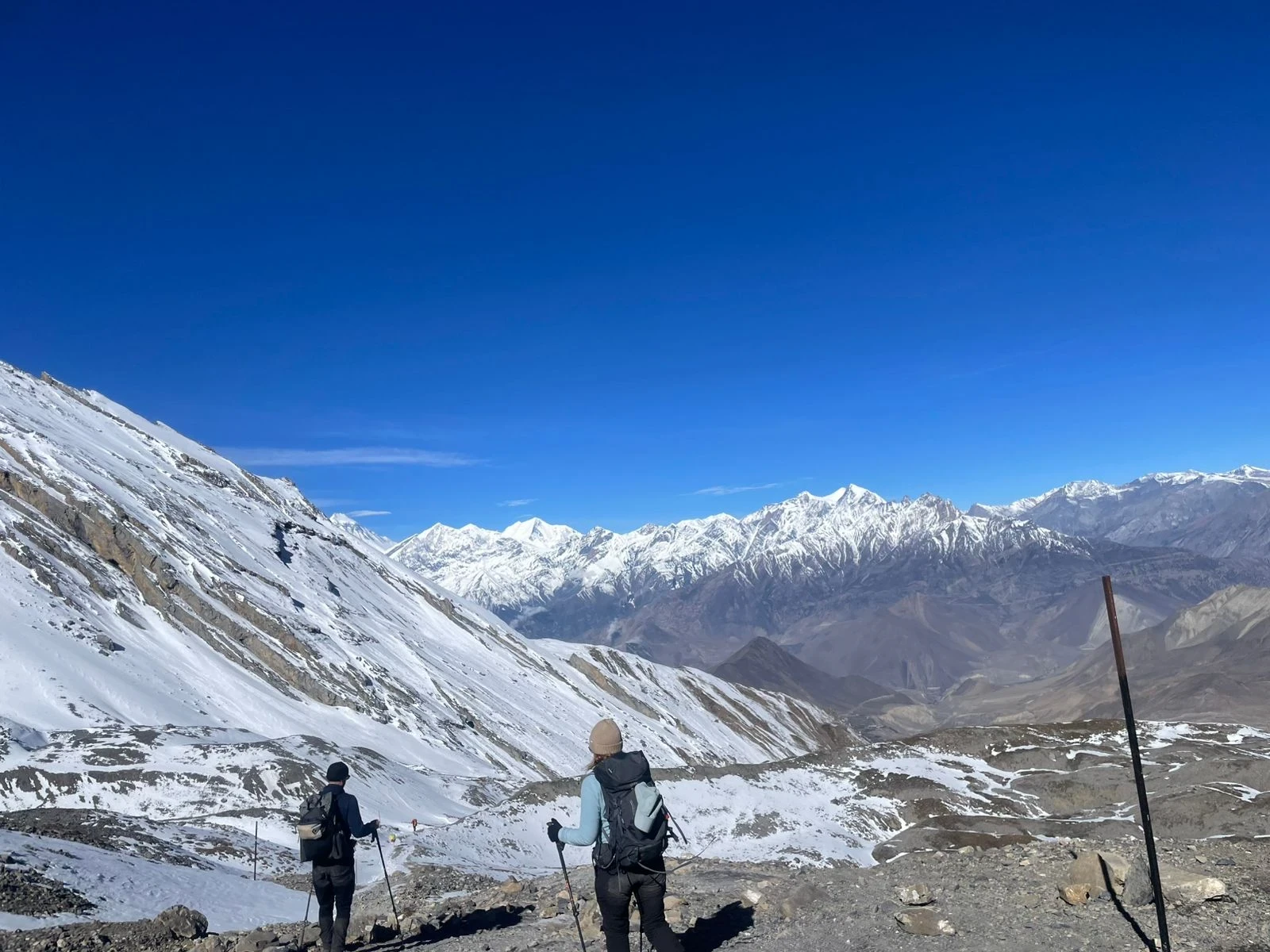
The Annapurna Circuit Trek is not only one of Nepal’s most famous trekking routes but also one of the most diverse high-altitude adventures in the world. Circumnavigating the Annapurna mountain range, the trail takes trekkers through an incredible variety of landscapes, cultures, and climatic zones. The journey begins through lush green hills, terraced farmland, and river valleys before gradually entering alpine terrain, dry Himalayan valleys, and snow-covered high mountain areas.
One of the biggest highlights of the trek is crossing Thorong La Pass (5,416 meters). Although reaching and crossing this high mountain pass can be physically demanding, it offers an unforgettable experience for adventure seekers. Along the route, trekkers pass through places such as Manang, Pisang, Muktinath, and Kagbeni, where they can experience the unique culture, traditions, and lifestyle of the local Gurung, Manangi, and Thakali communities.
However, the overall trekking experience on the Annapurna Circuit depends greatly on when you choose to trek. Himalayan weather can change rapidly, and traveling during an unsuitable season may bring challenges such as poor visibility, extreme cold, snowfall, and difficult trail conditions.
For example, autumn generally brings clear skies and excellent mountain views, while winter can bring freezing temperatures and heavy snowfall at higher elevations. During the monsoon, the lower sections of the trail become beautifully green, but rainfall, muddy trails, and cloudy conditions can make trekking more challenging.
Therefore, before choosing your trekking dates, it is important to consider weather conditions, temperatures, trail conditions, snowfall, visibility, and the condition of Thorong La Pass.
In general, spring (March to May) and autumn (September to November) are considered the best seasons for the Annapurna Circuit Trek. During these months, the weather is generally more stable, the skies are clearer, and the chances of enjoying spectacular Himalayan views are higher. However, this does not mean that the trek is impossible during other seasons. With proper preparation and careful planning, trekkers can also enjoy a unique experience during winter and the monsoon season.
In this guide, we will explore the weather conditions, temperatures, trail conditions, mountain visibility, advantages, and challenges of trekking the Annapurna Circuit in each season and month. We will also help you determine the most suitable time to trek the Annapurna Circuit based on your travel goals and trekking experience.
Spring is considered one of the best seasons to trek the Annapurna Circuit. During this time, the Annapurna region comes alive with blooming rhododendrons, lush greenery, and colorful wildflowers. The skies are generally clearer, offering beautiful mountain views, although there can occasionally be some haze at lower elevations. As the winter snow begins to melt, flowers such as buttercups, orchids, rhododendrons, magnolias, and Himalayan poppies start blooming, making the Annapurna Circuit even more scenic and beautiful.
Spring also brings longer daylight hours, so trekkers do not have to worry about darkness arriving too early. However, spring is a peak trekking season, so the trails can become relatively crowded. April and May are particularly good months for the Annapurna Circuit, while March can still bring snowfall at higher elevations.
October and November are generally considered the best months to trek the Annapurna Circuit. Autumn begins in September, and although trekking is still possible, there may be occasional rainfall during the early part of the month. In October and November, the weather is usually dry and clear, with comfortable temperatures even as you gain elevation. For this reason, autumn is widely regarded as the ideal trekking season for the Annapurna Circuit.
However, autumn is also the peak season for popular treks such as the Everest Base Camp Trek, Manaslu Circuit Trek, Langtang Valley Trek, Upper Mustang Trek, and Annapurna Base Camp Trek, so the trails and teahouses can be somewhat crowded.
If you are planning to trek in September, we recommend traveling in late September, as early September can still experience rainfall from the remaining monsoon effects. Rain can also affect the clarity of mountain views at higher elevations. Compared to spring, autumn is generally considered the best time for trekking in Nepal. While spring can have cooler afternoons, autumn brings sunny days, clear skies, fresh air, and excellent mountain visibility after the monsoon, making it an ideal time to explore the Annapurna region.
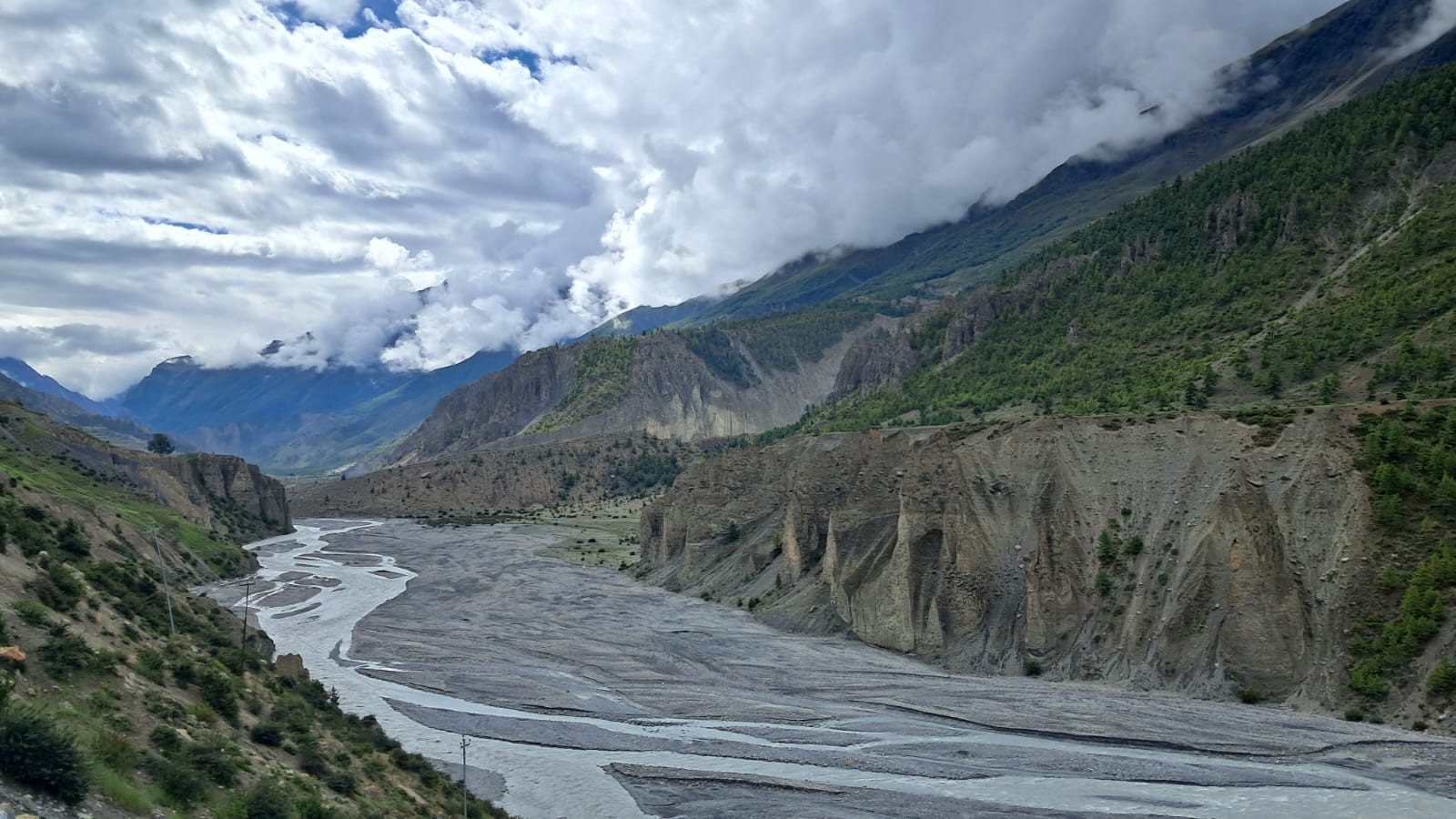
Yes, it is possible to trek the Annapurna Circuit during the monsoon season, but the conditions can be challenging, especially in the lower sections of the trail. The higher parts of the circuit lie within a rain-shadow area, meaning they receive significantly less rainfall and can remain relatively suitable for trekking even during the monsoon.
However, the lower elevations are more exposed to heavy rainfall, which can lead to muddy trails, landslides, floods, and occasional road disruptions. Cloudy weather and rain can also reduce visibility, making it difficult to enjoy clear views of the surrounding mountains.
For a more comfortable and enjoyable experience, the best time to trek the Annapurna Circuit is generally after the monsoon, particularly during the autumn season when the weather becomes drier and mountain views are clearer.
If you still plan to trek during the monsoon, early June or late August can be better options. It is advisable to avoid the peak monsoon period, particularly July and early August, when rainfall is usually heavier. Early September can also bring some remaining rainfall, so checking the weather and trail conditions before starting the trek is recommended.
Weather is one of the most important factors that can influence your Annapurna Circuit Trek experience. Favorable weather conditions, including clear skies, comfortable temperatures, and excellent visibility, allow trekkers to enjoy stunning Himalayan landscapes while walking safely and comfortably.
When the weather remains stable, the trekking trails are usually in better condition, making navigation easier and reducing challenges caused by rain, mud, snow, or ice. This creates a more enjoyable journey and allows trekkers to fully appreciate the breathtaking scenery along the route.
However, unpredictable or harsh weather can bring various difficulties, such as blocked trails, extreme temperatures, altitude-related issues, and natural hazards. For this reason, checking weather patterns and selecting the best trekking season is essential for a safe, smooth, and unforgettable Annapurna Circuit adventure.
| Month | Approx. Daytime Temperature | Approx. Nighttime Temperature | General Weather |
| January | -5°C to 5°C | -15°C to -20°C | Very cold, snow possible at high elevations |
| February | -2°C to 8°C | -12°C to -18°C | Cold, snow and ice possible |
| March | 0°C to 12°C | -5°C to -12°C | Gradually warming, spring begins |
| April | 5°C to 15°C | -2°C to -8°C | Stable, clear, and ideal for trekking |
| May | 8°C to 18°C | 0°C to -5°C | Warm, generally clear, pre-monsoon begins |
| June | 10°C to 20°C | 2°C to 5°C | Warmer, increasing rainfall |
| July | 12°C to 22°C | 5°C to 10°C | Monsoon, cloudy and wet |
| August | 12°C to 21°C | 5°C to 10°C | Wet and cloudy, monsoon continues |
| September | 8°C to 18°C | 0°C to 5°C | Weather gradually clears after monsoon |
| October | 5°C to 16°C | -2°C to 5°C | Clear, dry, and excellent visibility |
| November | 2°C to 12°C | -5°C to -10°C | Cool, dry, and generally clear |
| December | -2°C to 8°C | -8°C to -15°C | Cold, with increasing chance of snowfall |
The packing list for the Annapurna Circuit Trek changes with the season. Temperatures can vary from warm lower valleys to freezing conditions at higher elevations, so choosing the right layers and weather protection is important.
For every season: Carry sunscreen, sunglasses, a water bottle, headlamp, first-aid kit, personal medicines, power bank, toiletries, and trekking poles. Layering your clothes is useful because temperatures can change quickly as you gain altitude.
Terrain:The Annapurna Circuit includes varied landscapes with steep climbs, descents, and challenging sections. Good fitness and trekking experience help you handle the trail comfortably. Trail conditions are generally better during spring and autumn, while off-season routes may be rougher.
Accessibility: Weather can affect transportation and trail access. Winter snowfall and monsoon landslides may cause road delays, trail disruptions, or temporary closures.
Solo vs Guided Trek: A guide provides safety, local knowledge, and route support, while porters help reduce physical effort. Solo trekking is possible but requires good preparation, navigation skills, and proper equipment.
Crowds: Autumn is the busiest season, followed by spring. Winter and shoulder seasons offer a quieter trekking experience with fewer crowds.
The Annapurna Circuit Trek offers breathtaking mountain views and diverse landscapes, but each season brings its own set of risks and challenges. Altitude sickness is one of the major concerns, especially during colder months when the body may struggle to adapt to high elevations. To minimize the risk, trekkers should follow a gradual ascent, stay properly hydrated, and pay attention to early symptoms. If necessary, descending to a lower altitude is the safest option for preventing serious altitude-related problems.
The monsoon season, which lasts from June to August, brings challenges such as slippery trails, heavy rainfall, and potential landslides. Wet and muddy paths can increase the risk of falls, while poor visibility can make navigation more difficult. Trekkers should use proper trekking poles, wear waterproof footwear with good traction, and check weather conditions regularly before starting each day’s journey.
During winter, heavy snowfall can make high passes difficult or even impossible to cross. The famous Thorong La Pass (5,416 m) can become especially challenging due to snow and icy conditions. Trekkers need proper winter gear, including warm layers and traction equipment such as crampons when required. Since mountain weather can change suddenly, maintaining a flexible itinerary, carrying extra supplies, and preparing for unexpected conditions are essential for a safe and enjoyable Annapurna Circuit adventure.

The Annapurna Circuit Trek provides a unique and memorable experience throughout the year, with each season offering its own charm. The journey takes you through diverse landscapes, from green valleys and forests to rugged high-altitude mountain regions, making it an exciting adventure for both beginners and experienced trekkers.
Choosing the right season is crucial for the best trekking experience. Spring and autumn are considered the most favorable periods, offering clear mountain views, comfortable
temperatures, and beautiful natural scenery. Winter brings peaceful trails, fewer trekkers, and breathtaking snow-covered landscapes, while the monsoon season transforms the region into a lush green paradise despite occasional weather challenges.
The ideal trekking season depends on your preferences, travel goals, and tolerance for different weather conditions. With proper planning, preparation, and the right timing, the Annapurna Circuit Trek can become a truly unforgettable Himalayan adventure.
October is considered one of the best months for clear mountain views on the Annapurna Circuit. After the monsoon season ends, the skies become clearer, the air is fresh, and trekkers can enjoy spectacular panoramic views of Annapurna, Dhaulagiri, Manaslu, and other Himalayan peaks.
For budget-conscious trekkers, the best periods are late winter (January to early March) and late autumn (November). During these months, there are fewer visitors, making accommodation and trekking services more affordable while still offering a peaceful trekking experience.
Yes, the Annapurna Circuit remains a worthwhile trekking destination. Although road development has affected some sections, the trek still offers stunning landscapes, authentic mountain villages, diverse cultures, and breathtaking Himalayan views. Many alternative trails have been developed to avoid road sections and maintain the traditional trekking experience.
The most challenging section of the Annapurna Circuit Trek is crossing Thorong La Pass at 5,416 meters (17,769 feet). The high altitude, long walking hours, and changing weather conditions make this part physically demanding. Proper acclimatization, a slow pace, and good preparation are essential for a safe and successful crossing.
The Annapurna Circuit Trek usually takes around 10 to 18 days, depending on the route, transportation options, and trekking pace. Shorter itineraries are possible with road access, while longer routes allow more time to explore traditional villages, natural landscapes, and hidden gems along the trail.
Trekkers generally need the Annapurna Conservation Area Permit (ACAP) and a TIMS (Trekkers’ Information Management Systems) card for the Annapurna Circuit. These permits help regulate trekking activities and support conservation and trail management in the region.
Yes, beginners can complete the Annapurna Circuit with proper preparation. The trek involves long walking days, varied terrain, and high-altitude sections, especially around Thorong La Pass. Building basic fitness, walking regularly before the trek, and following a gradual itinerary can make the experience more manageable.
Tea houses and small lodges are the main accommodation options along the Annapurna Circuit. Most provide simple rooms, shared bathrooms, meals, and common dining areas. Facilities become more basic in remote sections, while larger villages generally offer more accommodation and food choices.
Both October and November are good months for the Annapurna Circuit Trek. October generally offers clearer skies and stable weather, while November brings cooler temperatures and excellent visibility. November can also be quieter than October, especially toward the end of the month.