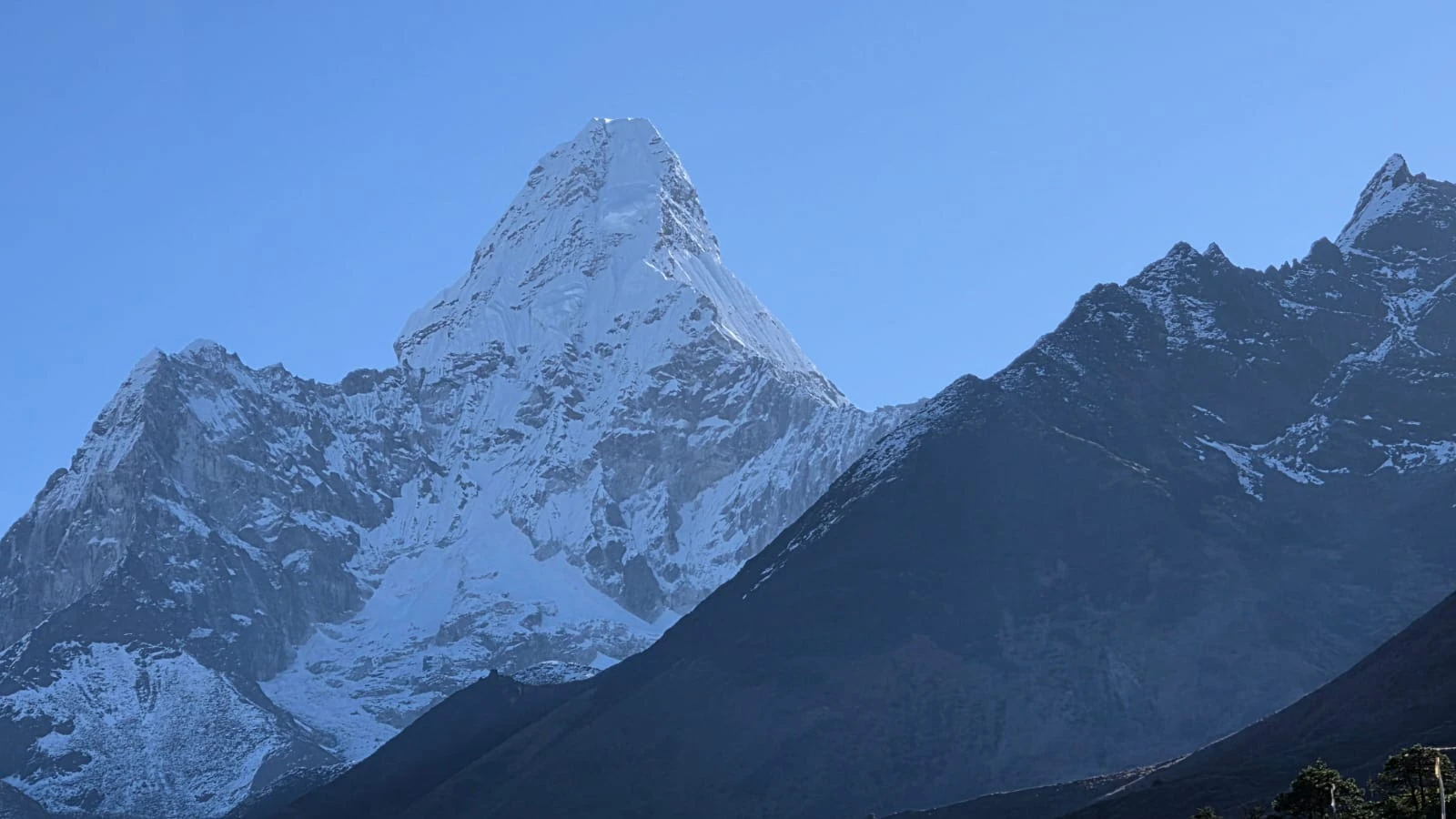
A beginner’s trek in Nepal is a great way to experience the Himalayas without taking on an overly demanding route. These treks offer a comfortable mix of mountain scenery, moderate walking, and cultural experiences. Most beginner-friendly trails follow established routes with manageable daily distances and gradual elevation gains, allowing trekkers to adjust to the changing altitude at a steady pace.
These trekking routes are planned for travelers who may have little or no previous trekking experience. You do not need technical climbing skills or exceptional endurance to enjoy them. The trails pass through green hills, rhododendron forests, small mountain settlements, terraced fields, and peaceful valleys, with views of some of Nepal’s impressive Himalayan peaks along the way.
One of the most enjoyable parts of a first trek is experiencing the local way of life. Mountain villages provide opportunities to meet local families, learn about traditional cultures, and experience the warm hospitality of Nepal’s hill communities. Teahouses along the trails offer simple accommodation and freshly prepared meals, making it possible to travel comfortably even in remote areas.
Many beginner trekking routes have clearly established trails and basic facilities along the way. Tea houses, rest stops, and local settlements are generally available at regular intervals, so trekkers are not completely isolated from support. Walking alongside other travelers can also make the journey more social and enjoyable.
For people with reasonable health and basic fitness, most beginner-friendly treks in Nepal are achievable with proper preparation. Some sections can still involve uphill climbs, downhill walks, and several hours of walking on consecutive days, but maintaining a steady pace and taking regular breaks makes the journey more manageable. Choosing an appropriate itinerary, carrying suitable gear, staying hydrated, and allowing enough time for acclimatization can help first-time trekkers enjoy the experience with greater confidence.
| Trek | Duration | Max Altitude | Difficulty | Best For |
|---|---|---|---|---|
| Ghorepani Poon Hill | 10 Days | 3,210m | Easy | Mountain views & sunrise |
| Everest Panorama | 10 Days | 3,860m | Easy | Everest region |
| Helambu Village | 8 Days | 3,650m | Easy | Culture & short trek |
| Tamang Heritage | 11 Days | 3,165m | Easy | Tamang culture |
| Annapurna Panorama | 13 Days | 2,713m | Easy | Lower-altitude scenery |
Highlights
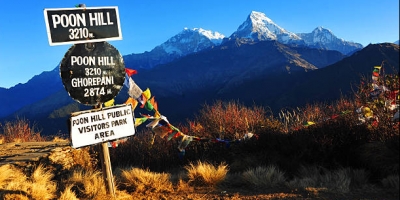
The Ghorepani Poon Hill Trek is one of the most popular short treks in Nepal and a suitable choice for first-time trekkers. Located in the Annapurna region, the route combines manageable walking with mountain scenery, traditional villages, and forested trails.
One of the main highlights is the early-morning walk to Poon Hill at 3,210m. From the viewpoint, trekkers can enjoy a wide mountain panorama featuring Annapurna I, Annapurna South, Dhaulagiri, Hiunchuli, Nilgiri, Tukuche, and other surrounding peaks. The trail passes through rhododendron forests, hillside settlements, and traditional villages, providing a good introduction to trekking in the Himalayas.
The relatively moderate altitude and well-established trail make this trek accessible to beginners with basic fitness. Along the way, trekkers can also experience the hospitality and everyday lifestyle of local mountain communities.
Optional Outline Itinerary
Day 01: Arrival in Kathmandu – 1,300m
Day 02: Kathmandu sightseeing and trek preparation – 1,300m
Day 03: Drive from Kathmandu to Pokhara – 820m
Day 04: Drive to Nayapul and trek to Tikhedhunga – 1,540m
Day 05: Trek from Tikhedhunga to Ghorepani – 2,860m
Day 06: Early morning hike to Poon Hill – 3,210m, then trek to Tadapani – 2,630m
Day 07: Trek from Tadapani to Ghandruk – 1,940m
Day 08: Trek from Ghandruk to Nayapul and drive to Pokhara – 820m
Day 09: Drive from Pokhara to Kathmandu – 1,300m
Day 10: Departure from Kathmandu
Highlights
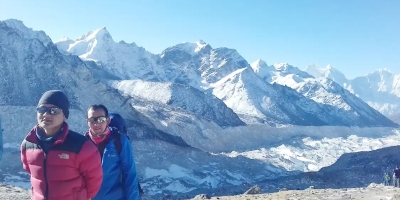
The Everest Panorama Trek is a good option for beginners who want to experience the Everest region without undertaking the longer Everest Base Camp route. The trek begins with a flight to Lukla before following the established trail through Phakding, Monjo, Namche Bazaar, and Tengboche.
The route reaches Tengboche at around 3,860m and provides excellent views of some of the region’s well-known peaks, including Mount Everest, Ama Dablam, Lhotse, and Nuptse. The trail also passes through Sagarmatha National Park, crosses suspension bridges, follows the Dudh Koshi Valley, and visits traditional Sherpa settlements.
Namche Bazaar offers an opportunity to experience the busy mountain hub of the Khumbu region, while Tengboche is known for its monastery and surrounding mountain views. With a shorter itinerary and a lower maximum elevation than the Everest Base Camp Trek, the Everest Panorama Trek can be a practical introduction to trekking in the Everest region.
Optional Outline Itinerary
Day 01: Arrival in Kathmandu – 1,300m
Day 02: Kathmandu sightseeing and trek preparation – 1,300m
Day 03: Fly from Kathmandu to Lukla and trek to Phakding – 2,610m
Day 04: Trek from Phakding to Namche Bazaar – 3,440m
Day 05: Acclimatization and exploration day in Namche Bazaar – 3,440m
Day 06: Trek from Namche Bazaar to Khumjung and Tengboche – 3,860m
Day 07: Trek from Tengboche to Namche Bazaar – 3,440m
Day 08: Trek from Namche Bazaar to Lukla – 2,860m
Day 09: Fly from Lukla to Kathmandu – 1,300m
Day 10: Departure from Kathmandu
Highlights
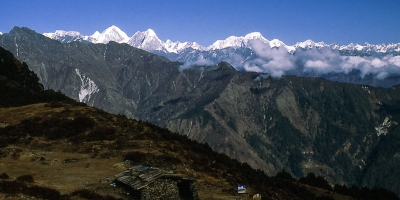
The Helambu Village Trek is a short trek close to Kathmandu and is well suited to travelers looking for a relatively easy introduction to Nepal's mountain trails. The journey begins at Sundarijal and enters the forested landscapes of Shivapuri National Park before continuing toward the villages of the Helambu region.
The trail passes through several traditional settlements inhabited mainly by Hyolmo communities. Trekkers can experience local customs, food, architecture, and daily life while walking through peaceful hills and forest paths.
The route also offers views of Himalayan peaks, including Langtang Lirung, Ganesh Himal, and Gaurishankar on clear days. Since the trek does not reach the extreme elevations found on many Himalayan routes, it can be a comfortable choice for beginners who want a combination of nature and culture within a relatively short itinerary.
Optional Outline Itinerary
Day 01: Arrival in Kathmandu – 1,300m
Day 02: Drive to Sundarijal and trek to Chisapani – 2,300m
Day 03: Trek from Chisapani to Kutumsang – 2,450m
Day 04: Trek from Kutumsang to Tharepati – 3,500m
Day 05: Trek from Tharepati to Tarkeghyang – 2,560m
Day 06: Trek from Tarkeghyang to Sermathang – 2,610m
Day 07: Trek from Sermathang to Melamchi Pul Bazaar and drive to Kathmandu
Day 08: Departure from Kathmandu
Highlights
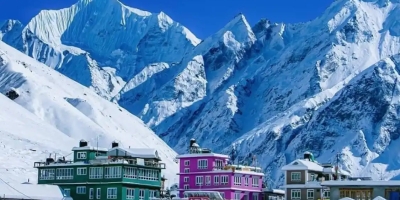
The Tamang Heritage Trek is a cultural trekking route in the Langtang region, offering first-time trekkers an opportunity to explore Tamang villages and experience the area's strong Tibetan cultural influence.
The trail passes through traditional settlements, peaceful valleys, forests, meadows, and parts of Langtang National Park. Along the route, trekkers can see monasteries, gompas, chortens, mani walls, and other elements of local Buddhist culture.
Nagthali is one of the main viewpoints on the trek, with views toward Langtang and surrounding Himalayan peaks. Depending on weather and visibility, trekkers may see Langtang Ri, Dorje Lakpa, Ganesh Himal, and other mountains.
The combination of moderate walking, relatively low altitude, village stays, and cultural experiences makes the Tamang Heritage Trek a suitable option for beginners interested in experiencing a less demanding side of the Himalayas.
Optional Outline Itinerary
Day 01: Arrival in Kathmandu – 1,300m
Day 02: Kathmandu sightseeing and trek preparation – 1,300m
Day 03: Drive from Kathmandu to Syabrubesi – 1,460m
Day 04: Trek from Syabrubesi to Gatlang – 2,238m
Day 05: Trek from Gatlang to Tatopani – 2,600m
Day 06: Trek from Tatopani to Thuman – 2,340m
Day 07: Trek from Thuman to Briddim – 2,230m
Day 08: Trek from Briddim to Lama Hotel – 2,480m
Day 09: Trek from Lama Hotel to Syabrubesi – 1,460m
Day 10: Drive from Syabrubesi to Kathmandu – 1,300m
Day 11: Departure from Kathmandu
Highlights
The Annapurna Panorama Trek explores the lower elevations of the Annapurna region and is suitable for beginners who want Himalayan scenery without reaching the higher elevations of routes such as the Annapurna Base Camp Trek.
The journey begins around Pokhara and leads into the green hills and traditional settlements of the region. Depending on the itinerary, the route can include places such as Sarangkot, Australian Camp, and Gurung villages, where trekkers can experience local culture and mountain hospitality.
The lower altitude and generally manageable trails make this trek a comfortable choice for those with limited trekking experience. Along the way, trekkers can enjoy views of Machhapuchhre (Fishtail), Annapurna, Dhaulagiri, and other Himalayan peaks.
For travelers seeking a slower-paced introduction to trekking in the Annapurna region, the Annapurna Panorama Trek offers a combination of mountain views, village life, and relatively easy walking.
Optional Outline Itinerary
Day 01: Arrival in Kathmandu – 1,300m
Day 02: Kathmandu sightseeing and trek preparation – 1,300m
Day 03: Drive from Kathmandu to Pokhara – 820m
Day 04: Explore Pokhara and hike to Sarangkot – 1,600m
Day 05: Drive to Kande and trek to Australian Camp – 2,060m
Day 06: Trek from Australian Camp to Landruk – 1,565m
Day 07: Trek from Landruk to Ghandruk – 1,940m
Day 08: Trek from Ghandruk to Tadapani – 2,630m
Day 09: Trek from Tadapani to Dobato/Ghandrung area – route dependent
Day 10: Descend toward the lower Annapurna villages and drive to Pokhara
Day 11: Explore Pokhara and surrounding viewpoints
Day 12: Drive from Pokhara to Kathmandu – 1,300m
Day 13: Departure from Kathmandu
The timing of your trek can make a significant difference, especially if it is your first experience in the Himalayas. Spring (March to May) and autumn (September to November) are generally the most favorable seasons for trekking in Nepal. During these months, the weather is usually stable, trails are relatively dry, temperatures are comfortable, and mountain views are often clear.
Spring brings colorful rhododendron blooms across the hills, while autumn usually offers crisp mountain views and pleasant conditions for walking. These seasons are particularly suitable for beginners because the combination of good weather and clearer trails makes the overall experience easier to manage.
Trekking is possible during winter and monsoon, but these seasons can be less comfortable for first-time trekkers. Winter brings colder temperatures, especially at higher elevations, while the monsoon season can bring frequent rainfall, muddy and slippery trails, leeches, and cloudy mountain views. If you are new to trekking, choosing spring or autumn can make your first Himalayan experience more comfortable.
Packing light is important for a comfortable trek. Beginners should focus on practical clothing and equipment rather than carrying unnecessary items. Dressing in layers allows you to adjust easily as temperatures change throughout the day.
Essential clothing includes moisture-wicking base layers, a fleece or warm jacket, a waterproof outer layer, trekking trousers, warm socks, gloves, a hat, sunglasses, and comfortable, well-broken-in trekking shoes.
You should also carry a suitable daypack, reusable water bottles, sunscreen, a sleeping bag appropriate for the season, a headlamp, power bank, water purification tablets or another water-treatment option, a basic first-aid kit, and personal toiletries. Keep your overall load manageable, particularly if you plan to carry your own backpack.
The cost of trekking in Nepal depends on the route, duration, accommodation, transportation, permits, and whether you hire a guide or porter. Shorter treks with road access can generally be completed on a more modest budget, while routes requiring domestic flights or longer journeys tend to cost more.
Teahouse accommodation provides a convenient way to stay overnight along many popular trekking routes. Food, accommodation, permits, transportation, guide services, and porter services should all be considered when preparing your budget.
Hiring a guide or porter adds to the overall cost but can make the trek more comfortable and organized. Gear can also be rented in Kathmandu or Pokhara, which can be a practical option for first-time trekkers who do not want to purchase expensive equipment.
Before starting your trek, carry enough Nepali rupees for expenses along the route. Remote mountain villages may have limited access to ATMs and card payment facilities.
Nepal offers several trekking routes that are suitable for first-time trekkers, from short lower-altitude walks to longer Himalayan journeys. Ghorepani Poon Hill, Everest Panorama, Helambu Village, Tamang Heritage, and Annapurna Panorama each offer a different way to experience Nepal’s mountains, villages, and local culture.
When choosing your first trek, consider the altitude, walking hours, duration, season, and your own fitness level. Proper preparation, suitable gear, a steady pace, and enough time for acclimatization can make the experience more comfortable. For higher routes, check the latest trekking regulations and guide requirements before you travel.
1. What is the best trek in Nepal for beginners?
The Ghorepani Poon Hill Trek is one of the best choices for beginners. It has well-established trails, moderate walking days, lower elevations, and comfortable teahouse accommodation. The Everest Panorama, Helambu Village, Tamang Heritage, and Annapurna Panorama treks are also suitable depending on your fitness and interests.
2. Can a first-time trekker trek in Nepal?
Yes. Many trekking routes in Nepal are suitable for people with little or no previous trekking experience. Beginners should choose a route with manageable daily walking distances, gradual elevation gain, and enough time for rest and acclimatization.
3. Which Nepal trek is easiest for beginners?
The Annapurna Panorama and Ghorepani Poon Hill treks are among the easier options because they stay at relatively moderate elevations. Helambu is another good choice for travelers who want a shorter trek close to Kathmandu.
4. How fit do I need to be for a beginner trek in Nepal?
You do not need exceptional fitness, but you should be comfortable walking for several hours on consecutive days. Regular walking, hiking, stair climbing, and basic cardio and leg exercises for a few weeks before the trek can help.
5. Is the Ghorepani Poon Hill Trek good for first-time trekkers?
Yes. The Ghorepani Poon Hill Trek is a popular first trek because of its established trails, teahouse facilities, moderate altitude, and relatively short walking days. The sunrise from Poon Hill is also a major highlight.
6. Can beginners do the Everest Panorama Trek?
Yes, beginners with reasonable fitness can complete the Everest Panorama Trek. However, the route reaches around 3,860m at Tengboche, so pacing and proper acclimatization are important.
7. What is the best short trek near Kathmandu for beginners?
The Helambu Village Trek is a good option for beginners who want a relatively short trek without traveling far from Kathmandu. It combines forest trails, mountain villages, local culture, and Himalayan views.
8. What is the best beginner trek for experiencing local culture?
The Tamang Heritage Trek is a strong choice for travelers interested in culture. The route passes through traditional Tamang villages where you can experience local customs, food, architecture, monasteries, and village life.
9. What is the best season for a beginner trek in Nepal?
Spring and autumn are generally the most comfortable seasons for beginners. March to May brings warmer weather and rhododendron blooms, while September to November usually offers stable weather and clear mountain views.
10. Can I trek in Nepal during winter as a beginner?
Yes, but winter trekking can be colder, particularly at higher elevations. Lower-altitude routes such as Annapurna Panorama or parts of the Helambu region can be more comfortable than higher trekking routes during the colder months.
11. Do I need a guide for a beginner trek in Nepal?
A guide is not necessary for every route, but having one can make a first trek easier and more organized. A local guide can assist with navigation, accommodation, transportation, communication, and unexpected situations along the trail.
12. Do I need a porter for a beginner trek?
A porter is optional, but it can make the trek more comfortable by carrying your heavier belongings. If you prefer to trek independently with a lighter daypack, you can also carry your own essential gear.
13. What should I pack for my first trek in Nepal?
Essential items include broken-in trekking shoes, layered clothing, a warm jacket, waterproof outerwear, trekking trousers, socks, gloves, a hat, sunglasses, sunscreen, a headlamp, water bottles, a sleeping bag, personal toiletries, and a basic first-aid kit.
14. How much does a beginner trek in Nepal cost?
The cost varies according to the trek, number of days, transportation, accommodation, permits, and whether you hire a guide or porter. Treks close to Kathmandu can generally cost less than routes that require domestic flights or longer transportation.
15. Are teahouses available on beginner treks in Nepal?
Yes. Most popular beginner-friendly trekking routes have teahouses or local lodges along the trail. They generally provide a basic room and meals, although facilities can become simpler in more remote areas.
16. Do beginner treks in Nepal require acclimatization?
It depends on the route and maximum altitude. Treks reaching higher elevations, such as the Everest Panorama Trek, benefit from a properly planned itinerary with time for the body to adjust. Lower-altitude treks may require less acclimatization planning.
17. How many hours do beginners walk each day in Nepal?
Most beginner-friendly treks involve around 4 to 6 hours of walking per day, although this varies by route and itinerary. Some days may be shorter, while uphill sections can take longer depending on your pace and trail conditions.
18. Which beginner trek is best for mountain views?
The Everest Panorama Trek offers some of the most impressive mountain views among beginner-friendly routes, including Mount Everest, Ama Dablam, Lhotse, and Nuptse. Ghorepani Poon Hill is another excellent option for wide views of the Annapurna and Dhaulagiri ranges.
19. Can I do a beginner trek without previous hiking experience?
Yes. Previous trekking experience is not required for many easier routes. However, basic preparation is important because even an easy trek involves repeated uphill and downhill walking.
20. What should I consider when choosing a beginner trek in Nepal?
Consider the altitude, walking hours, trek duration, trail conditions, weather, transportation, and your fitness level. If this is your first Himalayan trek, a route with moderate walking and gradual elevation gain is usually a sensible starting point.