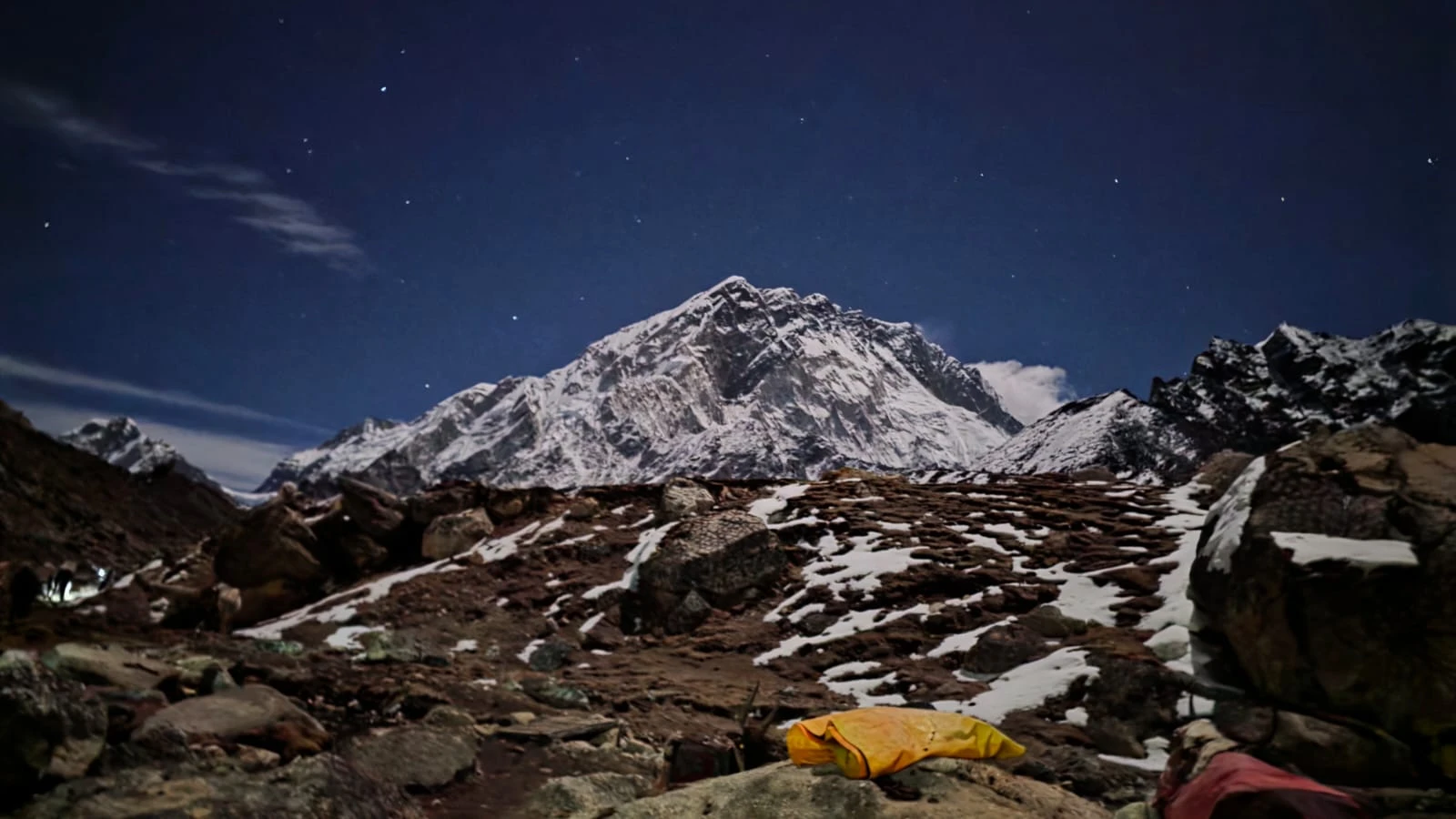
Trekking to Everest Base Camp between June and August shows a different part of the Himalayas. During the monsoon the Everest area becomes a landscape with bright forests, waterfalls that keep running and quiet paths that have much fewer hikers than in the busy times. The calm environment gives a chance to see the real life of Sherpa villages without the usual crowds.
The main problem of trekking in this time is the changing weather. Often it. The sky is full of clouds, which stops the view of the mountains, including the chance to see Mount Everest clearly. Paths can also be wet and slippery so being ready is very important. Water resistant clothes, hiking shoes and good rain gear are strongly advised for a safe and nice trip.
For people who like being alone clean mountain air and a special Himalayan adventure the Everest Base Camp Trek in the monsoon can be very worth it. Watching weather reports being ready to change plans and walking with guides who know the area will help make the trip safer and more fun.
Even though many people don't go trekking in the time the Everest Base Camp Trek in the monsoon has a special and good experience. If you like paths and green mountain views this time has a lot to give.
The monsoon season, from June to August, brings frequent rainfall to the lower Everest region and cloudy skies at higher elevations. While the trek is still possible, weather conditions become less predictable, with occasional flight delays to and from Lukla due to poor visibility. Trails can be muddy, slippery, and more challenging after heavy rain, so extra care is needed while trekking.
Despite the rain, the landscape becomes incredibly lush and green, with blooming wildflowers, flowing waterfalls, and fewer trekkers on the trail. Daytime temperatures at higher elevations, including Everest Base Camp, generally range between 5°C and 15°C, while nights remain chilly, often dropping close to 0°C or below. If you don't mind occasional rain and prefer quieter trails, the monsoon season offers a peaceful and unique Everest trekking experience.
The best seasons for the Everest Base Camp Trek are spring (March to May) and autumn (September to November). During these peak trekking seasons, the trails in the Everest region remain relatively busy as trekkers from around the world choose these months for better weather, clear mountain views, and more stable trail conditions.
However, trekking to Everest Base Camp during the monsoon season (June to August) comes with different challenges, especially regarding trail conditions. Frequent rainfall makes the trekking paths wet, muddy, and slippery. Some sections of the trail, particularly steep uphill and downhill routes, can become more difficult to navigate. Trekkers need to walk carefully and use proper trekking gear to maintain balance and safety.
Another challenge during the monsoon trek is the presence of leeches and insects. A large portion of the Everest Base Camp trail passes through forest areas inside Sagarmatha National Park. During the rainy season, these forests remain damp and covered with lush vegetation, creating a suitable environment for insects and leeches to become more active.
Despite these challenges, proper preparation can help make the monsoon trek more comfortable. Wearing long-sleeved clothing, carrying insect repellent, and regularly checking your clothes and body can help prevent insect-related problems. With careful planning, suitable equipment, and extra caution on wet trails, trekking to Everest Base Camp during the monsoon season can still be a rewarding Himalayan adventure.
To have an Everest Base Camp trek during the monsoon season you need to plan carefully and bring the right equipment. The Everest Base Camp trek is safer and more comfortable when you pack the things.
You will have rain and muddy trails and the weather will change a lot. So it is very important to pack
The Everest Base Camp trek requires some clothing. You need to bring a waterproof jacket, waterproof pants and waterproof boots for the Everest Base Camp trek. These will keep you dry during the Everest Base Camp trek. A small poncho is also an idea for the Everest Base Camp trek. It can help you stay dry when it rains suddenly.
You also need to bring trekking poles for the Everest Base Camp trek. The trails can be very slippery during the monsoon season. Trekking poles will help you balance and reduce the strain on your knees during the Everest Base Camp trek.
Gaiters are also very useful for the Everest Base Camp trek. They keep mud and water out of your boots during the Everest Base Camp trek. This keeps your feet dry and protected during the Everest Base Camp trek.
For the Everest Base Camp trek you should wear clothes that dry quickly. These clothes are better than cotton because they dry faster when they get wet during the Everest Base Camp trek.
You need to keep your things dry during the Everest Base Camp trek. So you should use bags to store your electronics and important papers during the Everest Base Camp trek.
The monsoon season can have a lot of insects during the Everest Base Camp trek. So you need to bring some insect repellent for the Everest Base Camp trek. This will help you avoid insect bites during the Everest Base Camp trek.
If you have the gear and prepare a little the Everest Base Camp trek can be very fun during the monsoon season. The Everest Base Camp trek is more fun when you are ready, for the changing weather. Then you can enjoy the trails and the beautiful scenery of the Everest region during the Everest Base Camp trek.
| Month | Trekking Conditions | Temperature (Approx.) |
| June | Beginning of the monsoon season with increasing rainfall, muddy trails, and cloudy skies. | Day: 10°C to 18°CNight: 0°C to 5°C |
| July | Peak monsoon with heavy rainfall, slippery trails, frequent clouds, and limited mountain views. | Day: 12°C to 18°CNight: 2°C to 7°C |
| August | Continued monsoon with lush green landscapes, occasional clear mornings, and persistent rain. | Day: 12°C to 18°CNight: 2°C to 7°C |
| Pros (Advantages) | Cons (Disadvantages) |
| Less Crowded: Fewer trekkers during the monsoon season mean a more peaceful and quiet trekking experience. | Unpredictable Weather: Rain, clouds, and fog can cause sudden weather changes during the trek. |
| Lower Cost Experience: As it is an off-season, some lodges and trekking services may be available at more affordable prices. | Lukla Flight Delays: Flights between Kathmandu and Lukla are more likely to be delayed or canceled due to poor visibility and bad weather. |
| Lush Green Landscapes: Rain brings fresh greenery, blooming vegetation, and a beautiful natural environment along the trail. | Limited Mountain Views: Clouds and fog may block clear views of Mount Everest and surrounding peaks. |
| Closer Local Experience: With fewer tourists, trekkers can spend more time interacting with the local Sherpa community and experiencing their lifestyle. | Slippery and Muddy Trails: Rain can make trekking paths wet, muddy, and more challenging in some sections. |
| Unique Photography Opportunities: Clouds, mist, and fresh post-rain landscapes create unique and attractive photo opportunities. | Leech Problems: Lower-altitude forest areas may have more leeches during the monsoon season. |
If you are planning the Everest Base Camp Trek during the monsoon season do not worry about Food and Accommodation. Most family-run teahouses along the Everest Base Camp Trail remain welcome trekkers. These teahouses are the source of income for local families so they stay open all year round. They offer hospitality, comfortable places to stay and freshly prepared Food.
One big advantage of trekking during the monsoon is that there are people on the Everest Base Camp Trail. With trekkers it is usually easy to find a room and you rarely need to book in advance. In some places teahouses may even offer room rates or better deals during this quieter time of year.
The Accommodation is simple. It is comfortable. Most teahouses have rooms with two beds and shared bathrooms. In villages like Namche Bazaar, Dingboche and Lobuche some teahouses have private rooms, bathrooms, hot showers, Wi-Fi and places to charge your devices for an extra fee.
The Food on the Everest Base Camp Trail is fresh and filling which is great for days of trekking. Dal Bhat, which is Nepals meal of rice lentil soup, vegetables and curry is very popular because it gives you a lot of energy. Other local favorites are momo, thukpa, chow mein, fried rice, soups and egg dishes. If you prefer Food from countries many teahouses also serve pizza, burgers, pasta, sandwiches, pancakes and French fries.
Since the monsoon season is more humid it is a good idea to choose Food that is cooked fresh and to drink a lot of water during your trek. Overall Food and Accommodation on the Everest Base Camp Trail are reliable during the monsoon so you can have a comfortable and memorable Everest Base Camp trekking experience, with good Food and Accommodation.
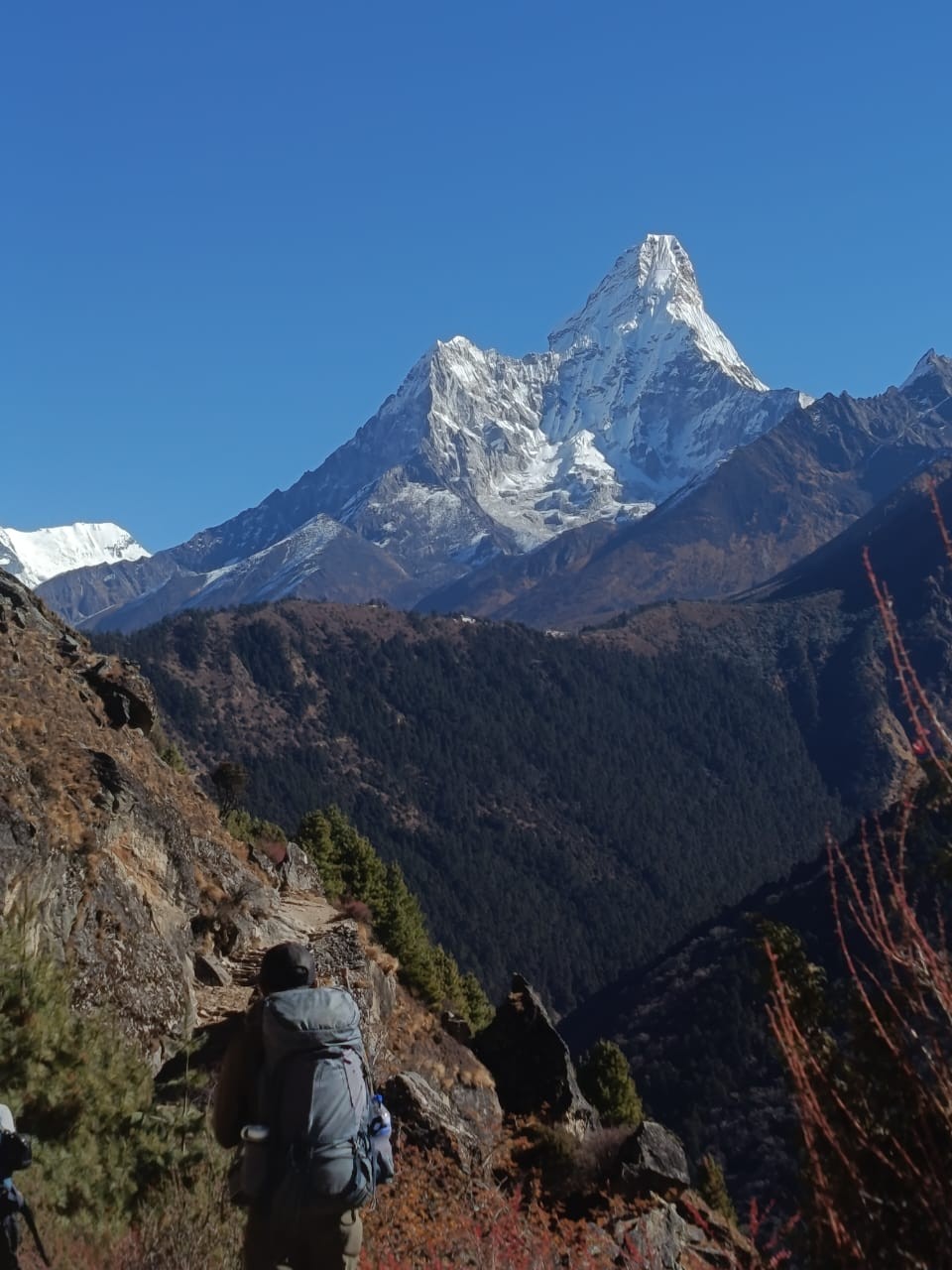
The monsoon season can be a great choice for trekkers looking for peaceful trails, lush landscapes, and a different perspective of the Everest region. For those who are comfortable with occasional rain and want to experience the mountains away from the usual crowds, this season offers a unique adventure. Photographers who enjoy capturing misty mountains, cloudy skies, and dramatic natural landscapes may also find the monsoon especially rewarding.
If you love green hills, blooming wildflowers, fresh mountain air, and a calm atmosphere, the Everest region reveals a completely different side during the monsoon. The lower sections of the trail become especially beautiful, with flowing waterfalls, dense forests, and vibrant vegetation adding more charm to the journey.
Monsoon is also an excellent option for nature lovers, bird watchers, and travelers interested in deeper cultural experiences. Since fewer trekkers visit during this time, villages are quieter, allowing more meaningful interactions with local Sherpa communities and a closer look at their traditional lifestyle.
For trekkers who want to avoid peak-season crowds and enjoy a more peaceful Himalayan journey, the Everest Base Camp Trek during the monsoon can be a surprisingly memorable experience. However, for first-time high-altitude trekkers or those who prioritize clear skies and uninterrupted mountain views, spring or autumn remains a better choice.
While the Everest Base Camp Trek during the monsoon offers trails and beautiful green landscapes it also comes with a few challenges. Understanding these conditions and preparing properly can help you enjoy an more comfortable journey.
One of the challenges of monsoon trekking is the possibility of flight delays between Kathmandu and Lukla. Frequent rain, low clouds and poor visibility can affect mountain flights sometimes causing delays or cancellations.
To avoid stress it is recommended to keep one or two extra contingency days in your itinerary. Having some flexibility allows you to adjust your plans if weather conditions affect your travel schedule.
For trekkers who prefer to avoid flights there are alternative options available. You can start the journey with a drive to places like Salleri or Thamdanda. Then continue trekking toward Lukla before joining the classic Everest Base Camp route.
During the monsoon rainfall can make sections of the trail wet, muddy and slippery. Stone steps, forest paths and rocky areas require attention especially after heavy rain.
Proper equipment can make a difference. Waterproof trekking boots with grip trekking poles and quality rain gear help improve comfort and safety on the trail. Having a guide also helps you maintain a suitable pace and make better decisions when trail conditions change.
One of the differences between monsoon and peak trekking seasons is the weather visibility. Unlike the skies of autumn monsoon days often bring clouds and mist meaning the mountains may not always be visible.
However the rain also has its advantages. It clears dust. Haze from the atmosphere and when the clouds open up the Himalayan views can be incredibly clear and dramatic. Many trekkers consider these brief moments of mountain scenery some of the most unforgettable parts of their Everest Base Camp journey.
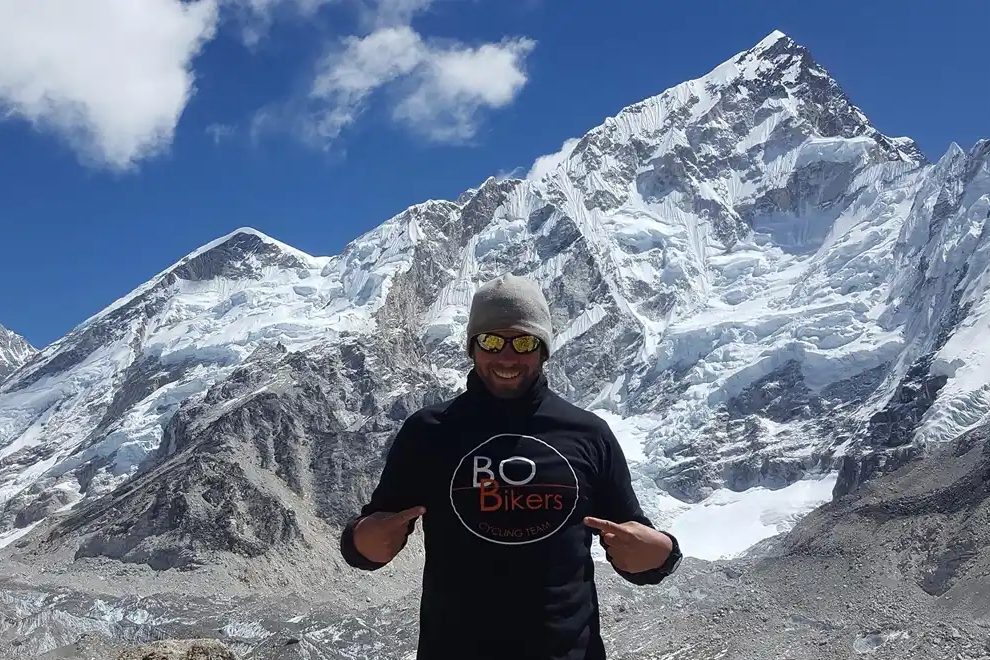
Trekking to Everest Base Camp during the monsoon season may be more challenging than in seasons but it offers a unique experience that many trekkers never get to enjoy. If you prefer trails, lush green landscapes and a different perspective of the Himalayas the rainy season can be a rewarding time to visit.
Course monsoon trekking comes with its own challenges, including slippery trails, flight delays and unpredictable weather. However with planning, reliable trekking gear, an experienced guide and a flexible itinerary these challenges can be managed safely and comfortably.
If your priority is mountain views, stable weather and the best overall trekking conditions spring (March to May) and autumn (September to November) remain the ideal seasons, for the Everest Base Camp Trek. These months offer crystal- skies, comfortable temperatures and breathtaking views of Mount Everest and the surrounding Himalayan peaks.
No matter which season you choose good preparation and a positive attitude will help make your Everest Base Camp Trek a safe, enjoyable and unforgettable Himalayan adventure.
1. Can I trek to Everest Base Camp during monsoon?
Yes EBC Trek is possible from June to August. Trekkers should prepare for rain, cloudy weather and trail challenges.
2. How is the weather during monsoon in the Everest region?
The lower trails receive rainfall while higher areas are colder with cloudy conditions and limited views.
3.Are Lukla flights affected during monsoon?
Yes flights may be. Cancelled due to rain, clouds and poor visibility.
4. What are the main challenges of monsoon trekking?
Muddy trails, paths, flight delays and fewer clear mountain views are common challenges.
5. Is Everest Base Camp Trek in monsoon good for beginners?
Yes with preparation and fitness but spring and autumn are more suitable for first-time trekkers.
6. What should I pack for Everest Base Camp Trek in monsoon?
Carry jackets rain covers, trekking poles, quick-dry clothes and waterproof hiking boots.
7. Are tea houses open during the monsoon season?
Yes most tea houses remain open. Fewer trekkers mean a quieter experience.
8. Can I get views of Mount Everest during monsoon?
Clear views are less frequent due to clouds. Occasional clear mornings can offer beautiful mountain scenery.
9. Are the trails dangerous, during the monsoon?
Trails can become muddy so careful walking and proper gear are important.
10. What are the benefits of trekking Everest Base Camp in monsoon?
Monsoon offers crowds, peaceful trails, lower costs and a more authentic local trekking experience.