The Everest Base Camp is a dream place for people who love adventure and want to see Mount Everest up close. Many people who want to trek to the Everest Base Camp ask if it is safe.
The simple answer is that the Everest Base Camp Trek is safe if you get ready and follow the rules. The path is well known and many people trek on it. There are teahouses, experienced guides and local people to help you on the way.
Trekking at high altitude is hard. The weather can change fast, it can get very cold and the trails are steep. You can get tired and sick from the high altitude. To stay safe you need to get used to the altitude slowly, drink plenty of water, walk at a steady pace and listen to your body.
If you are new to trekking or have done it before it is good to know about the trail. What can go wrong? If you prepare well and trek responsibly you can have a fun trip to the Everest Base Camp and see the beautiful Himalayan mountains, learn about the Sherpa culture and see the amazing Mount Everest.
The Everest Base Camp Trek starts at Lukla, which's around 2,840 meters above sea level. People can start to feel sick from the altitude at around 2,500 meters so it is good to know about the risks before you start.
Altitude sickness can happen to anyone even if they seem fine at first. You might feel okay. Then you can start to feel sick as your body tries to get used to the low oxygen levels at high elevation.
Being in shape helps, but it does not mean you will not get sick from the high altitude. Experienced trekkers can get sick.
It does not matter how old you are, how much you have trekked or how fit you are anyone can get altitude sickness. Sometimes fit people get sick because they try to walk too fast or go too high too quickly.. If you go slow your body has more time to get used to the high altitude.
This does not mean you should not exercise and get ready for the trek. It is good to be prepared, it makes the trek easier. Helps you walk for long days.. When you are, at high altitude it is better to go slow and steady.
Take your time, drink plenty of water, get rest and pay attention to how you feel. Importantly never ignore the signs of altitude sickness or try to keep going when you are feeling unwell. The Everest Base Camp Trek is an adventure and Mount Everest is an amazing sight so take care of yourself and enjoy the trip.
Trekking Boots: Choose a comfortable pair of waterproof boots with good ankle support. Make sure you wear them a few times before the trek so they’re properly broken in and less likely to cause blisters.
Clothing Layers: Mountain weather can change quickly, so layering is the way to go. Pack moisture-wicking base layers, a warm insulating layer, and a waterproof outer jacket to keep you comfortable in rain, wind, or snow.
Backpack: A lightweight, sturdy backpack of around 30–40 liters is ideal for carrying your daily essentials, including water, snacks, extra clothing, and a first-aid kit. Make sure it fits well and feels comfortable when fully packed.
Sleeping Bag: Nights can get very cold at higher elevations, so bring a quality sleeping bag rated to around -10°C (14°F). It will make a big difference when temperatures drop after sunset.
Trekking Poles: Trekking poles provide extra balance on uneven trails and are especially useful on steep climbs and descents. They can also help take some pressure off your knees.
Sunscreen and Lip Balm: The sun can feel much stronger at high altitudes because of increased UV exposure. Apply sunscreen regularly and carry a good lip balm to protect your skin and lips from sunburn and dryness.
The Everest Base Camp Trek is not a walk in the Himalayas but it is also not something that is impossible to do. The hard part is usually not about climbing up rocks or steep sections. Instead the real challenges are the days of walking the high altitude, the thin air, the changing weather and the trail conditions that can be unpredictable.
I still remember when I took a group to Namche Bazaar and one of the trekkers was really surprised by how hard the trail was. She was a marathon runner. Was very fit at home. However as we walked up the parts she had a hard time catching her breath. It was not because she was not fit. The high altitude was the problem. This is one of the things the mountains teach you: no matter how strong or experienced you are, the high altitude can be very humbling.
At the time some people who were just starting out and did not have a lot of physical training did very well on the trek. They listened to their bodies, walked at a pace, took enough rest and did what they needed to do to get used to the high altitude.
On the Everest Base Camp trail you need to be patient more than you need to be strong. You do not have to be an athlete to finish the trek but you do need to be prepared to walk at a steady pace and have the right mindset.
The journey can be hard. With good planning and getting used to the high altitude many people can do it. Respect the mountain, listen to your body and trust yourself. These are some of the important things that can make your Everest Base Camp adventure safe and memorable.
The Everest Base Camp trek is more than a trip to a famous place. It is an amazing adventure through the heart of the Himalayas. The trail goes through different kinds of landscapes from green forests and river valleys to rough rocky mountain terrain.
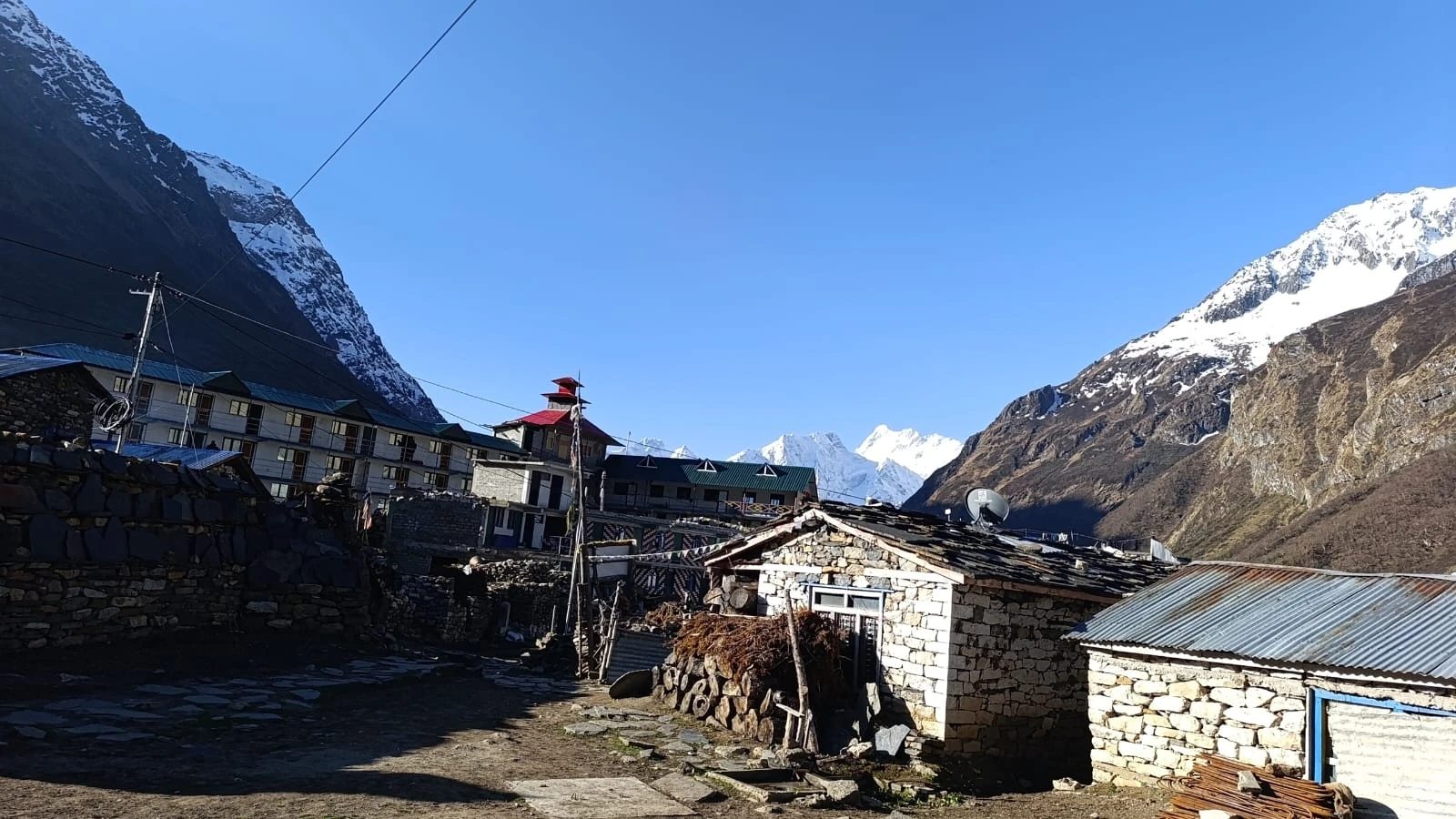
As you walk on the trail you will see Sherpa villages and experience the unique culture and hospitality of the region. Namche Bazaar is a highlight and Tengboche is known for its beautiful monastery and great views of the mountains. As you go higher the air gets thinner. It gets colder especially in the early mornings and nights.
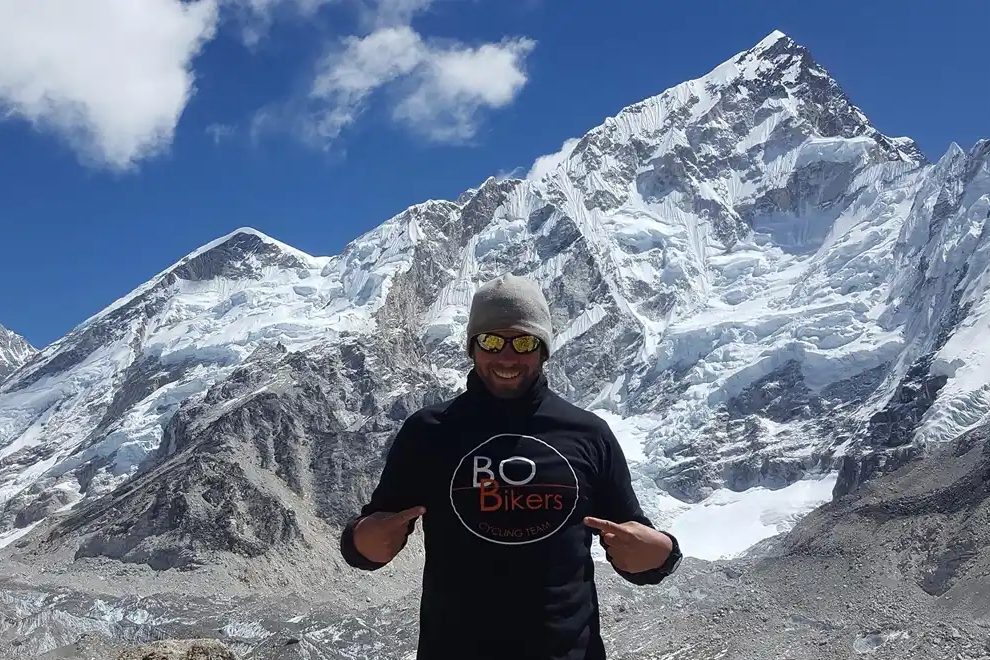
The last part of the trek to Everest Base Camp can be hard on your body because of the altitude and rough terrain.. Getting to Base Camp at 5,364 meters is a great feeling. From, around Base Camp you can see the Himalayan mountains, including Everest, Lhotse, Nuptse and other very high peaks.
Weather is one of the most important factors to consider when asking, “Is the Everest Base Camp Trek safe?” Conditions in the Himalayas can change quickly, bringing cold temperatures, snow, rain, strong winds, and reduced visibility. Choosing the right trekking season and staying prepared for changing conditions can significantly improve safety and comfort.
The best seasons for the Everest Base Camp Trek are spring and autumn. Spring, from March to May, generally brings mild temperatures, clear skies, and excellent mountain views. The trails are usually in good condition, while the valleys come alive with blooming rhododendrons and other flowers. These favorable conditions make spring one of the most popular times to trek to Everest Base Camp.
Autumn, from September to November, is another excellent season for trekking. The weather is generally stable, with clear skies, good visibility, and relatively dry trails. The crisp mountain air provides spectacular views of Everest and the surrounding peaks. Because of the combination of favorable weather and excellent visibility, autumn is often considered one of the safest and most comfortable seasons for the EBC Trek.
Winter, from December to February, brings very cold temperatures and the possibility of snow and icy trails. Higher elevations can become particularly challenging, and the risk of frostbite and cold-related problems increases. Although experienced trekkers can still complete the trek with proper preparation, winter may not be the best choice for beginners.
Summer and monsoon, from June to August, can also present additional challenges. Rain may make lower-elevation trails wet and slippery, while poor visibility can affect mountain views and travel plans. Heavy rainfall can also increase the risk of landslides in some areas. For first-time trekkers, this season is generally less favorable than spring or autumn.
Regardless of the season, trekkers should check the weather forecast regularly and be prepared for sudden changes. Warm layers, waterproof clothing, sun protection, and appropriate footwear are essential. It is also important to remain flexible and change your itinerary when weather conditions become unsafe.
Overall, the Everest Base Camp Trek is generally safe when trekkers choose suitable seasons, prepare properly, and respect changing mountain conditions. Spring and autumn offer the most favorable weather, but good preparation and careful decision-making are important throughout the journey.
The Everest Base Camp trail is generally well-established, with clear paths and regular signs along most sections. However, some parts can be steep, narrow, rocky, or slippery, particularly during rain, snowfall, or icy conditions. The famous suspension bridges over deep valleys are strong and regularly used by trekkers, but they can still feel challenging if you are not comfortable with heights.
Teahouses are the main form of accommodation along the EBC route. They usually provide basic rooms, beds, blankets, meals, and drinking water. Most teahouses are comfortable enough for trekkers, although facilities become more basic as you gain altitude. Modern bathrooms and hot showers may not always be available, especially at higher elevations.
The Everest Base Camp trek is a choice for people who are new to trekking and are in fairly good shape as long as they follow a good plan to get used to the high altitude. You do not need to know how to climb. You should be ready to walk for a long time, deal with high altitude and handle changing weather. If you go with a guide who is licensed they can help you go at a pace and make good decisions on the way.
For a lot of people who're new to trekking the hardest part is not how strong they are but feeling like they need to keep up with the rest of the group or get to Everest Base Camp by a certain time. Getting used to the altitude is something that happens slowly and you cannot rush it. Sometimes it is better to take a day off in Namche Bazaar instead of trying to keep going when you are starting to feel sick, from the high altitude. It is always more important to get to Everest Base Camp feeling good and healthy than to try to get quickly.
| Pros (Advantages) | Cons (Disadvantages/Risks) |
| Proper acclimatization helps your body adjust to high altitude. | High altitude can cause Acute Mountain Sickness (AMS). |
| The standard EBC trek does not require technical climbing skills. | Weather can change suddenly, with snow, strong winds, and low visibility. |
| Experienced guides can monitor your health and trail conditions. | Medical facilities are limited in remote mountain areas. |
| Rest and acclimatization days make the trek safer and more comfortable. | Long walking hours and steep trails can cause fatigue and injuries. |
| Teahouses provide accommodation and basic facilities along the route. | Lukla flights may be delayed or cancelled because of bad weather. |
| Proper preparation and suitable trekking gear improve overall safety. | Severe altitude sickness can become life-threatening if symptoms are ignored. |
| Emergency evacuation may be possible when weather and conditions allow. | Cold temperatures and limited facilities can make emergencies more challenging. |
The Everest Base Camp Trek is safe for people who get ready the way and follow the rules. You have to get used to the altitude slowly and be careful. There are some problems like getting sick from the altitude, bad weather and difficult paths.. If you plan carefully and have guides to help you, these problems are not so bad.
The Everest Base Camp Trek is not about being strong. It is a chance to learn and have fun. If you get ready and are careful you can see the beautiful mountains and learn about the Sherpa people. You can also see some of the mountains in the world.
Just remember to get ready to walk when you feel like it and listen to your body.. Always respect the mountains. If you do these things your trip to the Everest Base Camp will be safe. You will never forget it. The Everest Base Camp Trek is an adventure.
Is the Everest Base Camp Trek safe for first-time trekkers?
Yes. With proper preparation, acclimatization, and a good trekking guide, EBC is suitable for many first-time trekkers.
How can I prevent altitude sickness during the EBC Trek?
Walk slowly, stay hydrated, avoid alcohol, and follow a gradual ascent with proper acclimatization days.
What should I do if I develop symptoms of altitude sickness?
Stop ascending and inform your guide immediately. If symptoms become severe, descending to a lower altitude is the safest option.
How important are acclimatization days?
They are essential. Acclimatization helps your body adjust to the lower oxygen levels and reduces the risk of altitude sickness.
Is it safe to trek to EBC in changing weather?
Mountain weather can change quickly. Check forecasts, follow your guide's advice, and avoid trekking during dangerous weather conditions.
What safety equipment should I carry?
Carry a first-aid kit, headlamp, trekking poles, warm layers, waterproof clothing, water purification tablets, and a charged power bank.
How can I stay safe on suspension bridges?
Cross slowly, follow trail rules, keep your distance from other trekkers, and avoid stopping unnecessarily on the bridge.
Why is drinking enough water important?
Hydration supports your body at high altitude and can help reduce headaches and other symptoms associated with altitude exposure.
Is trekking with a guide safer?
Generally, yes. An experienced guide can monitor your health, help with navigation, respond to emergencies, and make decisions when weather or trail conditions change.
What emergency evacuation options are available?
Helicopter evacuation may be available in serious emergencies, depending on weather, location, and operational conditions. Travel insurance covering high-altitude trekking and evacuation is strongly recommended.