Manaslu Circuit Trek Route, Culture and Geography
29 Sep 2022
Manaslu Circuit Trek Route, Culture, and Geography information will be provided by our company A one Trek. It is a very interesting and wonderful thing around the Manaslu region.

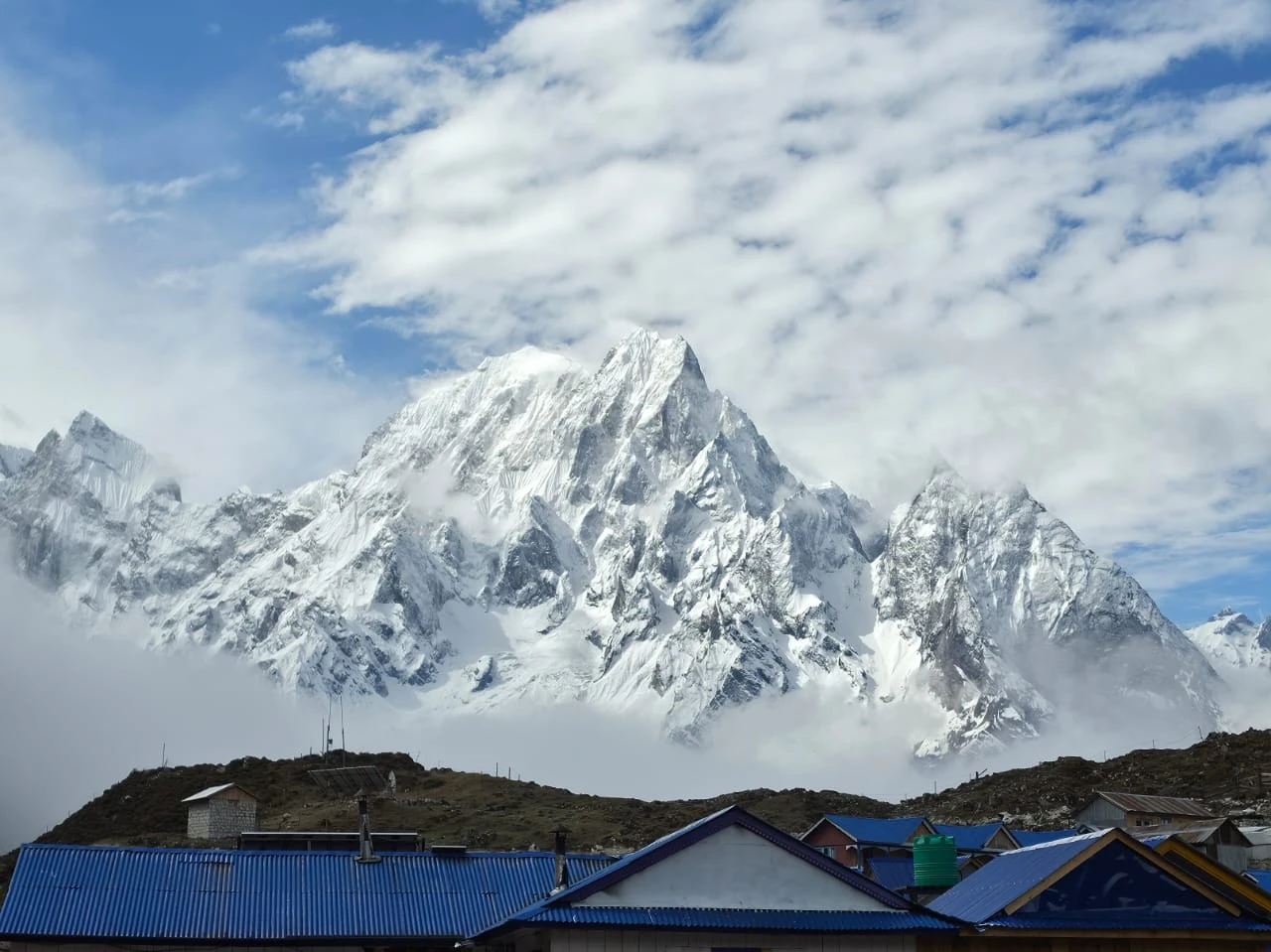
Manaslu Circuit Trek for beginners is one of the most searched topics by travelers planning their first Himalayan adventure—and for good reason. Known for its spectacular mountain scenery, authentic Tibetan-influenced culture, and peaceful trails, the Manaslu Circuit Trek offers an unforgettable experience that's far less crowded than Nepal's more famous trekking routes. But its reputation for high altitude and remote landscapes often leaves first-time trekkers wondering whether it's the right choice.
The good news is that the Manaslu Circuit Trek is absolutely achievable for beginners. While it is more physically demanding than shorter treks like Ghorepani Poon Hill or Langtang Valley, it does not require mountaineering experience or technical climbing skills. Success depends far more on proper preparation, a realistic itinerary, gradual acclimatization, and the support of an experienced licensed guide than on previous trekking experience.
In this complete beginner's guide, you'll learn everything you need to know before booking your trek—from difficulty, fitness requirements, altitude sickness, and Larke Pass to packing lists, accommodation, safety tips, costs, and expert advice from the local team at A1 Trek. By the end of this guide, you'll know whether the Manaslu Circuit Trek is the right adventure for you and how to prepare for a safe and rewarding journey.
Yes. Beginners can successfully complete the Manaslu Circuit Trek with the right preparation, a good level of fitness, proper acclimatization, and the guidance of a licensed trekking guide. Although the trek involves long walking days, high altitude, and crossing Larke Pass (5,106 m / 16,752 ft), it is a non-technical trek that does not require climbing experience or specialized mountaineering skills. Every year, many first-time trekkers from around the world complete the Manaslu Circuit safely by following a well-paced 14–16 day itinerary and respecting the challenges of the Himalayas.
The Manaslu Circuit Trek is widely regarded as one of Nepal's most rewarding trekking adventures, but it is also one of the more demanding. Unlike some popular trekking routes, Manaslu tests your endurance, resilience, and ability to adapt to changing mountain conditions. The challenge isn't about technical climbing or mountaineering skills—it's about spending nearly two weeks walking through remote Himalayan terrain while your body adjusts to high altitude.
The good news? Thousands of trekkers, including first-time Himalayan hikers, successfully complete the Manaslu Circuit every year. Understanding what makes the trek challenging allows you to prepare properly and greatly improves your chances of having a safe and enjoyable journey.
The table below provides a quick overview of the trek's overall difficulty.
| Factor | Difficulty Level | Why It Matters |
|---|---|---|
| Technical Climbing | Easy | No ropes, crampons, or climbing experience required. |
| Physical Endurance | High | Daily hikes of 6–8 hours, with some days lasting up to 10 hours. |
| Altitude | High | The trail reaches 5,106 m (16,752 ft), increasing the risk of altitude sickness. |
| Navigation | Moderate | Remote trails make a licensed guide essential. |
| Weather | Moderate–High | Mountain weather changes rapidly, especially near Larke Pass. |
Let's look at the main challenges in more detail.
1. High Altitude: The Biggest Challenge
For most trekkers, altitude—not the trail itself—is the greatest obstacle on the Manaslu Circuit Trek.
The trek begins at around 700 meters (2,296 feet) in Machha Khola and gradually climbs to the highest point, Larke Pass (5,106 meters / 16,752 feet). At this elevation, the air contains roughly half the available oxygen compared to sea level. As oxygen levels decrease, your body has to work much harder, even during simple activities such as walking uphill or climbing stairs.
Without proper acclimatization, trekkers can develop Acute Mountain Sickness (AMS). Common symptoms include:
Fortunately, the Manaslu Circuit itinerary is designed with gradual elevation gain and acclimatization days to help your body adjust. Walking at a steady pace, staying hydrated, eating well, and listening to your guide significantly reduce the risk of altitude-related illness.
Key takeaway: The challenge comes from reduced oxygen—not steep or dangerous trails.
2. Long Walking Distances
Unlike shorter treks in Nepal, the Manaslu Circuit requires consistent physical effort over many consecutive days.
Most trekking days involve:
Some days are considerably longer. The crossing of Larke Pass often begins before sunrise and can take 8–10 hours, making it the most physically demanding day of the entire journey.
The trails themselves are generally well-established, but they include:
Because your body has limited time to recover between trekking days, endurance becomes more important than speed. Trekking slowly and consistently is far more effective than trying to walk quickly.
3. Remote Villages and Limited Infrastructure
One of Manaslu's greatest attractions is also one of its biggest challenges—its remoteness.
Unlike the Everest or Annapurna regions, the Manaslu Conservation Area remains relatively untouched by mass tourism. Many villages are isolated and connected only by narrow mountain trails.
As you trek deeper into the valley, you'll notice:
If you forget essential gear or medication, replacing it becomes difficult once you're on the trail.
This remoteness also means emergency evacuations can take longer and are heavily dependent on weather conditions. For this reason, comprehensive travel insurance that covers high-altitude helicopter evacuation is strongly recommended.
4. Basic Tea Houses and Limited Facilities
The Manaslu Circuit offers authentic Himalayan hospitality, but you shouldn't expect luxury accommodation.
Most tea houses provide clean and comfortable lodging, yet facilities become increasingly basic as altitude increases.
Typical limitations include:
Food choices also become simpler at higher elevations. Dal Bhat, noodles, fried rice, soups, potatoes, and Tibetan bread are common staples.
While these conditions aren't necessarily difficult, they require a degree of flexibility and realistic expectations—especially for first-time trekkers.
5. Crossing Larke Pass (5,106 m)
The highlight of the trek is also its most demanding section.
Larke Pass, standing at 5,106 meters (16,752 feet), is the highest point on the Manaslu Circuit and represents the culmination of days of steady climbing.
Several factors make this day particularly challenging:
Despite these challenges, the route does not require technical climbing skills. During the main trekking seasons (spring and autumn), the trail is generally safe when crossed with an experienced guide and under suitable weather conditions.
Reaching the prayer flags at the summit of Larke Pass is often described as the most rewarding moment of the entire trek.
6. Unpredictable Mountain Weather
Weather in the Himalayas can change quickly, even during the best trekking seasons.
A bright, sunny morning can turn into cloudy skies, snowfall, or strong winds by the afternoon.
Weather conditions affect:
Temperatures also vary dramatically throughout the trek.
For example:
Dressing in layers and carrying proper cold-weather gear is essential for staying comfortable and safe.
7. Consecutive Trekking Days
Unlike shorter trekking routes where rest days are frequent, the Manaslu Circuit requires sustained effort over nearly two weeks.
Even though each day's distance is manageable, the accumulated fatigue becomes noticeable as the trek progresses.
Your muscles, joints, and energy levels are constantly being tested.
Many trekkers find that:
Mental endurance is just as valuable as physical fitness. Maintaining a positive mindset, walking at your own pace, and focusing on one day at a time are often the keys to successfully completing the trek.
The Challenge Is Real—But So Is the Reward
The Manaslu Circuit Trek is considered moderately difficult to challenging, but it is important to understand why. The difficulty comes from high altitude, long trekking days, remote terrain, and changing mountain conditions—not technical climbing.
With proper physical preparation, a well-paced itinerary, experienced guides, and respect for the mountains, even motivated beginners can complete this incredible journey. The reward is an unforgettable experience through one of Nepal's most pristine Himalayan landscapes, where every challenge is matched by breathtaking scenery, rich Tibetan culture, and a deep sense of achievement.
One of the biggest misconceptions about the Manaslu Circuit Trek is that only experienced trekkers can complete it. In reality, many people who describe themselves as "beginners" successfully finish the trek every year. The key is understanding what "beginner" actually means in a trekking context.
Being a beginner doesn't necessarily mean you're unfit or incapable. It simply means you have limited or no experience trekking over multiple days in the mountains. Your overall fitness, mental resilience, and willingness to prepare are often more important than your previous trekking experience.
Let's look at the different types of beginners and how well they are likely to adapt to the Manaslu Circuit Trek.
1. Someone Who Has Never Trekked Before
If you've never been on a multi-day trek, you're considered a complete beginner. This doesn't mean the Manaslu Circuit is out of reach—it simply means you'll need to prepare more thoroughly.
Your biggest challenges will likely include:
The good news is that many international visitors complete the Manaslu Circuit as their first Himalayan trek. Success depends less on previous trekking experience and more on proper training, following your guide's advice, and allowing enough time for acclimatization.
Verdict: Possible with good preparation.
2. Someone Who Hikes Occasionally
If you regularly go on day hikes, nature walks, or weekend hill climbs, you already have a strong foundation.
You're likely familiar with:
However, the Manaslu Circuit introduces new challenges, including high altitude, colder temperatures, and walking for many consecutive days.
Adding endurance training and carrying a loaded backpack during practice hikes will help bridge the gap between day hiking and Himalayan trekking.
Verdict: Well-suited for the trek with moderate preparation.
3. Someone Who Only Goes to the Gym
Many people assume that lifting weights or spending hours in the gym automatically prepares them for a Himalayan trek. While strength training is beneficial, it doesn't fully replicate the demands of trekking.
The Manaslu Circuit requires:
A person who is very strong in the gym may still struggle after several hours of continuous uphill walking if they haven't trained their endurance.
If your fitness routine mainly involves weightlifting, it's important to add activities such as:
Verdict: Good starting fitness, but endurance training is essential.
4. A Marathon Runner or Endurance Athlete
If you've completed marathons, long-distance cycling events, or endurance races, you already possess one of the most important qualities for the Manaslu Circuit—excellent cardiovascular fitness.
Your strengths include:
However, mountain trekking is still different from road running.
You'll need to adjust to:
Even elite runners can experience altitude sickness because fitness does not provide immunity against reduced oxygen levels.
Verdict: Excellent physical foundation, but altitude remains the biggest challenge.
5. An Experienced Trekker
If you've already completed treks such as Annapurna Base Camp, Langtang Valley, Mardi Himal, or Everest Base Camp, you'll likely find it easier to adapt to the Manaslu Circuit.
Experienced trekkers generally understand:
That said, the Manaslu Circuit is more remote than many popular trekking routes. The longer duration, fewer facilities, and challenging crossing of Larke Pass (5,106 m) make it a step up in difficulty for many hikers.
Previous experience certainly helps, but respecting the altitude and weather remains essential.
Verdict: Well-prepared, provided you maintain good fitness and follow acclimatization guidelines.
Beginner Levels at a Glance
| Type of Trekker | Fitness Level | Preparation Needed | Suitable for Manaslu? |
|---|---|---|---|
| Never trekked before | Varies | High | Yes, with proper preparation and a guided itinerary |
| Occasional hiker | Moderate | Moderate | Yes |
| Gym enthusiast | Good strength | Moderate to High | Yes, after building endurance |
| Marathon runner | Excellent endurance | Low to Moderate | Yes, but altitude awareness is essential |
| Experienced trekker | High | Low | Yes, likely to adapt well |
Experience Matters Less Than Preparation
The most successful trekkers on the Manaslu Circuit are not always the strongest or the most experienced—they are often the ones who prepare well, walk at a steady pace, and respect the mountains.
Whether you're a complete beginner or an experienced hiker, the same principles apply:
At A1 Trek, we've guided trekkers from all backgrounds—from first-time hikers to seasoned adventurers. With expert planning, experienced local guides, and a carefully paced itinerary, even beginners can confidently experience the breathtaking beauty of the Manaslu Circuit Trek.
The short answer is no. You do not need previous trekking experience to complete the Manaslu Circuit Trek. Every year, many travelers visit Nepal for the first time and successfully finish this incredible journey without having completed a multi-day trek before.
However, while previous trekking experience isn't a requirement, it is certainly an advantage. People who have spent time hiking in the mountains often adapt more quickly to long walking days, uneven terrain, and the physical and mental demands of trekking.
Think of it this way: previous experience doesn't determine whether you can complete the Manaslu Circuit—it simply makes the learning curve less steep.
Your success depends far more on your physical fitness, preparation, mindset, and willingness to follow your guide's advice than on the number of treks you've completed.
Hiking Experience: Helpful but Not Essential
If you've regularly gone on day hikes or weekend walks in the hills, you've already developed skills that will benefit you on the Manaslu Circuit.
You'll likely be more comfortable with:
These experiences help reduce fatigue and increase confidence on the trail.
That said, hiking in your local hills is different from trekking in the Himalayas. The biggest difference is altitude. Even experienced hikers can feel the effects of reduced oxygen above 3,500 meters, which is why acclimatization is built into every well-planned Manaslu itinerary.
If you've never hiked before, don't be discouraged. You can build similar endurance by training consistently in the months leading up to your trek.
Camping Experience Isn't Required
Many people assume Himalayan trekking involves camping every night. That may have been true decades ago, but today, the Manaslu Circuit Trek is primarily a tea house trek.
You'll sleep in locally owned mountain lodges that provide:
Because accommodation is provided along the route, you don't need experience with:
This makes the trek much more accessible to beginners.
However, if you have camped before, you'll probably adapt more easily to the simple lifestyle of the mountains, where comfort is limited and flexibility is part of the adventure.
Carrying a Backpack Makes a Difference
One skill that many first-time trekkers underestimate is carrying a backpack for several hours each day.
Even if you hire a porter—which we highly recommend—you'll still carry a small daypack containing essentials such as:
A typical daypack weighs between 5 and 8 kilograms (11–18 pounds).
If you've never walked long distances with a backpack, your shoulders, back, and hips may tire more quickly than expected.
A simple way to prepare is to practice walking with a loaded backpack several weeks before your trip. Start with short walks and gradually increase both the weight and distance. This helps your body adapt while allowing you to fine-tune your backpack fit and packing strategy.
Mountain Exposure Builds Confidence
People who have previously spent time in mountainous environments often feel more comfortable on the trail.
Mountain experience teaches valuable lessons, such as:
More importantly, experienced mountain hikers understand that success isn't about speed—it's about consistency.
If you've never been in the mountains before, don't worry. A licensed guide will help you adjust to the rhythm of Himalayan trekking, explain local conditions, monitor your health, and ensure you're progressing safely each day.
What Matters More Than Experience
While previous trekking experience is useful, it isn't the deciding factor. In our experience at A1 Trek, trekkers who succeed on the Manaslu Circuit usually share these qualities:
Interestingly, experienced hikers sometimes struggle because they try to move too quickly or underestimate the effects of altitude. On the other hand, many first-time trekkers succeed because they are patient, disciplined, and willing to follow expert advice.
Experience Helps—Preparation Makes the Difference
Previous trekking experience is helpful, but it is not a requirement for completing the Manaslu Circuit Trek. Whether you've never hiked before or have explored mountain trails around the world, the principles remain the same: prepare well, respect the altitude, and trek at a sustainable pace.
At A1 Trek, we've guided countless first-time trekkers across the Manaslu Circuit. With experienced local guides, carefully planned acclimatization days, and personalized support throughout the journey, many of our guests discover that their first Himalayan trek becomes one of the most rewarding adventures of their lives.
One of the most common questions we receive at A1 Trek is, "How fit do I need to be for the Manaslu Circuit Trek?"
The answer is simple: you don't need to be an athlete, but you do need a good level of overall fitness.
The Manaslu Circuit Trek is an endurance challenge rather than a strength competition. There are no technical climbs, rock scrambling, or mountaineering skills required. Instead, you'll spend 12–16 days hiking through the Himalayas, often walking 6–8 hours a day while gradually gaining altitude. Your body must be able to handle long days on uneven terrain, recover overnight, and repeat the effort the next morning.
Whether you're a beginner or an experienced hiker, preparing your body before the trek will make the journey safer, more enjoyable, and significantly less exhausting.
Cardiovascular Endurance: Your Most Important Asset
If there's one area to focus on, it's cardio.
Walking at high altitude requires your heart and lungs to work harder because there's less oxygen available. Even a gentle uphill trail can leave you breathless above 4,000 meters if your cardiovascular fitness is poor.
Good cardio fitness helps you:
Excellent cardio exercises include:
Aim for 30–60 minutes of moderate cardio at least 4–5 days each week.
Pro Tip from A1 Trek: Walking uphill with a light backpack is one of the best ways to simulate trekking conditions before arriving in Nepal.
Strength Training: Build a Strong Foundation
While cardio gets most of the attention, muscular strength plays an equally important role.
Strong leg and core muscles help you climb efficiently, protect your joints during long descents, and maintain good posture while carrying a backpack.
Focus on exercises that strengthen your:
Legs
Strong legs reduce fatigue on long climbs.
Recommended exercises:
Core
A strong core improves balance and reduces lower back strain.
Include:
Upper Body
Although you won't be carrying a heavy expedition pack, strong shoulders and back muscles make carrying a daypack much easier.
Useful exercises include:
Train strength 2–3 times per week, focusing on proper form rather than heavy weights.
Balance and Stability: Often Overlooked but Essential
The Manaslu Circuit isn't a smooth walking path. You'll encounter:
Good balance reduces the risk of slips, trips, and ankle injuries.
Simple balance exercises include:
If you plan to use trekking poles, practice with them before your trip. Learning the correct technique at home will make you much more confident on the trail.
Flexibility and Mobility
Flexibility won't make you hike faster, but it will make you move more comfortably.
Tight muscles increase the likelihood of soreness, stiffness, and injury—especially after several consecutive trekking days.
Pay particular attention to:
Incorporate stretching after every workout and consider adding yoga or mobility sessions once or twice a week.
Improved flexibility also helps you maintain better posture while walking with a backpack and reduces muscle tightness after long hiking days.
Recovery Is Part of Training
Many trekkers focus entirely on training and overlook recovery.
Your body doesn't become stronger during workouts—it becomes stronger while recovering from them.
Prioritize:
Overtraining before your trek can lead to fatigue or injury, so gradually increase your training volume rather than trying to do too much too quickly.
Remember, you'll also need to recover overnight during the trek itself. Good nutrition, hydration, and sleep at the tea houses will help your body prepare for the next day's hike.
A 12-Week Fitness Plan Is Ideal
Ideally, begin training 8–12 weeks before your departure.
This gives your body enough time to build endurance gradually without increasing the risk of injury.
If you're already active, six weeks of focused preparation may be sufficient. If you're starting from a sedentary lifestyle, allow at least three months to prepare comfortably.
Recommended Weekly Training Schedule
The following schedule is suitable for most beginners preparing for the Manaslu Circuit Trek.
| Day | Training Focus | Duration |
|---|---|---|
| Monday | Cardio (Brisk walk, jog, cycling, or incline treadmill) | 45–60 minutes |
| Tuesday | Strength training (Legs, core, and upper body) | 45–60 minutes |
| Wednesday | Stair climbing or hill walking with a light backpack | 45–60 minutes |
| Thursday | Active recovery (Yoga, stretching, or an easy walk) | 30–45 minutes |
| Friday | Cardio + Balance exercises | 45–60 minutes |
| Saturday | Long hike with a backpack (Gradually increase distance and elevation) | 3–6 hours |
| Sunday | Complete rest or gentle stretching | Recovery |
As your fitness improves, gradually:
Avoid increasing both distance and intensity at the same time. Small, consistent improvements are far more effective than occasional intense workouts.
Can You Be Too Fit?
Surprisingly, yes.
Very fit runners, cyclists, or gym enthusiasts sometimes push themselves too hard on the trail because they feel physically capable. At high altitude, this can lead to faster exhaustion or increase the risk of altitude sickness.
The mountains reward patience—not speed.
The best trekkers are rarely the fastest. They maintain a steady pace, drink plenty of water, eat regularly, and allow their bodies time to acclimatize.
Fitness Builds Confidence—Preparation Leads to Success
The Manaslu Circuit Trek is demanding, but it's achievable for anyone willing to prepare consistently. You don't need marathon-level fitness or mountaineering experience. What you do need is a combination of cardiovascular endurance, functional strength, balance, flexibility, and adequate recovery.
At A1 Trek, we recommend starting your training at least two to three months before your trip and focusing on gradual progress rather than perfection. Arriving in Nepal with a strong fitness foundation will not only make the trek easier but also allow you to spend less time worrying about fatigue and more time enjoying the breathtaking landscapes, rich Himalayan culture, and unforgettable experience that the Manaslu Circuit has to offer.
Yes—absolutely. Having no previous Himalayan trekking experience does not mean you can't complete the Manaslu Circuit Trek. In fact, every trekking season, many travelers from around the world arrive in Nepal for their very first mountain adventure and successfully reach Larke Pass (5,106 m / 16,752 ft).
At A1 Trek, we've guided first-time trekkers from countries such as the United States, the United Kingdom, Australia, Germany, Canada, Singapore, and many others. While some had hiking experience in their home countries, many had never trekked in the Himalayas—or even above 2,000 meters—before arriving in Nepal.
So, what makes the difference?
It's rarely previous trekking experience.
Instead, successful trekkers usually have three things in common:
These factors have a much greater impact on your success than the number of mountains you've climbed in the past.
Preparation Matters More Than Experience
The Himalayas reward preparation—not bravado.
A person who spends two or three months improving their fitness is often better prepared than someone who has completed several treks but arrives without training.
Before your trip, focus on:
Being physically prepared means you'll enjoy the scenery instead of constantly struggling with fatigue.
Slow and Steady Wins in the Himalayas
One of the biggest surprises for first-time trekkers is how slowly everyone walks.
In everyday life, walking slowly often feels inefficient. In the mountains, it's the smartest strategy.
Experienced guides follow a steady pace that allows your body to:
Trying to "push through" or race ahead rarely leads to success. In fact, many experienced hikers struggle because they move too quickly, while beginners who maintain a comfortable pace often perform surprisingly well.
Remember the saying many Himalayan guides use:
"Walk slowly, breathe deeply, and you'll reach the top."
A Licensed Guide Makes a Huge Difference
Unlike many trekking regions in Nepal, the Manaslu Circuit is a restricted area, meaning you must trek with a licensed guide.
This requirement isn't just about permits—it's also one of the biggest reasons beginners succeed.
An experienced guide will:
For someone with no Himalayan experience, having a knowledgeable guide provides confidence, safety, and peace of mind throughout the journey.
You Don't Need Mountain Experience—You Need the Right Mindset
The Himalayas don't favor the strongest person in the group—they favor the most patient.
Trekkers who stay humble, respect the altitude, listen to their guides, and enjoy the journey one step at a time are often the ones who complete the trek comfortably.
If you're willing to prepare, remain flexible, and trust the process, the Manaslu Circuit Trek can absolutely be your first Himalayan adventure.
Every trek has its challenges, but the Manaslu Circuit Trek demands more than just physical fitness. As a beginner, you'll face new experiences—from trekking at high altitude to living in remote mountain villages with limited comforts.
The encouraging news is that none of these challenges are impossible to overcome. Thousands of first-time trekkers complete the Manaslu Circuit every year because they understand what to expect and prepare accordingly.
Knowing the challenges before you arrive allows you to train smarter, pack better, and approach the trek with confidence rather than uncertainty.
Altitude: The Challenge That Demands Respect
The single biggest challenge on the Manaslu Circuit Trek isn't the steep trails or long distances—it's high altitude.
As you ascend higher into the Himalayas, the amount of oxygen in the air decreases. Although the percentage of oxygen remains the same, the lower air pressure means your body receives less oxygen with every breath. This makes even simple activities like climbing stairs or walking uphill feel significantly more difficult.
The Manaslu Circuit gradually climbs from approximately 700 meters (2,296 feet) to Larke Pass at 5,106 meters (16,752 feet). This rapid change in elevation requires your body to acclimatize properly.
Understanding Acute Mountain Sickness (AMS)
One of the most important things every beginner should learn before the trek is Acute Mountain Sickness (AMS).
AMS is a condition that occurs when your body cannot adapt quickly enough to higher elevations. It can affect anyone—young or old, fit or unfit, beginner or experienced trekker.
Fitness does not protect you from altitude sickness.
Common Symptoms of AMS
Recognizing the early symptoms is essential.
Watch for signs such as:
If these symptoms worsen, they should never be ignored. Early recognition and proper response are the keys to staying safe in the mountains.
How Proper Acclimatization Prevents Problems
The good news is that most cases of altitude sickness can be prevented through proper acclimatization.
A well-designed Manaslu itinerary includes gradual elevation gain and scheduled acclimatization days, allowing your body enough time to adjust.
At A1 Trek, our experienced guides carefully monitor every trekker's condition throughout the journey. We encourage guests to:
Remember, reaching the summit is optional—returning home safely is not.
Long Walking Days: Endurance Is More Important Than Speed
One of the biggest surprises for first-time trekkers is just how much walking the Manaslu Circuit involves.
This isn't a weekend hike. It's a journey that requires consistent physical effort over nearly two weeks.
Most trekking days involve:
Some days are shorter and relatively easy, while others demand far more endurance.
Expect One Very Long Day
The crossing of Larke Pass is usually the longest day of the trek.
Depending on trail conditions and weather, you'll likely spend 8–9 hours on the move.
This day includes:
Although physically demanding, it becomes much more manageable if you've prepared with regular walking and endurance training before arriving in Nepal.
Walking Smart Beats Walking Fast
Many beginners believe they need to walk quickly to keep up with the group.
In reality, experienced Himalayan trekkers do the opposite.
Walking too fast:
Instead, adopt a comfortable rhythm that allows you to hold a conversation while walking.
A slow, steady pace helps conserve energy and allows your body to adapt naturally to the altitude.
Crossing Larke Pass: The Toughest and Most Rewarding Day
At 5,106 meters (16,752 feet), Larke Pass is the highest point of the Manaslu Circuit Trek and the moment many trekkers look forward to the most.
It is also the most physically demanding section of the journey.
Unlike technical mountain climbs, crossing Larke Pass does not require ropes, climbing equipment, or mountaineering experience. However, it does require determination, patience, and respect for the mountain environment.
Why Larke Pass Feels Challenging
Several factors come together on summit day:
Most groups leave their tea house between 3:00 and 4:00 AM to reach the pass before stronger afternoon winds and changing weather conditions develop.
Although the early start can feel difficult, watching the sunrise illuminate the snow-covered Himalayan peaks is an unforgettable reward.
The Sense of Achievement
Standing beneath the colorful prayer flags at Larke Pass is a moment many trekkers describe as life-changing.
The physical effort, breathtaking scenery, and overwhelming sense of accomplishment make this one of Nepal's most memorable trekking experiences.
Remote Environment: Life Far from Modern Conveniences
One of the reasons trekkers choose the Manaslu Circuit is because it remains one of Nepal's least commercialized trekking regions.
This remoteness creates an authentic Himalayan experience—but it also presents challenges for beginners.
Few ATMs
Once you leave Kathmandu, ATMs are virtually nonexistent along the trekking route.
Bring enough Nepalese Rupees before starting the trek to cover:
Cash is essential throughout the journey.
Limited Internet and Mobile Connectivity
Don't expect reliable internet access.
Some villages offer paid Wi-Fi, but connections are often slow and weather-dependent.
Mobile coverage also becomes increasingly limited as you move deeper into the valley.
Many trekkers actually appreciate this digital break, using the opportunity to disconnect from technology and reconnect with nature.
Basic Tea House Accommodation
Accommodation on the Manaslu Circuit is comfortable but simple.
Expect:
The focus is on warmth, hospitality, and nourishment rather than luxury.
Limited Medical Facilities
Medical services are extremely limited in the upper sections of the trek.
Minor health issues can often be managed by your guide, but serious conditions may require helicopter evacuation, depending on weather conditions.
This is why comprehensive travel insurance covering high-altitude trekking and emergency evacuation is strongly recommended before traveling to Nepal.
Mental Fatigue: The Challenge Many Beginners Don't Expect
Physical preparation is only one part of the journey.
After several consecutive days of trekking, many beginners discover that the biggest challenge isn't their legs—it's their mindset.
Staying Motivated
There will be moments when:
These feelings are completely normal.
The best strategy is to focus on the next village rather than the entire journey. Breaking the trek into smaller daily goals makes the adventure feel much more manageable.
Homesickness and Leaving Your Comfort Zone
For some international visitors, the Manaslu Circuit is their first time traveling in Nepal or spending extended periods away from family.
Simple things like:
can feel overwhelming during the first few days.
Fortunately, these feelings usually fade as trekkers settle into the rhythm of mountain life and build friendships with fellow travelers and local communities.
Weather Delays Test Your Patience
Mountain weather follows its own schedule.
Heavy snowfall, rain, or strong winds can occasionally delay travel plans or require adjustments to the itinerary.
Flexibility is an essential part of trekking in the Himalayas.
Rather than viewing weather delays as setbacks, experienced trekkers see them as another part of the adventure. Sometimes an unexpected extra day in a quiet mountain village becomes one of the most memorable experiences of the entire journey.
Every Challenge Has a Reward
The Manaslu Circuit Trek is designed to push you beyond your comfort zone—but never beyond your potential. High altitude, long walking days, remote villages, and unpredictable mountain conditions all demand preparation and patience. Yet these very challenges are what make the journey so rewarding.
We've seen complete beginners arrive in Nepal feeling nervous and leave with unforgettable memories, lifelong friendships, and the pride of crossing one of the Himalayas' most spectacular mountain passes. With the right preparation, realistic expectations, and the support of experienced local guides, the challenges of the Manaslu Circuit become milestones in an adventure you'll remember for the rest of your life.
You don't need years of trekking experience to complete the Manaslu Circuit Trek—but you do need a structured training plan.
One of the biggest mistakes beginners make is trying to get fit just a few weeks before departure. Unfortunately, fitness doesn't develop overnight. Building the endurance needed to walk 6–8 hours a day at high altitude takes time, consistency, and gradual progression.
The ideal preparation period is 12 weeks (3 months). This gives your body enough time to improve cardiovascular fitness, strengthen key muscle groups, and adapt to carrying a backpack over long distances.
Remember, your goal isn't to become a marathon runner. Your goal is to arrive in Nepal feeling confident, energetic, and ready to enjoy the experience rather than simply endure it.
Below is the same preparation framework our team at A1 Trek recommends to many first-time trekkers.
Month 1: Build Your Fitness Foundation
The first month is about creating healthy habits and preparing your body for more demanding training later. Don't worry about speed or intensity yet—focus on consistency.
Focus Areas
Walking
Start by walking at least 4–5 days each week.
Aim for:
If you currently live a sedentary lifestyle, begin with shorter walks and gradually increase both distance and pace.
Walking consistently strengthens your legs, improves endurance, and prepares your joints for longer hikes.
Cardio Training
Alongside walking, include two or three cardio sessions every week.
Good options include:
Each session should last around 30–45 minutes.
The objective is to improve your heart and lung capacity, making it easier to cope with reduced oxygen levels during the trek.
Core Strength
A strong core improves balance and reduces fatigue while carrying a backpack.
Focus on exercises such as:
Two short core workouts each week are enough during the first month.
Month 1 Goals
By the end of the first month, you should be able to:
Month 2: Build Trekking Endurance
Once you've established a solid fitness base, it's time to make your training more trekking-specific.
This month focuses on increasing endurance and preparing your body for long days in the mountains.
Focus Areas
Long Weekend Hikes
Schedule one long hike every weekend.
Aim for:
These hikes teach your body how to stay active for extended periods and simulate the continuous walking required during the Manaslu Circuit.
Backpack Training
Don't wait until Nepal to discover your backpack is uncomfortable.
Begin hiking with a daypack weighing 5–8 kilograms (11–18 pounds).
Pack it with items such as:
Backpack training helps:
Stair Climbing
One of the best ways to prepare for Himalayan ascents is climbing stairs.
Try:
Start with 20–30 minutes and gradually increase the duration.
This builds leg strength while mimicking the long uphill sections found on the Manaslu Circuit.
Increase Training Intensity Gradually
As your fitness improves:
Avoid increasing both intensity and distance at the same time. Gradual progress reduces the risk of injury.
Month 2 Goals
By the end of Month 2, you should comfortably be able to:
Month 3: Prepare Like You're Already on the Trek
The final month is about turning your fitness into trekking confidence.
Your workouts should now closely resemble the conditions you'll experience in Nepal.
Focus Areas
Practice Hikes
Plan at least one or two full-day hikes.
Ideally:
This is your opportunity to test everything before arriving in Nepal.
Treat these hikes like a rehearsal for the real adventure.
Prioritize Recovery
Many people believe they should train harder as departure approaches.
Actually, the opposite is true.
Continue exercising, but allow your body enough time to recover.
Focus on:
Arriving well-rested is just as important as arriving fit.
Improve Your Nutrition
Good nutrition supports both training and recovery.
Aim to eat:
Avoid experimenting with crash diets or aggressive weight-loss plans before your trek.
Your body needs fuel—not restriction.
Test Every Piece of Gear
Never take brand-new equipment directly to the Himalayas.
Before your departure, use every essential item during your practice hikes.
Test:
This allows you to identify any discomfort, prevent blisters, and replace unsuitable gear before the trek begins.
Month 3 Goals
By the end of your training, you should be able to:
12-Week Training Timeline at a Glance
| Month | Primary Focus | Goal |
|---|---|---|
| Month 1 | Walking, cardio, core strength | Build a solid fitness foundation and establish a routine. |
| Month 2 | Long hikes, backpack training, stair climbing | Develop endurance and prepare for multi-day trekking. |
| Month 3 | Practice hikes, recovery, nutrition, gear testing | Simulate real trekking conditions and fine-tune your preparation. |
Consistency Beats Intensity
Preparing for the Manaslu Circuit Trek isn't about becoming the fittest person in the group—it's about becoming the most consistent.
Training a few times every week for three months will do far more for your trekking experience than trying to squeeze intense workouts into the final few weeks before departure.
At A1 Trek, we've guided many first-time trekkers who followed a simple, structured preparation plan like the one above. They arrived in Nepal confident, completed the Manaslu Circuit safely, and spent their journey admiring snow-capped peaks instead of worrying about fatigue. Start early, train consistently, and you'll give yourself the best possible chance of enjoying one of Nepal's most spectacular trekking adventures.
Having the right gear can make the difference between an enjoyable trekking experience and an uncomfortable one. As a beginner, it's easy to think you need expensive, professional-grade equipment. In reality, you only need reliable, well-fitting gear that keeps you warm, dry, and comfortable.
The Manaslu Circuit Trek takes you from subtropical river valleys to Larke Pass at 5,106 meters (16,752 feet), where temperatures can drop well below freezing. Your clothing and equipment should be suitable for a wide range of weather conditions.
The table below lists the most important items every beginner should consider.
| Gear | Essential? | Why You Need It |
|---|---|---|
| Trekking Boots | Yes | Provides ankle support, grip, and comfort on uneven trails. |
| Down Jacket | Yes | Keeps you warm during cold mornings, evenings, and at high altitude. |
| Trekking Poles | Highly Recommended | Reduces pressure on knees and improves balance on steep terrain. |
| Headlamp | Yes | Essential for early morning starts, especially on Larke Pass day. |
| Water Purification Tablets or Filter | Yes | Ensures access to safe drinking water while reducing plastic waste. |
Let's look at each item in more detail.
Trekking Boots: Your Most Important Investment
If there's one item you shouldn't compromise on, it's your trekking boots.
You'll spend nearly two weeks walking over rocky trails, stone staircases, forest paths, and mountain passes. A comfortable pair of boots reduces fatigue, prevents blisters, and provides the stability needed on uneven terrain.
Look for boots that offer:
Never wear brand-new boots on the trek. Break them in during your training hikes to avoid painful blisters.
Down Jacket: Essential for High Altitude
Although lower sections of the trek can be pleasantly warm, temperatures drop dramatically as you gain elevation.
A quality down jacket is essential for:
Choose a lightweight, packable jacket that's warm enough for sub-zero temperatures without adding unnecessary weight.
Trekking Poles: A Beginner's Best Friend
Many first-time trekkers underestimate the value of trekking poles until they begin descending thousands of stone steps.
Trekking poles help by:
They're especially helpful for beginners who are still adapting to mountain terrain.
Headlamp: Don't Rely on Your Phone
One of the most important days of the trek—crossing Larke Pass—usually begins before sunrise.
A reliable headlamp allows you to:
Carry spare batteries or a rechargeable model with sufficient battery life.
Water Purification: Stay Hydrated Safely
Hydration plays a critical role in preventing fatigue and reducing the risk of altitude sickness.
Rather than buying plastic bottles every day, most trekkers refill their bottles using local water sources and purify the water before drinking.
Popular options include:
This approach is environmentally friendly, cost-effective, and ensures you always have access to safe drinking water.
Should You Buy or Rent Trekking Gear?
If this is your first Himalayan trek, you don't necessarily need to purchase every piece of equipment.
Kathmandu has dozens of trekking shops offering high-quality rental gear at affordable prices.
Items commonly available for rent include:
Renting is often a smart choice if you don't plan to trek regularly after your Manaslu adventure.
However, we strongly recommend bringing or purchasing your own:
These items should fit properly and be familiar before you begin your trek.
At A1 Trek, we're happy to help our guests rent quality equipment in Kathmandu and ensure they have everything needed before heading into the mountains.
Every trekking season, experienced guides notice the same mistakes made by first-time trekkers. Fortunately, almost all of them are preventable.
Learning from these common errors can make your Manaslu Circuit Trek safer, more comfortable, and much more enjoyable.
Ignoring Altitude
Altitude sickness doesn't happen only to inexperienced trekkers—it can affect anyone.
One of the biggest mistakes beginners make is ignoring early symptoms such as headaches, dizziness, or nausea.
Never assume these symptoms will disappear on their own.
Instead:
The mountains will always be there. Your health comes first.
Overpacking
Many beginners pack for every possible situation.
The result?
A heavy backpack that becomes exhausting after several days.
Pack only what you truly need.
Remember:
A lighter backpack means more energy for enjoying the journey.
Walking Too Fast
One of the quickest ways to exhaust yourself is trying to keep up with faster trekkers.
Walking too quickly:
The best Himalayan trekking pace is slow, steady, and consistent.
Poor Hydration
At higher elevations, dehydration occurs more quickly—even if you don't feel thirsty.
Drink regularly throughout the day.
Most trekking guides recommend 3–4 liters of water daily.
Proper hydration helps:
Skipping Meals
Some trekkers lose their appetite as they gain altitude.
Even so, your body needs fuel.
Regular meals provide the energy required for long hiking days and help your body adapt to high altitude.
Try to eat balanced meals, even if you don't feel particularly hungry.
Not Training Before the Trek
Perhaps the biggest mistake is assuming the trek itself will "get you fit."
It won't.
Without preparation, you're more likely to experience:
Training for two or three months beforehand makes an enormous difference.
Buying Cheap Boots
Inexpensive boots often become expensive mistakes.
Poor-quality footwear can lead to:
Investing in quality boots is one of the best decisions you'll make before the trek.
Ignoring Your Guide's Advice
Your guide has likely completed the Manaslu Circuit dozens—if not hundreds—of times.
If they recommend slowing down, drinking more water, or taking an extra rest break, there's usually a good reason.
Trust their experience.
Their goal is to help you complete the trek safely—not quickly.
Sleeping Poorly
Recovery happens while you sleep.
Late nights, excessive alcohol, or poor sleeping habits reduce your energy and make the next day's trek much more difficult.
Aim for:
Traveling Without Proper Insurance
One mistake that can have serious financial consequences is arriving in Nepal without comprehensive travel insurance.
Your policy should include:
Helicopter rescues in remote areas can cost thousands of dollars without insurance.
Absolutely—and for the Manaslu Circuit Trek, it's not just recommended; it's mandatory.
Unlike many other trekking routes in Nepal, the Manaslu Circuit is a restricted trekking area. Under current permit regulations, all foreign trekkers must be accompanied by a licensed Nepalese guide and obtain the required permits through a registered trekking agency.
But even if the regulations didn't require it, hiring a guide would still be one of the smartest decisions a beginner can make.
Expert Navigation
Although the trail is generally well established, landslides, snowfall, and changing trail conditions can occasionally alter the route.
An experienced guide knows:
This allows you to focus on enjoying the trek instead of worrying about navigation.
Permit Management
The Manaslu Circuit requires several permits, including:
Your trekking agency and guide arrange these permits before your trek begins, saving you time and ensuring you comply with Nepal's regulations.
Safety and Health Monitoring
One of the most valuable roles of a guide is monitoring your health throughout the trek.
Experienced guides:
Their experience often prevents small problems from becoming serious emergencies.
Emergency Support
Weather, injuries, or altitude-related illnesses can occasionally disrupt a trek.
If an emergency occurs, your guide can:
Having someone experienced manage these situations is invaluable, particularly in remote mountain environments.
Discover the Local Culture
A guide does far more than lead the way.
They introduce you to the rich culture of the Manaslu region by explaining:
These stories transform the trek from a physical journey into a meaningful cultural experience.
Why A1 Trek Recommends Guided Treks for Beginners
At A1 Trek, we believe a great guide doesn't simply show you the trail—they help you understand the mountains.
Our licensed local guides combine years of trekking experience with extensive knowledge of altitude safety, Himalayan culture, weather patterns, and emergency response. They set a comfortable pace, monitor your wellbeing every day, and ensure you enjoy the journey with confidence.
For beginners, this support often makes the difference between simply completing the Manaslu Circuit and truly experiencing everything this remarkable Himalayan adventure has to offer.
Choosing the right itinerary is one of the most important decisions you'll make before trekking the Manaslu Circuit. While some companies advertise shorter, faster itineraries, these are not suitable for beginners and can significantly increase the risk of altitude sickness.
At A1 Trek, we recommend a 14 to 16-day itinerary for first-time trekkers. This duration provides enough time to acclimatize gradually, enjoy the mountain scenery, and recover between long trekking days without feeling rushed.
Why 14–16 Days Is Ideal
A well-paced itinerary allows your body to adjust naturally as you gain elevation. Instead of climbing too quickly, you'll spend extra time in key villages where acclimatization is most effective.
A beginner-friendly itinerary also offers several advantages:
The journey should be about experiencing the Himalayas—not racing through them.
Why We Don't Recommend Express Itineraries
Some operators advertise 10–12 day Manaslu Circuit treks. While these may appeal to travelers with limited time, they often involve:
Saving two or three days isn't worth compromising your safety or enjoyment.
If this is your first Himalayan trek, choose an itinerary that prioritizes acclimatization over speed. You'll enjoy the experience far more and greatly improve your chances of completing the trek comfortably.
Tip: If your schedule allows, always choose the longer itinerary. The extra days are an investment in your safety and overall experience.
Many beginners imagine camping in freezing temperatures throughout the Manaslu Circuit. Fortunately, that's no longer the case.
Today, the trek follows a network of traditional tea houses, making it much more comfortable and accessible for first-time visitors.
Tea House Accommodation
Tea houses are simple mountain lodges operated by local families.
Most rooms include:
As you gain altitude, accommodation becomes more basic, but the warm hospitality remains the same.
Luxury hotels shouldn't be expected—but neither should camping.
Meals
One of the highlights of trekking in Nepal is the freshly prepared food served at every tea house.
Popular meals include:
Dal Bhat is particularly popular because it provides plenty of energy, and most tea houses offer free refills.
Electricity
Most villages have electricity or solar power.
However:
A power bank is highly recommended.
Wi-Fi and Mobile Network
Internet access is available in some villages but should never be relied upon.
Expect:
Many trekkers appreciate the opportunity to disconnect from technology and fully immerse themselves in the mountain environment.
Hot Showers
Hot showers are available in many tea houses but usually require an additional payment.
As altitude increases:
A few days without daily hot showers is a normal part of the Himalayan trekking experience.
Safety should always be your highest priority on the Manaslu Circuit Trek. Fortunately, most trekking-related problems can be avoided with proper preparation and smart decision-making.
Below are the most important tips every beginner should follow.
Stay Hydrated
Drink at least 3–4 liters of water every day.
Proper hydration:
Discuss Diamox With Your Doctor
Some trekkers take Diamox (Acetazolamide) to help reduce the risk of altitude sickness.
However, Diamox isn't suitable for everyone.
Consult your healthcare provider before your trip and never start medication without medical advice.
Prioritize Rest
Recovery is just as important as walking.
Get plenty of sleep, eat nutritious meals, and avoid pushing yourself unnecessarily.
Respect Mountain Weather
Weather in the Himalayas changes quickly.
Always:
Walk at Your Own Pace
Don't compete with other trekkers.
A slow, steady pace conserves energy and helps your body acclimatize naturally.
Stay Connected With Your Guide
If you feel unwell—even slightly—tell your guide immediately.
Early communication prevents small issues from becoming serious problems.
Never Trek Without Insurance
Purchase travel insurance that includes:
The cost of insurance is insignificant compared to the cost of an emergency evacuation.
Want a complete safety guide? Read our in-depth article "Safety Tips for the Manaslu Circuit Trek: The Complete Expert Guide", where we cover altitude sickness, emergency planning, weather hazards, packing, women's safety, rescue procedures, and over 25 frequently asked questions in detail. This guide complements the beginner advice in this article without repeating the same information.
Packing correctly is one of the easiest ways to improve your trekking experience. The goal isn't to pack more—it's to pack smarter.
Here's a simple checklist to help first-time trekkers prepare.
📄 Documents
👕 Clothing
💊 Medical Kit
🔋 Electronics
🧴 Toiletries
🍫 Snacks
🎒 Miscellaneous
Don't overpack. A lighter backpack makes every step easier, especially on long ascents and descents.
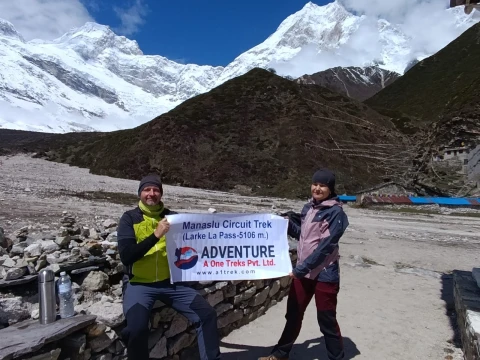
If you're planning your first trekking adventure in Nepal, it's natural to wonder whether the Manaslu Circuit Trek is the right choice. Nepal offers dozens of incredible trekking routes, each with its own level of difficulty, scenery, culture, and infrastructure.
Compared to popular routes like Ghorepani Poon Hill, Annapurna Base Camp (ABC), Everest Base Camp (EBC), and Langtang Valley, the Manaslu Circuit is generally considered more challenging. However, that doesn't mean it's unsuitable for beginners—it simply requires better preparation, more endurance, and a well-paced itinerary.
One of the biggest advantages of the Manaslu Circuit is that it offers a far more remote and authentic Himalayan experience, with fewer crowds and spectacular mountain scenery.
The table below compares Nepal's most popular trekking destinations from a beginner's perspective.
| Trek | Beginner Friendly | Difficulty | Typical Duration | Highest Elevation |
|---|---|---|---|---|
| Ghorepani Poon Hill | ⭐⭐⭐⭐⭐ | Easy | 4–5 Days | 3,210 m |
| Annapurna Base Camp | ⭐⭐⭐⭐☆ | Moderate | 7–12 Days | 4,130 m |
| Everest Base Camp | ⭐⭐⭐⭐☆ | Moderate | 12–14 Days | 5,364 m (Kala Patthar) |
| Langtang Valley | ⭐⭐⭐⭐☆ | Moderate | 7–10 Days | 4,984 m (Tserko Ri) |
| Manaslu Circuit | ⭐⭐⭐☆☆ | Moderately Difficult | 14–16 Days | 5,106 m (Larke Pass) |
At A1 Trek, we've guided many first-time trekkers who chose the Manaslu Circuit over more popular routes—and many describe it as the highlight of their time in Nepal. If you're looking for breathtaking Himalayan scenery, authentic local culture, and a true sense of adventure without the crowds, the Manaslu Circuit is one of the best trekking experiences Nepal has to offer.
1. Is the Manaslu Circuit Trek suitable for beginners?
Yes. Beginners can successfully complete the Manaslu Circuit Trek with proper physical preparation, a well-paced 14–16 day itinerary, and the support of an experienced licensed guide. While the trek is physically demanding due to its length and high altitude, it does not require technical climbing skills. Many first-time trekkers complete the route every year by walking at a steady pace and allowing enough time for acclimatization.
2. Is the Manaslu Circuit Trek harder than Everest Base Camp?
Generally, yes. The Manaslu Circuit is considered slightly more challenging because it is more remote, has fewer facilities, involves longer trekking days, and includes crossing Larke Pass (5,106 m). Everest Base Camp has better infrastructure and more accommodation options, making logistics easier despite its higher elevation.
3. Do beginners get altitude sickness?
Yes, beginners can develop Acute Mountain Sickness (AMS), but so can experienced trekkers. Altitude sickness is caused by rapid ascent rather than lack of experience. Following a gradual itinerary, staying hydrated, and listening to your guide significantly reduce the risk.
4. Can beginners cross Larke Pass?
Absolutely. Larke Pass is physically demanding but not technically difficult. With proper acclimatization, suitable weather, and guidance from an experienced trekking guide, most beginners can safely cross the pass.
5. Can beginners hire a porter?
Yes, and it's highly recommended. A porter carries your main duffel bag, allowing you to trek with only a light daypack. This reduces fatigue and makes the journey much more enjoyable, especially for first-time trekkers.
6. What fitness level is needed?
You should have a moderate to good level of fitness. If you can comfortably walk for 6–8 hours, climb hills or stairs, and exercise consistently before your trip, you'll be well prepared. A 12-week training plan is ideal.
7. Is technical climbing required?
No. The Manaslu Circuit Trek does not involve mountaineering, ropes, ice axes, or rock climbing. It is a trekking route that follows mountain trails and crosses Larke Pass, making it challenging due to altitude and endurance rather than technical difficulty.
8. How many hours do you walk each day?
Most trekking days involve 6–8 hours of walking. On the day you cross Larke Pass, expect 8–9 hours, depending on trail conditions, weather, and your group's pace.
9. Is there Wi-Fi on the Manaslu Circuit?
Some tea houses offer paid Wi-Fi, but connections are generally slow and unreliable. Mobile coverage is also limited in many parts of the trek, so it's best to enjoy the opportunity to disconnect from daily life.
10. Are tea houses comfortable?
Yes. Tea houses provide simple but comfortable accommodation with twin-sharing rooms, freshly prepared meals, and warm dining areas. Facilities become more basic at higher elevations, but they are sufficient for most trekkers.
11. Can beginners trek the Manaslu Circuit alone?
No. Independent trekking is not permitted in the Manaslu region. Nepal's regulations require foreign trekkers to travel with a licensed guide through a registered trekking agency because the region is classified as a restricted area.
12. Is a guide mandatory?
Yes. A licensed Nepalese guide is mandatory for the Manaslu Circuit Trek. Your guide also helps with navigation, permits, altitude monitoring, emergency support, and local cultural insights.
13. What's the best season for beginners?
The best seasons are spring (March to May) and autumn (September to November). During these months, the weather is generally stable, mountain views are clear, and trail conditions are ideal for trekking.
14. How cold does it get?
Temperatures vary depending on altitude and season. Lower villages are relatively mild, while higher elevations can experience temperatures below -10°C (14°F) at night, particularly near Larke Pass.
15. How much does the Manaslu Circuit Trek cost?
The total cost depends on your itinerary, group size, and services included. Most guided treks range between USD 1,200 and USD 2,000, covering permits, guides, accommodation, meals, and transportation. Personal expenses such as snacks, showers, charging, and tips are usually extra.
16. Can beginners rent trekking equipment?
Yes. Kathmandu has many reputable outdoor stores where you can rent quality equipment, including down jackets, sleeping bags, trekking poles, and duffel bags. Many beginners choose to rent specialized gear instead of buying everything.
17. Is travel insurance compulsory?
While not legally mandatory, comprehensive travel insurance is strongly recommended. Your policy should cover high-altitude trekking, emergency helicopter evacuation, medical treatment, and trip interruption.
18. What happens if I cannot continue the trek?
If you're unable to continue because of illness, injury, or altitude sickness, your guide will assess the situation and arrange the safest course of action. This may involve descending to a lower altitude, resting, or organizing a helicopter evacuation if necessary.
19. Can helicopters rescue trekkers on the Manaslu Circuit?
Yes. Helicopter rescues are available in emergency situations, weather permitting. This is another reason why adequate travel insurance with helicopter evacuation coverage is essential before starting the trek.
20. Is the Manaslu Circuit Trek safe for women?
Yes. The Manaslu Circuit is considered a safe destination for women, especially when trekking with a reputable company and licensed guide. Nepal is known for its warm hospitality, and tea house communities along the route are welcoming to international visitors. Many solo female travelers complete the trek each year as part of guided groups or private guided trips.
21. What is the minimum age for the Manaslu Circuit Trek?
There is no official minimum age, but the trek is generally recommended for teenagers and adults who are physically fit. Families with younger children should consult their trekking agency to determine whether the itinerary is suitable.
22. Do I need previous trekking experience?
No. Previous trekking experience is helpful but not essential. Proper fitness, preparation, and a realistic itinerary are far more important than having completed other Himalayan treks.
23. What permits are required for the Manaslu Circuit Trek?
You need three permits:
These permits are arranged through your registered trekking agency before the trek begins.
24. What should I pack as a beginner?
Focus on lightweight, essential gear, including waterproof trekking boots, warm layers, a down jacket, rain gear, trekking poles, a headlamp, reusable water bottles, sunscreen, and personal medications. Avoid overpacking, as carrying unnecessary weight makes the trek more difficult.
25. Is the Manaslu Circuit worth it for first-time trekkers?
Absolutely. If you're looking for a quieter alternative to Everest or Annapurna, the Manaslu Circuit offers spectacular Himalayan scenery, authentic Tibetan-influenced culture, fewer crowds, and an unforgettable sense of adventure. With proper preparation and an experienced guide, it can be one of the most rewarding first treks in Nepal.
If you're still wondering whether the Manaslu Circuit Trek is right for you, remember this: every experienced trekker was once a beginner. With realistic expectations, consistent preparation, and the guidance of A1 Trek's experienced local team, this remarkable journey is well within reach.
Before you book, we also recommend reading our related guides to prepare even more thoroughly:
These resources will help you plan with confidence and ensure you're fully prepared for one of Nepal's most extraordinary trekking experiences.
So, can beginners do the Manaslu Circuit Trek? The answer is yes—provided you prepare properly, choose the right itinerary, and trek with experienced professionals.
The Manaslu Circuit isn't the easiest trek in Nepal, but it isn't reserved for elite hikers either. It doesn't require technical climbing, previous Himalayan experience, or exceptional athletic ability. What it does require is consistent fitness training, a gradual approach to altitude, realistic expectations, and the willingness to take one step at a time.
Every trekking season, first-time hikers from around the world successfully complete the Manaslu Circuit. They arrive with different fitness levels, backgrounds, and experiences, yet they all share one thing in common: they respect the mountains and prepare well.
The Himalayas may seem intimidating at first, but every unforgettable journey begins with a single step. With thoughtful preparation and the right local support, your first Himalayan trek could become one of the greatest adventures of your life.
If you're still unsure whether this trek matches your fitness level, travel dates, budget, or experience, A1 Trek is here to help. Instead of choosing a generic package, you can work with our local trekking experts to create an itinerary that fits your goals, pace, and preferences.
Planning your first Himalayan trek can feel overwhelming. Questions about fitness, permits, packing, altitude, itinerary, and travel logistics are completely normal—especially if you've never trekked in Nepal before.
That's where A1 Trek can help.
As a local Nepal-based trekking company, we've helped trekkers from around the world successfully complete the Manaslu Circuit, including many who had little or no previous Himalayan trekking experience. Our team understands that every traveler is different, which is why we don't believe in a one-size-fits-all approach.
When you plan your trek with A1 Trek, we'll help you:
Whether you're traveling solo, with friends, as a couple, or in a private group, we'll help you build an itinerary that matches your experience, pace, and travel goals.
If you're still deciding whether the Manaslu Circuit is the right trek for you, we'd be happy to guide you through the planning process.
Start planning your personalized Manaslu Circuit Trek
Tell us your preferred travel dates, trekking experience, fitness level, and any special requirements, and our local trekking experts will recommend the best itinerary for your adventure.