Manaslu Circuit Trek Route, Culture and Geography
29 Sep 2022
Manaslu Circuit Trek Route, Culture, and Geography information will be provided by our company A one Trek. It is a very interesting and wonderful thing around the Manaslu region.

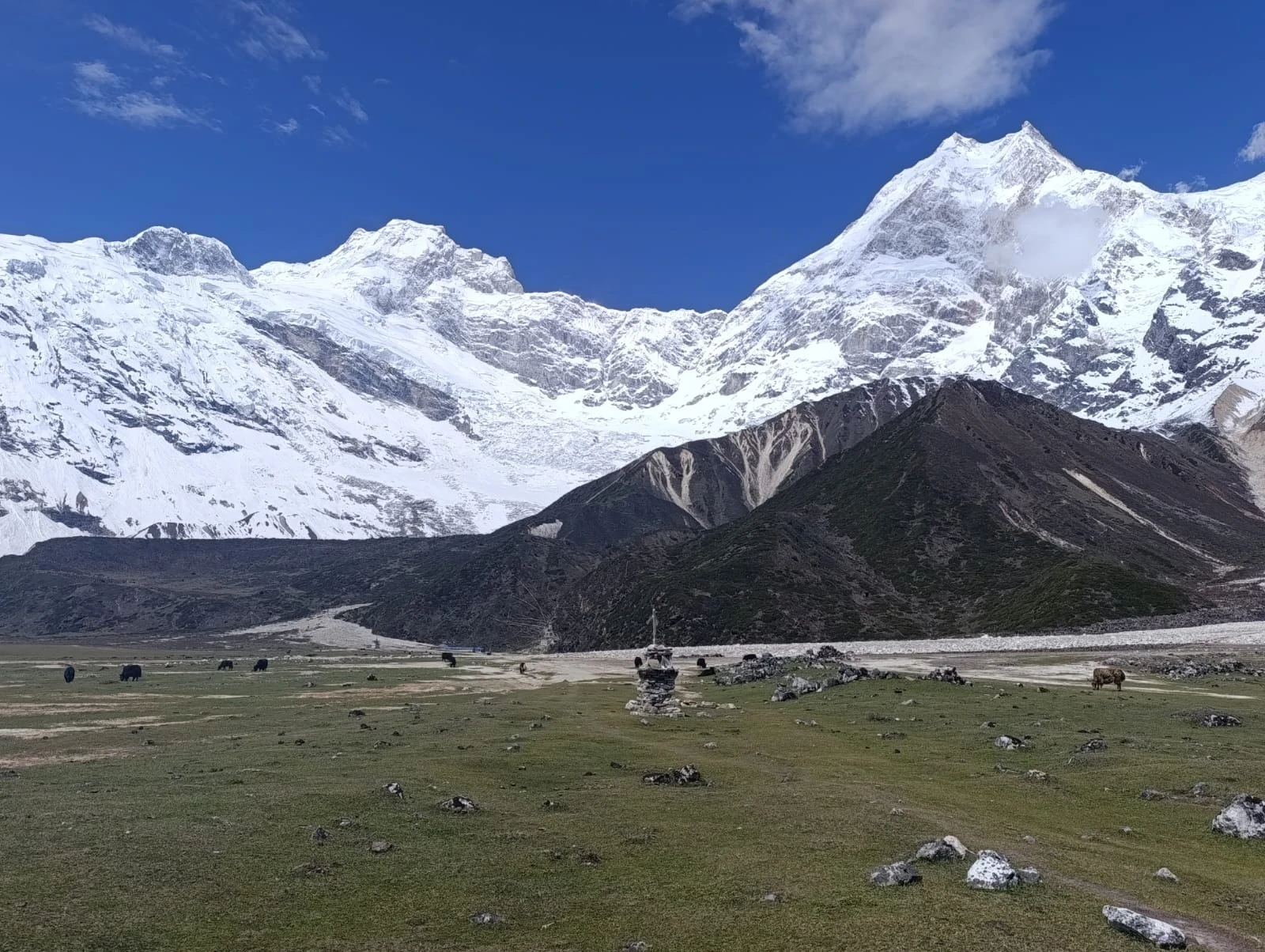
Tucked away in the remote northern Himalayas of Nepal, the Manaslu Conservation Area is one of the country's most pristine and biologically rich protected regions. While Everest and Annapurna often attract the spotlight, Manaslu offers something increasingly rare in modern trekking—a landscape where ancient Tibetan Buddhist culture, untouched alpine wilderness, and dramatic Himalayan scenery still exist in remarkable harmony. Stretching from subtropical river valleys to glaciers beneath the world's eighth-highest mountain, this conservation area is a paradise for trekkers, wildlife enthusiasts, photographers, researchers, and anyone seeking an authentic Himalayan experience.
Covering 1,663 square kilometers, the Manaslu Conservation Area protects a diverse range of ecosystems and supports hundreds of plant and animal species, many of which are rare or endangered. It is also home to centuries-old villages where traditional lifestyles continue much as they have for generations. The region's isolation, combined with strict conservation policies, has helped preserve both its natural environment and its cultural identity.
For most visitors, the conservation area is best known as the setting for the Manaslu Circuit Trek, one of Nepal's finest high-altitude trekking routes. Every step of the trail passes through landscapes protected by the conservation area, making it impossible to separate the trekking experience from the area's conservation efforts. The forests, rivers, mountain passes, monasteries, wildlife, and villages that define the Manaslu Circuit exist today because this protected area has safeguarded them for decades.
Whether you are planning the Manaslu Circuit Trek, researching Nepal's protected areas, or simply curious about one of the Himalayas' hidden treasures, understanding the Manaslu Conservation Area provides valuable insight into why this region is unlike anywhere else in Nepal.
The Manaslu Conservation Area lies in Gorkha District of north-central Nepal, bordering the Tibet Autonomous Region of China. It extends from approximately 600 meters above sea level along the Budhi Gandaki River to over 8,163 meters at the summit of Mount Manaslu, the eighth-highest mountain on Earth.
The conservation area stretches across several ecological zones, creating one of Nepal's greatest altitude gradients within a single protected landscape. Trekkers begin in warm river valleys filled with terraced farmland and subtropical forests before gradually ascending through pine forests, rhododendron woodlands, alpine meadows, glacial moraines, and finally into the rugged high Himalayan environment near Larkya La Pass (5,106 m).
The protected area includes many of the famous villages visited during the Manaslu Circuit Trek, including:
These settlements are inhabited primarily by Gurung and Nubri communities, whose traditions have been strongly influenced by Tibetan Buddhism due to centuries of cross-border cultural exchange.
Unlike more commercial trekking regions, access to Manaslu remains carefully managed through restricted-area permits and conservation regulations. This controlled tourism has helped maintain the area's authentic character while minimizing environmental impacts.
The Manaslu Conservation Area is significant for much more than its spectacular mountain scenery. It represents one of Nepal's most successful examples of balancing nature conservation, sustainable tourism, and cultural preservation.
The huge variation in elevation creates habitats for an extraordinary diversity of wildlife and vegetation. Scientists have recorded:
Among its most famous wildlife residents are the elusive snow leopard, Himalayan musk deer, Himalayan tahr, blue sheep, red panda, Himalayan black bear, and several species of pheasants.
Because human development remains relatively limited, many of these species continue to thrive in habitats that have disappeared elsewhere in the Himalayas.
The conservation area protects not only wildlife but also living Himalayan culture.
Many villages continue to practice traditions that date back hundreds of years, including:
Monasteries such as Ribung Gompa in Lho and Pungyen Gompa near Samagaun remain active centers of spiritual life, preserving religious traditions that are deeply connected to the surrounding landscape.
Tourism provides income for local communities while encouraging long-term conservation.
Permit fees collected from trekkers help fund:
This community-based approach ensures that tourism benefits residents while protecting the natural resources on which future generations depend.
A common misconception is that the Manaslu Conservation Area is a UNESCO World Heritage Site. It is not.
Although the region is internationally recognized for its outstanding natural beauty, exceptional biodiversity, and rich cultural heritage, the Manaslu Conservation Area has not been inscribed on UNESCO's World Heritage List.
Instead, it is a nationally protected conservation area established by the Government of Nepal in 1998 and managed under Nepal's conservation framework with strong community participation. Its protected status helps conserve fragile ecosystems while supporting sustainable livelihoods and responsible tourism.
This distinction is important because travelers often confuse Manaslu with Nepal's UNESCO-listed sites, such as Sagarmatha National Park (home to Mount Everest) and Chitwan National Park, both of which are recognized by UNESCO for their global natural significance.
Even without UNESCO designation, the Manaslu Conservation Area is widely regarded by conservationists, researchers, and experienced trekkers as one of the Himalayas' most valuable protected landscapes. Its relatively low visitor numbers and carefully managed tourism have helped preserve an authentic mountain environment that many believe rivals—or even surpasses—more famous trekking regions in terms of wilderness and cultural integrity.
The Connection Between the Manaslu Conservation Area and the Manaslu Circuit Trek
The Manaslu Circuit Trek and the Manaslu Conservation Area are inseparable. Every official trekking itinerary through the region takes place almost entirely within the boundaries of the conservation area.
From the moment trekkers enter the trail near Jagat, they travel through protected forests, traditional villages, alpine meadows, glacial valleys, and high mountain passes managed under conservation regulations. Entry into the conservation area requires the Manaslu Conservation Area Permit (MCAP), making conservation an integral part of every trekking experience.
The conservation area's management directly enhances the trek by:
As trekkers ascend from the lush Budhi Gandaki Valley to the windswept heights of Larkya La Pass, they experience one of the most dramatic ecological transitions found on any trek in Nepal. Each day reveals new landscapes, climates, vegetation, and cultural influences—all made possible through the protection provided by the Manaslu Conservation Area.
For many travelers, the trek is far more than a mountain adventure. It is an opportunity to witness how conservation, local communities, and sustainable tourism can work together to preserve one of the Himalayas' last great wilderness regions. This unique relationship is precisely what makes the Manaslu Conservation Area not just the backdrop of the Manaslu Circuit Trek, but its very foundation.
The Manaslu Conservation Area (MCA) is one of Nepal's most important protected landscapes, renowned for its spectacular Himalayan scenery, exceptional biodiversity, and rich Tibetan-influenced culture. Established to safeguard both the region's fragile ecosystems and the traditional way of life of its mountain communities, the conservation area has become a model for community-based conservation and sustainable tourism in Nepal.
Unlike national parks that primarily focus on wildlife protection, the Manaslu Conservation Area adopts a balanced approach where nature conservation, local livelihoods, and responsible tourism work together. This allows visitors to experience one of the Himalayas' most authentic trekking destinations while ensuring that its natural and cultural heritage is preserved for future generations.
Established in 1998
The Manaslu Conservation Area was officially established in 1998 by the Government of Nepal under the National Parks and Wildlife Conservation Act. Its creation recognized the ecological importance of the Manaslu region, which contains a remarkable variety of landscapes ranging from subtropical forests to permanent snowfields surrounding Mount Manaslu (8,163 m), the world's eighth-highest mountain.
Before receiving protected status, the region faced increasing pressure from unmanaged tourism, forest resource use, and changing land-use practices. The establishment of the conservation area introduced long-term conservation strategies aimed at protecting wildlife habitats, promoting sustainable development, and involving local communities in natural resource management.
Managed by the National Trust for Nature Conservation (NTNC)
The Manaslu Conservation Area is managed by the National Trust for Nature Conservation (NTNC), one of Nepal's leading non-profit conservation organizations. NTNC works closely with local communities, government agencies, tourism stakeholders, and conservation experts to ensure that both biodiversity and cultural heritage remain protected.
Rather than enforcing conservation through strict restrictions alone, NTNC emphasizes community participation. Local residents play an active role in managing forests, maintaining trekking trails, protecting wildlife, promoting environmental education, and implementing sustainable tourism practices. This collaborative management model has helped maintain the region's ecological health while improving the livelihoods of people living within the conservation area.
Purpose of the Conservation Area
The primary purpose of the Manaslu Conservation Area is to conserve the region's outstanding natural and cultural heritage while supporting sustainable economic opportunities for local communities.
Its key objectives include:
This integrated conservation approach ensures that tourism contributes directly to protecting the landscapes and communities that make the Manaslu region unique.
Area Covered
The Manaslu Conservation Area covers approximately 1,663 square kilometers (642 square miles), making it one of Nepal's largest protected conservation areas. Its vast territory encompasses an extraordinary range of landscapes, including deep river gorges, dense forests, high mountain valleys, alpine grasslands, glaciers, and towering Himalayan peaks.
Because of its large size and relatively low population density, much of the area remains remarkably untouched. Visitors trekking through the region often experience long stretches of pristine wilderness, contributing to the Manaslu Circuit Trek's reputation as one of Nepal's most scenic and least crowded trekking routes.
Districts Within the Conservation Area
The conservation area lies primarily within Gorkha District in Gandaki Province, extending northward to the border with the Tibet Autonomous Region of China.
The protected area encompasses several rural municipalities and traditional mountain settlements, including villages such as Jagat, Deng, Namrung, Lho, Samagaun, Samdo, and Bhimthang. These communities have preserved centuries-old customs, architecture, and religious traditions that remain central to the region's identity.
Although the trekking route eventually descends into Manang District after crossing Larkya La Pass, the official boundary of the Manaslu Conservation Area is concentrated within the northern part of Gorkha District.
Elevation Range
One of the defining characteristics of the Manaslu Conservation Area is its extraordinary elevation range.
The protected area extends from approximately 600 meters above sea level along the Budhi Gandaki River to the summit of Mount Manaslu at 8,163 meters, creating an elevation difference of more than 7,500 meters within a single protected landscape.
This dramatic altitude variation produces significant differences in climate, vegetation, and wildlife over relatively short distances. Trekkers can travel from warm subtropical valleys through temperate forests and alpine meadows to glacial terrain and permanent snowfields in just a matter of days, making the Manaslu Circuit Trek one of Nepal's most diverse trekking experiences.
Diverse Ecosystems
The Manaslu Conservation Area supports an exceptional variety of ecosystems because of its wide altitudinal gradient and diverse climatic conditions.
The region includes:
These interconnected ecosystems provide habitat for an impressive range of wildlife, including the snow leopard, red panda, Himalayan tahr, blue sheep, Himalayan musk deer, and more than 110 bird species. They also protect important watersheds that feed the Budhi Gandaki River and support both local communities and downstream ecosystems.
The combination of diverse habitats, spectacular mountain scenery, and well-preserved cultural landscapes makes the Manaslu Conservation Area one of Nepal's most ecologically significant and rewarding destinations for nature lovers and trekkers alike.
The table below provides a quick overview of the Manaslu Conservation Area, highlighting its key geographical, administrative, and trekking-related features.
| Feature | Details |
|---|---|
| 🗓️ Established | 1998 |
| 📍 Total Area | 1,663 sq km (642 sq mi) |
| 🏛️ Managed By | National Trust for Nature Conservation (NTNC) |
| 🏔️ Highest Point | Mt. Manaslu – 8,163 m (26,781 ft), the world's eighth-highest mountain |
| 🗺️ District | Gorkha District, Gandaki Province, Nepal |
| 🌿 Buffer Zone | Yes – Community-managed buffer areas support conservation and sustainable livelihoods |
| 🌊 Main River | Budhi Gandaki River |
| 🥾 Most Famous Trek | Manaslu Circuit Trek |
| 🎟️ Permit Required | Yes – MCAP, Restricted Area Permit (RAP), and ACAP (for the Annapurna section) |
| 🌄 Elevation Range | Approximately 600 m to 8,163 m |
| 🦊 Notable Wildlife | Snow leopard, red panda, Himalayan tahr, blue sheep, Himalayan musk deer |
| 🏕️ Best Known For | Remote Himalayan wilderness, Tibetan-influenced culture, Larkya La Pass, and fewer crowds than Everest or Annapurna |
Did you know? Although the Manaslu Conservation Area is not a UNESCO World Heritage Site, it is one of Nepal's most ecologically diverse protected landscapes and plays a vital role in conserving Himalayan biodiversity while supporting local mountain communities through sustainable tourism.
The Manaslu Conservation Area is located in north-central Nepal, within Gorkha District of Gandaki Province. Nestled in the heart of the Nepalese Himalayas, the protected area extends from the deep valleys carved by the Budhi Gandaki River to the towering summit of Mount Manaslu (8,163 m). Sharing its northern boundary with the Tibet Autonomous Region of China, the region has long served as a cultural bridge between Nepal and Tibet, a connection still evident in its language, architecture, religion, and way of life.
Its strategic location places it between two of Nepal's most famous trekking regions—the Annapurna Conservation Area to the west and the Langtang National Park to the east. Despite being surrounded by these renowned destinations, Manaslu remains one of Nepal's least crowded and best-preserved Himalayan regions.
Location Within Nepal
The conservation area lies approximately 140 kilometers northwest of Kathmandu in a straight line. However, due to the mountainous terrain, the road journey to the trailhead takes considerably longer.
The protected area occupies the upper watershed of the Budhi Gandaki River, a glacier-fed river originating near the Tibetan border. The Budhi Gandaki Valley forms the backbone of the famous Manaslu Circuit Trek, guiding trekkers through lush forests, dramatic gorges, traditional villages, and alpine landscapes before crossing the spectacular Larkya La Pass (5,106 m).
Border with Tibet
The northern boundary of the Manaslu Conservation Area directly borders the Tibet Autonomous Region of China. This proximity has profoundly influenced the culture of the upper Manaslu region for centuries.
Villages such as Samagaun, Samdo, and Lho exhibit strong Tibetan influences, including:
Historically, mountain passes north of Samdo were important trade routes connecting Nepal with Tibet before modern border regulations came into effect.
Gorkha District
The entire Manaslu Conservation Area is located within the northern part of Gorkha District, the historic birthplace of King Prithvi Narayan Shah, who unified modern Nepal.
While southern Gorkha is known for its hills and historical landmarks, northern Gorkha transforms into a rugged Himalayan landscape featuring:
The district's combination of natural beauty and cultural heritage makes it one of Nepal's most diverse trekking destinations.
The Budhi Gandaki Valley
The Budhi Gandaki Valley is the lifeline of the Manaslu Conservation Area. Almost the entire trekking route follows this powerful Himalayan river as it flows southward from glaciers near Mount Manaslu.
The valley showcases an extraordinary transition in landscapes:
The Budhi Gandaki River also plays a crucial ecological role by supplying fresh water to local communities, sustaining wildlife habitats, and supporting downstream river systems.
Geographic Coordinates
The approximate central coordinates of the Manaslu Conservation Area are:
These coordinates place the conservation area in the central Himalayan range of Nepal, where dramatic elevation changes create exceptional biodiversity and breathtaking mountain scenery.
Accessibility
Although remote, the Manaslu Conservation Area is relatively accessible from Kathmandu.
Most visitors begin their journey with a 7–9-hour drive from Kathmandu to Machha Khola (or nearby villages such as Soti Khola, depending on current road conditions). Improvements to the road network have shortened travel times in recent years, although sections remain rough, particularly during the monsoon season.
Typical access route:
Unlike the Everest region, no domestic flight is required, making the Manaslu Circuit Trek a convenient choice for trekkers seeking a remote Himalayan experience without relying on mountain air travel.
Google Map
You can embed the following Google Map on your website to help visitors locate the Manaslu Conservation Area.
Alternatively, visitors can explore the location directly on Google Maps by searching for "Manaslu Conservation Area, Nepal", which provides an interactive map showing nearby villages, trekking trails, and surrounding Himalayan peaks.
The history of the Manaslu Conservation Area reflects Nepal's commitment to protecting one of the Himalayas' most ecologically and culturally valuable regions. Before it became a protected area, the Manaslu region remained largely isolated from the outside world. Its rugged terrain, limited infrastructure, and remote mountain villages naturally restricted large-scale development and tourism. However, as trekking gradually expanded during the late twentieth century, concerns grew over the long-term conservation of its forests, wildlife, and unique mountain culture.
Recognizing the need to protect these fragile resources while allowing local communities to benefit from sustainable tourism, the Government of Nepal officially established the Manaslu Conservation Area in 1998. Since then, it has become one of Nepal's leading examples of community-based conservation, where environmental protection and local development go hand in hand.
Why Was the Manaslu Conservation Area Created?
The conservation area was created to safeguard one of Nepal's most diverse Himalayan ecosystems while preserving the traditional lifestyles of the people who have lived in these mountains for centuries.
Several factors made protection essential:
Rather than prohibiting human activity, the conservation model focused on balancing environmental protection with the needs of local communities. This approach recognizes that people living in the region are essential partners in conservation rather than obstacles to it.
Addressing Biodiversity Threats
The Manaslu region is one of Nepal's biodiversity hotspots, supporting a remarkable range of ecosystems from subtropical forests to alpine tundra. Before formal conservation efforts, several environmental challenges threatened this ecological richness.
Some of the primary threats included:
Species such as the snow leopard, red panda, Himalayan musk deer, and Himalayan tahr depend on healthy forest and alpine habitats. Conservation initiatives introduced stricter wildlife protection, habitat restoration, environmental education, and improved resource management to reduce these pressures.
Today, the Manaslu Conservation Area remains one of the best-preserved mountain ecosystems in Nepal, largely because conservation measures were implemented before large-scale tourism developed.
A Community-Based Conservation Model
One of the defining features of the Manaslu Conservation Area is its emphasis on community-based conservation.
Unlike traditional protected areas where conservation decisions are made solely by government agencies, Manaslu actively involves local residents in planning and managing natural resources. Communities are encouraged to take ownership of conservation efforts because their livelihoods are closely connected to healthy forests, rivers, grazing lands, and tourism.
Local conservation committees help manage:
This participatory approach has strengthened both environmental protection and local economies. Many households now benefit directly from trekking through tea houses, homestays, guiding services, porter work, agriculture, handicrafts, and small businesses.
The Role of the National Trust for Nature Conservation (NTNC)
Since the conservation area was established, the National Trust for Nature Conservation (NTNC) has played a central role in its management.
NTNC works in partnership with the Government of Nepal and local communities to ensure that conservation goals are achieved while supporting sustainable development. Its responsibilities extend far beyond protecting wildlife.
Key areas of NTNC's work include:
NTNC also collaborates with researchers, conservation organizations, and international partners to improve scientific understanding of the region's ecosystems and to strengthen long-term conservation strategies.
Local Participation: The Foundation of Conservation Success
The success of the Manaslu Conservation Area is largely due to the active participation of local communities.
Residents are directly involved in protecting the landscapes that support their daily lives. Through community organizations and local user groups, they contribute to decision-making, conservation planning, and sustainable tourism management.
Examples of local participation include:
This collaborative approach has created a strong sense of ownership among local people. Rather than viewing conservation as a restriction, many communities recognize it as an opportunity to protect their environment while improving their quality of life.
A Model for Sustainable Himalayan Conservation
More than two decades after its establishment, the Manaslu Conservation Area stands as one of Nepal's most successful examples of sustainable conservation. By combining scientific management, community leadership, responsible tourism, and cultural preservation, the region has maintained much of its original character despite growing international interest.
For trekkers on the Manaslu Circuit Trek, this history is visible throughout the journey—from well-maintained trails and protected forests to thriving mountain villages where traditional lifestyles continue to flourish. Every conservation permit purchased contributes to the ongoing protection of this remarkable Himalayan landscape, ensuring that future generations can experience the same untouched beauty that makes Manaslu one of Nepal's most extraordinary trekking destinations.
The Manaslu Conservation Area is one of the most geographically diverse protected landscapes in Nepal. Spanning an elevation range from approximately 600 meters to 8,163 meters, it encompasses everything from lush subtropical valleys and dense forests to rugged alpine terrain, glaciers, and some of the highest mountains on Earth.
This remarkable variation in altitude creates an ever-changing landscape throughout the Manaslu Circuit Trek, making it one of the most scenic and ecologically diverse trekking routes in the Himalayas. Every few days, trekkers encounter entirely different environments, climates, vegetation, and mountain panoramas, making the journey feel like traveling through several distinct worlds in a single expedition.
Whether you're drawn by towering Himalayan peaks, glacial rivers, remote valleys, or peaceful alpine meadows, the geography of the Manaslu region is one of its greatest attractions.
The Majestic Mountains
The skyline of the Manaslu Conservation Area is dominated by some of Nepal's most spectacular Himalayan peaks. These mountains not only shape the region's geography but also influence its climate, ecosystems, rivers, and local culture.
Mount Manaslu (8,163 m)
At the heart of the conservation area stands Mount Manaslu, the eighth-highest mountain in the world. Rising to 8,163 meters (26,781 feet), this massive Himalayan giant gives the conservation area and the Manaslu Circuit Trek their name.
Known locally as "Kutang", meaning Mountain of the Spirit, Manaslu is revered by local communities and Buddhist pilgrims. Throughout the trek, the mountain reveals different perspectives—from distant snow-covered ridges near Namrung to breathtaking close-up views around Samagaun and Birendra Lake.
Unlike Everest or Annapurna, Mount Manaslu remains relatively less crowded, preserving its sense of wilderness and adventure.
Related reading: Manaslu Circuit Trek Highlights | Mount Manaslu: Nepal's Eighth-Highest Mountain
Himalchuli (7,893 m)
Located south of Mount Manaslu, Himalchuli is Nepal's second-highest mountain outside the 8,000-meter category. Its three prominent summits dominate the western skyline of the conservation area.
Trekkers enjoy spectacular sunrise and sunset views of Himalchuli from villages such as Lho, Shyala, and Samagaun, where the golden light reflects beautifully off its snow-covered slopes.
The mountain also plays a crucial role in feeding glaciers and rivers throughout the region.
Ngadi Chuli (Peak 29) – 7,871 m
Often overshadowed by its famous neighbor, Ngadi Chuli, also known as Peak 29, is one of the most striking mountains in the Manaslu massif.
Its steep ridges, hanging glaciers, and dramatic ice faces create an unforgettable backdrop during the trek. Although rarely climbed due to its technical difficulty, Ngadi Chuli is highly respected among mountaineers.
Its glaciers contribute significantly to the Budhi Gandaki watershed.
Ganesh Himal
To the southeast of the Manaslu region lies the beautiful Ganesh Himal Range, named after the elephant-headed Hindu deity because several of its peaks resemble the shape of Lord Ganesh.
Although outside the main trekking corridor, Ganesh Himal is visible from many lower sections of the Manaslu Trek, especially on clear mornings.
The range forms an important ecological transition between central Nepal's mid-hills and the higher Himalayan landscape.
Shringi Himal
The Shringi Himal range marks the eastern side of the Budhi Gandaki Valley and creates a dramatic contrast with the Manaslu massif on the western horizon.
Less famous than Mount Manaslu, Shringi Himal adds to the spectacular mountain scenery throughout the trek. Its steep forested ridges gradually transform into rocky cliffs, glaciers, and snow-covered summits as elevation increases.
Together, these mountain ranges create the dramatic amphitheater of peaks that makes the Manaslu Conservation Area Trek one of Nepal's most visually rewarding adventures.
Beyond its towering mountains, the Manaslu Conservation Area features an extraordinary variety of landforms that have been shaped over millions of years by glaciers, rivers, tectonic activity, and erosion.
Deep Himalayan Valleys
The Budhi Gandaki Valley forms the main corridor through the conservation area and serves as the route for the Manaslu Circuit Trek.
This spectacular valley features:
As trekkers move north, the valley gradually widens into open alpine basins around Samagaun before narrowing again near Larkya La Pass.
Other smaller valleys branching from the Budhi Gandaki include glacial valleys leading toward Pungyen Glacier, Birendra Lake, and various high-altitude yak pastures.
Glacier-Fed Rivers
Water is one of the defining elements of the Manaslu landscape.
The Budhi Gandaki River, originating from glaciers near Mount Manaslu, flows through nearly the entire conservation area. Along its course, it is joined by numerous mountain streams and glacial rivers, creating dramatic waterfalls and deep canyons.
These rivers provide:
The sound of rushing glacial water accompanies trekkers for much of the journey, becoming one of the defining experiences of the Manaslu Circuit Trek Nepal.
Glaciers
Several large glaciers surround Mount Manaslu and neighboring peaks, continuously shaping the region's landscape.
Among the best-known are:
These glaciers are the source of many rivers flowing through the conservation area and have carved dramatic valleys over thousands of years.
Trekkers visiting Birendra Lake near Samagaun can witness glacial landscapes up close, with floating ice during colder months and stunning reflections of surrounding peaks.
Related reading: Birendra Lake: The Hidden Gem of the Manaslu Region
Alpine Meadows
Above the tree line, dense forests give way to expansive alpine meadows, where colorful wildflowers bloom during spring and summer.
These high-altitude grasslands serve as seasonal grazing grounds for:
The meadows around Samdo, Dharamsala (Larkya Phedi), and the upper Budhi Gandaki Valley are among the most scenic sections of the trek.
They also provide important habitat for wildlife such as Himalayan marmots, snow partridges, and elusive snow leopards.
Dense Forests
The lower and middle elevations of the conservation area are covered by rich Himalayan forests that change dramatically with altitude.
Visitors pass through:
These forests are home to remarkable wildlife, including the red panda, Himalayan black bear, musk deer, and over 110 species of birds, making the region a paradise for wildlife enthusiasts and photographers.
For trekkers, the forest sections offer welcome shade, peaceful walking trails, and an opportunity to experience the incredible biodiversity that makes the Manaslu Conservation Area one of Nepal's most important protected landscapes.
A Landscape That Changes Every Day
One of the defining characteristics of the Manaslu Circuit Trek is the constant transformation of the landscape. From subtropical river valleys and ancient forests to glacial lakes, alpine meadows, and the snow-covered heights of Larkya La Pass, each stage reveals a new side of the Himalayas.
This extraordinary geographical diversity is one of the main reasons why the Manaslu Trek is considered one of Nepal's most rewarding trekking experiences. It offers not only spectacular mountain views but also a rare opportunity to witness the full range of Himalayan ecosystems within a single journey.
The Manaslu Conservation Area experiences a wide range of climatic conditions due to its dramatic elevation, which rises from around 600 meters in the Budhi Gandaki Valley to 8,163 meters at the summit of Mount Manaslu. Within just a few days on the Manaslu Circuit Trek, trekkers pass through warm subtropical forests, cool temperate woodlands, alpine meadows, and snow-covered mountain landscapes.
The climate changes significantly with both altitude and season, influencing trekking conditions, wildlife activity, vegetation, and visibility. Understanding the seasonal weather is essential for choosing the best time for the Manaslu Circuit Trek and preparing for the journey.
Spring (March to May)
Spring is widely regarded as one of the best seasons to visit the Manaslu Conservation Area. As winter snow begins to melt, the forests come alive with blooming rhododendrons, magnolias, and other wildflowers, transforming the lower and middle elevations into vibrant landscapes. Wildlife also becomes more active during this period, making it an excellent season for nature enthusiasts.
Temperatures are generally pleasant, ranging from 10°C to 20°C in the lower valleys during the day, while higher villages such as Samagaun and Samdo experience temperatures between -5°C and 10°C. Nights remain cold, particularly near Larkya La Pass, where temperatures often fall below freezing.
Rainfall is relatively low, with only occasional pre-monsoon showers. Visibility is usually excellent, offering spectacular panoramic views of Mount Manaslu, Himalchuli, Ngadi Chuli, and surrounding Himalayan peaks. Stable weather, comfortable temperatures, and clear mountain scenery make spring ideal for both the Manaslu Circuit Trek and photography.
Summer / Monsoon (June to August)
Summer coincides with Nepal's monsoon season, bringing heavy rainfall to the lower elevations of the conservation area. Moisture-laden clouds from the Bay of Bengal create frequent rain showers, particularly in the Budhi Gandaki Valley, resulting in lush green forests and abundant waterfalls.
Daytime temperatures in the lower regions typically range between 18°C and 28°C, while higher elevations remain much cooler, averaging 5°C to 15°C. Although the upper alpine region receives less rainfall than the foothills, trails can still become muddy, slippery, and vulnerable to landslides.
Cloud cover often reduces mountain visibility, limiting views of the surrounding peaks. Leeches are common in lower forest sections, and swollen rivers may make some crossings more challenging. Consequently, summer is generally considered the least favorable season for the Manaslu Trek, although experienced trekkers seeking solitude and lush scenery may still choose this period with proper preparation.
Autumn (September to November)
Autumn is the most popular trekking season in the Manaslu Conservation Area and is often considered the finest time to complete the Manaslu Circuit Trek. Following the monsoon, the atmosphere becomes remarkably clear, revealing breathtaking views of snow-capped mountains against deep blue skies.
Temperatures remain comfortable, with daytime highs of 12°C to 22°C in lower elevations and -3°C to 12°C in the upper villages. Nights become progressively colder as November approaches, especially around Dharamsala and Larkya La Pass.
Rainfall decreases dramatically after September, leaving trails dry and easier to navigate. Visibility is outstanding throughout the season, making it ideal for mountain photography and panoramic viewpoints. The stable weather, crisp air, colorful autumn forests, and excellent trekking conditions explain why autumn attracts the highest number of visitors to the Manaslu Conservation Area Trek.
Winter (December to February)
Winter transforms the Manaslu region into a serene snow-covered wilderness. The higher elevations receive significant snowfall, while lower valleys remain relatively dry and peaceful. Visitor numbers decrease considerably, offering a more secluded trekking experience.
Daytime temperatures in lower areas usually range from 8°C to 15°C, but higher settlements such as Samagaun and Samdo often remain below freezing throughout the day. Night temperatures frequently drop to -10°C to -20°C near Larkya La Pass, with even colder conditions possible during severe cold spells.
Rainfall is minimal, but snowfall becomes common above approximately 3,000 meters. On clear days, visibility is exceptional, and the snow-covered Himalayan landscape creates some of the most dramatic scenery of the year. However, heavy snowfall may temporarily close Larkya La Pass, making trekking more demanding and sometimes impossible without experienced guides and appropriate winter equipment.
For most trekkers, spring (March to May) and autumn (September to November) provide the best balance of favorable temperatures, stable weather, clear mountain views, and safe trail conditions. These seasons consistently offer the most rewarding experience in the Manaslu Conservation Area, making them the preferred choice for those planning the Manaslu Circuit Trek.
Related guides: Best Time for the Manaslu Circuit Trek, Manaslu Circuit Trek Difficulty, How to Prepare for the Manaslu Circuit Trek, and Manaslu Circuit Trek Packing List.
The Manaslu Conservation Area is one of Nepal's richest biodiversity hotspots, protecting an extraordinary range of habitats within a relatively compact region. Covering 1,663 square kilometers and spanning an elevation from approximately 600 meters to 8,163 meters, the conservation area supports an exceptional variety of ecosystems, plant communities, and wildlife. This remarkable ecological diversity is one of the reasons the Manaslu Circuit Trek is considered among the most rewarding trekking experiences in the Himalayas.
As trekkers journey through the region, they witness dramatic environmental changes within just a few days. The trail begins in warm subtropical forests, climbs through temperate woodlands and alpine grasslands, and eventually reaches glacial landscapes beneath some of the world's highest mountains. Each ecological zone provides habitat for different species, creating a living natural museum that changes with altitude.
The conservation area is home to more than 2,000 species of flowering plants, over 110 bird species, more than 30 mammal species, and countless insects, butterflies, reptiles, amphibians, and medicinal herbs. Rare animals such as the snow leopard, red panda, Himalayan musk deer, blue sheep, and Himalayan tahr continue to thrive because of the region's relatively undisturbed habitats and effective conservation management.
The biodiversity of the Manaslu region is driven by its remarkable range of ecosystems. Differences in altitude, temperature, rainfall, and terrain create distinct ecological zones, each supporting unique plant and animal communities.
From river valleys to glacial peaks, these interconnected ecosystems form the foundation of the Manaslu Conservation Area, making it one of Nepal's most important protected landscapes.
Forests
Forests cover much of the lower and middle elevations of the conservation area and represent its most biologically productive ecosystem. As trekkers follow the Budhi Gandaki Valley during the Manaslu Circuit Trek, the forests change noticeably with increasing altitude.
Lower elevations are dominated by sal, alder, and broadleaf species, while higher elevations feature magnificent stands of oak, maple, pine, fir, spruce, birch, and Nepal's iconic rhododendrons. During spring, rhododendron forests burst into brilliant shades of red, pink, and white, creating one of the most colorful sections of the trek.
These forests provide vital habitat for wildlife, including:
Beyond supporting wildlife, the forests stabilize mountain slopes, regulate water flow, reduce erosion, and supply local communities with sustainable forest resources under carefully managed conservation programs.
Related reading: Best Time for the Manaslu Circuit Trek | Wildlife of the Manaslu Conservation Area
Above approximately 3,500 meters, dense forests gradually give way to the alpine ecosystem, where harsh climatic conditions limit tree growth. This landscape is characterized by alpine meadows, dwarf shrubs, rocky slopes, and windswept mountain pastures.
Although vegetation becomes less dense, biodiversity remains surprisingly rich. During summer, alpine meadows bloom with colorful wildflowers, attracting butterflies, bees, and numerous bird species.
These high-altitude habitats are home to several iconic Himalayan animals, including:
The alpine zone around Samdo, Dharamsala, and Larkya La Pass offers some of the most breathtaking scenery on the Manaslu Trek, where vast grasslands contrast dramatically with towering snow-covered peaks.
The southern section of the Manaslu Conservation Area begins in warm subtropical valleys, where temperatures remain relatively mild throughout much of the year. These lower elevations receive the highest rainfall and support dense vegetation, fertile agricultural land, and rich wildlife habitats.
The subtropical ecosystem includes:
The warm climate also supports numerous butterflies, reptiles, amphibians, and bird species rarely found in higher elevations.
As trekkers begin the Manaslu Circuit Trek from Machha Khola or nearby trailheads, they first experience this lush environment before gradually ascending into cooler mountain ecosystems.
The highest elevations of the conservation area are dominated by glaciers, permanent snowfields, rocky moraines, and exposed Himalayan peaks. Despite the extreme conditions, these glacial ecosystems play a crucial role in maintaining the region's biodiversity and water resources.
Major glaciers surrounding Mount Manaslu, Himalchuli, and Ngadi Chuli feed the Budhi Gandaki River, which supports both wildlife and local communities downstream.
Although vegetation is sparse, these cold environments provide habitat for highly specialized species capable of surviving harsh alpine conditions. Snow leopards occasionally patrol these remote rocky slopes in search of blue sheep and Himalayan tahr, while hardy alpine birds are frequently observed soaring above the glaciers.
The glacial ecosystem also contains spectacular natural attractions such as Birendra Lake, a turquoise glacial lake formed by meltwater from the Manaslu Glacier. It is one of the most popular side trips on the Manaslu Circuit Trek and offers a close-up view of the powerful geological forces that continue to shape the Himalayan landscape.
A Living Ecological Corridor
One of the greatest strengths of the Manaslu Conservation Area is the seamless connection between its ecosystems. Rivers flowing from glaciers nourish alpine meadows, forests regulate water supplies, and healthy habitats allow wildlife to move freely across different elevations. This ecological continuity supports remarkable biodiversity while maintaining the natural balance of the Himalayan environment.
For visitors undertaking the Manaslu Circuit Trek, this means every day presents a new landscape—from dense subtropical forests and rhododendron-covered hillsides to alpine grasslands and glacial valleys beneath Mount Manaslu. Few trekking destinations in Nepal offer such an extraordinary variety of ecosystems within a single journey, making the Manaslu region a paradise for trekkers, photographers, birdwatchers, and nature lovers alike.
The Manaslu Conservation Area is one of Nepal's most important wildlife sanctuaries, protecting a remarkable variety of mammals, birds, reptiles, and amphibians across its diverse ecosystems. From the subtropical forests of the Budhi Gandaki Valley to the alpine grasslands and glacial landscapes beneath Mount Manaslu, the region provides ideal habitats for many rare and endangered Himalayan species.
Its relatively low human population, carefully managed tourism, and community-based conservation have allowed wildlife populations to remain healthier than in many other Himalayan regions. For trekkers on the Manaslu Circuit Trek, wildlife sightings are never guaranteed, but patient observers are often rewarded with glimpses of some of the Himalayas' most iconic animals.
The conservation area supports more than 30 species of mammals, including several that are globally threatened. Their distribution varies greatly with altitude, forest cover, and seasonal migration.
| Species | Typical Habitat | Estimated Population | IUCN Conservation Status |
|---|---|---|---|
| Snow Leopard | Alpine cliffs, rocky slopes, glacial regions above 3,500 m | Very rare; exact local population unknown | Vulnerable |
| Himalayan Tahr | Rocky alpine slopes and mountain grasslands | Stable local populations | Near Threatened |
| Blue Sheep (Bharal) | Alpine meadows and open mountain slopes | Common in higher elevations | Least Concern |
| Himalayan Musk Deer | Dense subalpine forests (2,500–4,000 m) | Scattered populations | Endangered |
| Himalayan Black Bear | Temperate broadleaf and mixed forests | Uncommon | Vulnerable |
| Red Panda | Bamboo-rich temperate forests | Rare and localized | Endangered |
| Himalayan Wolf | High alpine valleys and open plateaus | Extremely rare | Least Concern (globally, though locally uncommon) |
| Himalayan Langur | Lower and mid-elevation forests | Frequently observed | Least Concern |
Snow Leopard
The snow leopard is the most celebrated predator of the Manaslu Conservation Area. Often called the "Ghost of the Mountains," it inhabits remote alpine cliffs and rocky terrain above 3,500 meters, particularly near Larkya La Pass and the upper valleys surrounding Mount Manaslu.
Although sightings are exceptionally rare, camera-trap surveys have confirmed their presence in the region. Snow leopards prey primarily on blue sheep, Himalayan tahr, and smaller mountain mammals. Classified as Vulnerable by the IUCN, they remain one of the conservation area's highest conservation priorities.
Himalayan Tahr
The Himalayan tahr is one of the most frequently observed large mammals during the Manaslu Circuit Trek. These sure-footed wild goats inhabit steep rocky slopes and alpine grasslands, where they graze on grasses and shrubs.
Tahrs are well adapted to rugged mountain terrain and are an important prey species for snow leopards. Their populations remain relatively stable within the protected area thanks to effective habitat conservation.
Blue Sheep (Bharal)
Despite their name, blue sheep are actually mountain ungulates closely related to goats. Their bluish-grey coat provides excellent camouflage against rocky Himalayan slopes.
Blue sheep are commonly found in alpine meadows above 3,500 meters, especially around Samdo, Dharamsala, and the approaches to Larkya La Pass. They are among the most important prey species sustaining the region's snow leopard population.
Himalayan Musk Deer
The shy Himalayan musk deer inhabits dense fir, birch, and rhododendron forests in the subalpine zone. Unlike true deer, males possess elongated canine teeth rather than antlers.
Historically threatened by illegal hunting for musk glands used in perfumes and traditional medicine, the species is now protected within the Manaslu Conservation Area and is classified as Endangered.
Himalayan Black Bear
The Himalayan black bear occupies temperate and mixed forests at lower and middle elevations. It feeds on berries, nuts, insects, roots, and occasionally small mammals.
Although encounters with trekkers are uncommon, the species plays an important ecological role in seed dispersal and maintaining healthy forest ecosystems.
Red Panda
One of Nepal's most charismatic mammals, the red panda survives in isolated bamboo forests between 2,400 and 3,900 meters.
Because of its secretive behavior and limited population, sightings are extremely rare. Habitat conservation and the protection of bamboo forests remain essential for the long-term survival of this Endangered species.
Himalayan Wolf
The elusive Himalayan wolf inhabits remote alpine valleys and high-altitude grasslands. Adapted to harsh mountain environments, it hunts blue sheep, marmots, and other small mammals.
Although globally listed as Least Concern, local populations are sparse, making sightings during the Manaslu Trek exceptionally uncommon.
Himalayan Langur
The Himalayan langur is one of the mammals most frequently encountered along the lower sections of the Manaslu Circuit Trek. These social primates inhabit oak, pine, and mixed forests, feeding primarily on leaves, fruits, flowers, and seeds.
Their playful behavior often delights trekkers as they move through the forest canopy.
The Manaslu Conservation Area is a paradise for birdwatchers. Thanks to its wide range of habitats, the region supports more than 200 bird species, from colorful pheasants inhabiting dense forests to soaring raptors that patrol high Himalayan skies.
Many bird species can be observed throughout the Manaslu Circuit Trek, particularly during spring and autumn when weather conditions are most favorable.
Himalayan Monal
Nepal's national bird, the Himalayan monal, is renowned for the iridescent metallic plumage of the male. It inhabits oak, rhododendron, and conifer forests between 2,400 and 4,500 meters and is often seen foraging on forest floors.
Blood Pheasant
The blood pheasant prefers alpine scrub, rhododendron thickets, and subalpine forests. Its subtle plumage provides excellent camouflage against rocky mountain terrain, making sightings especially rewarding for bird enthusiasts.
Golden Eagle
The golden eagle is one of the region's most impressive birds of prey. Frequently seen soaring above valleys and mountain ridges, it hunts marmots, hares, pheasants, and occasionally young blue sheep.
Himalayan Griffon
The Himalayan griffon is among the world's largest vultures, with a wingspan exceeding three meters. These magnificent scavengers play a vital ecological role by removing animal carcasses and helping maintain ecosystem health.
Snow Pigeon
The snow pigeon inhabits rocky cliffs and high-altitude settlements above the tree line. It is commonly observed around monasteries, mountain villages, and rocky slopes throughout the upper Manaslu Conservation Area.
Lammergeier (Bearded Vulture)
The lammergeier, also known as the bearded vulture, is one of the Himalayas' most iconic birds. Unlike most vultures, it feeds primarily on bones, dropping them from great heights to crack them open and access the nutritious marrow inside.
Watching a lammergeier glide effortlessly above the dramatic valleys of the Manaslu Circuit Trek is an unforgettable experience.
Although the Manaslu Conservation Area is best known for its large mammals and birds, it also supports a modest diversity of reptiles and amphibians, particularly in the warmer lower elevations.
The subtropical forests and river valleys provide suitable habitats for:
As elevation increases, colder temperatures naturally reduce reptile and amphibian diversity. Nevertheless, these lesser-known species play an essential ecological role by controlling insect populations and serving as prey for birds, mammals, and larger reptiles.
The extraordinary diversity of wildlife—from the elusive snow leopard to the colorful Himalayan monal—is one of the defining features of the Manaslu Conservation Area. Combined with spectacular mountain scenery and relatively undisturbed habitats, it makes the Manaslu Circuit Trek not only a world-class trekking adventure but also one of Nepal's finest destinations for wildlife observation and nature photography.
The Manaslu Conservation Area is one of Nepal's richest botanical regions, supporting more than 2,000 species of flowering plants across its diverse ecological zones. As the Manaslu Circuit Trek climbs from the subtropical Budhi Gandaki Valley to the alpine landscapes surrounding Larkya La Pass, trekkers pass through an ever-changing mosaic of forests, shrublands, grasslands, and glacial terrain.
The remarkable variation in altitude—from approximately 600 meters to 8,163 meters at Mount Manaslu—creates ideal conditions for an exceptional diversity of plant life. Each vegetation zone supports unique ecosystems that provide food and shelter for wildlife while sustaining the livelihoods of local communities.
Rhododendron Forests
Rhododendrons are among the most iconic plants found in the Manaslu Conservation Area. During spring (March to May), hillsides and mountain slopes burst into brilliant shades of red, pink, white, and purple, transforming the landscape into one of Nepal's most spectacular natural displays.
These forests are primarily found between 2,000 and 4,000 meters, where they grow alongside oak, maple, and fir trees. Besides their beauty, rhododendron forests provide essential habitat for species such as the red panda, Himalayan monal, and numerous insects and pollinators.
For trekkers visiting during spring, blooming rhododendrons are one of the highlights of the Manaslu Circuit Trek.
Pine Forests
As the trail ascends through the middle elevations, dense pine forests become increasingly common. These evergreen woodlands thrive on well-drained mountain slopes and create peaceful sections of the trekking route with fresh mountain air and pleasant shade.
Pine forests stabilize fragile hillsides, reduce soil erosion, and protect valuable watersheds that feed the Budhi Gandaki River. They also provide habitat for langurs, Himalayan black bears, pheasants, and numerous small mammals.
Oak Forests
Oak forests dominate many temperate zones of the conservation area and are among the most biologically productive ecosystems in the Himalayas.
These broadleaf forests support an extraordinary variety of birds, insects, fungi, mosses, and mammals. Their rich leaf litter helps maintain fertile soils, retain moisture, and regulate mountain water cycles.
Oak forests also provide important food sources for wildlife through acorns, leaves, and the insects they support.
Fir Forests
Higher elevations between 2,800 and 4,000 meters are characterized by majestic Himalayan fir forests. These cool, moist woodlands often mix with spruce, birch, and rhododendron, creating dense mountain forests rich in biodiversity.
Fir forests are particularly important habitats for:
These forests become especially beautiful during winter when snow blankets the branches, creating postcard-worthy Himalayan scenery.
Juniper Shrublands
Near the upper tree line, dense forests gradually give way to hardy juniper shrubs and dwarf vegetation capable of surviving harsh alpine conditions.
Juniper plays an important cultural as well as ecological role. Local communities traditionally burn dried juniper branches as incense during Buddhist ceremonies and religious festivals.
Its extensive root systems also help stabilize fragile mountain soils exposed to strong winds and seasonal snowfall.
Bamboo Forests
Scattered bamboo groves occur within the temperate forests of the lower and middle elevations. Although less extensive than in eastern Nepal, these bamboo stands are ecologically significant because they provide one of the primary food sources for the red panda.
Bamboo also offers shelter for many birds, small mammals, and insects while helping prevent soil erosion along steep mountain slopes.
Alpine Flowers and Meadows
Above the tree line, the landscape opens into expansive alpine meadows filled with seasonal wildflowers. During late spring and summer, these grasslands bloom with colorful alpine species, including primulas, gentians, edelweiss, anemones, and Himalayan blue poppies in suitable habitats.
These meadows provide important grazing grounds for yaks, blue sheep, and Himalayan tahr while supporting pollinators such as bees and butterflies.
Trekkers crossing Larkya La Pass often witness these vibrant alpine landscapes contrasting dramatically with snow-covered peaks and glaciers.
Medicinal Plants
The Manaslu Conservation Area is also renowned for its rich diversity of medicinal and aromatic plants, many of which have been used in traditional Himalayan and Ayurvedic medicine for generations.
Notable medicinal species include:
To prevent overharvesting, the collection and trade of many medicinal plants are regulated through community conservation initiatives and government policies.
The Manaslu Conservation Area protects numerous species that are considered rare, threatened, or endangered at national and international levels. Its diverse habitats and relatively low human disturbance make it one of Nepal's most important refuges for Himalayan biodiversity.
Conservation efforts by the National Trust for Nature Conservation (NTNC), local communities, and government agencies have helped safeguard many of these species while promoting sustainable use of natural resources.
IUCN Conservation Status
The International Union for Conservation of Nature (IUCN) evaluates species worldwide and classifies them according to their risk of extinction.
Within the Manaslu Conservation Area, several notable species fall under threatened categories, including:
| Species | IUCN Status |
|---|---|
| Snow Leopard | Vulnerable |
| Red Panda | Endangered |
| Himalayan Musk Deer | Endangered |
| Himalayan Tahr | Near Threatened |
| Himalayan Black Bear | Vulnerable |
These classifications highlight the global importance of protecting the Manaslu landscape and maintaining healthy mountain ecosystems.
Protected Mammals
Several of the region's mammals receive legal protection under Nepal's wildlife conservation laws.
Key protected species include:
Conservation measures include habitat protection, anti-poaching patrols, wildlife monitoring using camera traps, community awareness programs, and scientific research.
Maintaining continuous forest and alpine habitats is essential for allowing these species to move freely across the landscape and maintain healthy populations.
Threatened Plants
Not only animals but also many plant species face increasing pressure from climate change, habitat degradation, and unsustainable harvesting.
Threatened or sensitive plant groups include:
Community forest user groups play an important role in regulating harvesting, restoring degraded habitats, and promoting sustainable collection practices.
The long-term success of the Manaslu Conservation Area is built on strong conservation programs that integrate biodiversity protection with community development.
Major initiatives include:
These collaborative efforts have helped preserve one of Nepal's most intact mountain landscapes while ensuring that local communities benefit from conservation and responsible tourism.
Today, the Manaslu Conservation Area stands as a leading example of how biodiversity conservation, sustainable trekking, and community participation can work together to protect both nature and culture. For visitors exploring the Manaslu Circuit Trek, every forest, alpine meadow, and mountain trail is a testament to decades of dedicated conservation efforts that continue to safeguard this extraordinary Himalayan wilderness.
One of the greatest treasures of the Manaslu Conservation Area is its people. While the region is celebrated for its dramatic mountains and rich biodiversity, it is equally remarkable for its vibrant cultural heritage. The remote Himalayan villages scattered along the Manaslu Circuit Trek have preserved centuries-old traditions, languages, architecture, and religious practices that continue to thrive despite increasing tourism.
The cultural landscape of Manaslu reflects a fascinating blend of Nepali and Tibetan influences. Communities have adapted to life in one of the world's most challenging environments while maintaining a deep spiritual connection with the mountains, rivers, forests, and monasteries that surround them.
Unlike some of Nepal's more commercial trekking destinations, many villages in the Manaslu region still retain their authentic character, offering trekkers an opportunity to experience genuine Himalayan hospitality and traditional mountain life.
Nubri Community
The Nubri people are among the principal inhabitants of the upper Manaslu region, particularly in villages such as Lho, Samagaun, and Samdo. Their culture has been shaped by centuries of interaction with neighboring Tibet, resulting in strong Tibetan linguistic, religious, and architectural influences.
Most Nubri families practice subsistence farming alongside yak and sheep herding. Potatoes, barley, buckwheat, and seasonal vegetables form the backbone of local agriculture, while yak caravans continue to play an important role in transporting goods across high mountain trails.
Their warm hospitality, colorful festivals, and beautifully preserved monasteries make the Nubri Valley one of the cultural highlights of the Manaslu Circuit Trek.
Tsum Community
To the east of the main trekking route lies the sacred Tsum Valley, home to the indigenous Tsumba people. Although the valley follows a separate trail from the standard Manaslu Circuit Trek, many trekkers combine both routes for a richer cultural experience.
The Tsumba community has preserved ancient Buddhist traditions for centuries due to the valley's geographic isolation. Traditional dress, language, festivals, and religious ceremonies remain an integral part of daily life.
The valley is also known for its historic monasteries, nunneries, meditation caves, and its long-standing commitment to non-violence and environmental harmony.
Gurung Community
The Gurung people primarily inhabit the lower and middle sections of the Manaslu Conservation Area, including villages such as Machha Khola, Jagat, and Deng.
Traditionally engaged in farming, livestock rearing, and military service, Gurung communities are known throughout Nepal for their bravery, hospitality, and rich cultural traditions.
Visitors often notice beautifully terraced fields, stone-built houses, and vibrant local customs that reflect the Gurung way of life. Many tea houses along the Manaslu Trek are operated by Gurung families who warmly welcome trekkers from around the world.
Tibetan-Influenced Communities
Due to the conservation area's proximity to the Tibet Autonomous Region, many upper villages exhibit a strong Tibetan cultural identity.
This influence is reflected in:
The villages of Samagaun and Samdo are among the best places to experience this unique cultural heritage, where everyday life continues much as it has for generations.
Culture in the Manaslu Conservation Area is deeply intertwined with the surrounding Himalayan landscape. Mountains are regarded as sacred, rivers are respected as life-giving forces, and monasteries serve as the spiritual centers of village life.
Visitors trekking through the region frequently encounter:
Respect for nature is embedded within local beliefs, contributing to the long-standing conservation of forests, wildlife, and mountain ecosystems.
Religion
The dominant religion in the upper Manaslu region is Tibetan Buddhism, while Hinduism is more common in the lower valleys.
Buddhist monasteries play an essential role in community life, serving as centers for education, meditation, festivals, and religious ceremonies.
Some of the most significant monasteries include:
Trekkers are encouraged to walk clockwise around chortens and mani walls and to show respect when visiting religious sites.
Festivals
Festivals remain an important part of life in the Manaslu region and provide a fascinating insight into local traditions.
Major celebrations include:
These events strengthen community bonds while preserving centuries-old cultural traditions.
Traditional Lifestyle
Life in the Manaslu Conservation Area remains closely connected to the rhythms of nature.
Most families rely on:
Stone houses with wooden interiors, solar panels, yak caravans, and communal farming continue to characterize daily life throughout much of the region.
Although tourism has introduced new opportunities, many villages have successfully balanced modernization with the preservation of their cultural identity, making the Manaslu Circuit Trek one of Nepal's most authentic cultural journeys.
The villages along the Manaslu Circuit Trek serve as important cultural, logistical, and acclimatization stops. Each settlement offers unique landscapes, traditions, and hospitality while providing accommodation for trekkers.
| Village | Approx. Altitude | Highlights | Accommodation |
|---|---|---|---|
| Machha Khola | 930 m | Gateway to the Manaslu region, riverside setting, suspension bridges | Tea houses, basic lodges, local restaurants |
| Jagat | 1,340 m | Official entry point to the restricted area, stone-paved village, traditional architecture | Comfortable tea houses with private and shared rooms |
| Deng | 1,860 m | Transition from Gurung to Tibetan-influenced culture, beautiful forests | Tea houses with meals and basic facilities |
| Namrung | 2,630 m | First panoramic mountain views, Tibetan culture, monasteries | Well-equipped tea houses with hot meals and Wi-Fi (seasonal) |
| Lho | 3,180 m | Spectacular views of Mount Manaslu, Ribung Gompa, traditional village | Comfortable tea houses with excellent mountain scenery |
| Samagaun | 3,530 m | Largest village in upper Manaslu, acclimatization stop, access to Birendra Lake and Manaslu Base Camp | Wide range of tea houses, bakeries, limited internet and charging facilities |
| Samdo | 3,875 m | Last permanent village before Larkya La Pass, Tibetan heritage, yak pastures, border-trade history | Basic but comfortable tea houses catering to trekkers |
Each of these villages contributes to the unique character of the Manaslu Conservation Area, blending breathtaking Himalayan scenery with living cultural traditions. Together, they create one of Nepal's most immersive trekking experiences, where every overnight stop offers an opportunity to learn about local history, enjoy authentic mountain hospitality, and prepare for the next stage of the Manaslu Circuit Trek.
Water is one of the defining features of the Manaslu Conservation Area. From roaring glacier-fed rivers cutting through deep Himalayan gorges to tranquil turquoise lakes reflecting snow-covered peaks, the region's water systems shape both its landscape and its biodiversity.
These rivers and lakes not only sustain local communities and wildlife but also create some of the most spectacular scenery encountered during the Manaslu Circuit Trek. Originating from glaciers surrounding Mount Manaslu, Himalchuli, and Ngadi Chuli, these freshwater resources are vital to the ecological health of the entire Budhi Gandaki watershed.
Budhi Gandaki River
The Budhi Gandaki River is the lifeline of the Manaslu Conservation Area. Rising from glaciers near Mount Manaslu, it flows south through the heart of the region before eventually joining Nepal's larger river systems.
Nearly every stage of the Manaslu Circuit Trek follows this powerful river, crossing it numerous times via suspension bridges suspended above dramatic gorges. As the river descends from the high Himalayas, it carves steep valleys, nourishes forests, irrigates farmland, and supports villages along its banks.
The Budhi Gandaki also plays an essential ecological role by:
For trekkers, the constant sound of rushing glacial water becomes one of the defining memories of the Manaslu Trek.
Birendra Lake
Located just above Samagaun, Birendra Lake is one of the most beautiful natural attractions within the Manaslu Conservation Area.
Fed directly by meltwater from the Manaslu Glacier, the lake is famous for its striking turquoise color, created by fine glacial sediments suspended in the water. On calm days, it reflects the surrounding Himalayan peaks, making it a favorite destination for photographers and nature lovers.
Birendra Lake is a popular acclimatization hike during the Manaslu Circuit Trek and is often combined with a visit to Manaslu Base Camp. The relatively short walk from Samagaun offers spectacular views while helping trekkers adapt to higher altitudes.
Related reading: Birendra Lake Guide | Manaslu Base Camp Hike
Glacial Lakes
Beyond Birendra Lake, the Manaslu region contains numerous smaller glacial lakes formed by melting snow and retreating glaciers.
These high-altitude lakes:
Although many glacial lakes remain unnamed and inaccessible, they contribute significantly to the region's hydrology and scenic beauty.
Researchers continue to monitor these lakes because changes in glacier size and lake volume can influence downstream water resources and natural hazards.
Water Resources
The rivers, streams, glaciers, and lakes of the Manaslu Conservation Area are among its most valuable natural resources.
They support nearly every aspect of life in the region by providing:
Protecting these water resources has become increasingly important as climate change accelerates glacier retreat and alters seasonal precipitation patterns. Conservation initiatives led by the National Trust for Nature Conservation (NTNC) and local communities focus on watershed protection, sustainable resource management, and environmental education to preserve these critical freshwater ecosystems.
The Manaslu Conservation Area is one of Nepal's premier trekking destinations, offering an outstanding combination of remote Himalayan landscapes, rich biodiversity, and centuries-old mountain culture. Unlike the more commercial Everest and Annapurna regions, Manaslu provides a quieter and more authentic trekking experience, with fewer crowds and well-preserved natural environments.
Several trekking routes pass through or connect with the conservation area, each offering a unique perspective on this remarkable Himalayan landscape.
Manaslu Circuit Trek
The Manaslu Circuit Trek is the region's flagship adventure and one of Nepal's finest long-distance trekking routes.
Beginning at Machha Khola, the trail follows the Budhi Gandaki River through forests, waterfalls, traditional villages, monasteries, alpine meadows, and glacial valleys before crossing the spectacular Larkya La Pass (5,106 m) and descending into the Annapurna Conservation Area.
Highlights include:
Because the trail passes almost entirely through the protected area, the conservation efforts of the Manaslu Conservation Area are central to the trekking experience.
Related reading: Manaslu Circuit Trek Itinerary, Manaslu Trek Difficulty, Manaslu Trek Cost, Manaslu Trek Permits, and Best Time for the Manaslu Circuit Trek.
Tsum Valley Trek
The Tsum Valley Trek branches east from the main Manaslu Circuit Trek, leading into one of Nepal's most culturally significant Himalayan valleys.
Often referred to as the "Hidden Valley of Happiness," Tsum Valley is renowned for its:
Many trekkers combine the Tsum Valley Trek with the Manaslu Circuit Trek, creating a longer itinerary that showcases both the natural and cultural diversity of the Manaslu Conservation Area.
Rupina La Trek
The Rupina La Trek is a challenging and less-traveled route that approaches the Manaslu region from the south.
Crossing the remote Rupina La Pass, this expedition-style trek passes through pristine forests, alpine meadows, glaciers, and isolated mountain landscapes rarely visited by tourists.
The trek is best suited for experienced hikers seeking:
Although demanding, Rupina La offers one of the most untouched trekking experiences connected to the Manaslu region.
Ganesh Himal Connections
The Ganesh Himal Trek lies to the southeast of the Manaslu Conservation Area, and although it is a separate trekking region, it shares ecological and cultural connections with Manaslu.
Experienced trekkers sometimes combine portions of both regions through extended trekking itineraries, exploring:
These combined routes appeal to trekkers seeking off-the-beaten-path adventures while experiencing two of Nepal's least-crowded Himalayan landscapes.
Whether you're completing the classic Manaslu Circuit Trek, exploring the sacred Tsum Valley, crossing the remote Rupina La Pass, or extending your adventure toward the Ganesh Himal region, trekking in the Manaslu Conservation Area offers an exceptional blend of wilderness, culture, and adventure.
From glacier-fed rivers and turquoise alpine lakes to ancient monasteries and towering Himalayan peaks, every trail showcases the extraordinary natural and cultural heritage that makes Manaslu one of Nepal's most rewarding trekking destinations.
The Manaslu Conservation Area can be visited throughout the year, but each season offers a different experience. Weather conditions, trail accessibility, mountain visibility, and temperatures vary significantly, especially because the region ranges from 600 meters to 8,163 meters in elevation.
For most trekkers, spring (March to May) and autumn (September to November) are considered the best seasons for the Manaslu Circuit Trek, thanks to stable weather, clear skies, and excellent mountain views. However, winter attracts those seeking solitude, while the monsoon transforms the landscape into a lush green paradise.
Month-by-Month Trekking Guide
| Month | Season | Weather | Average Temperature* | Mountain Visibility | Trekking Conditions | Recommendation |
|---|---|---|---|---|---|---|
| January | Winter | Cold, dry, snowy at high altitude | -15°C to 10°C | Excellent | Difficult; heavy snow near Larkya La Pass | Experienced trekkers only |
| February | Winter | Cold but gradually warming | -12°C to 12°C | Excellent | Snow remains at higher elevations | Good for winter trekking |
| March | Spring | Mild and dry | -5°C to 18°C | Excellent | Rhododendrons begin blooming | ⭐ Excellent |
| April | Spring | Pleasant and stable | 0°C to 20°C | Outstanding | Ideal trail conditions | ⭐⭐⭐ Best Month |
| May | Spring | Warm with occasional pre-monsoon showers | 5°C to 22°C | Very Good | Excellent before late-month rain | ⭐ Excellent |
| June | Monsoon | Warm and wet | 10°C to 25°C | Limited | Muddy trails and landslide risk | Not recommended |
| July | Monsoon | Heavy rainfall | 12°C to 26°C | Poor | Slippery trails and leeches | Avoid if possible |
| August | Monsoon | Frequent rain | 12°C to 25°C | Poor | Challenging trekking conditions | Not recommended |
| September | Autumn | Rain clears, fresh landscapes | 5°C to 22°C | Excellent | Ideal trekking resumes | ⭐ Excellent |
| October | Autumn | Dry, crisp air | 2°C to 20°C | Outstanding | Peak trekking season | ⭐⭐⭐ Best Month |
| November | Autumn | Cool and stable | -2°C to 18°C | Excellent | Comfortable with fewer crowds | ⭐ Excellent |
| December | Winter | Cold and dry | -10°C to 12°C | Excellent | Snow begins at higher elevations | Good for experienced trekkers |
*Temperatures vary significantly depending on altitude.
Spring (March to May)
Spring is one of the most beautiful times to visit the Manaslu Conservation Area. Forests bloom with colorful rhododendrons, wildlife becomes more active, and temperatures remain comfortable throughout most of the trek.
Mountain visibility is excellent, offering spectacular views of Mount Manaslu, Himalchuli, and Ngadi Chuli. Stable weather and vibrant landscapes make spring one of the most popular seasons for the Manaslu Circuit Trek.
Autumn (September to November)
Autumn is widely regarded as the finest season for trekking in the Manaslu Conservation Area. After the monsoon rains, the skies become crystal clear, rivers run full, and the surrounding mountains appear exceptionally sharp.
Dry trails, comfortable temperatures, and breathtaking panoramic views make autumn the busiest trekking season. October, in particular, offers ideal conditions for crossing Larkya La Pass and visiting Manaslu Base Camp.
Winter (December to February)
Winter offers a peaceful trekking experience with very few visitors. Snow-covered mountains, frozen streams, and crystal-clear skies create unforgettable scenery.
However, temperatures at higher elevations can fall well below -15°C, and heavy snowfall may temporarily close Larkya La Pass. Winter trekking is best suited for experienced hikers with proper cold-weather equipment.
Monsoon (June to August)
The monsoon season brings heavy rainfall to the lower valleys, turning forests lush green and filling waterfalls with powerful flows.
Although the scenery is beautiful, trekking conditions become challenging due to muddy trails, landslides, swollen rivers, and reduced mountain visibility. Leeches are also common in lower forest sections. For these reasons, the monsoon is generally the least recommended season for the Manaslu Circuit Trek.
Anyone planning to trek in the Manaslu Conservation Area must obtain the required permits before entering the region. These permits help regulate tourism, protect biodiversity, and support conservation and local community development.
For the standard Manaslu Circuit Trek, three permits are required.
The Manaslu Conservation Area Permit (MCAP) is mandatory for all trekkers entering the protected area. The permit fee supports conservation projects, wildlife protection, trail maintenance, and community development managed by the National Trust for Nature Conservation (NTNC).
Current MCAP Fees
| Nationality | Fee |
|---|---|
| Foreign Nationals | NPR 3,000 per person |
| SAARC Nationals | NPR 1,000 per person |
| Nepali Citizens | NPR 100 per person |
The MCAP is valid year-round with no seasonal price variation.
The Restricted Area Permit (RAP) is required because much of the Manaslu Circuit Trek passes through a government-designated restricted region near the Nepal–Tibet border.
This permit can only be issued through a registered trekking agency, and trekking with a licensed guide is mandatory.
Current RAP Fees
| Season | Permit Fee |
|---|---|
| September–November | US$100 for the first 7 days + US$15 per additional day |
| December–August | US$75 for the first 7 days + US$10 per additional day |
If your itinerary includes Tsum Valley, an additional Restricted Area Permit is required for that section.
Although the trek begins in the Manaslu region, it exits through the Annapurna Conservation Area after crossing Larkya La Pass and descending toward Dharapani. Therefore, the Annapurna Conservation Area Permit (ACAP) is also compulsory.
Current ACAP Fees
| Nationality | Fee |
|---|---|
| Foreign Nationals | NPR 3,000 per person |
| SAARC Nationals | NPR 1,000 per person |
| Nepali Citizens | NPR 100 per person |
Like the MCAP, the ACAP has a fixed fee throughout the year.
Permit Summary
| Permit | Required | Purpose |
|---|---|---|
| MCAP | ✅ Yes | Entry into the Manaslu Conservation Area |
| Restricted Area Permit (RAP) | ✅ Yes | Access to the restricted Manaslu trekking corridor |
| ACAP | ✅ Yes | Entry into the Annapurna Conservation Area after crossing Larkya La Pass |
Note: Permit fees are set by the Government of Nepal and may change periodically. Always verify the latest rates before your trip or let your trekking agency handle the permit process.
The Manaslu Conservation Area is one of Nepal's best-preserved protected landscapes, but it is not immune to environmental and human-induced pressures. As trekking tourism grows and climate change accelerates, conservationists, local communities, and the National Trust for Nature Conservation (NTNC) face the challenge of balancing biodiversity protection with sustainable development.
Although the region remains less crowded than the Everest and Annapurna regions, proactive conservation efforts are essential to ensure that the Manaslu Circuit Trek continues to offer an authentic Himalayan experience while protecting its fragile ecosystems.
Illegal Hunting and Wildlife Poaching
Illegal hunting remains one of the greatest threats to wildlife in the Manaslu Conservation Area, despite strict legal protection.
Historically, species such as the Himalayan musk deer were hunted for their valuable musk glands, while predators like the snow leopard faced persecution due to livestock depredation and illegal wildlife trade. Although poaching has declined significantly, isolated incidents still occur in remote mountain areas.
Current conservation measures include:
These initiatives have helped improve the protection of many endangered mammals within the conservation area.
Climate Change
Climate change is one of the most significant long-term challenges facing the Manaslu Conservation Area. Rising temperatures are altering mountain ecosystems, affecting wildlife habitats, and changing seasonal weather patterns.
Some of the most visible impacts include:
These changes affect not only biodiversity but also agriculture, water availability, and tourism throughout the region.
Glacier Retreat
The glaciers surrounding Mount Manaslu, Himalchuli, and Ngadi Chuli are gradually retreating due to rising global temperatures.
Glacier retreat can lead to:
Scientists continue monitoring glacier dynamics within the Manaslu Conservation Area, as these frozen landscapes are essential for sustaining the Budhi Gandaki River and downstream communities.
Growing Tourism
The popularity of the Manaslu Circuit Trek has increased steadily over the past decade. While tourism provides valuable income for local communities, it also places additional pressure on fragile mountain environments.
Potential tourism-related challenges include:
Fortunately, the region's permit system, mandatory licensed guides, and controlled visitor numbers have helped prevent the level of overcrowding seen on some other Himalayan trekking routes.
Waste Management
As visitor numbers grow, proper waste management has become increasingly important.
Common challenges include:
Many villages now encourage trekkers to minimize single-use plastics by carrying reusable water bottles and using water purification systems instead of purchasing bottled water.
Several tea houses have also introduced improved waste segregation and recycling practices.
Road Construction
Road development has improved access to remote communities and reduced travel time from Kathmandu to the trailhead. However, expanding mountain roads also present environmental challenges.
Potential impacts include:
Carefully planned infrastructure is essential to balance economic development with conservation goals.
Human–Wildlife Conflict
Communities living within the Manaslu Conservation Area occasionally experience conflicts with wildlife.
Examples include:
To reduce these conflicts, conservation programs promote livestock insurance, predator-proof enclosures, improved herding practices, and community education. These initiatives help protect both local livelihoods and endangered wildlife.
Despite ongoing challenges, the Manaslu Conservation Area has become one of Nepal's most successful examples of community-based conservation. Collaboration between the National Trust for Nature Conservation (NTNC), local communities, trekking agencies, and conservation organizations has produced significant achievements over the past two decades.
Snow Leopard Monitoring
One of the conservation area's greatest successes has been the monitoring of the elusive snow leopard.
Modern camera traps have confirmed the continued presence of snow leopards in remote alpine habitats, demonstrating that the region still supports healthy predator populations. Wildlife monitoring has also provided valuable information about prey species such as blue sheep and Himalayan tahr, helping conservationists better understand the ecosystem.
These scientific studies guide future conservation planning while raising awareness of the importance of protecting Nepal's top Himalayan predator.
Community Forestry
Community forestry has transformed the way natural resources are managed throughout the Manaslu Conservation Area.
Rather than relying solely on government management, local forest user groups are responsible for protecting nearby forests through sustainable harvesting, reforestation, and fire prevention.
The benefits include:
This model has become one of Nepal's most successful conservation approaches.
Eco-Tourism
Responsible tourism has become a powerful tool for conservation in the Manaslu region.
Income generated through the Manaslu Circuit Trek supports:
Because tourism directly benefits local residents, communities have a strong incentive to protect forests, wildlife, and traditional culture.
Compared with many other trekking regions, Manaslu has successfully maintained an excellent balance between visitor access and environmental protection.
Waste Management Initiatives
Several villages and trekking lodges have introduced improved waste management practices to reduce pollution along the trekking route.
Current initiatives include:
Trekkers are increasingly encouraged to follow Leave No Trace principles by carrying reusable water bottles, minimizing plastic waste, and packing out non-biodegradable items whenever possible.
Local Conservation Groups
Perhaps the greatest success of the Manaslu Conservation Area is the active involvement of local communities in conservation.
Village conservation committees, forest user groups, women's organizations, youth clubs, and tourism committees work together to:
This collaborative approach has created a strong sense of local ownership, ensuring that conservation is not simply imposed from outside but embraced by the people who call the Manaslu region home.
A Model for Sustainable Himalayan Conservation
The Manaslu Conservation Area demonstrates that conservation and sustainable tourism can coexist when local communities are at the center of decision-making. Through wildlife protection, community forestry, eco-tourism, and responsible resource management, the region has preserved its extraordinary biodiversity while improving livelihoods for mountain communities.
For visitors on the Manaslu Circuit Trek, these efforts are reflected in healthy forests, thriving wildlife habitats, clean mountain villages, and well-maintained trails. Every permit purchased and every responsible travel choice contributes to protecting one of Nepal's most remarkable Himalayan landscapes for generations to come.
The Manaslu Conservation Area is one of Nepal's most pristine Himalayan destinations, and preserving its natural beauty depends on responsible travel. Every trekker has a role to play in protecting fragile ecosystems, respecting local cultures, and supporting sustainable tourism.
Unlike more heavily visited trekking regions, the Manaslu Circuit Trek remains relatively untouched. Responsible tourism helps ensure that future generations can continue to experience its spectacular landscapes, rich biodiversity, and authentic mountain communities.
Follow Leave No Trace Principles
The internationally recognized Leave No Trace principles are the foundation of responsible trekking.
When exploring the Manaslu Conservation Area, remember to:
Even small actions help protect the fragile Himalayan environment.
Reduce Plastic Waste
Plastic pollution has become an increasing concern in remote mountain regions.
Instead of purchasing multiple disposable water bottles during your Manaslu Circuit Trek, consider:
Reducing plastic waste lowers transport costs for local communities and minimizes environmental impacts.
Hire Local Guides and Porters
Hiring licensed local guides and porters directly benefits the communities living within the Manaslu Conservation Area.
In fact, a licensed guide is mandatory for the standard Manaslu Circuit Trek because it passes through a restricted area.
Choosing local trekking staff helps:
Many guides also provide valuable insights into local culture, wildlife, history, and mountain ecology that enrich the trekking experience.
Support Local Tea Houses and Businesses
One of the simplest ways to practice responsible tourism is by supporting locally owned businesses.
Stay in community-operated tea houses, purchase locally produced handicrafts, and enjoy traditional Nepali and Tibetan meals prepared by local families.
Popular local dishes include:
Spending locally helps create sustainable livelihoods while reducing the need for environmentally harmful resource extraction.
Respect Local Culture and Traditions
The villages along the Manaslu Circuit Trek have preserved their unique cultural identity for centuries.
Visitors should show respect by:
Simple gestures of respect create meaningful cultural exchanges and strengthen relationships between visitors and local communities.
Practice Ethical Wildlife Viewing
The Manaslu Conservation Area protects some of Nepal's rarest wildlife, including the snow leopard, red panda, and Himalayan musk deer.
When observing wildlife:
Ethical wildlife viewing minimizes stress on animals and helps preserve their natural behaviors.
Every responsible decision—from carrying a reusable bottle to hiring a local guide—helps protect the Manaslu Conservation Area. Sustainable tourism supports conservation programs, strengthens local economies, and preserves the region's extraordinary natural and cultural heritage.
By traveling responsibly, visitors contribute to ensuring that the Manaslu Circuit Trek remains one of Nepal's most authentic and environmentally sustainable trekking experiences.
The Manaslu Conservation Area is a dream destination for photographers. Towering Himalayan peaks, glacier-fed lakes, ancient monasteries, traditional villages, and diverse wildlife provide endless opportunities for landscape, cultural, and wildlife photography.
Whether you're carrying a smartphone or professional camera equipment, careful planning will help you capture the region at its best.
Best Photography Locations
Several locations along the Manaslu Circuit Trek are considered must-visit photography spots.
Lho Village
Samagaun
Birendra Lake
Manaslu Base Camp
Larkya La Pass (5,106 m)
Best Sunrise and Sunset Locations
The golden hours provide the most dramatic lighting in the Himalayas.
Best sunrise locations include:
For sunsets, Samdo, Lho, and the upper valleys often produce beautiful warm light on the snow-covered mountains.
Wildlife Photography Tips
Photographing wildlife in the Manaslu Conservation Area requires patience and respect.
For the best results:
Species commonly photographed include:
Capturing a snow leopard in the wild is extraordinarily rare and should be considered a matter of exceptional luck rather than expectation.
Drone Regulations
Drone use in the Manaslu Conservation Area is regulated to protect wildlife, ensure visitor safety, and respect local communities.
Before flying a drone, travelers should be aware that:
Because regulations can change, always confirm the latest requirements with your trekking agency before bringing a drone to Nepal.
Recommended Camera Gear
You don't need professional equipment to capture memorable images, but the following gear is well suited for the Manaslu Circuit Trek:
| Equipment | Why It's Useful |
|---|---|
| Mirrorless or DSLR camera | High-quality landscape and wildlife photography |
| Smartphone with good camera | Convenient for everyday shots and videos |
| Wide-angle lens (14–24 mm or 16–35 mm) | Landscapes, monasteries, villages, and night skies |
| Standard zoom (24–70 mm) | Versatile for travel and cultural photography |
| Telephoto lens (70–200 mm or longer) | Wildlife and distant mountain details |
| Lightweight tripod | Sunrise, sunset, long exposures, and astrophotography |
| Polarizing filter | Reduces glare and enhances skies and lake reflections |
| Extra batteries | Cold temperatures drain batteries quickly |
| Memory cards | Limited opportunities to purchase replacements on the trail |
| Waterproof camera bag | Protects gear from rain, snow, and dust |
If you're interested in astrophotography, Samagaun, Samdo, and Dharamsala offer exceptionally dark skies with minimal light pollution, making them excellent locations for photographing the Milky Way during clear nights.
The Manaslu Conservation Area is far more than a trekking destination. It is a region of extraordinary natural, cultural, and geological significance, where towering Himalayan peaks, ancient traditions, and diverse ecosystems come together to create one of Nepal's most remarkable protected landscapes.
Here are some fascinating facts about the region:
1. What is the Manaslu Conservation Area?
The Manaslu Conservation Area is a protected region in Gorkha District, Nepal, established in 1998 to conserve biodiversity, natural ecosystems, and the cultural heritage of the Manaslu region. It is managed by the National Trust for Nature Conservation (NTNC).
2. How big is the Manaslu Conservation Area?
The conservation area covers approximately 1,663 square kilometers (642 square miles), making it Nepal's third-largest conservation area.
3. Why is the Manaslu Conservation Area famous?
It is famous for Mount Manaslu (8,163 m), the Manaslu Circuit Trek, diverse wildlife, ancient Tibetan Buddhist culture, spectacular mountain scenery, and relatively untouched Himalayan landscapes.
4. Is the Manaslu Conservation Area a national park?
No. It is not a national park. It is officially designated as a conservation area, allowing biodiversity protection while supporting sustainable livelihoods for local communities.
5. Is the Manaslu Conservation Area a UNESCO World Heritage Site?
No. The Manaslu Conservation Area is not a UNESCO World Heritage Site. However, it is internationally recognized for its ecological and cultural significance.
6. What animals live in the Manaslu Conservation Area?
The conservation area is home to more than 30 mammal species, including:
It also supports 200+ bird species and numerous reptiles, amphibians, and insects.
7. Is a permit required to visit the Manaslu Conservation Area?
Yes. Trekkers on the Manaslu Circuit Trek require:
Additional permits are required if visiting Tsum Valley.
8. Can I visit the Manaslu Conservation Area without trekking?
Yes, but trekking is the primary way to explore the region. Some lower villages can be reached by road, but the conservation area's most spectacular landscapes, wildlife, and cultural attractions are accessible only on foot.
9. Who manages the Manaslu Conservation Area?
The area is managed by the National Trust for Nature Conservation (NTNC) in partnership with local communities, conservation committees, and the Government of Nepal.
10. What is the best season to visit the Manaslu Conservation Area?
The best seasons are:
11. Are there snow leopards in the Manaslu Conservation Area?
Yes. The snow leopard inhabits the high alpine regions of the conservation area. Although sightings are extremely rare, camera-trap surveys have confirmed its presence.
12. Is the Manaslu Conservation Area safe for trekking?
Yes. The Manaslu Circuit Trek is considered safe when undertaken with a licensed guide, proper preparation, and suitable acclimatization. Weather and altitude should always be taken seriously, especially near Larkya La Pass.
13. What is the elevation range of the Manaslu Conservation Area?
The conservation area ranges from approximately 600 meters in the Budhi Gandaki Valley to 8,163 meters at the summit of Mount Manaslu.
14. How many villages are inside the Manaslu Conservation Area?
The conservation area contains dozens of settlements, with major trekking villages including Machha Khola, Jagat, Deng, Namrung, Lho, Samagaun, Samdo, and several communities in the Tsum Valley.
15. Is camping allowed in the Manaslu Conservation Area?
Yes. Camping is permitted in many areas, particularly on expedition-style routes such as the Rupina La Trek. However, most trekkers on the Manaslu Circuit Trek stay in tea houses, which provide accommodation and meals throughout the main route.
16. How does tourism support conservation?
Permit fees and responsible tourism contribute directly to:
17. What is the highest point on the Manaslu Circuit Trek?
The highest point is Larkya La Pass, which stands at 5,106 meters (16,752 feet) and offers panoramic views of the surrounding Himalayan peaks.
18. What makes the Manaslu Conservation Area different from Everest and Annapurna?
The Manaslu region is generally less crowded, more culturally authentic, and offers a greater sense of wilderness. It combines spectacular Himalayan scenery with rich biodiversity and traditional Tibetan-influenced villages, making it ideal for trekkers seeking a quieter and more immersive experience.
19. Can beginners visit the Manaslu Conservation Area?
Yes, beginners can visit the conservation area, but the Manaslu Circuit Trek is considered moderately to highly challenging due to its duration, altitude, and remote terrain. Good physical fitness, proper acclimatization, and trekking with an experienced guide are essential.
20. Why is the Manaslu Conservation Area important?
The Manaslu Conservation Area protects one of Nepal's richest mountain ecosystems, preserves endangered wildlife and ancient Himalayan cultures, safeguards vital water resources, and supports sustainable tourism that benefits local communities while conserving the natural environment.
The Manaslu Conservation Area is one of Nepal's most extraordinary protected landscapes, where towering Himalayan peaks, pristine forests, rare wildlife, ancient Buddhist traditions, and welcoming mountain communities come together to create an unforgettable experience. From the subtropical valleys of the Budhi Gandaki River to the glaciers beneath Mount Manaslu (8,163 m), every section of the region showcases the incredible diversity that makes Manaslu one of the finest trekking destinations in the Himalayas.
Whether you're captivated by the thrill of crossing Larkya La Pass, exploring centuries-old monasteries in Samagaun and Lho, photographing the turquoise waters of Birendra Lake, or searching for elusive wildlife such as the snow leopard and red panda, the Manaslu Conservation Area offers an adventure that extends far beyond trekking. It is a journey through one of Nepal's last great Himalayan wildernesses—where nature, culture, and conservation exist in remarkable harmony.
As tourism continues to grow, every visitor has an opportunity to help preserve this fragile environment. Choosing responsible travel practices—respecting local customs, minimizing waste, supporting community-owned tea houses, hiring licensed local guides, and following Leave No Trace principles—ensures that future generations can enjoy the same pristine landscapes and authentic cultural experiences.
If you're planning your adventure, we recommend exploring these comprehensive guides before your trip:
Plan Your Manaslu Adventure with A1 Treks
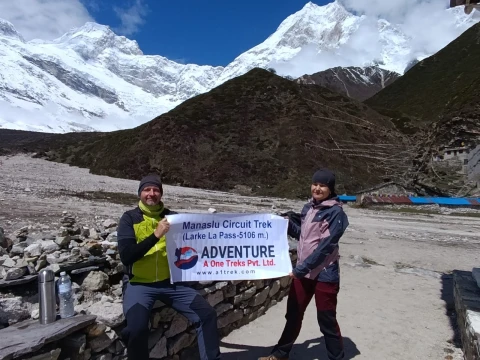
At A1 Treks, we believe the best Himalayan journeys combine adventure, safety, cultural immersion, and responsible tourism. Our experienced local guides, carefully designed itineraries, and commitment to sustainable travel ensure that every trek is both memorable and environmentally responsible.
Whether you're planning the classic Manaslu Circuit Trek, combining it with the Tsum Valley Trek, or looking for a customized Himalayan adventure, our team is here to help you every step of the way—from permit arrangements and logistics to expert guidance on the trail.
Ready to experience one of Nepal's most spectacular trekking destinations? Book your Manaslu adventure with A1 Treks and discover the breathtaking beauty, rich culture, and untouched wilderness of the Manaslu Conservation Area with trusted local experts.