
Getting to the faraway, stunning Manaslu Circuit Trek isn’t only about hiking across untouched mountain views - your trip actually starts way before you hit the footpath. How you travel shapes how the whole trek feels. Far from busy trails like Everest or Annapurna, this area stays wild, so reaching it becomes part of the story. The path here? More than a route - it's its own kind of expedition.
Getting around the Manaslu area isn’t always smooth - think rocky jeep trips, narrow uphill paths, spotty bus routes, and roads still under construction. Because of this, travelers must plan ahead, stay calm during delays, and be ready to adjust on the fly. What follows is a clear look at how movement works along the entire trek, starting in Kathmandu, reaching the trail start, then returning home again
Away from busy trails, Mount Manaslu sits in Nepal’s Gorkha region near the Tibetan edge. Getting there means no quick flights - just roads slowly taking shape over time. Fewer travelers show up because of that, yet many find this quiet stretch appealing. With fewer people around, the mountains feel closer, somehow truer, offering a rare sense of solitude in the Himalayas.
Few things move on schedule when nature decides otherwise. Landslides creep onto roads without warning, while rain or snow reshape travel plans overnight. Being ready means staying loose - plans shift easier that way.
Picture your trip to Manaslu kicking off in Kathmandu, a city where plenty spend time getting ready. Long ago, folks would step onto the trail at Soti Khola - simple, quiet, just right. These days though, roads stretch farther; because of that, Machha Khola pulls more travelers toward its path
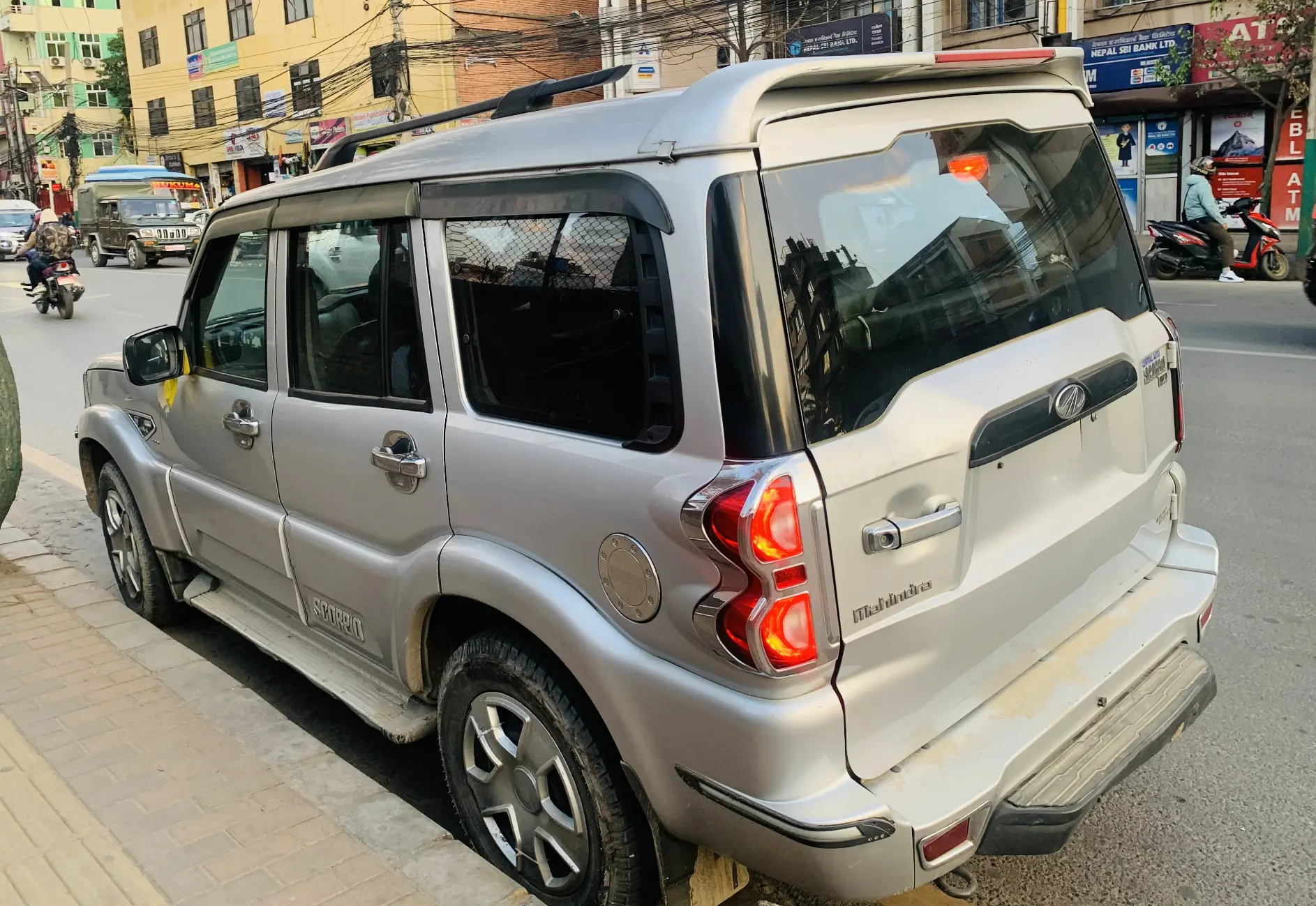
A private jeep tends to be the go-to choice for getting to the trailhead. It just works better than most options out there. Most people suggest it without hesitation when asked. Getting around on your own wheels makes timing easier too. Kathmandu to Arughat then Soti Khola followed by Machha Khola Duration:7–10 hours (depending on road conditions)
Traveling by private jeep means more freedom, a somewhat smoother ride, less waiting. Still, once past Arughat, paths turn uneven - dusty trails appear, slopes grow sharp, water must be crossed on wheels
Advantages:
Disadvantages:
Buses run on tight budgets out of Kathmandu, heading toward Arughat - occasionally pushing beyond.
Buses cost less, though they’re often packed, take longer, feel cramped. Switching rides might be
necessary once you reach Arughat
Advantages:
Disadvantages
Bouncing along the mountain roads, shared jeeps link Kathmandu with either Machha Khola or Soti Khola. Not quite as fast as private ones, yet quicker than buses, they fill a gap in travel choices. Their rhythm matches travelers who want speed without spending too much.
Advantages:
• Last time I checked, it cost less than a personal jeep ride
• Faster than buses
Disadvantages:
• Less comfortable (tight seating)
• Fixed departure schedules
Footpaths twist through valleys where vehicles rarely go. Trails decide how fast supplies move. Bridges sway when trucks cannot pass. Mountains block straight routes. Weather turns dirt roads to mud. Porters carry what machines leave behind
This part has roads covered in pavement, also it feels fairly even underfoot. Smoothness shows up clearly here where the ground stays flat most of the way
Footsteps grow uneven where stones scatter underfoot instead of pavement. Paths shrink, winding through stretches that barely fit a single file
Footsteps turn wild past this point, cutting through rough trails, rocky rivers, then climbing high along cliff drop-offs
When rains come between June and September, roads often get cut off by landslides. Travel slows down because of blocked paths through hills. Sometimes movement takes much longer than expected when earth slips onto routes
Spring (March–May)
Flying machines buzz around Everest, yet the Manaslu area stays quiet - few rides go in or out.
Foot travel begins at Machha Khola, that's how it goes from there. Villages appear one after another - Jagat shows up first, then Deng follows close behind. Namrung sits higher up, tucked into the hills where wind moves freely. Samagaon comes into view slowly, surrounded by stone houses and quiet paths. Finally, Samdo waits near the border, cold and still, almost at the edge of everythin
Limited Jeep Access with Expanding Roads
Last time we checked, new roads were pushing deeper into the area. Getting there by jeep might work now and then
Paving continues on those routes, yet reach remains spotty now. Though work pushes forward, access stays uneven across stretches
Spring (March–May)
Autumn (September–November)
Winter (December–February)
Monsoon (June–August)
Unlike Everest, where flights and helicopters are common, transportation within the Manaslu region is minimal.
Once you reach Machha Khola, the only way forward is on foot. The trail passes through villages like Jagat, Deng, Namrung, Samagaon, and Samdo.
In recent years, road construction has extended further into the region. Jeeps can sometimes reach:
However, these roads are still under development and not consistently accessible.
Most trekkers complete the Manaslu Circuit by joining the Annapurna region at Dharapani.
Route: Dharapani → Besisahar
Duration: 4–6 hours
From Besisahar, you can either:
Some trekkers opt for a long jeep ride directly back to Kathmandu.
Duration: 8–10 hours
This is convenient but can be exhausting due to long hours on rough roads.
Via Pokhara
Some trekkers combine Manaslu with Annapurna and travel via Pokhara. Transportation options include:
Helicopter Services (Emergency Use Only)
Helicopters are mainly used for:
Due to the restricted nature of the region, commercial helicopter tours are rare.
Transport Type Cost (Approx.)
Public Bus $10–$20
Shared Jeep $30–$50
Private Jeep $150–$250
Dharapani to Kathmandu Jeep $200–$300
Costs vary depending on season, fuel prices, and negotiation.
The Adventure Starts Early
Out here, moving through the Manaslu area isn’t simply travel - it becomes part of what you remember. Bumpy trails cut across wild terrain, while sudden weather shifts keep things uncertain. Each leg unfolds differently because nature runs the schedule
What makes Manaslu hard to get to also keeps it real. Not every path needs ease - some thrive on challenge. The journey there moves at its own pace, shaped by terrain, not schedules. Fewer crowds appear because the route asks more of those who come. Rough access means fewer changes made just for comfort. Distance from busy trails helps hold onto quiet moments. Beauty stays untouched when arrival feels earned
A shift has quietly taken root across the Manaslu trails during the last ten years, yet progress remains slower than in busier trekking zones. Backed by local councils, national efforts inch roads further inward, aiming to link isolated villages more reliably. Instead of starting hikes solely from Soti Khola as before, vehicles today reach Machha Khola, stretch into Jagat, sometimes creeping farther when weather allows. Fewer walking days suit certain visitors,
although concerns grow about losing what made the path feel untouched. Better routes simplify supply runs, however they reshape the raw journey many came seeking. The circuit’s soul - once shaped by distance and silence - now bends under new pressure
Travel choices differ sharply when looking at Manaslu versus busier trails such as Everest Base Camp or Annapurna. Flying into Lukla from Kathmandu cuts down journey hours yet raises expenses and leaves plans at the mercy of skies. Instead of air routes, roads stretch far across Annapurna, opening doors through various entry spots. Getting close by public transport or car is possible - places like Besisahar or deeper in, Manang, sit within reach. Manaslu feels untouched next to these well-worn paths where wheels roll easier and crowds gather.
While most routes have planes nearby, getting to Manaslu requires long drives through winding roads. The trip stretches out, tiring travelers well before they start walking. Yet it's exactly this challenge that deters crowds, leaving trails quiet and untouched. Because of the remote feel, many find it more real, more grounded. Without quick flights cutting in, the area holds onto its stillness, offering something few places do.
Getting around the Manaslu area isn’t always smooth, yet knowing what lies ahead helps
travelers get ready. Often, it’s the state of the roads that causes trouble. From Kathmandu to Machha Khola, parts of the path face landslide risks - more so when rains pour nonstop. When storms hit hard, they sweep across surfaces or pile debris high, which might stall trips - or stop them altogether
Bumpy trails test even the toughest jeeps. Though these vehicles are made for rugged paths, they often fail under extreme stress. When parts give way, help isn’t always nearby. Fixing them takes longer because workshops sit far apart. Riding for hours on shaky ground wears people down, especially if their bodies aren’t used to it. Delays pile up when repairs drag on
Getting around the Manaslu area does more than bring tourists through - it keeps villages alive. Far from cities, settlements depend on bumpy tracks and shared jeeps to get basics like rice, pills, and roof beams up the mountains. When there were no roads at all, people carried sacks on their backs, animals hauled bundles - now some trails above still need those old ways since trucks
can’t climb so high.
A web of roads now reaches villages where travel once took days, linking people to schools and clinics they could rarely visit before. Isolation fades slowly as medicines arrive more reliably, meals feel less uncertain, lives stretch beyond old limits. Yet rhythms shift - mornings no longer begin only with farming sounds, evenings hum with talk of wages and shops. Tourism still pays many bills, yes, but trucks roll through towns carrying goods nobody used to sell here. Trade finds cracks in tradition, slips through, grows
Building more roads in the Manaslu area leaves marks on nature you can’t just look past.
Chopping into slopes for pathways weakens them, inviting slides when rain hits hard. More cars rumbling through mean fumes pile up where clean breezes used to move free. Quiet trails now echo with engine growls instead of bird calls
Starting on foot beats riding every time, especially when wheels go too far. When machines move in, the land feels it - roots get crushed, silence breaks. Choosing a group that cares about clean paths matters just as much as picking the right boots. Balance shifts fast up high; one wrong step leads to long-term harm. Protecting what grows between the rocks keeps everything else alive
Soon enough, paths through the Manaslu area might shift once again. Talks keep coming up about pushing roads farther out - maybe even linking remote villages that have stayed untouched so far. Easier access could draw more people who want to visit, yet some worry crowds will grow too large. Nature there faces risks if changes move too fast
Built right, progress can protect what makes Manaslu special. Cooperation between officials and residents becomes essential when roads or paths change. Rules that limit traffic often grow from local voices guiding decisions. How people move through these mountains might depend on choices made quietly today.
Every journey begins somewhere different. A private vehicle from Kathmandu to Machha Khola works best for teams traveling together. Those moving alone might prefer splitting a ride - less cost, similar ease. Planning ahead shapes how smoothly things unfold on mountain trails
Travel plans often go smoother when extra days sit quietly on the schedule, ready just in case roads turn rough or skies pour down rain. When a trusted trekking company handles rides, things tend to feel lighter - these teams know how routes shift and adjust without much fuss. Snacks tucked into bags help, along with bottles of water, pills for queasiness, and charged power banks waiting for low-battery moments. Unexpected pauses become easier that way
Riding through the hills on a crowded bus might just teach you more than any guidebook. Folks heading home after market day pass around food without saying a word. A slow climb up winding roads lets you notice how people greet each other at every turn. Instead of rushing ahead, time moves differently when wheels spin on dirt tracks. Seeing someone pray at a roadside shrine becomes part of the trip too. Moments between stops - laughing, waiting, sharing space - stick longer than views
Each stretch of the path tells its own tale, with potholes and pit stops in quiet villages adding pieces to the picture. Instead of rushing through the air, moving across land lets travelers see how cities slowly give way to high mountain wilderness
Staying safe matters most when moving around distant zones such as Manaslu. Those behind the wheel ought to know twisting highland routes well - experience counts here. Dark hours bring poor sight; that’s why journeys after sunset tend to get riskier fast. Before setting out, take a moment to look up how skies might behave, especially when rains flood trails or snow blocks passes.
Buckle up when a belt’s there, keep your stuff tied down tight - this helps lower danger on the road. Should something go wrong, it pays to have insurance that includes rescue flights, since clinics are few and far between out here
Travel on the Manaslu Circuit Trek makes more sense once you look at each stretch separately. Not a single endless drive - instead, it shifts gradually from city roads to rough highland paths. From Kathmandu, the route moves along steady paved stretches heading for Dhading then Arughat. That part feels easier, winding past busy villages, stepped farmland, and riverside dips
Past Arughat, the path tightens, turning rougher. Heading into Soti Khola means bouncing along dirt paths, cutting across rivers, then climbing beside drop-offs. Reaching Machha Khola takes more effort - vehicles crawl through rocky scars left by slides, gripping crooked ground. Roads fade slowly here, giving way to bare trails carved by time and weather. That slow change, from pavement to loose stone, sets a quiet readiness in travelers’ minds.
Getting around Manaslu isn’t only trucks and trails - your comfort depends heavily on what you bring along for lengthy, bumpy journeys. Though jeeps move people fast, those eight to ten hour stretches demand smart preparation. Tossing a compact backpack with water, quick meals,
something sweet, and pills for queasiness makes hours pass easier. Rough tracks kick up grit, particularly where pavement ends, so wrapping cloth around your nose might save the day
A small cushion for your neck, a pair of shades, yet also some moist towels might ease the ride more than expected. Gadgets including mobiles or photo takers need full batteries before leaving, since finding an outlet mid-trip is rare. A portable charger means messages go through, plus moments beside sweeping views get saved without worry
Thrilling might be how some travelers label the trip toward Mount Manaslu, though tough fits just as well. Bouncing along in a jeep reveals sudden views - sheer drops, wild water cutting through rock, bridges swaying above rapids. When the path turns rough, patience matters more, particularly when highland movement feels new. Rattled by constant jolts, bodies react whether ready or not
Stops happen often when cars pull over for tea or quick fixes. Though not always scheduled, they let people move around, talk to villagers, take in real Nepali tea traditions. Many who travel recall these times clearly later, seeing them as quiet points of connection amid rough roads and long rides
Along the trails of the Manaslu area, paths pass through tiny roadside spots perfect for pausing and refueling. Rest stops such as Arughat or Soti Khola serve up simple meals at modest tea shops and village-run stalls. Meals often consist of dal bhat, steaming bowls of noodles, hot tea, along with bite-sized treats on the side. Though comfort isn’t the main feature here, these bites keep energy steady during demanding stretches ahead.
Most meal breaks last just minutes, which means filling up on good food matters. Water helps too, especially when walking long stretches under sun. Clean hands make a difference, since soap isn’t always nearby - pack wipes just in case. Hot meals straight from the pan beat cold leftovers any day. You’ll notice how people live beyond cities, watching small eateries run by parents and kids alike. Locals sit beside hikers here, sharing space without much talk. Seeing daily rhythms unfold over tea gives a quiet kind of understanding.
| Note: You can read about the complete guide to food and accommodation on the Manaslu Circuit Trek. |
|---|
Getting around on your own isn’t always easy, particularly if you’re visiting from another country. That’s when help from local experts starts making sense. Firms such as Langtang Ri. Trekking & Expedition take care of travel details, turning confusion into clarity step by step.
Starting early helps avoid traffic, so agencies often book morning rides. When roads get rough, alternate routes are already mapped out ahead of time. Instead of guessing schedules, travelers receive clear updates about when to leave or arrive. If a jeep breaks down, another one shows up without needing to ask. Knowing help is nearby makes navigation easier for those new to mountain travel. Because planning happens behind the scenes, attention stays where it should - on walking, breathing, and watching the path unfold
Not every journey begins on foot. Getting to the start often means riding roads that climb fast. Skip lower zones by vehicle, like past Soti Khola, then stepping into thin air happens quicker. Fewer slow uphill stages follow when arrival points sit high. The body gets less time adjusting early on. That shift might stir trouble as paths rise further up ahead
Early mornings see seasoned hikers hitting the trail long before vehicles can reach higher points. Starting slow gives the body time to adjust naturally instead of rushing altitude gains. Moving step by step builds rhythm, often making tough climbs feel smoother later on. Transport choices matter beyond comfort - they shape how well the body holds up. Health stays tied closely to timing, pacing, not just speed or gear. Safety grows when decisions include rest, air, effort, not only distance covered
Far from cities, say around Manaslu, surprises pop up without warning - so having another way to move makes sense. When landslides strike, skies turn harsh, or paths get cut off, trips fall apart fast. Waiting sometimes works. Other times, walkers must pick new trails on the fly.
When things go wrong up high, a helicopter might come - but only if it is really bad. Travel insurance must include coverage for both extreme heights and emergency exits. If trouble strikes, guides know what to do because they practice these moments ahead of time. Help arrives faster when teams have prepared long before the crisis hits
Getting around villages in Nepal ties closely to daily routines; showing respect for traditions matters just as much. Riding together in crowded buses means kindness, calmness, small efforts build trust. Saying “Namaste” when meeting someone, paying attention to where people sit - these quiet acts open doors. A nod, space left free, silence held at the right moment - all speak louder than word
Watch how people live, particularly near temples or sacred spots. Stay quiet around such places, keep a careful distance from others, yet cover your arms and legs walking through small settlements. Tiny choices like these build trust slowly - without them trails could turn tense.
Respect grows where attention does, shaping every journey just enough
Few things test your calm like endless miles on bumpy trails, particularly if it is your first time walking them. When delays come without warning, staying steady matters more than speed.
Rather than counting every ache, seasoned walkers often find rhythm in the slow progress
Sound of songs fills the air while eyes catch views passing by. Roads unfold slowly, offering moments to watch people live their days near the path. Getting ready inside matters just as much as strong legs for Manaslu. Rides shape how you feel long before arrival
What makes the Manaslu trek different isn’t just the path, but how you get there. Without quick routes in, few people reach these trails without serious effort. Because of that, the land stays wild, unchanged by crowds. Fewer visitors mean moments here feel rare, almost private.
Not many places demand such long walks just to arrive, yet Manaslu does. Only after days on rough trails do you meet the hush of high peaks nearby. Each step forward adds weight to what comes later - the quiet awe beneath towering stone giants. Hard paths bring their own kind of clarity, one that stays longer than any postcard view ever could.
Getting around the Manaslu area isn’t smooth - you’ll face rough trails, sudden changes, yet moments that stick with you. Though bumpy rides and long waits test patience, they open doors to real encounters, raw beauty. Because readiness matters, adjusting plans helps when paths shift without warning. Even so, those who welcome delays often find joy in the unplanned stops. Still, each twist along the way shapes stories worth carrying home
Each stretch of road, each jolt beneath the tires, yet also those unplanned stops - each piece feeds into something wider. When everything settles, what counts stretches beyond arrival, instead living inside how deeply you felt the path unfold.