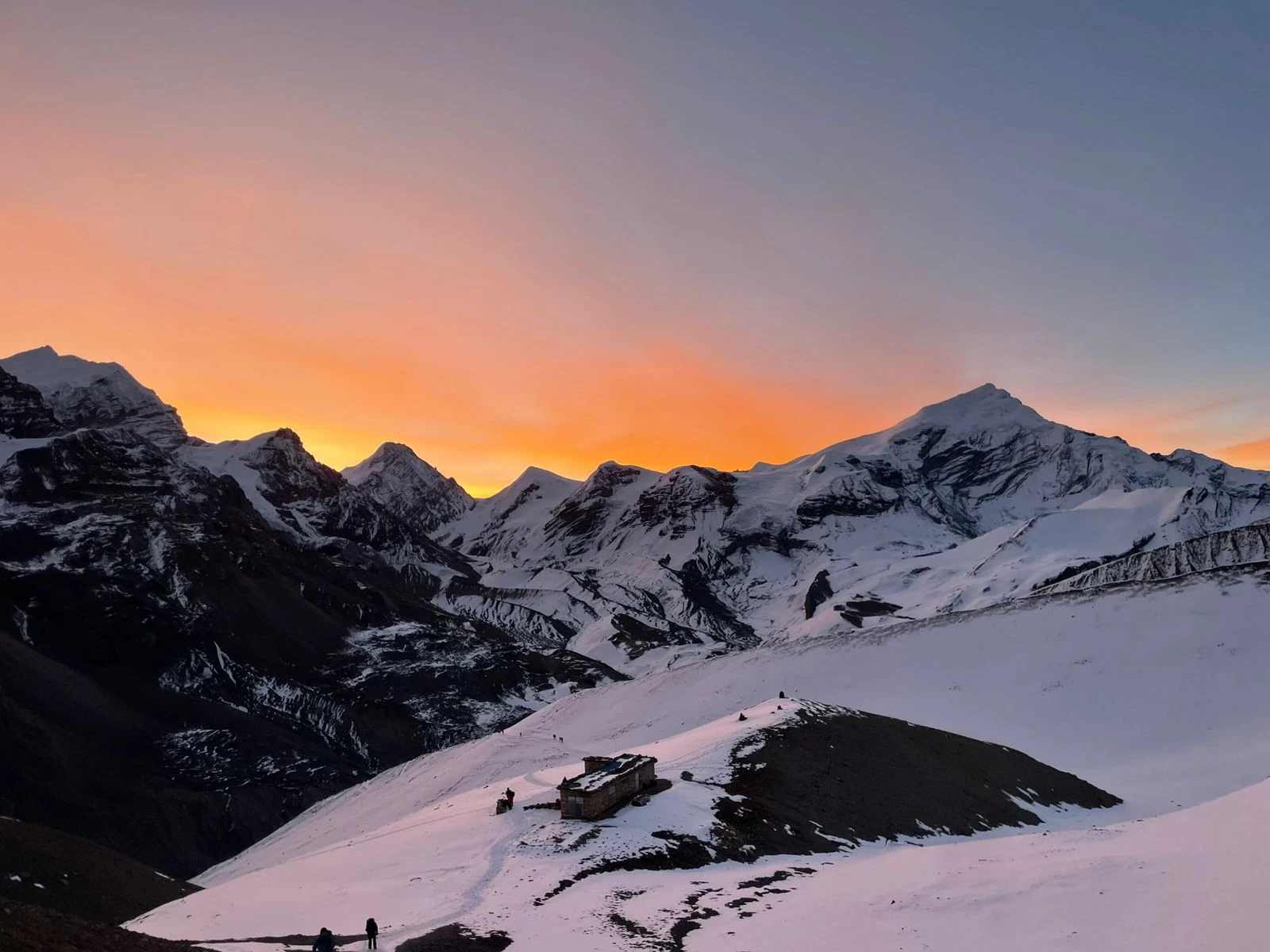
The Annapurna Circuit Trek is a diverse Himalayan journey known for its mountain scenery, changing landscapes, and cultural experiences. The trail passes through green hills, terraced fields, river valleys, alpine forests, and dry mountain landscapes, making each section of the trek different from the previous one. Well-established trails, tea houses along the route, and flexible itinerary options also make it accessible to first-time trekkers who are physically prepared.
The trek offers views of prominent peaks including Annapurna II, Dhaulagiri, and Machhapuchhre. Depending on the route and transportation options, the trek can generally be completed in 10–14 days. Previous high-altitude trekking experience is not essential, but good physical fitness and proper preparation are important.
The journey usually begins around Besisahar or Dharapani and gradually moves toward higher elevations. A well-planned itinerary includes suitable acclimatization time, allowing the body to adjust to the increasing altitude. One of the main challenges is crossing Thorong La Pass at 5,416 meters. Starting early, maintaining a steady walking pace, carrying appropriate gear, and following the recommended itinerary can make the pass crossing more manageable.
Beginners can choose an itinerary that matches their fitness level and available time. Taking adequate rest, staying hydrated, walking at a comfortable pace, and allowing enough time for acclimatization are important for a comfortable trek.
With proper preparation and a suitable itinerary, beginners can explore the Annapurna Circuit while experiencing its varied landscapes, mountain views, traditional villages, and local culture.
| Fact | Details |
| Region | Annapurna, Nepal |
| Duration | About 10–14 days, depending on the route |
| Highest Point | Thorong La Pass – 5,416 m |
| Difficulty | Moderate |
| Best Seasons | Spring and autumn |
Choosing the right season can make the Annapurna Circuit Trek more comfortable, especially for beginners.The best trekking conditions are generally found during spring and autumn , when the weather is more stable, mountain visibility is good, and the trails are usually easier to navigate.
Summer and winter can also offer different experiences, but they come with more challenging weather and trail conditions.
Spring
Spring, from March to May, is one of the best seasons for the Annapurna Circuit. The weather is generally mild, the days are longer, and the lower sections of the trail become greener. Rhododendrons bloom across the hills, adding color to the landscape, while clear mornings can provide good views of the surrounding mountains.
March and April usually offer favorable trekking conditions. By late May, rainfall becomes more frequent as the monsoon approaches, which can affect trail conditions and mountain visibility.
Autumn
Autumn, from September to November, is another popular season for the Annapurna Circuit. After the monsoon, the air becomes clearer and the landscape looks fresh. The combination of dry trails, comfortable temperatures, and good mountain visibility makes this a busy period on the route.
October and November are particularly popular, so some villages and teahouses can become crowded. Trekkers looking for fewer people may consider the beginning or end of the season, depending on weather conditions.
Overall, spring and autumn are the most suitable seasons for the Annapurna Circuit Trek . With appropriate preparation, clothing, and a well-planned itinerary, beginners can also enjoy the trek while experiencing the changing landscapes, mountain scenery, villages, and local culture along the route.
The Annapurna Circuit Trek is often considered suitable for beginners because it combines manageable walking distances, established trails, and gradual altitude gain with proper acclimatization. The highest point of the trek is Thorong La Pass at 5,416 meters , while overnight stays are usually at lower elevations, giving trekkers time to adjust to the changing altitude.
Although the trek reaches a high elevation, previous high-altitude trekking experience is not essential. Following a well-planned itinerary, maintaining a steady walking pace, taking enough rest, and following the advice of a trekking guide can help first-time trekkers handle the route more comfortably.
Here are some of the main factors that make the Annapurna Circuit Trek suitable for beginners.
The average walking distance on the Annapurna Circuit is around 10 to 12 kilometers per day, although this varies depending on the itinerary and route. Most trekking days involve approximately 6 to 7 hours of walking, with a break for lunch along the way.
Trekkers generally start walking after breakfast and take a lunch break after several hours on the trail before continuing toward the overnight destination. The relatively manageable distance allows trekkers to maintain a steady pace without having to rush.
Much of the Annapurna Circuit follows well-established trekking trails with a mix of gradual climbs, descents, and relatively level sections. While some parts require more effort, most sections can be managed at a steady pace by trekkers with reasonable fitness.
The trail between Pisang and Ngawal includes a steeper section, while crossing Thorong La Pass is the most physically demanding part of the trek because of the high altitude and long ascent. Other sections are generally more manageable, although the terrain and difficulty can vary depending on the route and weather conditions.
Altitude remains an important consideration throughout the trek. Beginners should not underestimate the effects of increasing elevation. Proper acclimatization, gradual ascent, adequate hydration, and a suitable itinerary are essential for reducing altitude-related risks.
With appropriate preparation and a realistic pace, the combination of established trails, manageable daily distances, and gradual acclimatization can make the Annapurna Circuit a practical choice for beginners.
Altitude and acclimatization are important considerations for beginners on the Annapurna Circuit Trek . Physical fitness alone does not prevent altitude sickness. Even well-trained trekkers can experience altitude-related symptoms, while those with less trekking experience may adjust well when they follow a gradual ascent and allow enough time for acclimatization.
As you gain elevation, symptoms such as headache, nausea, dizziness, and unusual tiredness can occur, particularly above 3,500 meters. Mild symptoms may improve with rest, hydration, and allowing the body more time to adjust. However, symptoms that become worse should never be ignored.
If you experience worsening altitude-related symptoms, inform your guide immediately and avoid continuing higher. In cases of suspected serious altitude sickness, descending to a lower elevation is the safest response rather than trying to continue according to the planned schedule.
Manang is commonly used as an acclimatization stop on the Annapurna Circuit. The rest day gives trekkers an opportunity to adjust to the increasing elevation before continuing toward the higher sections of the route. Even if you feel comfortable, it is important not to rush through the acclimatization schedule.
For beginners, maintaining a gradual pace, staying hydrated, getting adequate rest, and following the recommended itinerary can make the higher sections of the Annapurna Circuit more manageable.
For the Annapurna Circuit Trek, trekking with a licensed guide is required under Nepal’s current trekking regulations. For beginners, having a guide can also be useful for practical and safety reasons. Guides provide route knowledge, help monitor altitude-related symptoms, assist with weather decisions around Thorong La Pass, and coordinate accommodation along the trail.
A guide can be particularly helpful for first-time trekkers who are unfamiliar with Himalayan terrain, changing weather conditions, and altitude. Following the guide’s advice can also help beginners maintain an appropriate pace and itinerary.
Hiring a porter is optional . Unlike a guide, a porter is not required for the trek. A porter carries your main backpack, allowing you to walk with a lighter daypack. This can reduce the physical strain, especially during longer walking days and steep sections.
Beginners can choose whether to hire a porter based on their fitness, backpack weight, and personal preference. Those who are comfortable carrying their own belongings can complete the trek without one.
Yes. Beginners can trek without a porter if they are physically prepared and keep their backpack at a manageable weight. Carrying your own pack does add to the physical demand, particularly at higher elevations and during the climb toward Thorong La Pass.
If you plan to carry your own backpack, pack only the essentials and keep the weight as low as practical. It is also useful to train with your fully loaded backpack before the trek. This allows you to understand how the weight feels during several hours of walking and make adjustments before starting the Annapurna Circuit.
Trekkers need two main permits for the Annapurna Circuit: the Annapurna Conservation Area Permit (ACAP) and the Trekkers’ Information Management System (TIMS) card . These permits help manage trekking activities, support conservation, and maintain visitor records in the region.
Annapurna Conservation Area Permit (ACAP): The ACAP is required to enter the Annapurna Conservation Area, which covers the Annapurna Circuit. The permit fee supports conservation, environmental protection, and sustainable tourism in the region. It can be obtained through authorized permit offices in Kathmandu or Pokhara.
Trekkers’ Information Management System (TIMS) Card: The TIMS card is required for trekkers in the Annapurna region. It records trekking information and supports trekker safety and emergency assistance. The card can be arranged through authorized trekking services or relevant offices.
It is important to obtain the required permits before starting the trek and carry them throughout the journey. Officials may check permits at designated checkpoints along the route, so keeping the documents with you helps ensure a smooth trek.
If you are trekking the Annapurna Circuit for the first time, these simple tips can make your journey more comfortable:
Packing properly for the Annapurna Circuit Trek helps you stay comfortable and prepared while keeping your backpack manageable. Beginners should focus on lightweight, practical, and weather-appropriate gear. Use the following packing list as a guide:
Clothing
Footwear
Trekking Gear
Personal Items

The Annapurna Circuit Trek is suitable for beginners who prepare well in advance. Altitude is the main challenge, so proper acclimatization, a gradual pace, and guidance from a licensed trekking guide are important. Regular walking and fitness training before the trek can also help you handle the long days on the trail.
There is no need to rush the journey. Take your time, listen to your body, and allow yourself to adjust to the changing altitude. With good preparation, patience, and a sensible itinerary, beginners can enjoy the Annapurna Circuit Trek safely and comfortably.
Yes. Beginners can complete the Annapurna Circuit with reasonable fitness, gradual acclimatization, and proper preparation. Previous high-altitude trekking experience is helpful but not essential. The main challenges are long walking days, changing terrain, and the altitude around Manang and Thorong La.
The Annapurna Circuit is generally considered a moderate trek rather than an easy walk. Most of the route involves walking on established mountain trails, but the altitude and Thorong La crossing make it physically demanding.
A modern Annapurna Circuit itinerary can take around 10–14 days, depending on road transportation, side trips, acclimatization, and the starting point. Some shorter itineraries begin walking from Chame, while longer versions include more of the traditional route from Besisahar.
The highest point is Thorong La Pass at 5,416 m (17,769 ft). It is the key high-altitude crossing of the trek and usually requires an early start from Thorong Phedi or High Camp.
No. You do not need previous Himalayan trekking experience. However, you should be comfortable walking uphill and downhill for several hours on consecutive days. Training before the trek can make the long walking days easier to manage.
You should have a reasonable level of cardiovascular fitness and leg strength. Regular hiking, walking, stair climbing, cycling, or similar endurance activities can help you prepare. It is useful to train for several hours of walking while carrying a small daypack.
Altitude sickness is a genuine concern because the route reaches above 5,000 m. Spending enough time at higher elevations, keeping the ascent gradual, staying hydrated, and following your guide's advice are important. If you develop serious altitude symptoms, you should not continue ascending.
Walking time varies according to the itinerary and section of the trail. Many trekking days involve roughly 6-7 hours of walking, while the Thorong La crossing is usually a longer day. Road transfers can reduce the number of walking hours on some itineraries.
Yes. The Nepal Tourism Board currently lists the Annapurna Circuit Trek among the routes requiring a licensed trekking guide and agency-issued TIMS card under its revised TIMS provisions.
The main permits are the Annapurna Conservation Area Permit (ACAP) and TIMS card. Current requirements and fees should be checked before departure because trekking regulations can change.
The trek can be completed by first-time Himalayan trekkers, but it should not be treated as a simple hiking trip. Weather, altitude, cold, fatigue, and trail conditions can affect the journey. A sensible itinerary with acclimatization and an experienced guide helps manage these challenges.
Spring (March–May) and autumn (September–November) are commonly used trekking seasons. Autumn generally brings stable conditions, while spring offers warmer weather and rhododendron blooms at lower elevations.
Yes, but winter requires more preparation. Snow and cold can affect higher sections, particularly around Thorong La. Beginners should carefully consider weather and trail conditions before choosing a winter departure.
Parts of the Annapurna region are accessible during the monsoon, but rain can affect lower trails and road conditions. The northern sections around Manang and Mustang are comparatively drier because they lie in the rain shadow.
Yes. The Annapurna Circuit is primarily a teahouse/lodge trek, with accommodation available along the main route. Facilities become more basic at higher elevations, so carrying essential personal gear is still important.
Essential items include trekking boots, warm layers, a waterproof jacket, sleeping bag, gloves, hat, sunglasses, sunscreen, water bottle, personal medication, basic first-aid supplies, and a comfortable daypack. Your exact packing list should match the season and itinerary.
A sleeping bag is recommended because temperatures can become very cold at higher elevations. Many trekking companies provide or rent sleeping bags, but check this before your trek so you know what is included.
Yes. Road construction has changed the traditional route, and many modern itineraries use vehicles on selected sections. This means you can choose between a longer itinerary with more walking and a shorter itinerary that uses road transfers.
The two treks have different challenges. The Annapurna Circuit reaches 5,416 m at Thorong La and includes a high mountain pass, while Annapurna Base Camp finishes at a lower elevation. Your choice should depend on your available time, fitness, and interest in crossing a high pass.
For many first-time trekkers, the biggest challenges are altitude, long walking days, and the Thorong La crossing. Preparing your fitness before departure and allowing enough time for acclimatization are more important than trying to walk the route as quickly as possible.