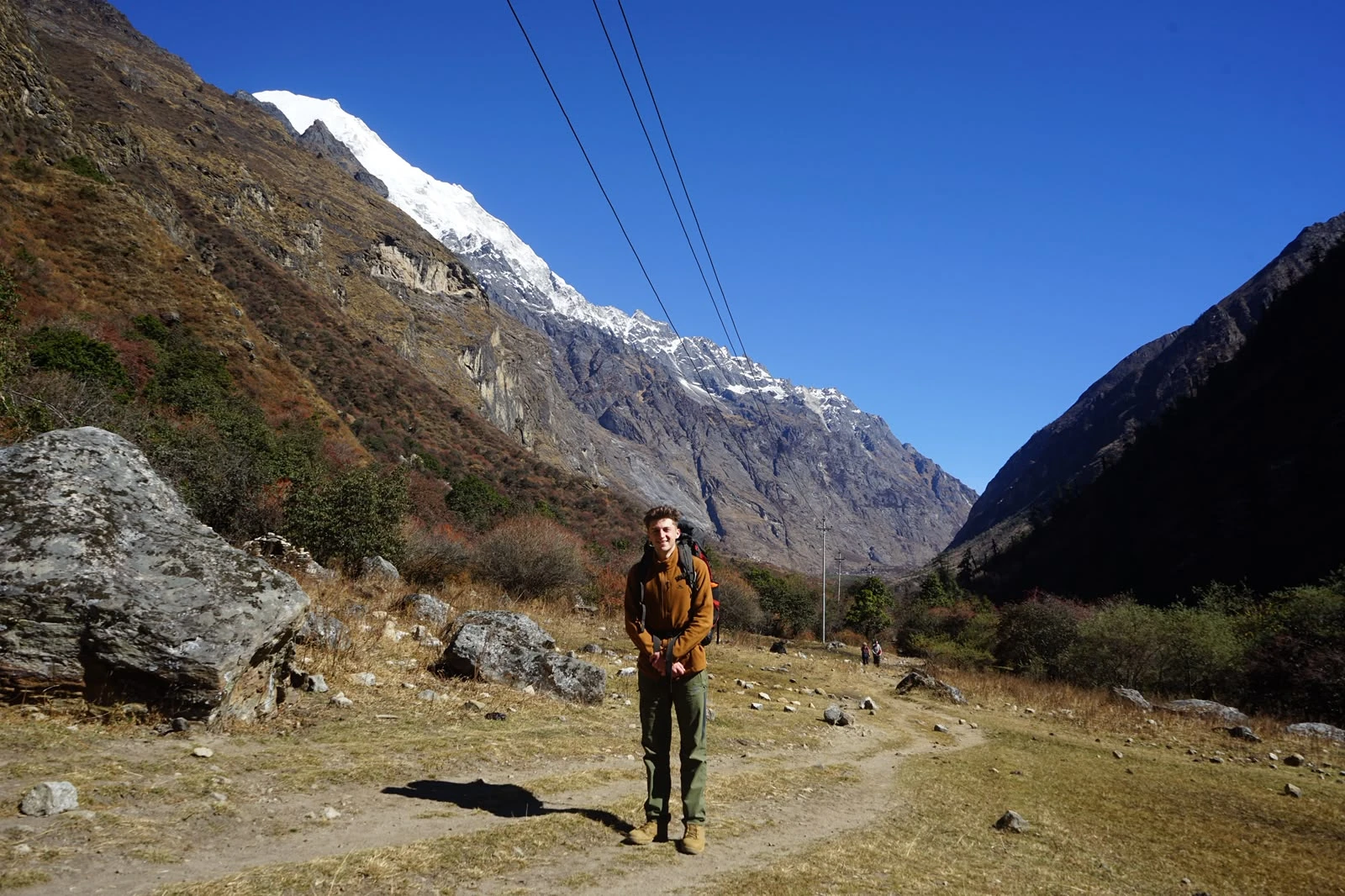
The best time for the Langtang Valley Trek is spring (March to May) and autumn (September to November). These seasons generally offer favorable trekking conditions, comfortable daytime temperatures, and better mountain visibility. Spring is known for blooming rhododendron forests and fresh vegetation, while autumn brings clearer skies, dry trails, and crisp mountain views.
However, the ideal trekking season depends on what you expect from the journey. Some trekkers prefer warm weather and colorful landscapes, while others look for quiet trails, snowy surroundings, or fewer visitors. Each season changes the appearance and conditions of the Langtang region, making it important to understand the differences before planning your trip.
The Langtang Valley Trek is possible throughout the year, but weather, trail conditions, accommodation availability, and temperatures vary considerably between seasons. Understanding these seasonal changes will help you choose a suitable departure month and prepare the right clothing and equipment.
Spring is one of the most suitable seasons for the Langtang Valley Trek. After winter, temperatures gradually rise, snow begins to melt at lower elevations, and vegetation returns to the hillsides. The trails become more comfortable for walking, while forests and mountain slopes develop fresh seasonal colors.
March marks the beginning of spring. Lower sections of the trekking route become warmer, although mornings and nights remain cold, particularly around higher settlements. Some sections may still have snow or icy patches, depending on winter snowfall.
April is particularly popular because rhododendrons bloom across the hillsides. The forests around the Langtang trekking route become colorful, and daytime conditions are generally suitable for long walking days. On clear mornings, trekkers can enjoy views of Langtang Lirung and surrounding Himalayan peaks.
May brings warmer temperatures and increasing moisture as the monsoon approaches. Mornings are often more suitable for mountain views, while clouds may develop during the afternoon. Starting your daily walk early can help you make the most of the available visibility.
Spring also provides opportunities to experience local Buddhist traditions and cultural celebrations. Buddha Jayanti, whose date changes according to the lunar calendar, may fall during this season.
Summer coincides with Nepal's monsoon season, making June to August a less predictable period for the Langtang Valley Trek. Frequent rainfall changes the condition of the trails, increases the risk of landslides, and can reduce visibility around the mountains.
Nevertheless, this season has its own appeal. Forests become dense and green, streams carry more water, and waterfalls become particularly noticeable along the route. Trekkers who prefer quieter trails may appreciate the reduced number of visitors.
June marks the transition into the monsoon. Rainfall generally becomes more frequent as the month progresses. Early mornings may provide better opportunities for mountain views before clouds gather later in the day.
July is usually among the wettest months. Heavy rainfall can make forest paths muddy and slippery, while swollen streams and landslides may create difficulties along certain sections. Leeches can also appear in damp forest areas.
August remains wet, although rainfall patterns can vary. The valley retains its green appearance, and rivers and waterfalls continue to flow strongly. Clear weather windows may occur, but consistent mountain visibility should not be expected.
Trekking during this period requires additional preparation. Waterproof clothing, suitable footwear, and flexibility in your itinerary are important. Always check local trail and weather conditions before departure.
Autumn is generally considered the best overall season for the Langtang Valley Trek. Following the summer monsoon, rainfall decreases, the atmosphere becomes clearer, and trekking conditions improve. The combination of dry trails, comfortable daytime temperatures, and mountain visibility makes this period especially popular.
September is the transition from monsoon to autumn. Early in the month, occasional rainfall and cloudy weather may continue. As the monsoon withdraws, the surrounding landscapes become greener, and clearer conditions gradually return.
October is one of the most favorable months for trekking in Langtang. Days are generally mild, skies are often clear, and mountain views are more consistent. The relatively dry trails also make walking more comfortable. As this is a peak trekking month, expect more visitors and increased demand for accommodation.
October may also coincide with Dashain and Tihar, two major festivals in Nepal. Their exact dates change annually, so trekkers interested in experiencing these celebrations should check the festival calendar before planning their trip.
November brings cooler temperatures, especially during mornings and evenings at higher elevations. However, the weather often remains dry, with clear skies providing excellent opportunities for mountain photography. Visitor numbers generally begin to decrease compared with October, creating a quieter trekking atmosphere.
Winter offers a different experience in the Langtang region. Snowfall can transform the upper valley into a snow-covered landscape, while cold temperatures and fewer visitors create a quieter trekking environment. This season is more suitable for trekkers who have experience dealing with cold mountain conditions and changing winter trails.
December marks the beginning of winter. Temperatures gradually decrease, particularly after sunset. Lower sections may remain accessible, but higher elevations can experience snowfall and icy trail conditions.
January is generally the coldest month. Nights and early mornings can become extremely cold, especially around Kyanjin Gompa and other higher sections. Snowfall may cover parts of the trail, making walking more difficult.
February gradually brings warmer daytime conditions, although cold nights and occasional snowfall remain possible. Depending on the weather, some higher trail sections may still have snow and ice.
Winter can provide clear mountain views when the weather is stable. However, trekkers should not assume that every day will have good visibility or accessible trails. Checking snowfall conditions and accommodation availability is particularly important before starting the trek.
Weather in Langtang varies with elevation, season, and daily conditions. Temperatures at Syabrubesi will generally be warmer than those around Kyanjin Gompa. The following table provides a general seasonal overview rather than guaranteed temperature forecasts.
| Month | Day Temperature | Night Temperature | General Conditions |
| January | 5–10°C | -10–0°C | Cold, possible snowfall |
| February | 0–10°C | -15–1°C | Cold, occasional snow |
| March | 5–15°C | 0–5°C | Cool, gradually warming |
| April | 10–20°C | 5–10°C | Mild, spring flowers |
| May | 15–20°C | 5–10°C | Warm, increasing clouds |
| June | 15–25°C | 10–15°C | Warm, monsoon begins |
| July | 15–25°C | 10–15°C | Wet, humid, cloudy |
| August | 14–18°C | 9–13°C | Rainy, humid conditions |
| September | 13–18°C | 7–12°C | Monsoon gradually retreats |
| October | 10–15°C | 2–7°C | Mild, generally clear |
| November | 7–12°C | -5–5°C | Cool, mostly clear |
| December | 5–10°C | -5–0°C | Cold, possible snow |
Note: These are approximate figures from the supplied seasonal reference, not verified climate averages. Actual temperatures can differ considerably between lower villages and higher elevations.
Choosing a suitable departure date involves more than looking at the weather. Your trekking experience, preferred trail conditions, available budget, and travel schedule can all influence which month is appropriate.
Weather plays an important role in the overall Langtang trekking experience. If mountain photography and clear Himalayan views are your priorities, spring and autumn are generally the better choices.
Autumn, particularly October and November, often provides stable weather and good visibility. Spring also offers favorable conditions, although afternoon clouds may become more frequent towards May.
During the monsoon, rain and cloud cover can limit mountain views. Winter can provide clear skies, but snowfall and freezing temperatures require additional preparation.
The number of visitors changes throughout the year. Spring and autumn attract more trekkers because of their generally favorable conditions.
October and April are particularly busy months. Tea houses along the route may experience higher demand, so arranging accommodation in advance can be helpful during peak periods.
In contrast, winter and monsoon generally have fewer visitors. This can create a quieter experience, but accommodation availability may also be more limited because some establishments close seasonally.
Your travel budget may also influence the timing of your Langtang Valley Trek. During peak seasons, increased demand can affect accommodation and transportation availability.
Quieter months may offer more flexibility, but lower demand does not necessarily mean every trekking expense will be cheaper.
Winter also requires suitable cold-weather clothing, while monsoon trekking calls for waterproof gear and additional preparation. Consider these equipment costs when comparing different departure seasons.
The Langtang region has strong Tibetan Buddhist cultural influences, particularly around settlements such as Langtang Village and Kyanjin Gompa.
Spring may coincide with Buddha Jayanti, while autumn often overlaps with Dashain and Tihar in Nepal. The dates of these celebrations change each year, and local festival activities vary by community.
If cultural experiences are important to your trip, check the annual festival calendar before selecting your departure date.
Your experience with mountain trekking should also influence your seasonal choice.
Spring and autumn are generally suitable for trekkers looking for more predictable trail conditions. Winter requires preparation for freezing temperatures, snow, and potentially icy paths. Monsoon trekking requires confidence on wet trails and the ability to adjust plans when rainfall affects access.
Regardless of the season, appropriate clothing, footwear, and gradual acclimatization are important when trekking at higher elevations.
Although spring and autumn are both suitable trekking seasons, some months offer particular advantages depending on your priorities.
| Month | Main Attraction | Suitability |
| March | Quieter spring trails | Good |
| April | Rhododendron blooms | Excellent |
| May | Warmer spring conditions | Good |
| June | Green landscapes | Less favorable |
| July | Lush monsoon scenery | Less favorable |
| August | Waterfalls and greenery | Less favorable |
| September | Post-monsoon transition | Good later in the month |
| October | Clear skies and stable weather | Excellent |
| November | Mountain visibility and quieter trails | Excellent |
| December | Snowy mountain scenery | For prepared trekkers |
| January | Winter landscapes | For experienced trekkers |
| February | Late-winter conditions | For prepared trekkers |
April and October are two of the strongest choices for the Langtang Valley Trek. April is particularly suitable for experiencing rhododendron forests, while October is generally preferred for stable weather and clear mountain views. November is another excellent option if you prefer cooler temperatures and slightly quieter trails.
Packing the right equipment is important for a comfortable and safe Langtang Valley Trek. Your packing requirements may vary depending on the season, especially when dealing with winter snowfall or monsoon rainfall. Carry lightweight, practical clothing and essential trekking equipment.
Clothing
Trekking Equipment
Personal Essentials
Seasonal packing tips:
Pack according to the season and avoid unnecessary weight. A properly prepared backpack will make your Langtang Valley Trek more comfortable.
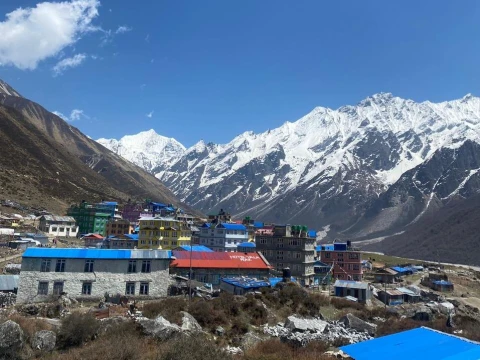
The best time for the Langtang Valley Trek depends on the kind of mountain experience you want. Spring (March to May) and autumn (September to November) generally provide the most favorable conditions, with April and October standing out as particularly suitable months.
Spring is ideal for exploring flowering forests and enjoying warmer daytime temperatures. Autumn offers dry trails, clearer skies, and favorable conditions for mountain photography. Winter provides quieter trails and snowy scenery but requires preparation for freezing temperatures. Monsoon brings green landscapes and fewer visitors, although rainfall can create significant trekking difficulties.
For most trekkers, October, November, and April are the recommended months for the Langtang Valley Trek. Select your departure date based on your weather preferences, available time, and comfort with mountain conditions, and check the local forecast before setting off.
1. What is the best time for Langtang Valley Trek?
The best time for the Langtang Valley Trek is spring (March to May) and autumn (September to November). These seasons generally offer comfortable temperatures, better mountain visibility, and favorable trail conditions. April and October are particularly popular months.
2. Is October a good month for Langtang Valley Trek?
Yes, October is one of the best months for the Langtang Valley Trek. The monsoon usually ends before this period, leaving relatively dry trails, clear skies, and good views of Langtang Lirung and surrounding Himalayan peaks.
3. Can I do the Langtang Valley Trek in winter?
Yes, the Langtang Valley Trek is possible during winter (December to February). However, temperatures can drop below freezing, particularly at higher elevations. Snowfall and icy trails may also make walking more difficult, so proper winter clothing and preparation are necessary.
4. Is the Langtang Valley Trek possible during the monsoon?
Yes, trekking is possible during the monsoon, but June to August is generally less favorable. Heavy rainfall, slippery trails, landslides, leeches, and limited mountain visibility can affect the journey. Check local weather and trail conditions before departure.
5. Which month has the clearest mountain views in Langtang?
October and November generally offer some of the clearest mountain views in the Langtang region. April is another good option, with favorable spring weather and blooming rhododendron forests.
6. Is April a good time for Langtang Valley Trek?
April is an excellent month for the Langtang Valley Trek. Rhododendron forests bloom across the hillsides, daytime temperatures are generally comfortable, and mountain views are often good. However, popular trails and tea houses can become busy.
7. How cold does Langtang Valley get during winter?
Winter temperatures vary depending on altitude and weather conditions. Higher settlements such as Kyanjin Gompa can experience temperatures well below freezing at night. Warm thermal clothing, an insulated jacket, gloves, and a suitable sleeping bag are essential.
8. Which season is less crowded for Langtang Valley Trek?
Winter (December to February) and monsoon (June to August) generally have fewer trekkers than spring and autumn. November can also be a good option for those seeking quieter trails while retaining relatively favorable weather conditions.
9. Does it snow during the Langtang Valley Trek?
Yes, snowfall can occur during winter, particularly at higher elevations. Snowfall is also possible during early spring and late autumn, depending on weather conditions. Snow may cover sections of the trail and affect trekking accessibility.
10. What is the average temperature during the Langtang Valley Trek?
Temperatures depend on the season and trekking altitude. During spring and autumn, daytime conditions are generally mild, while nights can be cold at higher elevations. Winter temperatures frequently fall below freezing around upper settlements.
11. Is September a good time for Langtang Valley Trek?
September can be a good time, particularly towards the end of the month when monsoon rainfall begins to decrease. Early September may still experience rain, cloudy skies, and muddy trails. October generally provides more stable trekking conditions.
12. What should I pack for Langtang Valley Trek?
Essential packing items include waterproof trekking boots, warm layers, a down jacket, trekking trousers, gloves, a sun hat, sunglasses, sunscreen, a water bottle, and a first-aid kit. During monsoon, carry additional rain protection, while winter trekking requires extra insulated clothing.
13. Is Langtang Valley Trek suitable for beginners?
Yes, the Langtang Valley Trek can be suitable for beginners with reasonable physical fitness and proper preparation. However, the route reaches high elevations, so gradual acclimatization, a comfortable walking pace, and awareness of altitude sickness are important.
14. How many days are required for Langtang Valley Trek?
Most Langtang Valley Trek itineraries take around 7 to 10 days, depending on the starting point, walking pace, acclimatization schedule, and return transportation. Additional days can be included for exploring Kyanjin Gompa and nearby viewpoints.
15. What is the best time for photography in Langtang Valley?
October and November are excellent months for mountain photography because of their generally clear skies and good visibility. April is another attractive period for photographing rhododendron forests, green landscapes, and snow-covered Himalayan peaks.