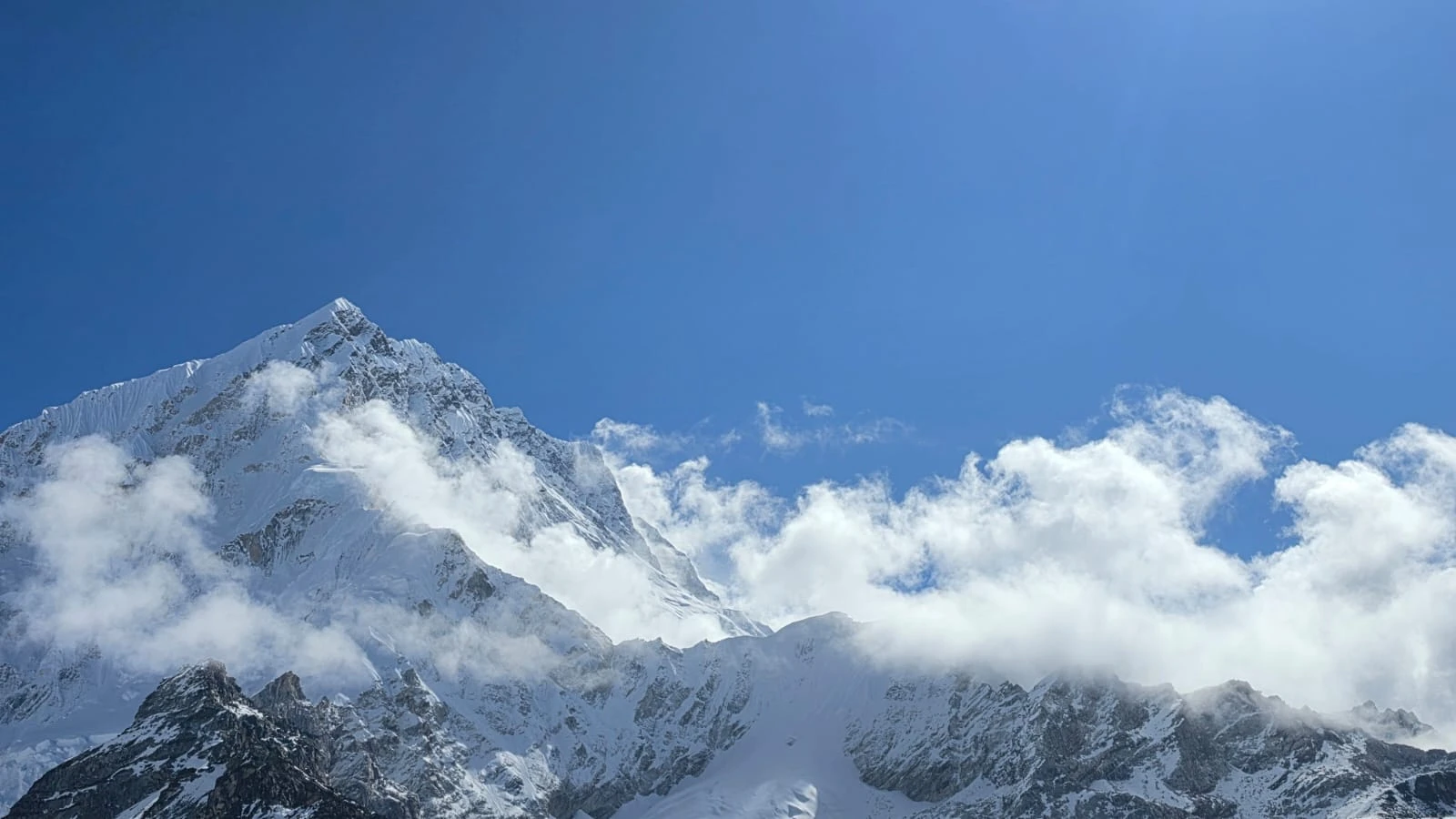
The Everest Base Camp Trek is one of Nepal’s most popular trekking routes, attracting thousands of visitors every year. The journey takes you through Sherpa villages like Namche Bazaar, Tengboche, and Dingboche, offering views of Mount Everest (8,848.86 m), the Khumbu Glacier, and surrounding Himalayan peaks.
But is Everest Base Camp Trek suitable for beginners? Although the trail has established teahouses and trekking facilities, the high altitude, changing weather, and long walking days make it physically demanding.
Beginners can complete the trek with proper preparation. Building fitness, allowing enough time for acclimatization, walking at a steady pace, and choosing a suitable itinerary are essential for a safer journey.
The Everest Base Camp Trek is achievable for first-time trekkers with proper preparation, a suitable itinerary, and enough time for acclimatization. You do not need previous trekking experience or to be an athlete, but you should have reasonable fitness, good stamina, and the determination to walk for several hours a day.
The main challenges are high altitude, long walking days, changing weather, and steep sections of the trail. During the trek, you will gradually gain elevation and reach Everest Base Camp at 5,364 m (17,598 ft). The hike to Kala Patthar, the highest point of most standard itineraries, takes you to approximately 5,545 m (18,192 ft). A well-planned itinerary of around 12–14 days allows time for gradual ascent and acclimatization.
The trail is generally well-established and follows mountain valleys, rivers, stone steps, and suspension bridges, passing through villages and traditional teahouses. However, the terrain can become more difficult on steep climbs, rocky paths, and exposed sections, especially in cold, windy, or snowy conditions. Regular walking, uphill training, and cardio exercises before your trip can help build the stamina you need.
First-time trekkers may experience fatigue, headaches, breathlessness, or other symptoms related to altitude. Walking at a steady pace, drinking enough fluids, following your guide's advice, and allowing time to acclimatize can help reduce the risks. Proper layering, warm clothing, and comfortable trekking boots are also essential for changing mountain conditions.
With realistic expectations, adequate preparation, and a responsible trekking plan, beginners can complete the Everest Base Camp Trek. The key is not walking fast but maintaining a steady pace, listening to your body, and giving yourself enough time to adjust to the altitude.
The best time for the Everest Base Camp Trek is spring (March to May) and autumn (September to November). These seasons offer generally favorable trekking conditions for beginners.
Spring (March–May)
Autumn (September–November)
Seasons to Consider Carefully
Proper preparation is essential for a safe and comfortable Everest Base Camp Trek, especially if you are trekking for the first time. Building physical fitness, preparing mentally for long walking days, and allowing enough time for acclimatization can help you manage the challenges of trekking at high altitudes.
You do not need to be an experienced hiker to trek to Everest Base Camp, but you should build your stamina and leg strength before departure. Start training at least 6–8 weeks before your trek, depending on your current fitness level.
Focus on activities such as brisk walking, hiking on uneven terrain, stair climbing, cycling, and strength exercises for your legs. Gradually increase the duration of your walks to prepare for several hours of daily trekking. If possible, practise walking uphill and downhill while carrying a light backpack.
Mental preparation is just as important as physical fitness on the Everest Base Camp Trek. You may face long walking days, basic teahouse facilities, cold temperatures, changing weather, and physical fatigue. Progress can feel slow, particularly when you are adjusting to the altitude.
Set realistic expectations, maintain a steady pace, and focus on completing one section of the trail at a time. Be flexible with your itinerary and communicate openly with your guide if you feel unwell or need additional rest. Remember that reaching Everest Base Camp safely is more important than finishing within a strict schedule.
Acclimatization allows your body to adjust gradually to lower oxygen levels at higher elevations. It is one of the most important parts of preparing for the Everest Base Camp Trek because the risk of altitude sickness increases as you ascend.
Choose an itinerary with planned acclimatization days, usually including stops in Namche Bazaar and Dingboche. Follow your guide's advice, ascend gradually, drink fluids regularly, and avoid alcohol during the trek.
Learn to recognize the symptoms of acute mountain sickness (AMS), including headaches, nausea, dizziness, and unusual fatigue. Do not continue ascending if you develop symptoms of altitude sickness. If symptoms worsen, descend and seek medical assistance. Severe altitude sickness can be life-threatening, so never ignore warning signs just to reach your destination.
Day 1 : Arrival in Kathmandu (1,350 m / 4,429 ft)
Day 2 : Drive to Ramechhap + Flight to Lukla (2,800 m / 9,186 ft) → Trek to Phakding (2,610 m / 8,563 ft, 4–5 hours)
Day 3 : Trek to Namche Bazaar (3,440 m / 11,286 ft, 5–6 hours)
Day 4 : Acclimatization Hike to Everest Viewpoint (3,780 m / 12,401 ft, 2 hours) + Namche Bazaar Exploration
Day 5 : Trek to Tengboche (3,800 m / 12,467 ft, 4–5 hours)
Day 6 : Trek to Dingboche (4,410 m / 14,468 ft, 4–5 hours)
Day 7 : Acclimatization Hike to Nagarjun Hills (5,000 m / 16,404 ft, 2 hours) + Return to Dingboche
Day 8 : Trek to Lobuche (4,910 m / 16,108 ft, 4–5 hours)
Day 9 : Trek to Everest Base Camp (5,364 m / 17,598 ft) via Gorakshep + Return to Gorakshep (5,140 m / 16,863 ft, 7–8 hours)
Day 10 : Hike to Kala Patthar (5,545 m / 18,192 ft, 2 hours) + Trek to Pheriche (4,210 m / 13,812 ft)
Day 11 : Trek back to Namche Bazaar (3,440 m / 11,286 ft, 5–6 hours)
Day 12 : Trek back to Lukla (2,800 m / 9,186 ft, 5–6 hours)
Day 13 : Flight to Ramechhap (20 minutes) + Drive to Kathmandu
Day 14 : End of Trip & Airport Transfer
Packing the right gear is essential for comfort, safety, and a successful Everest Base Camp Trek, especially for beginners. Temperatures can change quickly with altitude, so prepare for cold nights, strong winds, and possible snow.
1. Clothing and Layers
2. Trekking Equipment
3. Sleeping Essentials
4. Safety and First Aid
5. Personal Hygiene Items
6. Electronics and Accessories
7. Food and Extra Items
8. Baggage and Weight Management
Use a small daypack for essentials you need while walking and a duffel bag for your main luggage. On guided treks, porters may carry the main bag, depending on your package and the agreed weight limit. Keep valuables, documents, medication, and warm layers in your daypack.
Packing tip: Avoid carrying unnecessary items. Choose lightweight, durable gear and test your boots before the trek to reduce the risk of blisters. Your exact packing needs will depend on the season, itinerary, and whether you are trekking independently or with a guide.
Hiring a guide and porter for the Everest Base Camp Trek can make your journey safer and more comfortable, especially if you are a first-time trekker. Although the trail is popular and generally well-established, trekking at high altitudes requires careful planning, navigation, and awareness of altitude sickness.
A guide is not always necessary for experienced trekkers who are confident navigating mountain trails and managing their own itinerary. However, beginners can benefit from a guide's knowledge of the route, local culture, weather conditions, and acclimatization.
A professional guide can help maintain a suitable walking pace, arrange accommodation, and recognize possible symptoms of altitude sickness. They can also help you make informed decisions if weather conditions change or additional rest is needed.
Hiring a porter is optional, but it can make the trek easier. Porters carry your main luggage, allowing you to walk with a lighter daypack containing water, snacks, warm clothing, and personal essentials.
Carrying less weight can reduce physical strain during long walking days and steep ascents. This is particularly helpful for beginners who are still building their trekking stamina.
Our recommendation: First-time trekkers should consider hiring a guide for local support and altitude awareness, along with a porter if their budget allows. Before booking, confirm the current trekking regulations, permit requirements, and services included in your package.
Altitude sickness is one of the main health risks on the Everest Base Camp Trek. As you climb higher, lower oxygen levels can affect your body, even if you are physically fit. Beginners can reduce the risk by ascending gradually, following a well-planned itinerary, and allowing enough time for acclimatization.
Rest days in Namche Bazaar and Dingboche help your body adjust to the altitude. Drink fluids regularly, avoid alcohol, walk at a steady pace, and follow your guide's advice. A qualified trekking guide can help monitor your condition and recognize warning signs, but proper acclimatization and prompt medical attention remain essential.
Recognizing the early symptoms of acute mountain sickness (AMS) can help prevent serious complications. Common symptoms include:
If you develop symptoms of altitude sickness, do not ascend any higher. Rest and seek advice from your guide or a medical professional. If symptoms worsen or fail to improve, descend. Severe headache with confusion, difficulty walking straight, or breathlessness at rest requires urgent descent and emergency medical assistance. Oxygen or evacuation may be necessary in serious cases.
Important: Never rely on rest alone if symptoms are worsening, and do not continue ascending while unwell. With gradual acclimatization, careful monitoring, and a flexible itinerary, trekkers can better manage altitude-related risks during the Everest Base Camp Trek.
Here are 10 practical tips to help first-time trekkers prepare for the Everest Base Camp Trek.
1. Is the Everest Base Camp Trek suitable for beginners?
Yes, beginners can complete the Everest Base Camp Trek with proper physical preparation, gradual acclimatization, and a suitable itinerary. Previous trekking experience is not essential, but you should be comfortable walking for several hours a day on uneven and uphill terrain.
2. How difficult is the Everest Base Camp Trek for first-time trekkers?
The Everest Base Camp Trek is moderately difficult because of the high altitude, steep sections, long walking days, and changing weather. Beginners with reasonable fitness can complete the trek by maintaining a steady pace and allowing enough time for acclimatization.
3. How many days does a beginner need for the Everest Base Camp Trek?
Most beginners should allow around 12–14 days for the Everest Base Camp Trek from Kathmandu and back. This gives you time for acclimatization, the hike to base camp, the Kala Patthar viewpoint, and the return journey to Lukla.
4. How fit do you need to be for the Everest Base Camp Trek?
You should have good stamina and be able to walk for approximately 4–7 hours a day, depending on the route and conditions. Regular hiking, brisk walking, stair climbing, and leg-strength exercises can help prepare you for the trek.
5. What is the highest point of the Everest Base Camp Trek?
Everest Base Camp sits at approximately 5,364 m (17,598 ft). Most standard itineraries also include a hike to Kala Patthar at approximately 5,545 m (18,192 ft), which offers elevated views of Mount Everest and the surrounding peaks.
6. Can beginners get altitude sickness on the Everest Base Camp Trek?
Yes, altitude sickness can affect both beginners and experienced trekkers. Common symptoms include headaches, nausea, dizziness, and unusual fatigue. Ascend gradually, follow your acclimatization schedule, and never continue ascending when experiencing symptoms. Worsening symptoms require prompt medical attention and may require descent.
7. What is the best time for beginners to trek to Everest Base Camp?
Spring (March to May) and autumn (September to November) are generally the best seasons for the Everest Base Camp Trek. These months often offer favorable trekking conditions and good mountain views, although weather can change quickly at higher elevations.
8. Do beginners need a guide for the Everest Base Camp Trek?
Hiring a guide is highly recommended for beginners. A professional guide can help with route planning, accommodation, local information, and recognizing possible altitude sickness symptoms. Check current trekking regulations and permit requirements before departure.
9. Is a porter necessary for the Everest Base Camp Trek?
No, hiring a porter is optional. However, a porter can carry your main luggage, allowing you to walk with a lighter daypack. This can make long walking days and steep uphill sections more manageable for first-time trekkers.
10. How much does the Everest Base Camp Trek cost for beginners?
The cost depends on your itinerary, trekking season, accommodation, meals, permits, flights, and guide or porter services. Before booking, confirm whether the package includes Lukla flights, airport transfers, meals, accommodation, permits, and emergency support.
11. What should beginners pack for the Everest Base Camp Trek?
Pack layered clothing, a warm down jacket, waterproof outerwear, trekking boots, gloves, a warm hat, a suitable sleeping bag, trekking poles, a headlamp, sunscreen, and a first-aid kit. Carry personal medication, water purification supplies, and important documents in your daypack.
12. Are there teahouses along the Everest Base Camp Trek?
Yes, teahouses are available in major settlements along the route, including Phakding, Namche Bazaar, Tengboche, Dingboche, and Lobuche. They generally provide meals and basic accommodation, although facilities become more limited at higher elevations. Rooms may also be harder to find during busy trekking seasons.
13. How many hours do beginners walk each day on the Everest Base Camp Trek?
Most trekking days involve approximately 4–7 hours of walking, depending on the route, altitude, weather, and individual fitness. Some days are longer, particularly the journey to Everest Base Camp and back to Gorakshep. Acclimatization days usually involve shorter hikes and time to rest.
14. Can beginners trek to Everest Base Camp independently?
Some trekkers organize their own journeys, but beginners should carefully consider navigation, accommodation, altitude risks, and local regulations. Hiring a guide or joining an organized trek can simplify logistics and provide additional support in the mountains.
15. Is the Everest Base Camp Trek safe for solo beginners?
Solo beginners should plan carefully because altitude sickness, bad weather, injuries, and flight delays can create difficulties in remote mountain areas. Consider trekking with a qualified guide or organized group, sharing your itinerary, and obtaining travel insurance that covers high-altitude trekking and emergency evacuation.
16. What happens if you develop altitude sickness during the trek?
Stop ascending and inform your guide or trekking companions immediately if you develop symptoms of altitude sickness. Do not climb higher until the symptoms have resolved and you have been appropriately assessed. Worsening symptoms, confusion, difficulty walking straight, or breathlessness at rest require urgent descent and emergency medical assistance.
17. Is travel insurance necessary for the Everest Base Camp Trek?
Travel insurance is strongly recommended. Choose a policy that explicitly covers trekking at your planned maximum altitude, emergency helicopter evacuation, and medical treatment. Check the policy exclusions and coverage limits before purchasing it.
18. What accommodation can beginners expect on the Everest Base Camp Trek?
Most trekkers stay in local teahouses along the route. Rooms are generally simple, with shared bathrooms common at higher elevations. Heating, hot showers, charging facilities, and internet access may be limited or cost extra, depending on the location and teahouse.
19. Can beginners reach Everest Base Camp without climbing Mount Everest?
Yes. The Everest Base Camp Trek is a trekking journey, not a technical climbing expedition. You walk to base camp at approximately 5,364 m (17,598 ft) without climbing Mount Everest itself. However, the high altitude and demanding terrain still require careful preparation.
20. How far in advance should beginners prepare for the Everest Base Camp Trek?
Start preparing around 6–8 weeks before departure, depending on your current fitness level. Build stamina through regular walking, hiking, stair climbing, and strength training. Break in your trekking boots, practise with a daypack, and choose an itinerary that includes adequate acclimatization time.