
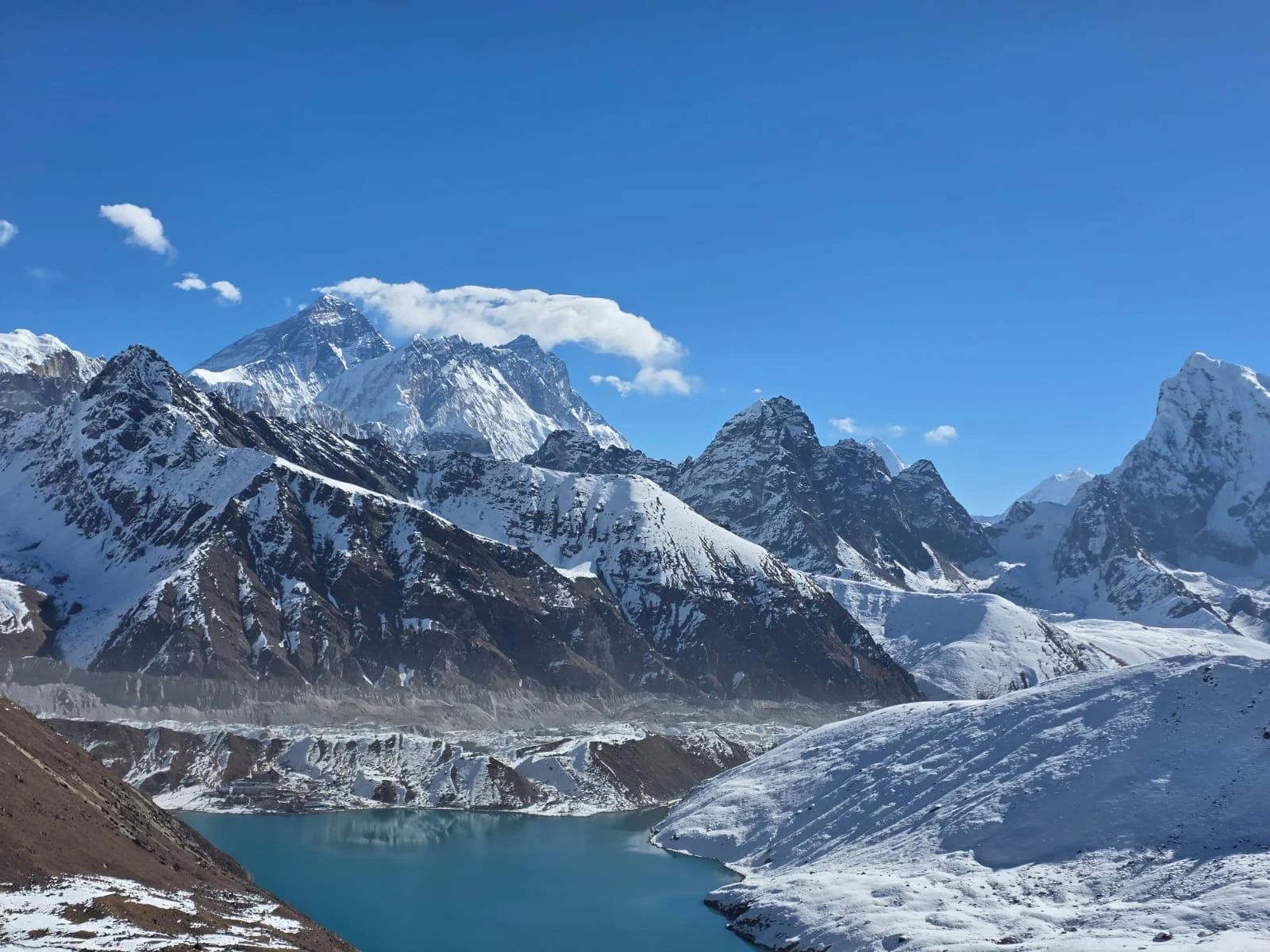
The Everest Base Camp (EBC) and Annapurna Base Camp (ABC) treks are two of the most famous trekking adventures in Nepal and the world. The Everest Base Camp Trek takes you close to the foot of Mount Everest (8,848 m), the tallest mountain on Earth. Meanwhile, the Annapurna Base Camp Trek leads you into the heart of the Annapurna Sanctuary, surrounded by dramatic Himalayan peaks.
Both treks are incredibly rewarding, but they offer very different experiences. That’s why many trekkers often compare EBC vs ABC before making a final decision. This guide breaks down the key differences to help you choose the right adventure.
The Everest Base Camp Trek and Annapurna Base Camp Trek are two of Nepal’s most popular trekking adventures. Here is a quick comparison:
| Feature | Everest Base Camp (EBC) | Annapurna Base Camp (ABC) |
|---|---|---|
| Location | Eastern Nepal (Khumbu region) | Central Nepal (Annapurna region) |
| Max Altitude | 5,364 m | 4,130 m |
| Duration | 12–14 days | 7–10 days |
| Difficulty | Challenging | Moderate |
| Daily Walk | 5–7 hours | 4–6 hours |
| Altitude Risk | High | Low to moderate |
| Trail Type | Rocky, alpine, glacier valleys | Forests, villages, riverside trails |
| Highlight | Mount Everest close view | Annapurna mountain amphitheater |
Summary: EBC is longer and more challenging, while ABC is shorter, easier, and more diverse in landscapes.
The Everest Base Camp trek is located in eastern Nepal, inside the Khumbu region, while the Annapurna Base Camp trek lies in central Nepal, within the Annapurna region.
Because of this geographical difference, the scenery and trekking style vary greatly. EBC is more remote and rugged, with dramatic high-altitude landscapes, glaciers, and icy valleys. The trail follows ancient trade routes used by the Sherpa people and offers a deep cultural experience in the Himalayas.
ABC, on the other hand, feels greener and more diverse. The trail passes through terraced farmlands, dense rhododendron forests, waterfalls, and traditional Gurung villages. The scenery changes frequently, making the journey visually dynamic and refreshing.
Both treks are beautiful in their own way—EBC feels more extreme and adventurous, while ABC feels more relaxed and naturally diverse.
When it comes to difficulty, the Everest Base Camp trek is significantly more challenging.
The biggest challenge is altitude. Trekkers reach heights above 5,300 meters, where oxygen levels are much lower. This requires proper acclimatization days to avoid altitude sickness. The air becomes thinner as you go higher, and even simple walking can feel more tiring.
The trek also involves longer walking days, usually around 5–7 hours daily. The terrain is rocky, steep in places, and weather conditions can become harsh, especially in higher villages like Dingboche and Lobuche.
In comparison, the Annapurna Base Camp trek is considered moderate and much more beginner-friendly. The highest point is around 4,130 meters, which makes altitude sickness less of a concern for most trekkers.
Daily walking hours are shorter, usually 4–6 hours, and the trail is more comfortable with gradual ascents and descents. You walk through forests, riversides, and charming villages, which makes the journey easier and more enjoyable for first-time trekkers.
In short, EBC is ideal for experienced trekkers seeking a challenge, while ABC is perfect for beginners or those looking for a balanced Himalayan adventure.
The best time to trek both Everest Base Camp and Annapurna Base Camp is during spring (March to May) and autumn (late September to November).
Spring is a beautiful season with mild temperatures and clear skies. In the Annapurna region, rhododendron forests bloom in full color, adding extra beauty to the trail.
Autumn is the most popular trekking season. After the monsoon rains, the skies are clean, the weather is stable, and mountain views are at their sharpest. This is the best time for photography and overall trekking experience.
Winter (December to February) is possible but very cold, especially in the Everest region. Heavy snow can make higher sections more difficult.
Monsoon season (June to August) is generally not recommended due to heavy rainfall, landslides in some areas, and poor visibility of mountains.
For the safest and most enjoyable experience, spring and autumn remain the top choices.
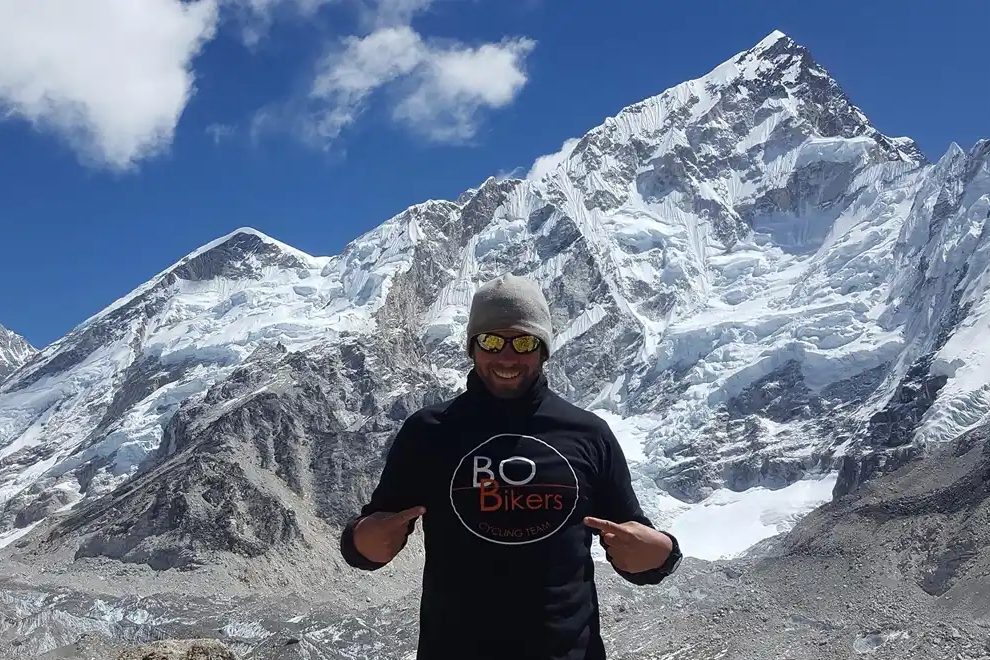
The Everest region is protected by the Sagarmatha National Park, a high-altitude ecosystem known for its rare wildlife and stunning landscapes.
Here, you may encounter Himalayan tahr, musk deer, and various species of birds adapted to extreme cold conditions. Although extremely rare, snow leopards also live in this region.
Vegetation is limited due to altitude but includes alpine shrubs, juniper bushes, rhododendron patches, and hardy mountain grasses.
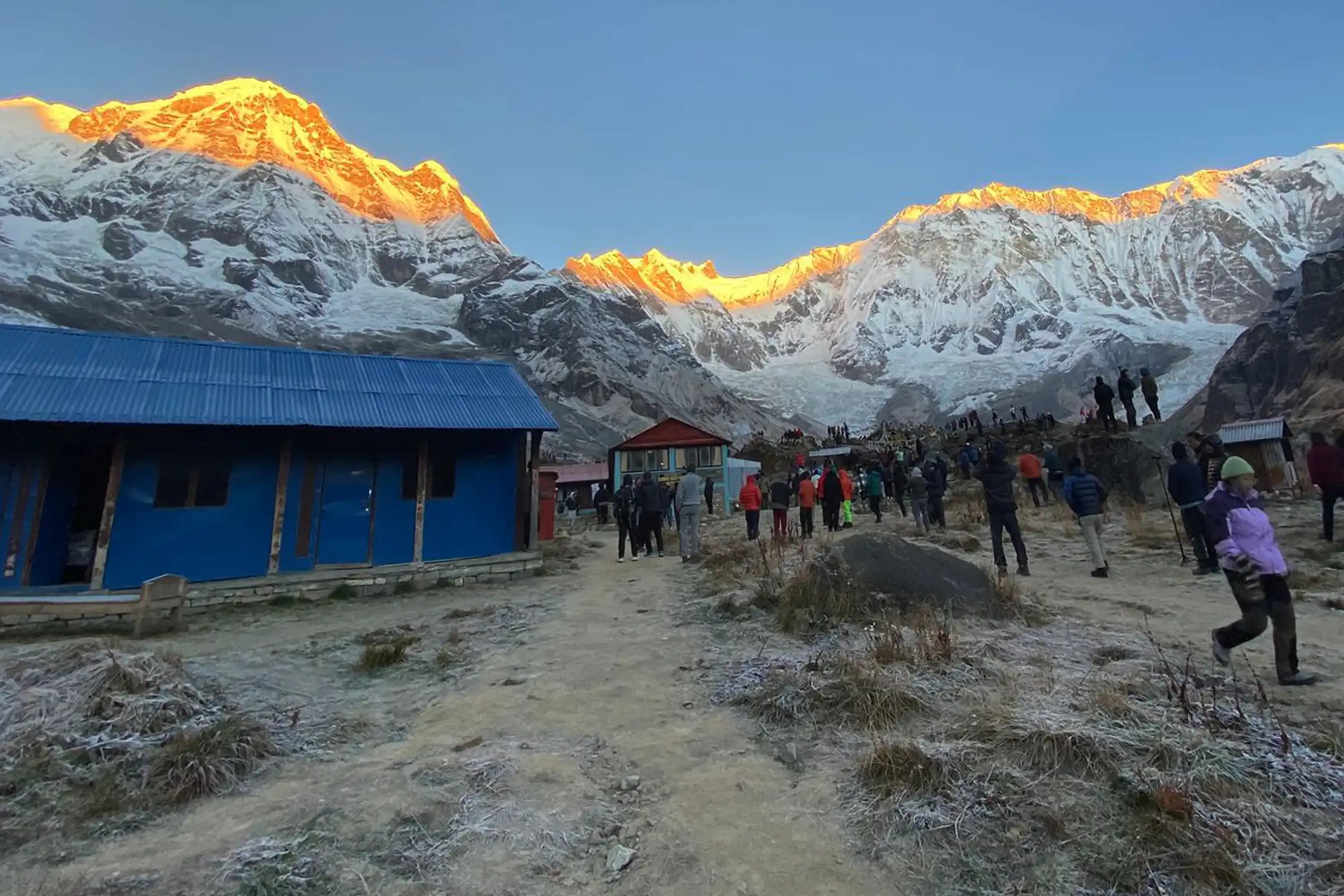
The Annapurna Base Camp trek lies within the Annapurna Conservation Area, which is famous for its rich biodiversity.
Unlike Everest, the Annapurna region offers multiple climate zones—from subtropical forests to alpine environments. This creates a wide variety of wildlife and plant life.
Trekkers may see langur monkeys, Himalayan black bears, colorful pheasants, and many species of butterflies and birds. The forests are filled with rhododendrons, bamboo, orchids, and medicinal herbs.
Because of this variety, many trekkers find the Annapurna region more naturally diverse compared to Everest.
Both the Everest Base Camp and Annapurna Base Camp trekking routes are popular and can get busy during peak trekking seasons, especially in spring (March to May) and autumn (September to November).
During these months, teahouses and lodges along the trails often fill up quickly, making advance booking or traveling with a trekking agency highly recommended. Without prior arrangements, finding accommodation can be challenging due to high demand.
The Everest Base Camp trail generally experiences heavier foot traffic in the spring season compared to Annapurna Base Camp. However, both routes attract a large number of trekkers from around the world, especially in autumn when weather conditions are stable and mountain views are at their best.
In contrast, winter and monsoon (summer) seasons see fewer trekkers on both routes, offering a quieter but more challenging trekking experience due to colder temperatures or weather conditions.
Both the Everest Base Camp (EBC) and Annapurna Base Camp (ABC) treks are generally considered safe trekking routes in Nepal. While it is possible to complete either trek independently without a guide, we strongly recommend guided trekking for better safety, convenience, and overall experience.
For a clearer idea of what to prepare, you can refer to the Everest Base Camp packing list and the Annapurna Base Camp packing list. Proper preparation and the right gear can make your journey much safer and more comfortable.
Having a guide or support team ensures you are looked after throughout the trek. In addition, carrying quality equipment and trekking with a porter for your heavy luggage can significantly reduce physical strain and improve your overall experience.
Choosing between the Annapurna Base Camp Trek and the Everest Base Camp Trek depends on your time, fitness level, and what kind of experience you want in the Himalayas.
Go with Annapurna Base Camp if:
Go with Everest Base Camp if:
The Everest Base Camp Trek is generally more challenging than the Annapurna Base Camp Trek due to its higher altitude, longer duration, and more demanding terrain. EBC reaches 5,364 meters, while ABC reaches 4,130 meters.
The Annapurna Base Camp Trek is usually considered better for beginners. It involves lower altitude, shorter trekking days, and a more gradual ascent while still offering spectacular Himalayan views.
Yes, altitude sickness can occur on both treks, but the risk is higher on the Everest Base Camp Trek because of its greater elevation. Proper acclimatization, hydration, and a steady pace are essential on both routes.
A typical Everest Base Camp Trek takes around 12–14 days, while the Annapurna Base Camp Trek usually requires 7–10 days, depending on the itinerary and trekking pace.
Both treks provide incredible mountain scenery. Everest Base Camp offers close-up views of Mount Everest and other famous Himalayan peaks, while Annapurna Base Camp provides a stunning 360-degree panorama of the Annapurna massif, including Annapurna I, Machhapuchhre, and Hiunchuli.
The Everest Base Camp Trek is generally more expensive because it requires a flight to and from Lukla, while the Annapurna Base Camp Trek can be accessed by road. Accommodation, food, and transportation costs are typically lower in the Annapurna region.
Spring (March to May) and autumn (September to November) are the best seasons for both treks. These months offer stable weather, clear skies, and excellent mountain views.
While experienced trekkers may complete these treks independently, hiring a guide is highly recommended. A guide enhances safety, assists with navigation, provides local insights, and helps manage altitude-related issues.
Both treks offer rich cultural experiences. The Everest region is known for its Sherpa culture, ancient monasteries, and Buddhist heritage, while the Annapurna region showcases traditional Gurung and Magar villages with diverse local traditions.
Yes, both treks can be completed with family members who are physically fit and adequately prepared. However, Annapurna Base Camp is generally considered more family-friendly because of its lower altitude and shorter trekking duration.