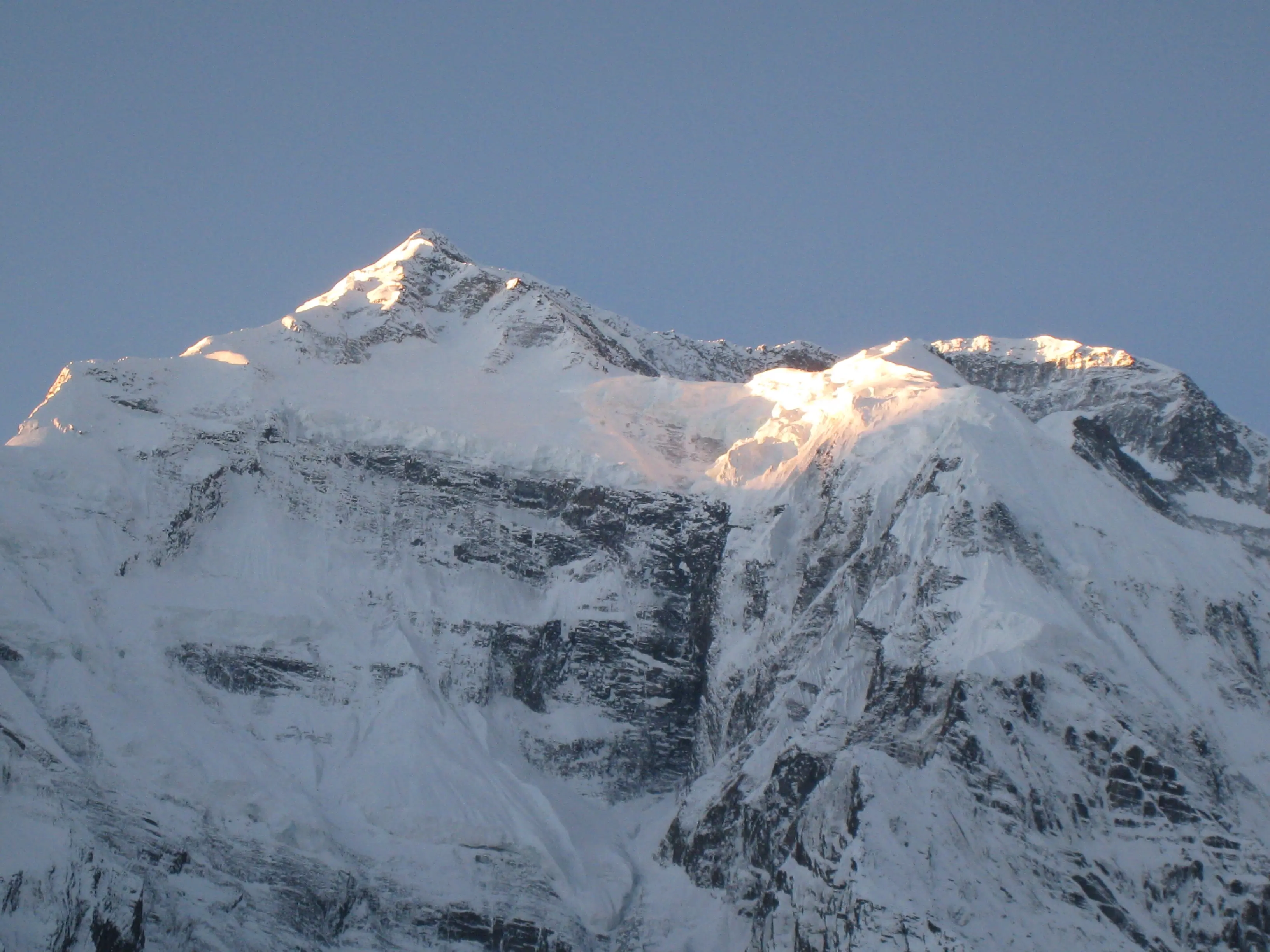
The Annapurna Circuit Trek is one of Nepal’s popular Himalayan trekking routes, known for its diverse landscapes, traditional villages, and the famous Thorong La Pass at 5,416 meters. This FAQ guide answers common questions about the Annapurna Circuit, including the route, difficulty, best seasons, permits, accommodation, costs, altitude, and preparation.
1. What is the Annapurna Circuit Trek?
The Annapurna Circuit Trek is a popular trekking route in Nepal that circles the Annapurna mountain range. The trek passes through villages, forests, valleys, high mountain landscapes, and the famous Thorong La Pass.
2. How long does the Annapurna Circuit Trek take?
The Annapurna Circuit Trek usually takes around 10 to 16 days, depending on the starting point, ending point, road conditions, acclimatization days, and itinerary.
3. Where is the Annapurna Circuit Trek located?
The Annapurna Circuit Trek is located in central Nepal and passes through the Annapurna region of the Himalayas.
4. What is the highest point of the Annapurna Circuit Trek?
The highest point of the Annapurna Circuit Trek is Thorong La Pass at approximately 5,416 meters (17,769 feet).
5. Is Annapurna Circuit Trek difficult?
The Annapurna Circuit Trek is generally considered a moderate to challenging trek because of the long walking days, changing terrain, and crossing Thorong La Pass.
6. Is Annapurna Circuit Trek suitable for beginners?
Yes, beginners with good fitness can complete the Annapurna Circuit Trek with proper preparation, a suitable itinerary, and gradual acclimatization.
7. Do I need previous trekking experience for Annapurna Circuit?
Previous trekking experience is helpful but not essential. Regular walking and basic physical preparation can help beginners manage the trek.
8. How many kilometers is the Annapurna Circuit Trek?
The walking distance varies according to the itinerary and road sections, but a classic Annapurna Circuit route can cover roughly 160–230 kilometers.
9. What mountains can I see during Annapurna Circuit Trek?
The trek offers views of Annapurna I, Annapurna II, Annapurna III, Annapurna IV, Gangapurna, Dhaulagiri, Manaslu, Tilicho Peak, and other Himalayan peaks.
10. What makes Annapurna Circuit Trek popular?
The Annapurna Circuit is popular because it combines mountain views, diverse landscapes, traditional villages, different cultures, hot springs, and the crossing of Thorong La Pass.
11. Where does the Annapurna Circuit Trek start?
The starting point depends on the itinerary. Many modern itineraries begin around Dharapani or Chame after a drive from Kathmandu or another road-accessible location.
12. Where does the Annapurna Circuit Trek end?
The trek commonly ends around Muktinath, Jomsom, Tatopani, or Pokhara, depending on the itinerary and transportation arrangements.
13. What is the classic Annapurna Circuit route?
A classic route passes through areas such as Dharapani, Chame, Pisang, Manang, Yak Kharka, Thorong Phedi, Thorong La Pass, Muktinath, and the Kali Gandaki Valley.
14. Can I start the Annapurna Circuit from Besisahar?
Yes. Besisahar was traditionally a common starting point, although many trekkers now use road transportation to start farther along the route.
15. Can I skip the road section of Annapurna Circuit?
Some road sections can be avoided by taking alternative walking trails, but the exact options depend on the current trail and road conditions.
16. Does Annapurna Circuit have a road?
Yes, roads have been constructed along significant sections of the Annapurna Circuit. Trekkers can still find walking trails away from many road sections.
17. Can I do Annapurna Circuit without walking the entire route?
Yes. Many trekkers combine walking with local transportation to shorten the itinerary.
18. Can I combine Annapurna Circuit with Tilicho Lake?
Yes. Tilicho Lake can be added to the Annapurna Circuit as a side trip if you have enough time and a suitable itinerary.
19. Can I combine Annapurna Circuit with Annapurna Base Camp?
Yes. The two treks can be combined, although doing so requires additional days and physical preparation.
20. Can I combine Annapurna Circuit with Poon Hill?
Yes. Poon Hill can be added to some extended Annapurna itineraries, depending on the route and available time.
21. What is Thorong La Pass?
Thorong La is a high mountain pass on the Annapurna Circuit connecting the Manang and Mustang areas.
22. How high is Thorong La Pass?
Thorong La Pass is approximately 5,416 meters (17,769 feet) above sea level.
23. Is Thorong La Pass difficult to cross?
Crossing Thorong La can be physically demanding because of the altitude, cold weather, long walking hours, and uphill and downhill sections.
24. How long does it take to cross Thorong La Pass?
The crossing generally takes several hours, depending on weather, fitness, trail conditions, and your starting point.
25. What time should I start crossing Thorong La Pass?
Trekkers usually start early in the morning to cross the pass before weather conditions become less favorable later in the day.
26. Is Thorong La Pass dangerous?
Thorong La requires careful preparation because of its high elevation and changing mountain weather. Proper acclimatization and following local guide advice are important.
27. Can beginners cross Thorong La Pass?
Yes, many first-time trekkers cross Thorong La successfully with proper preparation, acclimatization, and a sensible walking pace.
28. Do I need a guide to cross Thorong La?
A guide is highly useful for navigation, weather decisions, altitude awareness, and handling unexpected situations.
29. Is Thorong La open all year?
Access can be affected by snow, weather, and trail conditions, particularly during winter. Conditions should be checked before starting the trek.
30. What happens if Thorong La Pass is closed?
If the pass becomes inaccessible because of snow or unsafe conditions, the trekking agency or guide can adjust the route according to local conditions.
31. What is the best time for Annapurna Circuit Trek?
The main trekking seasons are spring and autumn. March to May and September to November generally offer favorable trekking conditions.
32. Is April good for Annapurna Circuit Trek?
Yes. April is one of the popular months for trekking in the Annapurna region, with generally good visibility and spring landscapes.
33. Is May good for Annapurna Circuit Trek?
Yes. May can be a good month, especially earlier in the month, although weather conditions can change toward the monsoon period.
34. Is September good for Annapurna Circuit Trek?
Yes. September marks the beginning of the autumn trekking season, although early September can still receive some rain.
35. Is October good for Annapurna Circuit Trek?
Yes. October is one of the popular months because of generally stable weather and good mountain visibility.
36. Is November good for Annapurna Circuit Trek?
Yes. November is another popular trekking month, with cooler temperatures and generally clear mountain views.
37. Can I do Annapurna Circuit in winter?
Yes, but winter trekking requires more preparation because temperatures can be very cold and snow may affect high passes.
38. Can I do Annapurna Circuit during the monsoon?
Some sections can be trekked during the monsoon, but rain, clouds, landslides, and slippery trails can make the experience more difficult.
39. Which month has the best mountain views on Annapurna Circuit?
October and November are commonly chosen for clear mountain views, although visibility depends on daily weather conditions.
40. Which season is best for beginners on Annapurna Circuit?
Spring and autumn are generally easier seasons for beginners because weather and trail conditions are often more favorable.
For more information on the best time to trek, check out our detailed article on the best time for Annapurna Circuit Trek.
41. Do I need acclimatization days on Annapurna Circuit?
Yes. Acclimatization is important because the route reaches more than 5,000 meters at Thorong La Pass.
42. Where is the main acclimatization stop on Annapurna Circuit?
Manang is the main acclimatization stop on many Annapurna Circuit itineraries.
43. How many nights should I stay in Manang?
Many itineraries include one additional night in Manang for acclimatization, although the exact schedule depends on the trekker and itinerary.
44. What should I do during acclimatization in Manang?
You can take a short hike to higher elevations, explore the village, visit viewpoints, or simply rest and allow your body to adjust.
45. What is altitude sickness?
Altitude sickness is a condition that can occur when the body does not adjust properly to reduced oxygen at higher elevations.
46. What are the symptoms of altitude sickness?
Common symptoms can include headache, nausea, dizziness, tiredness, and difficulty sleeping.
47. How can I reduce the risk of altitude sickness?
Walk gradually, stay hydrated, avoid excessive alcohol, get adequate rest, and follow your guide's acclimatization advice.
48. Can I get altitude sickness on Annapurna Circuit?
Yes. Because the trek reaches high elevations, altitude sickness is possible even for physically fit trekkers.
49. What should I do if I develop altitude sickness?
Tell your guide immediately. Depending on the severity, you may need rest, medical assessment, or descent to a lower elevation.
50. Is Diamox necessary for Annapurna Circuit?
Diamox is a medication that some trekkers use for altitude-related prevention, but whether you should take it should be discussed with a qualified medical professional before the trek.
51. How fit do I need to be for Annapurna Circuit?
You should have enough fitness to walk several hours a day on uneven and sometimes steep terrain.
52. How should I train for Annapurna Circuit Trek?
Regular walking, hiking, stair climbing, cycling, and cardiovascular exercise can help prepare your body for the trek.
53. How many hours do I walk each day?
Most trekking days involve around 5 to 8 hours of walking, although the exact duration varies by route and altitude.
54. How many hours is the Thorong La Pass day?
The pass-crossing day can involve several hours of walking, often making it one of the longer and more demanding days of the trek.
55. Can I do Annapurna Circuit if I do not exercise regularly?
It is better to build your fitness before starting. A gradual training routine can make long walking days easier to manage.
56. Can children do Annapurna Circuit Trek?
Older children with suitable fitness and preparation may be able to complete the trek, but the itinerary should be planned according to their age and ability.
57. Can older people do Annapurna Circuit Trek?
Age alone does not determine whether someone can trek the Annapurna Circuit. Fitness, previous experience, medical considerations, and acclimatization are more relevant.
58. Can I do Annapurna Circuit solo?
Independent trekking may be possible in some circumstances, but local regulations and permit requirements should be checked before departure.
59. Is a porter necessary for Annapurna Circuit?
A porter is not always necessary, but carrying less weight can make long walking days more comfortable.
60. Can I hire a guide and porter in Nepal?
Yes. Trekking agencies can arrange licensed guides and porters for the Annapurna Circuit.
61. What permits do I need for Annapurna Circuit Trek?
Trekkers generally need the Annapurna Conservation Area Permit (ACAP) and the required trekking registration/TIMS documentation.
62. How much does the Annapurna Conservation Area Permit cost?
Permit fees can change, so trekkers should confirm the current fee with the official authority or their trekking agency before departure.
63. Do I need TIMS for Annapurna Circuit?
TIMS requirements can change based on current regulations and trekking arrangements, so confirm the latest requirement before your trek.
64. Can I get Annapurna permits in Kathmandu?
Yes, permits can generally be arranged in Kathmandu through the appropriate authorities or a registered trekking agency.
65. Can my trekking agency arrange my permits?
Yes. A registered trekking agency can usually arrange the required permits and documentation on your behalf.
66. Do children need trekking permits?
Permit requirements can depend on current regulations and the trekker's age, so check the latest rules before traveling.
67. Do I need a passport copy for Annapurna permits?
A passport and relevant personal information are normally required when processing trekking permits.
68. Can I trek Annapurna Circuit without a permit?
No. Trekkers must follow the applicable conservation area and trekking registration requirements.
69. Where do I stay during Annapurna Circuit Trek?
Most trekkers stay in local tea houses and lodges along the route.
70. What is a tea house on Annapurna Circuit?
A tea house is a simple mountain lodge offering accommodation and meals to trekkers.
71. Are tea houses available throughout Annapurna Circuit?
Tea houses are available along the main trekking route, although facilities become more basic at higher elevations.
72. Do tea houses have private rooms?
Some tea houses offer private rooms, but availability varies by location and trekking season.
73. Do tea houses have electricity?
Many tea houses have electricity, but charging facilities can be limited or may involve an additional fee.
74. Is Wi-Fi available on Annapurna Circuit?
Wi-Fi is available at some lodges, although the connection can be slow or unreliable in remote areas.
75. Can I charge my phone during the trek?
Yes, charging is available at many lodges, but carrying a power bank is recommended.
76. Do tea houses have hot showers?
Many tea houses offer hot showers, usually for an additional charge, but facilities vary by location.
77. Should I bring a sleeping bag?
A sleeping bag is recommended, especially during colder months and at higher elevations.
78. Do I need to book tea houses in advance?
During busy trekking seasons, booking ahead can be useful, especially for larger groups.
79. What food is available on Annapurna Circuit?
Tea houses serve common Nepali and trekking meals such as dal bhat, noodles, rice, pasta, soup, eggs, bread, and momos.
80. Can I get vegetarian food on Annapurna Circuit?
Yes. Vegetarian meals are widely available along the main trekking route.
81. Can I get vegan food on Annapurna Circuit?
Vegan meals may be available, but options become more limited at higher elevations. Inform your guide or lodge in advance.
82. Can I get meat on Annapurna Circuit?
Meat dishes are available in many lower-elevation lodges, but availability may decrease at higher elevations.
83. Is drinking water available during Annapurna Circuit?
Yes. Water can be purchased or refilled at tea houses and local water stations along the route.
84. Can I drink tap water on Annapurna Circuit?
Untreated tap or natural water should not be assumed safe. Trekkers should use appropriate purification methods or bottled/treated water.
85. Should I carry water purification tablets?
Yes. Water purification tablets or a reliable filtration system can be useful during the trek.
86. What should I pack for Annapurna Circuit Trek?
Pack layered clothing, trekking boots, warm clothing, rain protection, a sleeping bag, water bottle, personal medication, sunscreen, and other essential trekking gear.
87. Do I need trekking boots for Annapurna Circuit?
Yes. Comfortable, broken-in trekking boots with good grip are recommended.
88. Do I need a down jacket?
A warm down jacket is highly recommended, particularly for higher elevations and cold mornings.
89. Do I need trekking poles?
Trekking poles are optional but can provide useful support on steep ascents and descents.
90. Do I need rain gear for Annapurna Circuit?
Yes. A waterproof jacket and backpack rain cover are useful because mountain weather can change quickly.
91. How much luggage can I take on Annapurna Circuit?
The practical amount depends on your trekking arrangement. If using a porter, agencies commonly set a weight limit for the main duffel bag.
92. Can I leave extra luggage in Kathmandu?
Yes. Many hotels and trekking agencies provide luggage storage for items you do not need during the trek.
93. How much does Annapurna Circuit Trek cost?
The cost depends on the itinerary, accommodation, transportation, permits, guide, porter, meals, and services included in your package.
94. Is Annapurna Circuit Trek expensive?
The trek can be completed on different budgets. Independent trekking can reduce some costs, while a fully organized private trek provides more services.
95. What does an Annapurna Circuit Trek package usually include?
Packages commonly include transportation, accommodation, guide, permits, and some meals, depending on the trekking company.
96. What is usually excluded from an Annapurna Circuit package?
International flights, travel insurance, personal expenses, drinks, tips, and some meals or transportation may be excluded.
97. How much money should I carry on Annapurna Circuit?
Carry enough Nepalese rupees for meals, charging, showers, snacks, Wi-Fi, drinks, tips, and other personal expenses.
98. Are ATMs available on Annapurna Circuit?
ATMs are available in some larger settlements, but access becomes limited in remote areas. Carrying sufficient cash is recommended.
99. Can I use a credit card on Annapurna Circuit?
Some hotels and businesses may accept cards, but cash is still the most practical payment method in many trekking villages.
100. Do I need to tip my guide and porter?
Tipping is customary in Nepal's trekking industry. The amount is generally based on service quality, trek duration, and group arrangements.
101. Is Annapurna Circuit Trek safe?
The trek is commonly completed by trekkers from around the world, but mountain weather, altitude, terrain, and road conditions require proper preparation.
102. Is there mobile phone coverage on Annapurna Circuit?
Mobile coverage is available in many areas but can be limited or inconsistent in remote sections.
103. Is there internet access on Annapurna Circuit?
Internet access is available in some villages, but connection quality varies and should not be relied upon throughout the trek.
104. What happens if I get sick during Annapurna Circuit?
Tell your guide immediately. Depending on the situation, the group can arrange rest, medical assistance, or descent to a lower elevation.
105. Do I need travel insurance for Annapurna Circuit?
Yes. Comprehensive travel insurance that covers trekking at the maximum altitude of your itinerary and emergency evacuation is strongly recommended.
106. Is helicopter evacuation available on Annapurna Circuit?
Helicopter evacuation may be possible in emergencies, depending on weather, location, availability, and insurance coverage.
107. Can I trek Annapurna Circuit during snowfall?
Snowfall can occur at higher elevations, particularly in winter. Trekking during heavy snowfall requires careful assessment of trail and weather conditions.
108. Can I do Annapurna Circuit during heavy rain?
Heavy rain can affect trails and roads, so trekking plans may need to change according to local conditions.
109. What should I do if the weather changes suddenly?
Follow your guide's instructions, stay with your group, use appropriate clothing, and avoid continuing into unsafe conditions.
110. How can I book Annapurna Circuit Trek?
You can book the Annapurna Circuit Trek with A One Trek by choosing your travel dates, itinerary, group size, and preferred services. Contact A One Trek for availability, cost, and trek arrangements.

The Annapurna Circuit Trek offers a varied Himalayan experience with mountain scenery, local culture, and the challenging crossing of Thorong La Pass. With proper preparation, a suitable itinerary, and the right trekking support, you can plan your journey with greater confidence. For itinerary details, trekking packages, and assistance with your Annapurna Circuit adventure, visit A One Trek.