
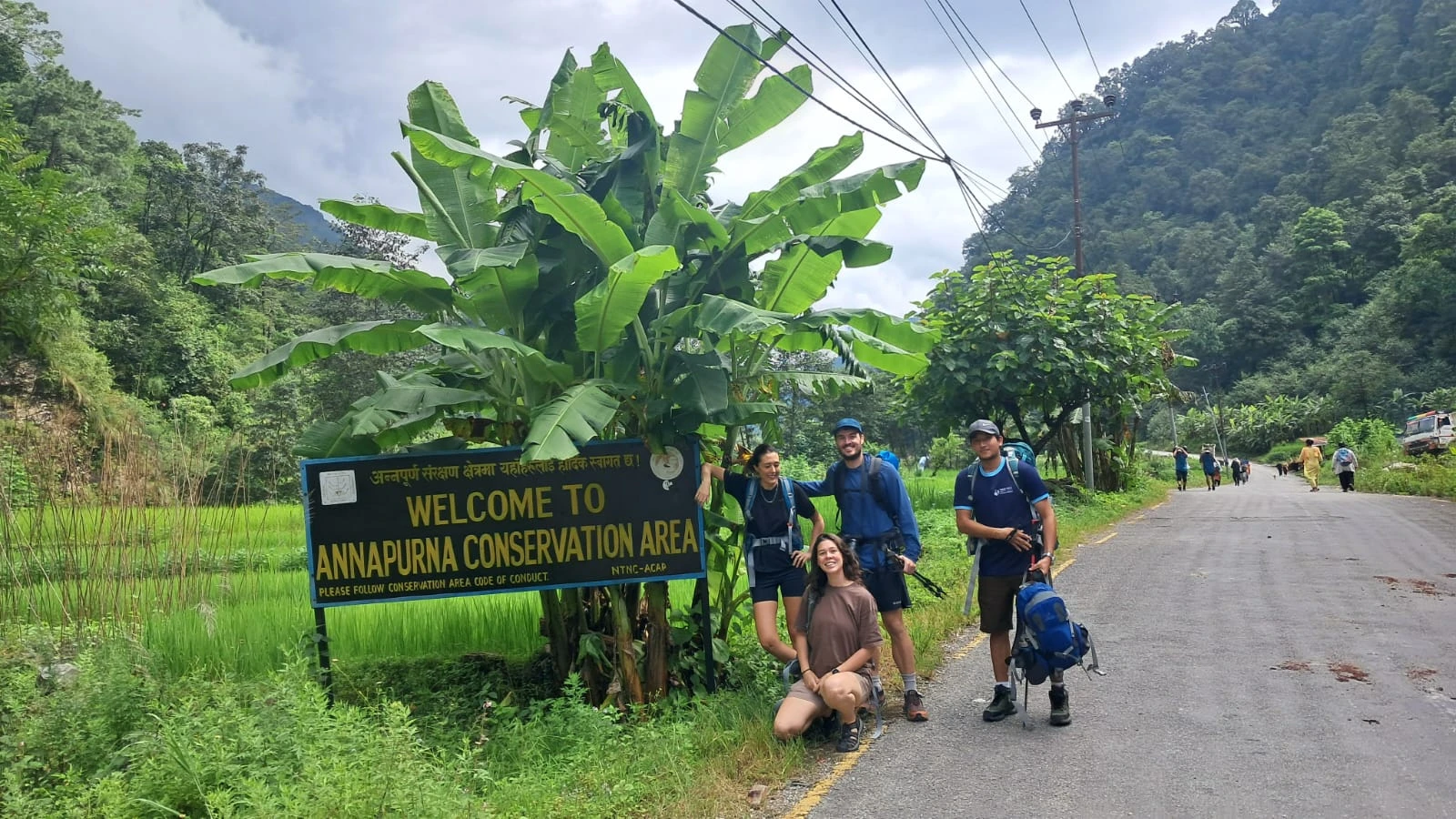
Imagine walking along a peaceful mountain trail, surrounded by towering Himalayan peaks, green forests, traditional villages, and the sound of rivers flowing through deep valleys. As the morning sunlight touches the snow-covered mountains, the landscape slowly reveals its extraordinary beauty. This is the experience that makes the Annapurna Conservation Area one of Nepal’s most remarkable natural destinations.
Located in the north-central part of Nepal, the Annapurna Conservation Area (ACA) is a spectacular combination of natural beauty, rich biodiversity, mountain culture, and unforgettable adventure. From lush subtropical forests and terraced farmland to high-altitude deserts and glaciers, the region offers an incredible variety of landscapes within a single protected area.
Covering approximately 7,629 square kilometers, Annapurna Conservation Area is Nepal’s largest conservation area. It extends across five districts: Kaski, Lamjung, Manang, Mustang, and Myagdi. The region is home to famous Himalayan peaks, including Annapurna I, Machhapuchhre, Dhaulagiri, and several other impressive mountains.
However, Annapurna is much more than a destination for mountain lovers. It is also a living home to diverse communities, ancient traditions, religious landmarks, rare wildlife, and fragile ecosystems. Its importance lies not only in attracting travelers but also in protecting the natural environment and supporting the people who have lived here for generations.
Whether you are interested in trekking, wildlife, photography, traditional villages, or peaceful mountain experiences, Annapurna Conservation Area offers something meaningful for every visitor.
The story of Annapurna Conservation Area is closely connected with Nepal’s efforts to protect its natural resources while improving the livelihoods of local communities.
The Annapurna Conservation Area Project (ACAP) was initiated in 1986 by the National Trust for Nature Conservation (NTNC), beginning as a pilot conservation initiative in Ghandruk village. The project introduced a community-based approach that recognized an important idea: conservation becomes more effective when local people participate in protecting their own environment.
In 1992, the Government of Nepal officially designated the Annapurna region as a conservation area.
Unlike a traditional protected area where local activities may be heavily restricted, the Annapurna conservation model emphasizes cooperation between conservation organizations, residents, and visitors. It combines biodiversity protection, environmental education, sustainable tourism, and community development.
Over the years, this approach has helped establish Annapurna as an important example of community-based conservation in Nepal.
Today, the region continues to balance tourism development with environmental protection. Its success depends on maintaining this relationship between people, nature, and responsible travel.
Annapurna Conservation Area lies in the Gandaki region of north-central Nepal, surrounding the magnificent Annapurna Himalayan range.
The protected landscape stretches from relatively low elevations of around 790 meters to the summit of Annapurna I at 8,091 meters. This enormous difference in altitude creates a remarkable variety of climates, vegetation, and geographical features.
The southern areas are characterized by green hills, forests, rivers, and agricultural settlements. As travelers move northward and gain elevation, the scenery gradually changes into alpine forests, rocky mountain slopes, glaciers, and dry Himalayan valleys.
The northern parts of Manang and Mustang are particularly fascinating because of their distinctive landscapes. Compared with the greener southern slopes, these areas receive less rainfall and contain arid terrain, dramatic cliffs, and landscapes influenced by the rain-shadow effect of the Himalayas.
The region is also associated with several important geographical features:
The contrast between lush forests and dry high-altitude landscapes makes Annapurna geographically unique.
One of the most valuable features of Annapurna Conservation Area is its extraordinary biodiversity. The combination of different elevations, climatic conditions, forests, wetlands, and alpine habitats supports a wide range of plant and animal species.
The region is recognized for its ecological importance and provides habitats for numerous rare and threatened species.
Flora of Annapurna Conservation Area
The vegetation of Annapurna changes significantly with altitude.
At lower elevations, subtropical forests contain broadleaf trees, bamboo, shrubs, and a variety of flowering plants. As the elevation increases, temperate forests become more common, with oak, maple, pine, fir, and other mountain tree species.
Rhododendron forests are among the most beautiful natural attractions in the region. During spring, these forests burst into shades of red, pink, and white, transforming mountain trails into colorful natural corridors.
At higher elevations, vegetation becomes shorter and more adapted to cold conditions. Alpine meadows support hardy grasses, medicinal herbs, mosses, and small flowering plants.
Some notable vegetation types include:
These forests are essential for maintaining soil stability, protecting water sources, and providing habitats for wildlife.
Fauna of Annapurna Conservation Area
The diverse ecosystems of Annapurna support many fascinating animals, including species that are rarely seen by ordinary visitors.
The snow leopard is one of the region’s most iconic and elusive predators. Adapted to cold, rocky mountain environments, this magnificent animal represents the importance of high-altitude conservation.
Other mammals found in the wider conservation landscape include:
Blue sheep are particularly important in the higher Himalayan ecosystem because they provide a major prey source for snow leopards.
The conservation area is also rich in birdlife. Colorful Himalayan monals, blood pheasants, koklass pheasants, eagles, and vultures contribute to the region’s ecological diversity.
For wildlife enthusiasts, Annapurna offers an opportunity to appreciate nature beyond the mountain scenery.
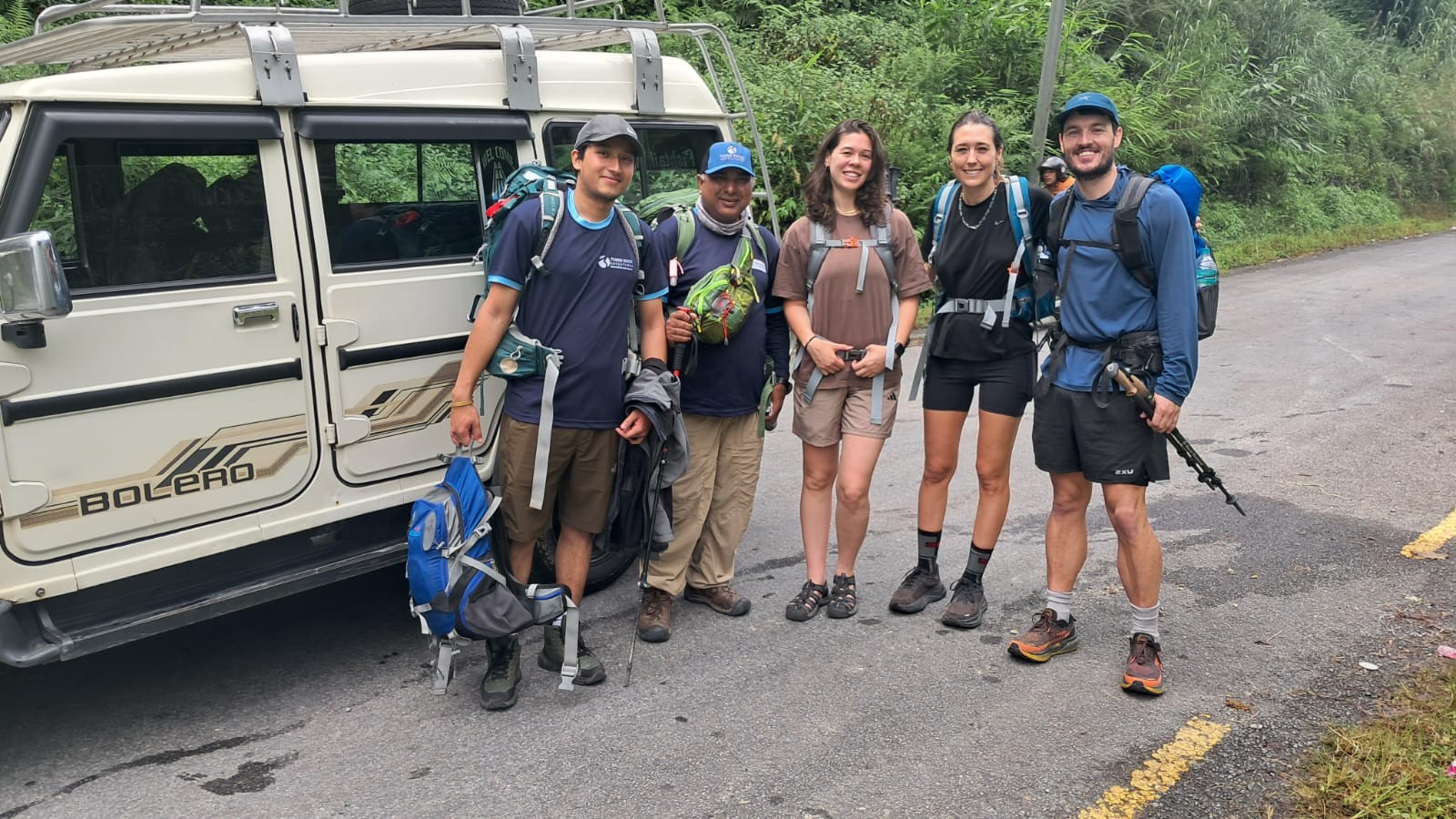
Annapurna Conservation Area contains some of Nepal’s most celebrated natural and cultural attractions. Each destination offers a different experience, from peaceful village walks to challenging high-altitude adventures.
1. Annapurna Base Camp
Annapurna Base Camp is one of the most popular trekking destinations in Nepal. Located at approximately 4,130 meters, the base camp is surrounded by an impressive amphitheater of Himalayan peaks.
The journey passes through beautiful villages, terraced fields, bamboo forests, rhododendron woodlands, and dramatic mountain valleys.
As trekkers approach the sanctuary, the landscape becomes increasingly spectacular. Towering peaks rise around the trail, creating a feeling of being completely surrounded by the Himalayas.
The sunrise view from Annapurna Base Camp is particularly memorable, as golden sunlight gradually illuminates the surrounding snow-covered mountains.
2. Machhapuchhre (Fishtail Mountain)
Machhapuchhre, commonly known as Fishtail Mountain, is one of Nepal’s most recognizable peaks.
Its distinctive double summit resembles the tail of a fish, giving the mountain its popular English name. Rising to approximately 6,993 meters, Machhapuchhre is admired for its sharp ridges and dramatic appearance.
The mountain holds deep religious and cultural significance for local communities. It is traditionally regarded as sacred, and climbing it is prohibited.
Its striking presence can be admired from several locations around Pokhara, Ghandruk, and the Annapurna trekking routes.
3. Ghorepani and Poon Hill
Ghorepani is a beautiful mountain settlement famous for its rhododendron forests and panoramic Himalayan scenery.
Nearby Poon Hill, at approximately 3,210 meters, is one of the most popular sunrise viewpoints in Nepal.
Visitors often begin the early morning walk before dawn to reach the viewpoint in time for sunrise. As the sky brightens, the Annapurna and Dhaulagiri ranges gradually appear in golden light.
The experience is particularly rewarding for photographers and travelers looking for a relatively short Himalayan trekking adventure.
4. Tilicho Lake
Tilicho Lake is one of the most remarkable high-altitude lakes in the Annapurna region.
Located at approximately 4,919 meters in Manang district, the lake is surrounded by rugged mountain slopes and dramatic Himalayan terrain.
Its turquoise and deep-blue water creates a striking contrast against the barren landscape. The journey to Tilicho Lake is challenging because of the altitude, steep trails, and changing weather conditions.
Nevertheless, its extraordinary setting makes it one of the most memorable destinations along the Annapurna trekking network.
5. Muktinath Temple
Muktinath is an important pilgrimage destination for both Hindu and Buddhist communities.
Situated at approximately 3,800 meters in Mustang, the temple is surrounded by a distinctive high-altitude landscape.
Hindu devotees associate Muktinath with liberation and spiritual purification, while Buddhist traditions connect the site with the sacred figure of Avalokiteshvara.
The temple complex, natural surroundings, and nearby traditional settlements make Muktinath an important cultural attraction within Annapurna Conservation Area.
6. Kali Gandaki Gorge
The Kali Gandaki Gorge is one of the most dramatic geographical features of the Annapurna region.
Carved by the Kali Gandaki River between the Annapurna and Dhaulagiri mountain ranges, the gorge forms a striking passage through the Himalayas.
The surrounding landscape changes from green hills to dry, rocky terrain as the river moves through Mustang.
The area is also known for Shaligram fossils, which hold religious significance in Hindu traditions.
The Annapurna region is not only a natural treasure but also a cultural landscape where communities have maintained their traditions, languages, architecture, and lifestyles for generations.
The southern areas are strongly associated with Gurung and Magar communities, while the northern areas include Thakali, Manange, and Loba communities, among others.
Each community contributes to the region’s unique cultural identity.
Gurung Culture
Gurung communities are prominent in villages such as Ghandruk and surrounding areas.
Traditional Gurung houses, stone-paved pathways, local clothing, music, and hospitality create a welcoming atmosphere for visitors.
Many villages preserve cultural traditions through festivals, community gatherings, and traditional dances.
Ghandruk is particularly popular because travelers can experience Gurung culture while enjoying impressive views of Annapurna South and Machhapuchhre.
Thakali Culture
Thakali culture is closely associated with the Mustang region, especially around Jomsom, Marpha, and nearby settlements.
Thakali communities are known for their traditional architecture, local cuisine, hospitality, and trading history.
Thakali food has become popular throughout Nepal, but experiencing it in its original cultural setting provides a deeper appreciation of the region.
Tibetan Buddhist Influence
Northern Annapurna, especially Manang and Mustang, reflects strong Tibetan Buddhist cultural influences.
Prayer flags, mani walls, monasteries, chortens, and traditional stone houses are common features of the landscape.
These cultural elements are not simply attractions for visitors. They represent the spiritual beliefs and everyday life of local communities.
Travelers should respect religious customs, avoid disturbing sacred objects, and seek permission before photographing people or private religious spaces.
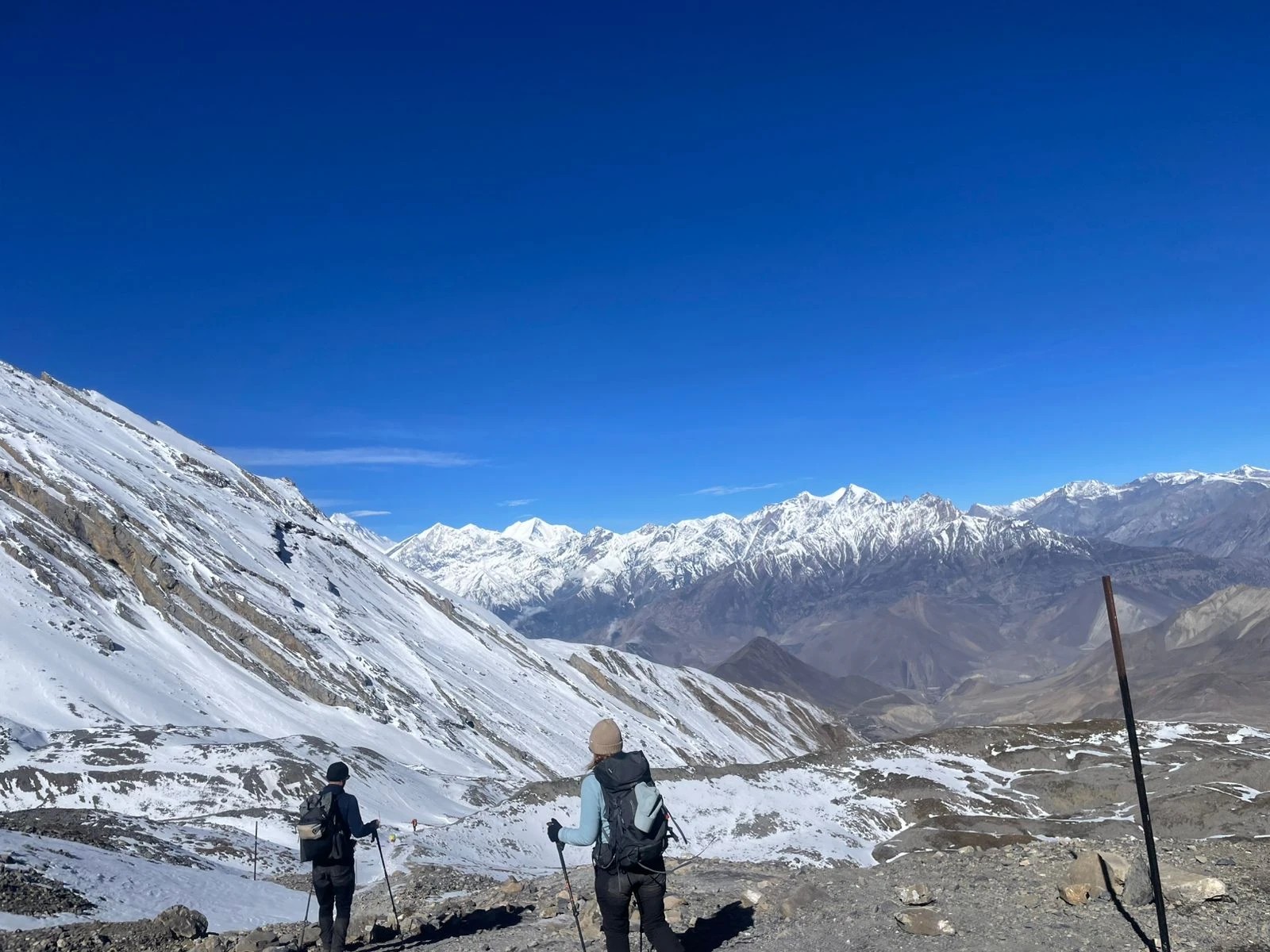
Annapurna is widely regarded as one of the finest trekking regions in the world because it offers routes suitable for different experience levels.
From comfortable village walks to challenging high-altitude journeys, the region provides a wide range of trekking opportunities.
Annapurna Circuit Trek

The Annapurna Circuit Trek is one of Nepal’s classic long-distance trekking adventures.
The route passes through changing landscapes, traditional villages, river valleys, forests, and high mountain terrain before crossing Thorong La Pass at approximately 5,416 meters.
Trekkers experience a fascinating transition from greener lower valleys to the dry landscapes of Manang and Mustang.
The journey also offers opportunities to visit Muktinath and explore the cultural richness of the Himalayan communities.
Annapurna Base Camp Trek
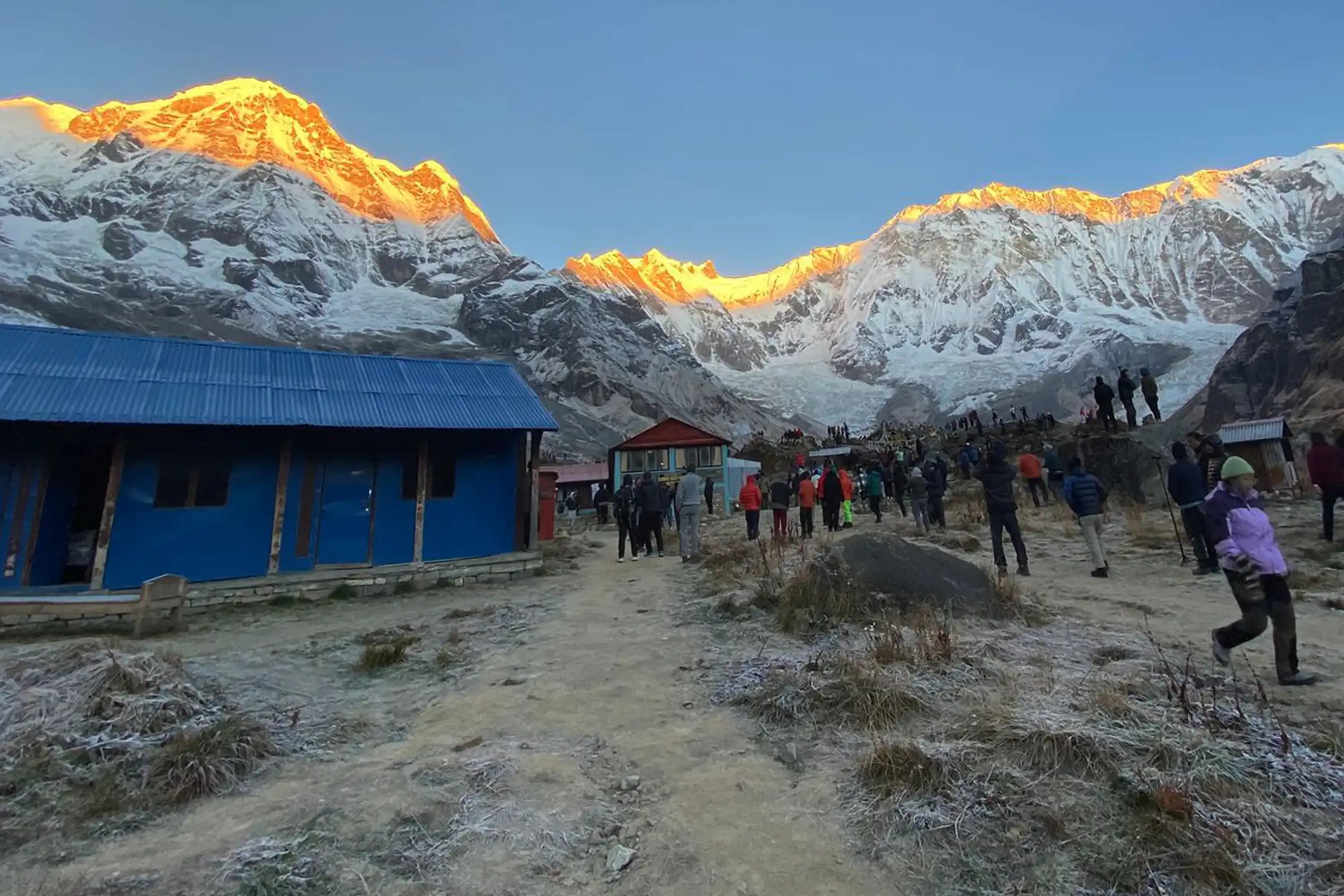
The Annapurna Base Camp Trek is an excellent choice for travelers who want to experience a close-up view of the Himalayan mountains.
The trail passes through villages such as Chhomrong, Bamboo, and Deurali before reaching the Annapurna Sanctuary.
The combination of mountain scenery, forest trails, and traditional settlements makes this route especially rewarding.
Ghorepani Poon Hill Trek
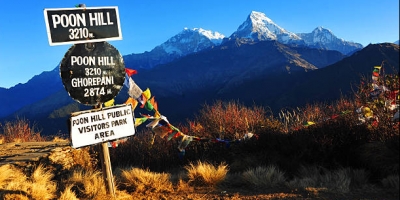
The Ghorepani Poon Hill Trek is suitable for travelers seeking a shorter Himalayan experience.
It offers beautiful mountain views, traditional villages, forest landscapes, and a memorable sunrise from Poon Hill.
Because of its relatively accessible route, it is popular among beginners, families, and travelers with limited time.
Mardi Himal Trek
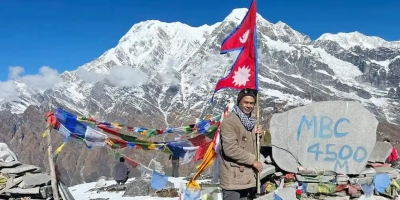
Mardi Himal Trek is another attractive route within the Annapurna region.
The trail passes through quiet forests, narrow ridgelines, and scenic mountain landscapes.
Compared with some of the busier Annapurna routes, it offers a more peaceful trekking atmosphere in several sections.
The views of Machhapuchhre and the Annapurna range are among its major highlights.
Upper Mustang Trek
Upper Mustang is famous for its desert-like landscapes, ancient settlements, monasteries, and distinctive Tibetan-influenced culture.
The region provides a very different experience from the green forests of southern Annapurna.
Its walled settlements, cave structures, colorful cliffs, and traditional lifestyle make it one of Nepal’s most culturally fascinating trekking destinations.
A special restricted-area permit is required for Upper Mustang.
Choosing the right season can make a significant difference to your experience in Annapurna.
Although the region can be visited throughout much of the year, spring and autumn are generally considered the most favorable seasons for trekking.
Spring Season (March to May)
Spring is one of the most beautiful times to visit Annapurna Conservation Area.
The weather gradually becomes warmer, mountain trails become more comfortable, and rhododendron forests bloom across the hills.
Clear mornings provide impressive mountain views, while the forests add vibrant colors to the trekking experience.
Spring is particularly suitable for Ghorepani, Annapurna Base Camp, and Mardi Himal treks.
Autumn Season (September to November)
Autumn is widely considered the best overall trekking season in Annapurna.
After the monsoon rains, the atmosphere often becomes clearer, offering excellent visibility of the Himalayan peaks.
The weather is generally stable, and the comfortable daytime temperatures make long trekking days more enjoyable.
This season is especially popular for the Annapurna Circuit, Annapurna Base Camp, and other major routes.
Winter Season (December to February)
Winter brings colder temperatures, snowfall, and quieter trails.
Lower-altitude areas can still offer beautiful mountain experiences, but higher routes may become difficult because of snow and freezing conditions.
Thorong La Pass and other high-altitude sections require careful planning during winter.
Travelers should check current weather and trail conditions before departure.
Monsoon Season (June to August)
The monsoon season brings heavy rainfall to many parts of Nepal.
Lower trails can become muddy, slippery, and affected by landslides. Leeches may also be present in forested areas.
However, the rain-shadow regions of Mustang and parts of Manang can offer comparatively drier trekking conditions.
Visitors planning a monsoon journey should choose routes carefully and remain flexible.
Annapurna Conservation Area is easily accessible compared with many remote Himalayan destinations in Nepal.
Pokhara serves as the major gateway for travelers heading toward the Annapurna trekking routes.
By Air
Travelers can take a domestic flight from Kathmandu to Pokhara.
The flight usually takes around 25–30 minutes, depending on operating conditions.
From Pokhara, visitors can arrange local transportation to trekking starting points such as Nayapul, Ghandruk, Kande, or other trailheads.
For destinations in Mustang, flights between Pokhara and Jomsom may also be available, depending on weather and operational schedules.
By Road
Tourist buses, local buses, and private vehicles connect Kathmandu with Pokhara.
The journey generally takes around 6–8 hours, although road conditions and traffic may affect travel time.
From Pokhara, local jeeps and buses provide access to several Annapurna villages and trekking starting points.
For routes such as the Annapurna Circuit, travelers may continue toward Besisahar, Chame, or other destinations according to their itinerary.
By Private Vehicle
Hiring a private jeep or vehicle is a convenient option for travelers who prefer flexibility.
Private transportation allows visitors to stop for photography, meals, and rest along the journey.
It can also be useful for groups, families, or trekkers carrying additional equipment.
Visitors entering Annapurna Conservation Area must arrange the applicable conservation area entry permit.
The permit supports conservation activities, environmental management, and community development.
For standard trekking routes, travelers generally need:
Permits can be obtained through authorized channels, including the official NTNC online permit system.
Some destinations, such as Upper Mustang, require additional restricted-area permits.
Permit regulations and fees may change, so travelers should verify the latest requirements before departure.
Accommodation options vary according to the destination and trekking route.
Popular trekking trails contain teahouses, guesthouses, and lodges where travelers can rest, eat, and spend the night.
In major destinations such as Pokhara, visitors can also find hotels, resorts, and comfortable accommodation facilities.
Traditional mountain villages offer a more personal experience, allowing visitors to interact with local hosts and learn about their lifestyle.
Local Food
Food is an important part of the Annapurna travel experience.
Dal bhat remains one of the most common meals served along trekking routes. It usually includes rice, lentil soup, vegetables, and pickles.
Other popular options include:
Food availability becomes more limited in remote and high-altitude locations, so trekkers should maintain a flexible approach to meals.
Despite its natural beauty and conservation achievements, Annapurna faces several environmental and social challenges.
Tourism brings income and employment opportunities, but increasing visitor numbers can also place pressure on forests, water resources, trails, and waste management systems.
Waste Management
Plastic bottles, food packaging, and other discarded materials can affect the natural environment if they are not managed properly.
Responsible waste disposal is essential for protecting mountain landscapes and maintaining clean trekking routes.
Climate Change
Rising temperatures and changing precipitation patterns create risks for glaciers, mountain ecosystems, water resources, and local communities.
The effects of climate change are particularly important in high-altitude environments, where even small environmental changes can influence fragile habitats.
Wildlife Conservation
Habitat disturbance, infrastructure expansion, and human-wildlife interactions can create difficulties for wildlife protection.
Species such as snow leopards and other mountain animals require healthy habitats and effective conservation management.
Sustainable Tourism
Tourism should benefit local communities without damaging the environment that attracts visitors.
Supporting local businesses, respecting cultural traditions, and minimizing waste are practical ways to make tourism more sustainable.
Responsible tourism is essential for protecting the Annapurna region for future generations.
Every traveler can contribute to conservation through small but meaningful actions.
Here are some ways to travel responsibly:
Traveling responsibly does not reduce the enjoyment of an adventure. Instead, it creates a deeper connection with the places and people encountered along the journey.
Annapurna Conservation Area plays a significant role in Nepal’s environmental protection, tourism industry, and rural economy.
Its forests help protect watersheds, reduce soil erosion, and support biodiversity. Its mountain ecosystems provide habitats for rare wildlife and contribute to the ecological balance of the Himalayas.
At the same time, tourism creates employment for guides, porters, lodge owners, transportation providers, farmers, and local entrepreneurs.
The region also protects important cultural landscapes, religious landmarks, and traditional lifestyles.
Its community-based conservation approach demonstrates how environmental protection and local development can work together.
Annapurna is therefore not simply a trekking destination. It is an important natural and cultural asset for Nepal.
A successful Annapurna journey begins with good preparation.
Before starting your trip, consider the following practical tips:
Annapurna Conservation Area is a destination where nature, culture, and adventure come together in a remarkable way.
From the snow-covered peaks of the Annapurna range to the peaceful villages of Ghandruk, the colorful rhododendron forests of Ghorepani, and the dramatic landscapes of Mustang, every part of the region tells a different story.
Its importance goes far beyond scenic beauty. The conservation area protects rare wildlife, preserves mountain ecosystems, supports traditional communities, and demonstrates how responsible tourism can contribute to sustainable development.
For trekkers, it offers unforgettable trails and mountain experiences. For nature lovers, it provides a rich variety of plants, animals, and landscapes. For cultural travelers, it opens a window into the traditions and daily lives of Himalayan communities.
A journey through Annapurna is not simply about reaching a destination or standing before a famous mountain. It is about appreciating the relationship between people and nature, understanding the value of conservation, and experiencing the Himalayas with respect.
Whether you are planning your first Nepal trekking adventure or returning to explore another Himalayan trail, Annapurna Conservation Area deserves a place on your travel list.
Explore Annapurna, experience its living culture, and help preserve the natural beauty of the Himalayas for generations to come.